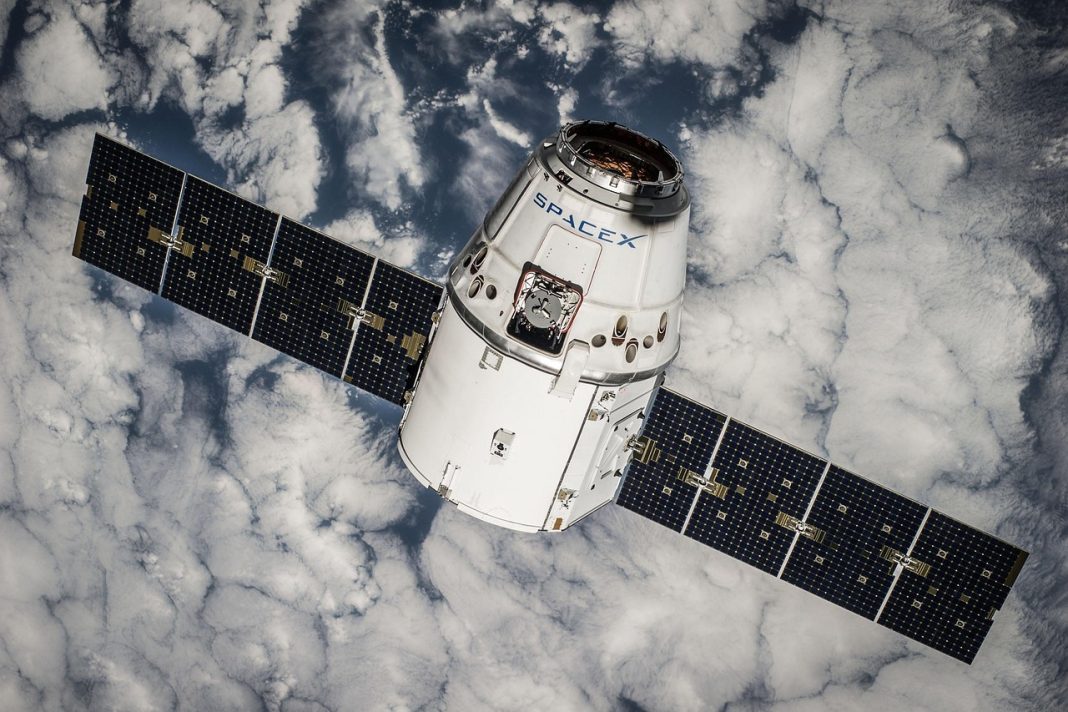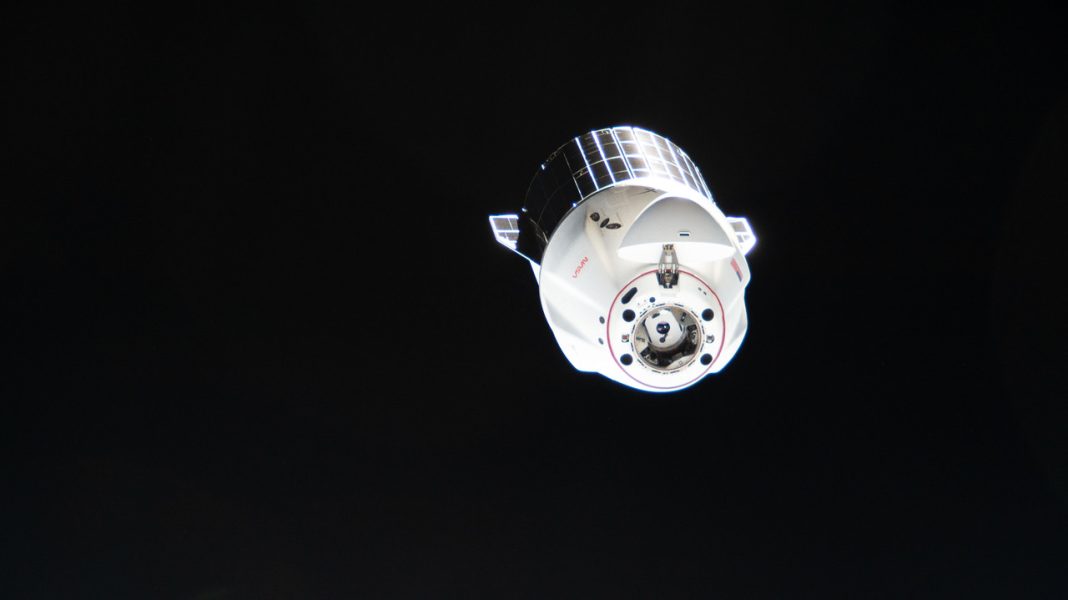

NASA’s next space station resupply mission carries more than everyday supplies. From experimental technology that could help restore vision to tiny heart tissues and brain models for medical research, the delivery includes projects designed to advance science both on Earth and in space. The cargo also includes new solar arrays to support the International Space Station’s power needs and specialized equipment for future lunar missions. Each item serves a different purpose, offering a glimpse into how routine deliveries help NASA prepare for the next chapter of human space exploration.
The Final Solar Arrays Will Help Power the Space Station
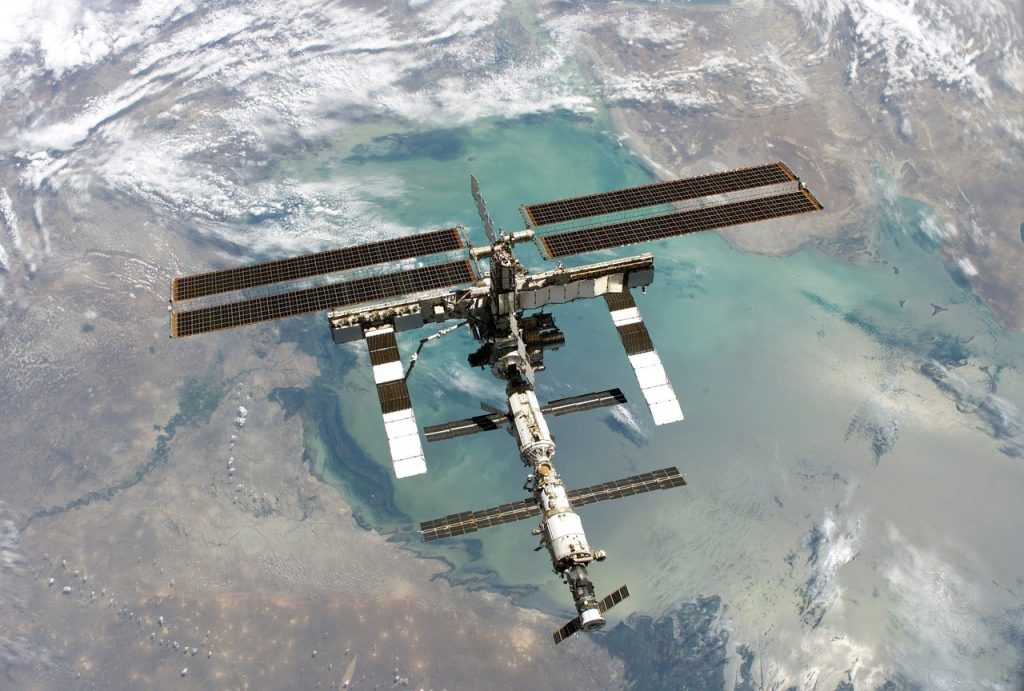
Keeping the International Space Station running requires a steady supply of electricity, and NASA’s next cargo delivery will bring the final pair of International Space Station Roll-Out Solar Arrays, known as IROSA. These compact, deployable panels are designed to expand the station’s existing solar power capabilities. Once installed during future spacewalks, they will complete a major phase of the station’s power system upgrades. The additional electricity will support essential operations and help the orbital laboratory continue functioning as intended. The upgrades also play a role in preparing for the station’s eventual safe, controlled deorbit, making the arrays important to both its present operations and its long-term retirement plans.
Artificial Retinas Could Help Restore Vision
An experiment aboard the Dragon spacecraft could help scientists develop better treatments for people with certain retinal diseases. The LambdaVision-1 investigation will test how to manufacture artificial retinas in microgravity, building the material one thin layer at a time. On Earth, gravity can contribute to uneven settling during the manufacturing process, potentially affecting the consistency of the finished material. In the microgravity environment aboard the space station, researchers hope to produce more uniform and stable layers that could improve the performance of future retinal implants. The research is particularly promising for people living with retinal conditions that currently have no effective cure. Although the experiment will not immediately deliver a treatment, its findings could help researchers refine the manufacturing process and advance technologies designed to restore vision.
Three-Dimensional Heart Tissues Could Improve Drug Testing
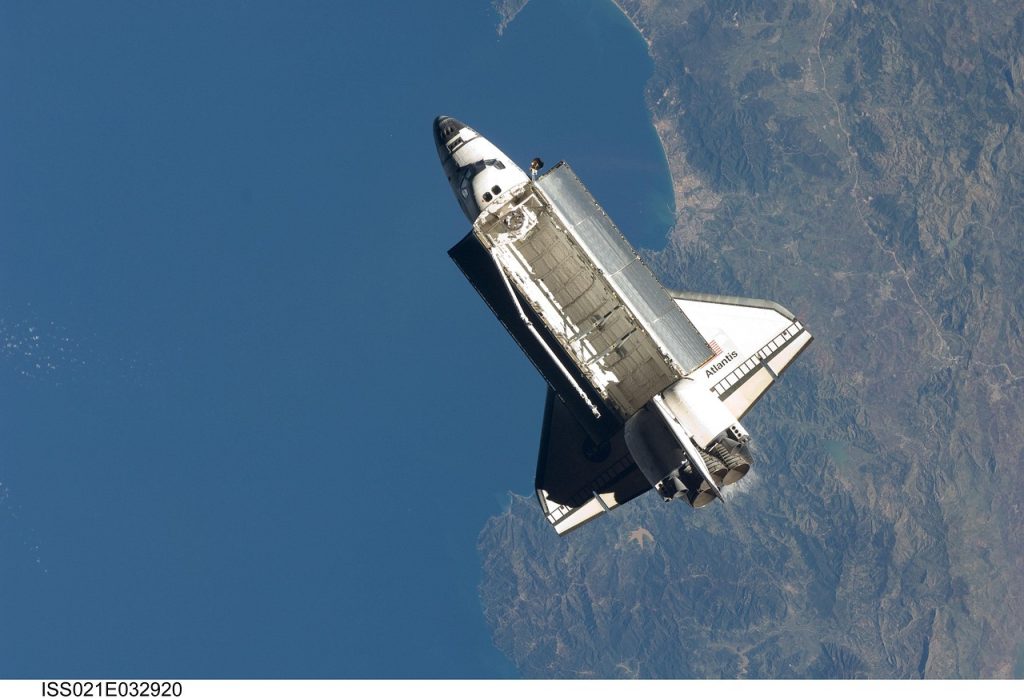
Testing new medicines requires researchers to understand how treatments affect human tissue, and three-dimensional heart models offer a more sophisticated approach than studying individual cells alone. NASA’s Stellar Spheroids investigation will examine how microgravity influences the growth and function of 3D human heart tissue models. Researchers will pay particular attention to whether the space environment encourages the development of more advanced vascular networks, which are essential for delivering oxygen and nutrients throughout living tissue. Better-developed models could give scientists a more realistic way to investigate heart conditions and evaluate potential treatments. The findings may also help advance large-scale drug testing during future space missions. While these models are not the same as a functioning human heart, studying their development could provide useful insights into tissue engineering and improve the tools researchers use to investigate cardiovascular diseases.
Unusual Glass Materials Will Be Tested in Microgravity

Glass may seem like an ordinary material, but changing how it forms could lead to useful advances in space technology. The ELF-Unconventional Glass 2 experiment will investigate how glass made from nontraditional elements behaves in microgravity. Researchers will observe the behavior of molten material in the space station’s environment and then return solid samples to Earth for detailed analysis. By examining how the glass forms without the usual effects of gravity, scientists hope to gain a better understanding of its structure and properties. Some unconventional glass materials could offer advantages such as greater strength, improved optical capabilities, or increased durability. Those qualities could eventually benefit spacecraft, space habitats, and other exploration equipment. The investigation is part of a broader effort to understand whether manufacturing materials in space can produce useful results that are difficult to achieve under Earth’s conditions.
Brain Organoids Could Reveal New Targets for Disease Treatments
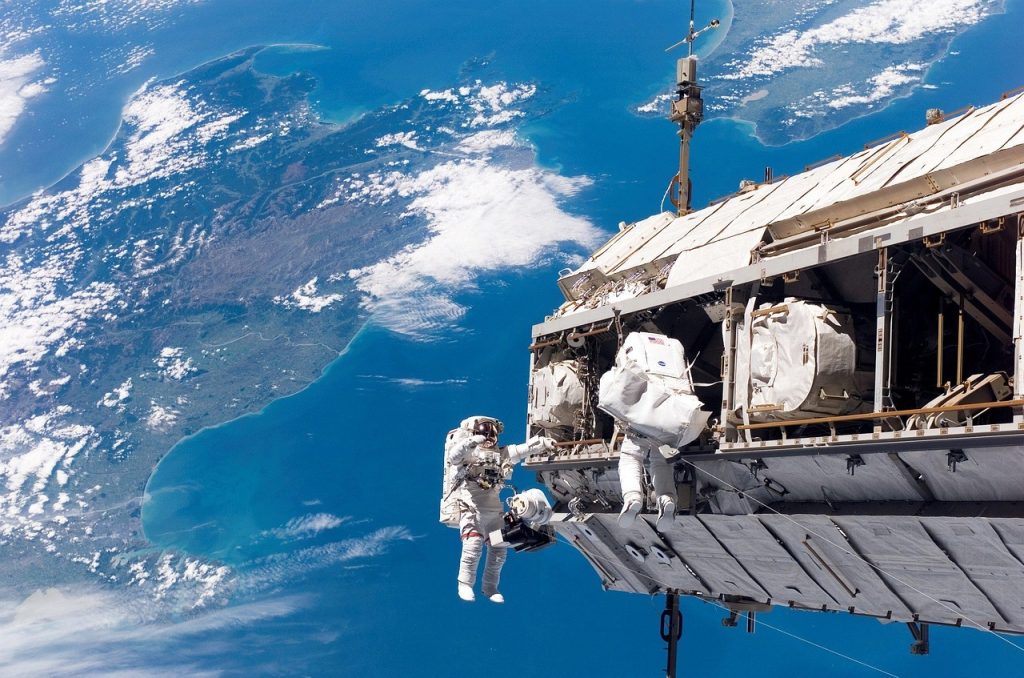
Tiny laboratory-grown models of human brain tissue could help researchers investigate some of the most challenging neurological conditions. NASA’s MINDS experiment will study brain organoids to better understand inflammation associated with neurodegenerative diseases. These conditions include Alzheimer’s disease, Parkinson’s disease, and multiple sclerosis, which can affect memory, movement, and other essential functions. The investigation uses what researchers call organoid villages, combining cells from multiple people to better reflect differences among patients. This approach could help scientists examine how biological responses vary and identify potential targets for future treatments. Microgravity provides a distinctive environment for studying these complex cellular systems, potentially offering insights that complement research conducted on Earth. The experiment will not produce an immediate cure, but its findings could contribute to a better understanding of disease processes and help guide the development of future therapies.
A Collapsible Urinal Will Support Future Moon Missions
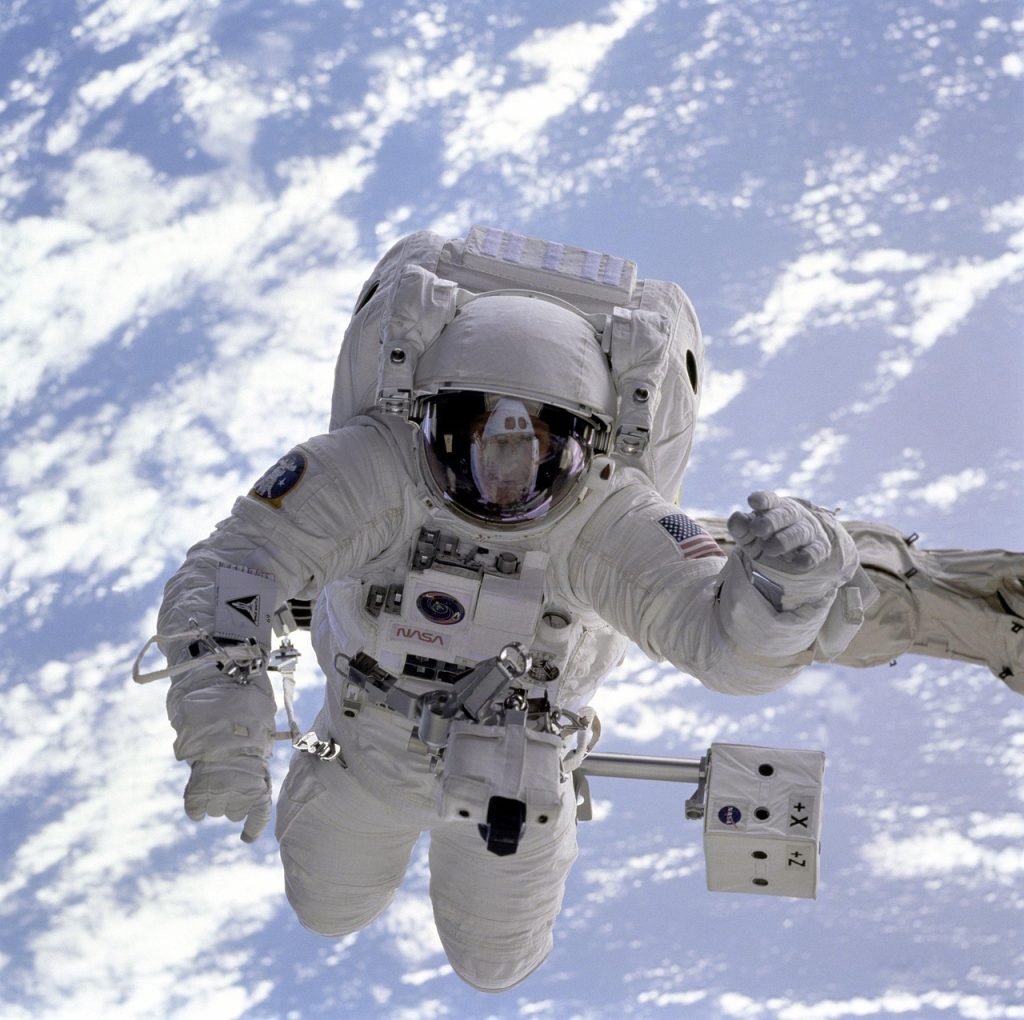
Not every important item on a spaceflight is a scientific experiment. NASA’s upcoming resupply mission will also carry a collapsible contingency urinal and supporting hardware intended to support preparations for the Artemis III mission. Managing human waste safely is a basic requirement for any crewed spacecraft, particularly during missions where astronauts must operate far from Earth and cannot rely on immediate resupply or assistance. Equipment designed for contingency situations can provide additional flexibility when unexpected needs arise. The hardware’s inclusion highlights how space exploration depends on practical systems as much as advanced scientific research. Astronauts need reliable equipment for everyday biological needs, just as they need life-support systems, communications, and power. By delivering this hardware to the space station, NASA can support testing and preparation connected to its broader plans for human exploration beyond low Earth orbit.