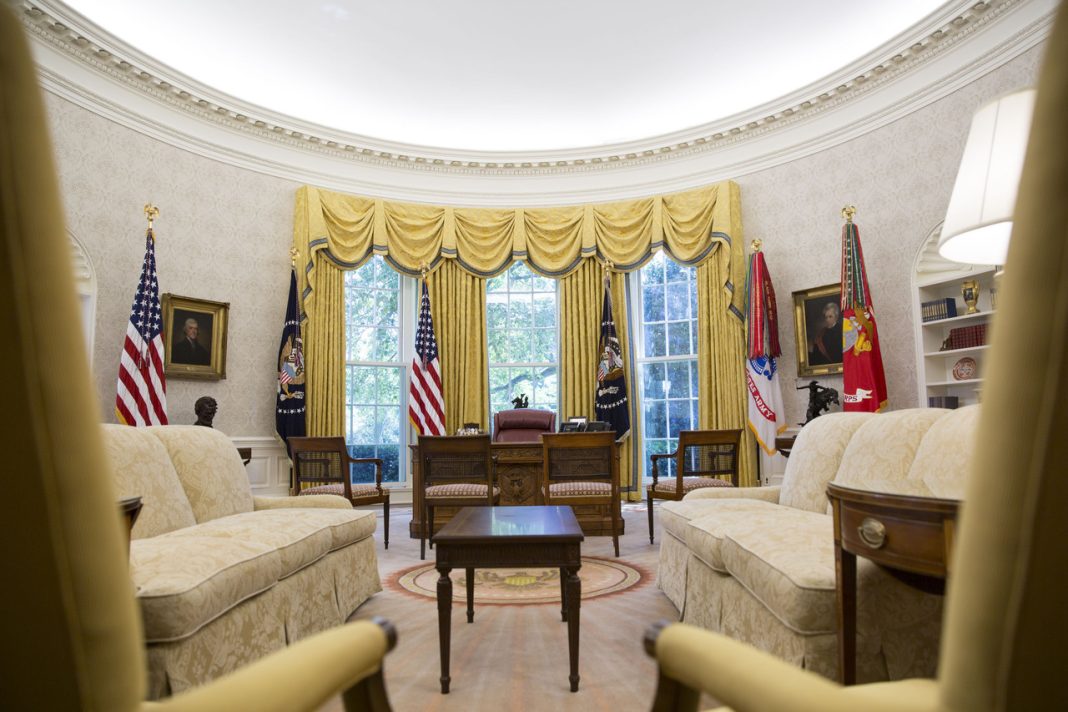

Washington, D.C., offers visitors a fresh look at one of America’s most recognizable rooms without requiring a trip inside the White House. The People’s House: A White House Experience has updated its full-size Oval Office replica to reflect President Donald Trump’s second-term design. From presidential portraits and historic writings to decorative objects and the famous Resolute Desk, the exhibit features seven details that help visitors explore the room’s changing appearance and the history behind its furnishings.
A New Replica Reflects Donald Trump’s Second-Term Oval Office
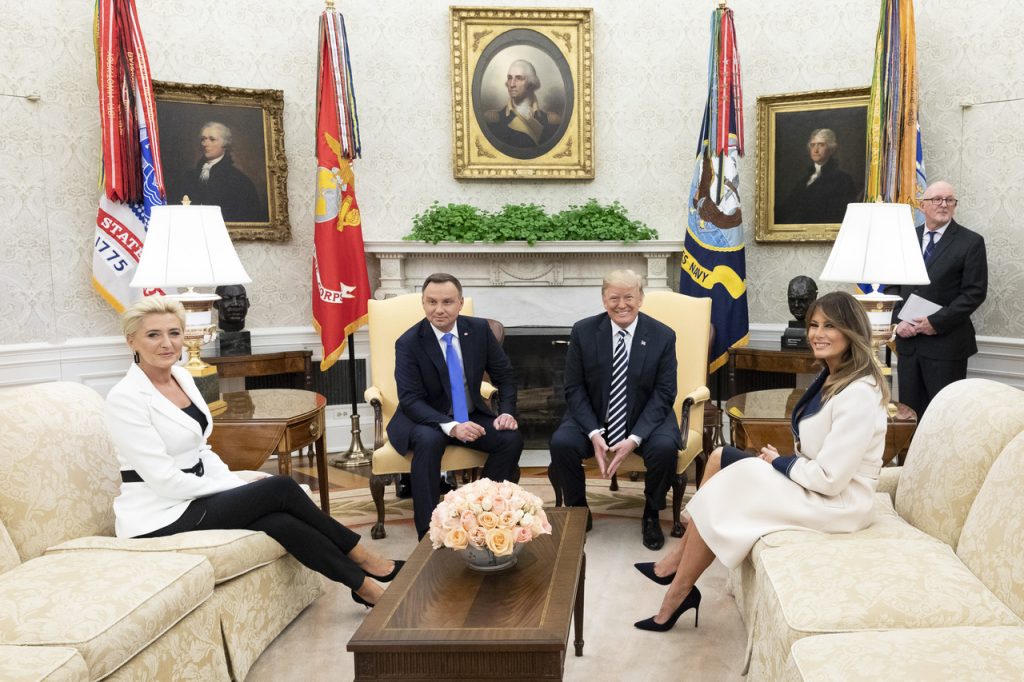
A presidential office can reveal plenty about the person who occupies it, from their taste in art to the historical figures they choose to keep nearby. Visitors to Washington, D.C.‘s The People’s House: A White House Experience can now explore a full-scale replica reflecting President Donald Trump’s second-term Oval Office. The White House Historical Association completed the latest update in October 2026, making this the third version of the exhibit since the museum opened in September 2024. The replica previously recreated Joe Biden’s Oval Office before transitioning to Trump’s first-term design. This latest version gives visitors a closer look at the office’s current decorative style through reproductions of its furniture, artwork, and other objects. The exhibit also demonstrates how the Oval Office changes over time, allowing visitors to compare presidential preferences while learning about the history of one of the most recognizable rooms in American government.
Portraits of George Washington, Theodore Roosevelt, and Ronald Reagan
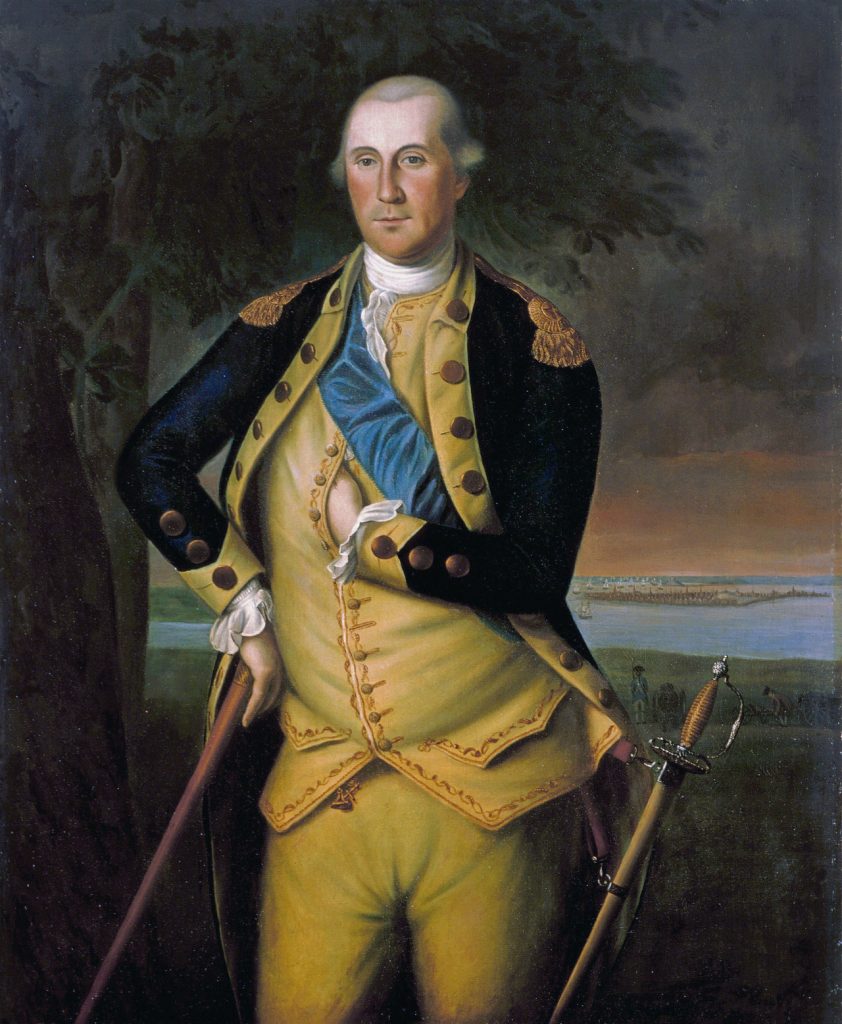
The portraits displayed in the Oval Office offer more than decoration. They provide a glimpse into the historical figures a president chooses to highlight within the room where many important decisions are made. Trump’s second-term Oval Office, as represented in the updated museum exhibit, includes portraits of George Washington, Theodore Roosevelt, and Ronald Reagan. Each figure has a distinct place in American history. Washington served as the nation’s first president and helped establish important precedents for the office. Roosevelt became known for his progressive domestic policies, conservation efforts, and assertive approach to international affairs. Reagan, the 40th president, is associated with conservative political leadership and major developments during the final decade of the Cold War. Their presence gives visitors an opportunity to consider how presidential imagery can connect a sitting administration with earlier periods in the country’s history. The museum’s reproductions allow visitors to examine these choices up close without entering the actual Oval Office inside the White House.
Historical Writings by George Washington, Theodore Roosevelt, and Nathaniel Hawthorne
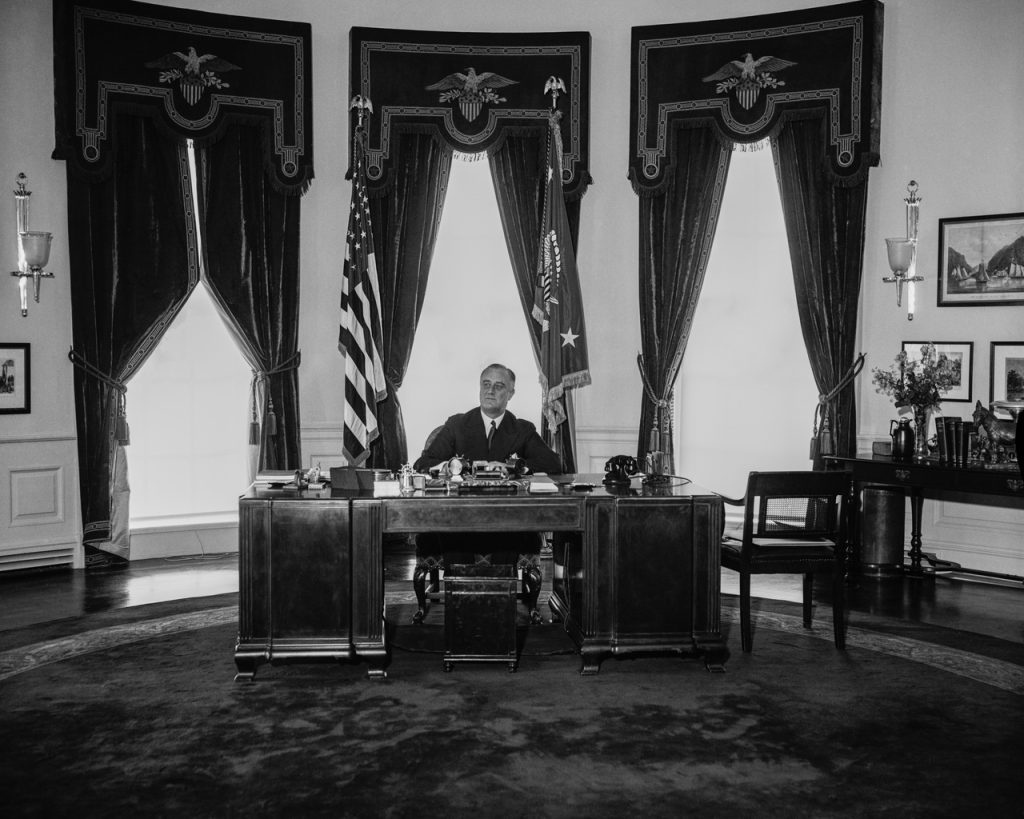
Books and historical writings can make a presidential office feel more personal, offering clues about the ideas and traditions that shape its atmosphere. The updated Oval Office replica includes writings associated with George Washington, Theodore Roosevelt, and Nathaniel Hawthorne. Washington and Roosevelt both served as presidents, but Hawthorne was a celebrated American novelist and short-story writer whose works helped shape the country’s literary heritage. His inclusion adds a cultural dimension to the display beyond politics and government. These reproductions also encourage visitors to look beyond the furniture and artwork to consider the historical figures and intellectual traditions represented in the room. Although the exhibit does not mean visitors are seeing the original writings themselves, it recreates elements associated with the president’s office. For those interested in American history, literature, or presidential collecting, these details provide another way to explore the connections between the presidency and the broader national story.
Vermeil Art, Vases, and Decorative Dishes Add a Distinctive Touch
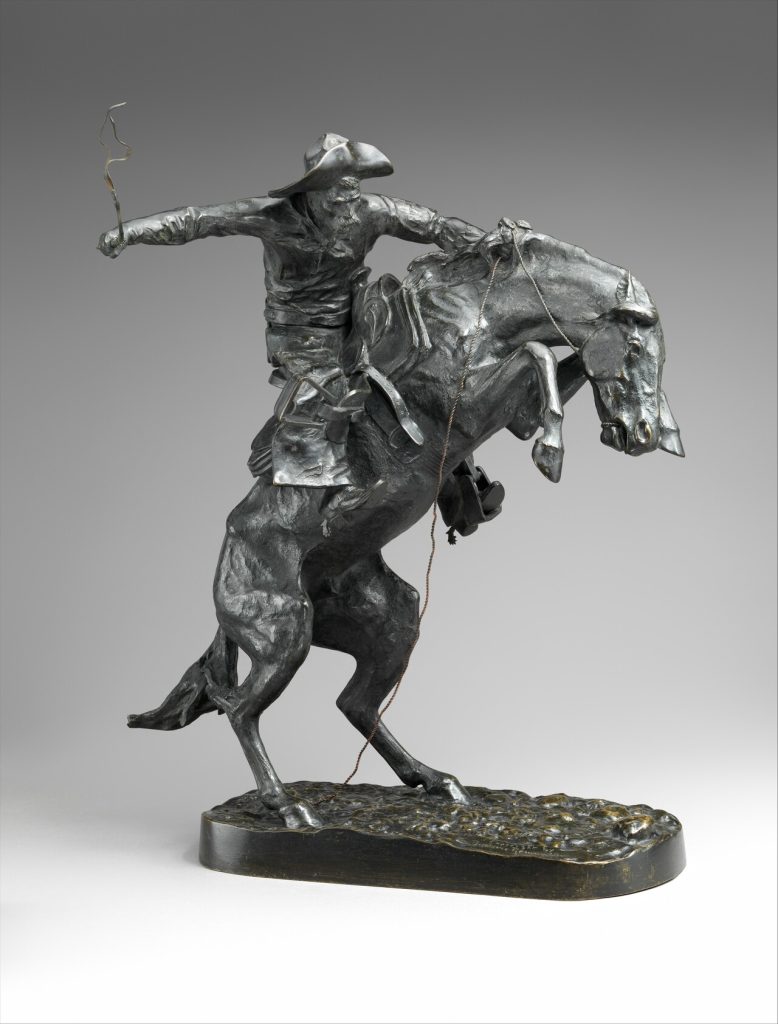
Gold-toned decorative objects can dramatically change the appearance of a room, and the updated Oval Office replica includes several examples of this style. Visitors can expect to see vermeil artwork, vases, and dishes among the decorative features associated with Trump’s second-term office. Vermeil refers to a material made from sterling silver coated with gold, giving objects a rich golden appearance while retaining a silver base. Such pieces belong to a long tradition of decorative arts used in formal government interiors and ceremonial settings. In the Oval Office, these objects contribute to the overall visual character of the room, complementing its furniture and artwork. Their inclusion also highlights how seemingly small design choices can influence the atmosphere of a presidential workspace. The museum uses reproductions to recreate these details, allowing visitors to appreciate the design without requiring access to the White House’s working collection. Together, the vases, dishes, and artwork help convey the more elaborate decorative style reflected in the updated replica.
The Resolute Desk Remains a Centerpiece of the Replica
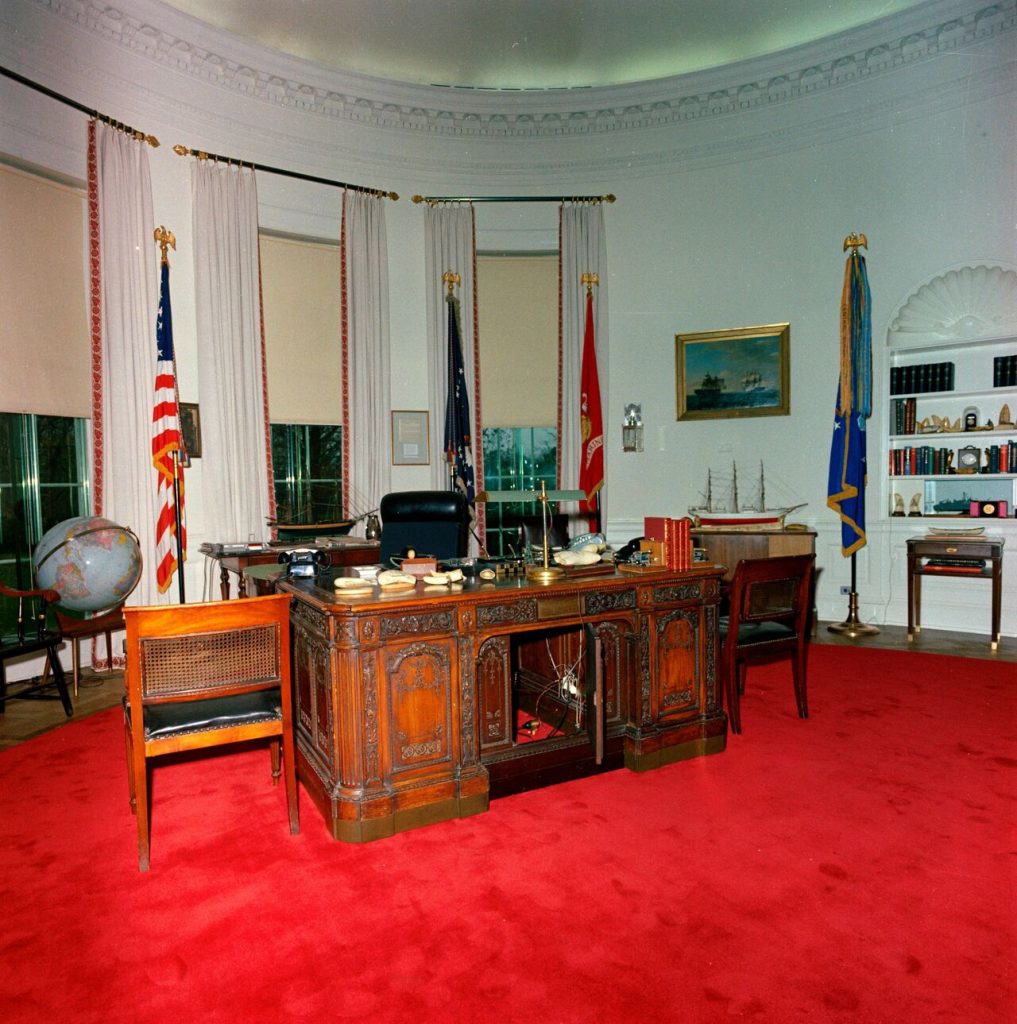
Few pieces of presidential furniture are as recognizable as the Resolute Desk. The desk has served numerous American presidents and remains one of the defining features of the Oval Office. Its history dates to the 19th century, when it was constructed from oak timbers taken from the British exploration ship HMS Resolute. Queen Victoria presented the desk to President Rutherford B. Hayes in 1880 as a gift from Britain. It later became closely associated with the Oval Office, particularly after President John F. Kennedy placed it there in 1961. The updated museum replica retains a reproduction of this historic piece, reflecting its continuing importance in the room’s design. Visitors can also experience sitting behind the desk, giving them an opportunity to appreciate the perspective associated with the presidential workspace. Although the exhibit’s desk is not the original White House artifact, its presence helps connect the replica to a tradition that spans many administrations.
The Seymour Case Clock and Military Service Flags Remain on Display
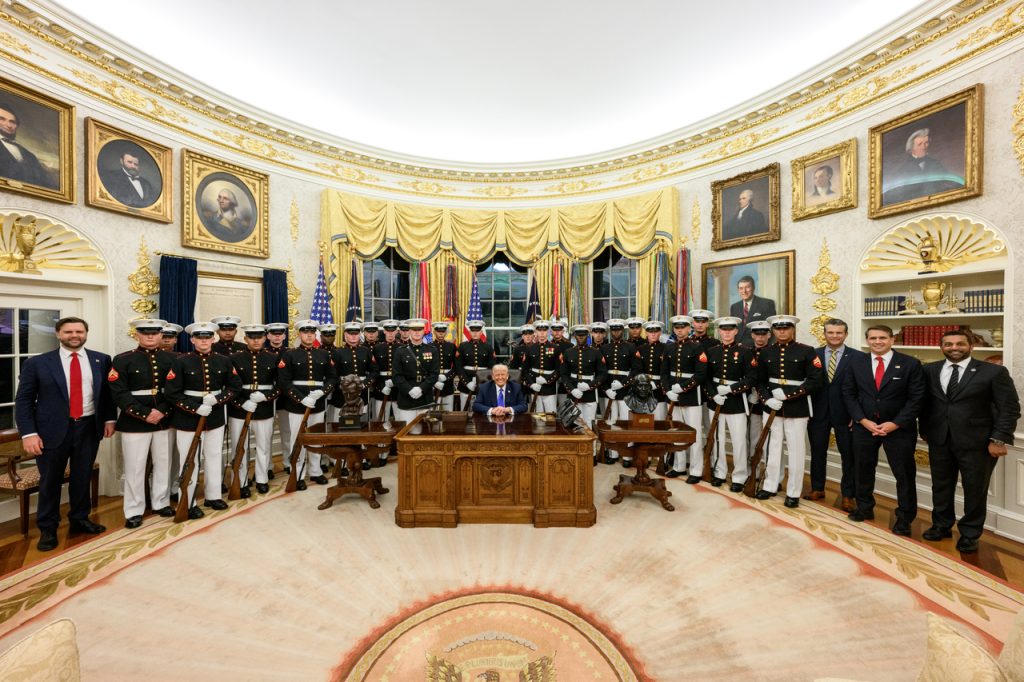
Some details in the updated Oval Office replica remain familiar because they have appeared in earlier versions of the room. The Seymour Case Clock and military flags representing the different branches of the U.S. armed forces are among the items retained in the exhibit. The original Seymour clock is a historic tall-case clock associated with Boston cabinetmakers John and Thomas Seymour and dates to around 1795 to 1805. It has stood in the White House Oval Office since 1975 and is admired for its craftsmanship. The military flags, meanwhile, represent the service branches and bring a visible connection to the nation’s armed forces into the presidential workspace. Keeping reproductions of these objects in the updated exhibit allows visitors to recognize elements that persist even as other decorative choices change. Their continued presence also illustrates how the Oval Office combines personal presidential preferences with objects that carry broader historical and institutional significance.
The Museum’s Third Oval Office Replica Tracks Changing Presidential Styles
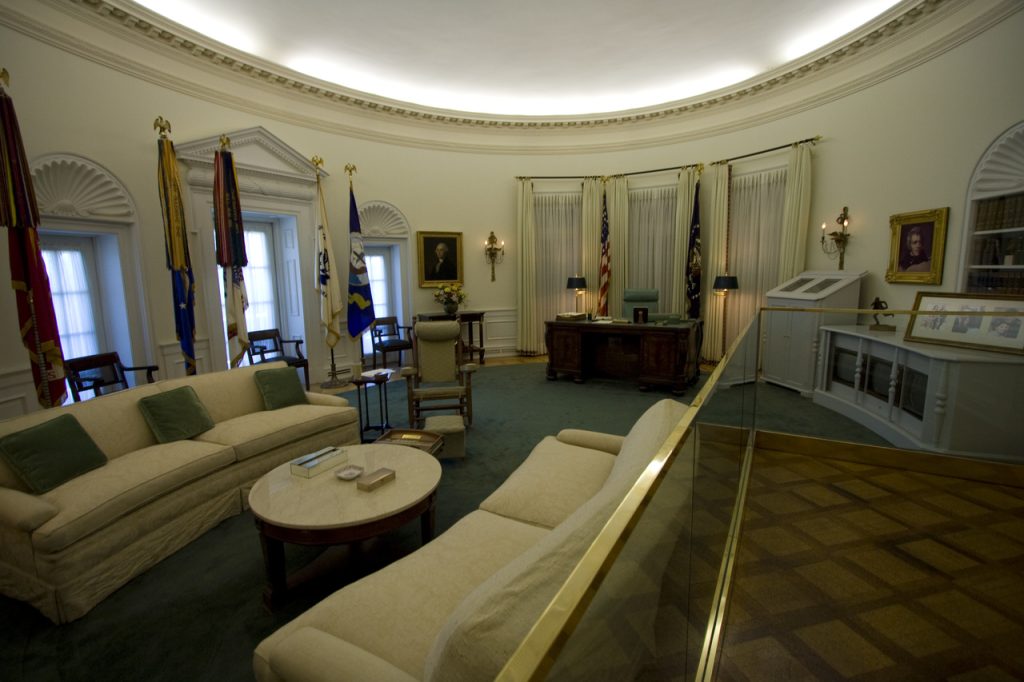
The latest update is part of a continuing effort to show how the Oval Office evolves with each administration. Since The People’s House: A White House Experience opened in September 2024, its full-scale replica has presented three versions of the room: Joe Biden’s Oval Office, Donald Trump’s first-term Oval Office, and now Trump’s second-term design. The White House Historical Association says future presidential transitions will also be reflected in the exhibit. Located about one block from the White House, the museum occupies 33,000 square feet across three floors and features immersive displays about the history of the Executive Mansion. Its Oval Office replica is designed to help visitors explore presidential history through recognizable furniture, artwork, and decorative objects. The rotating displays offer an especially useful way to understand how presidents personalize the same historic space. Rather than presenting the Oval Office as a fixed room, the exhibit shows how its appearance changes while its role at the center of American government remains constant.