
Minnesota researchers are looking for bears, but not in the usual way. This winter, they want help finding the dens where black bears are sleeping.
The request comes from the Minnesota DNR and the University of Minnesota Duluth. It is a practical step in a long-running effort to better understand how bears live across northern Minnesota.
Why researchers need den locations
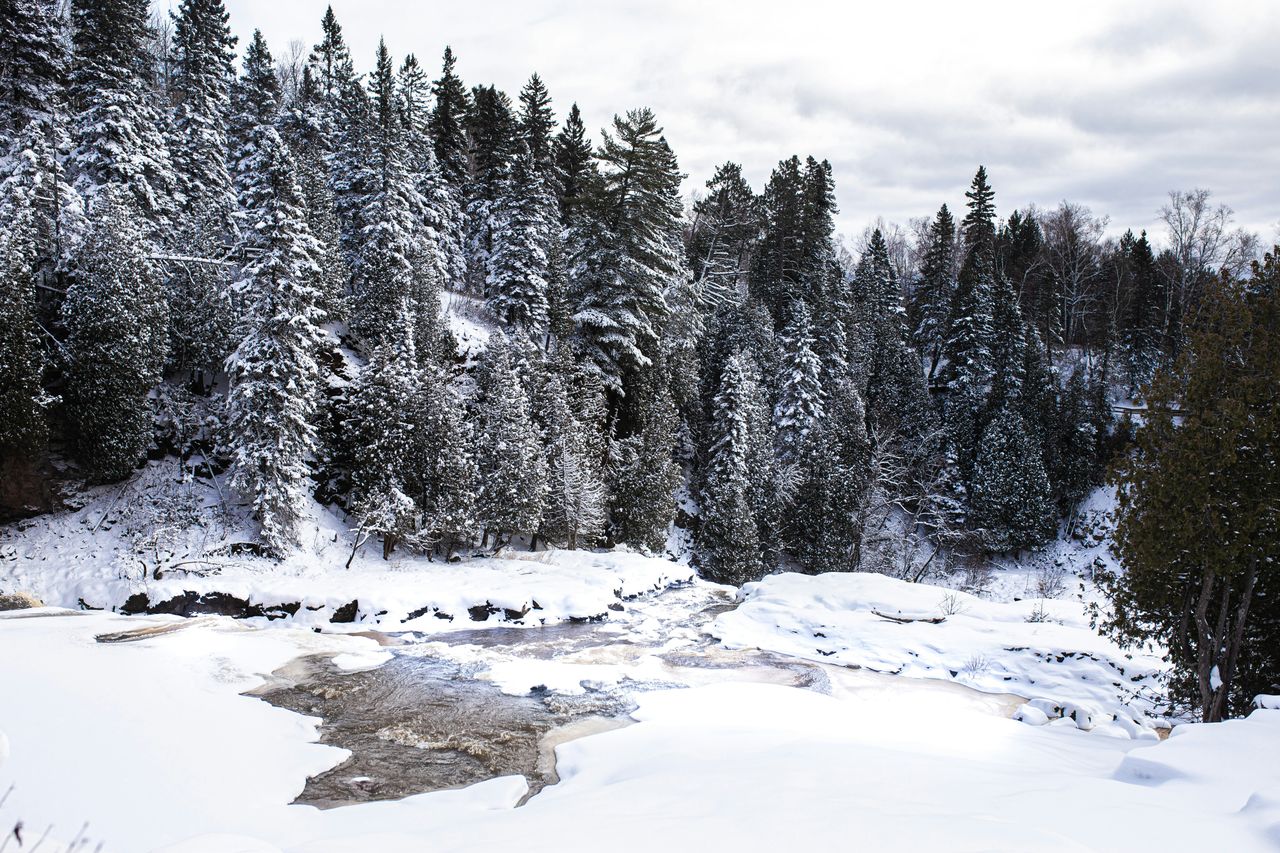
The key reason is simple: winter dens give biologists a rare chance to approach black bears safely. According to the Minnesota DNR, researchers around Brainerd, Grand Rapids, and Duluth hope to capture additional bears while they are denned and fit them with GPS collars before spring activity begins.
That winter timing matters because a bear in a den is much easier to handle than one moving through thick woods in May or June. University of Minnesota Duluth researchers can work more efficiently, reduce stress on the animal, and collect standard measurements such as weight, age estimates, and body condition during a single visit.
People who spend time outdoors often notice signs professionals miss. A landowner near Grand Rapids, a snowmobiler outside Brainerd, or a hiker in the Duluth area may spot a hollow tree, brush pile, or ground den used by a bear in January or February, which can give the research team a valuable lead.
What the GPS collars can reveal
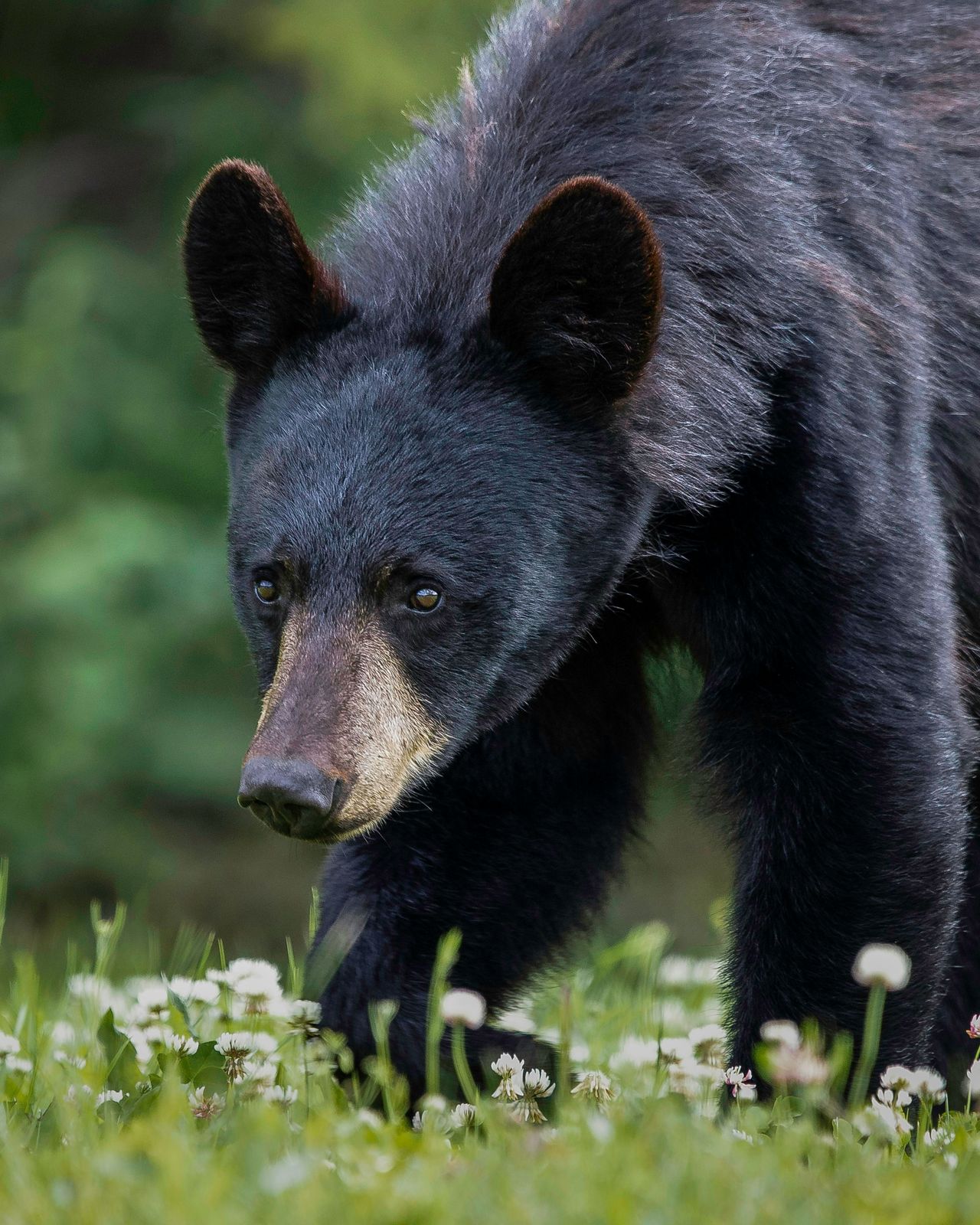
GPS collars give scientists year-round movement data instead of scattered observations from trail cameras or occasional sightings. That means researchers can map where a bear spends time in July, how far it travels in October, and whether it returns to the same area near Duluth or Grand Rapids in the following winter.
The project includes both urban and rural environments because black bears are now using a wide range of landscapes in Minnesota. A bear living near the edge of Duluth may encounter garbage, bird feeders, or backyard fruit trees, while a bear in a more remote part of Crow Wing or Itasca County may rely on natural food and face very different pressures.
Researchers are also studying reproduction, including where females den and how cub survival may vary by habitat. Data from collared females can help scientists understand maternity den selection, timing of movement after den emergence, and how often bears with cubs come close to homes, roads, or neighborhoods.
How the public can help safely
The long-term goal is not just academic. Better movement data can help the Minnesota DNR predict hotspots for human-bear conflicts, improve public advice on attractants, and shape local responses in places like Duluth, where bear encounters can become a seasonal issue.
Officials want reports from people who believe they have found an active den, but they do not want anyone getting too close. A safe report should include the location, nearby landmarks, and what was seen from a distance, because approaching a den in St. Louis, Itasca, or Crow Wing counties can put both people and bears at risk.
In practice, that means backing away, noting the site, and contacting the Minnesota DNR or the University of Minnesota Duluth research team with the details. For residents in northern Minnesota, that small step could directly support a winter field season and give scientists better information before the next round of GPS collaring begins.