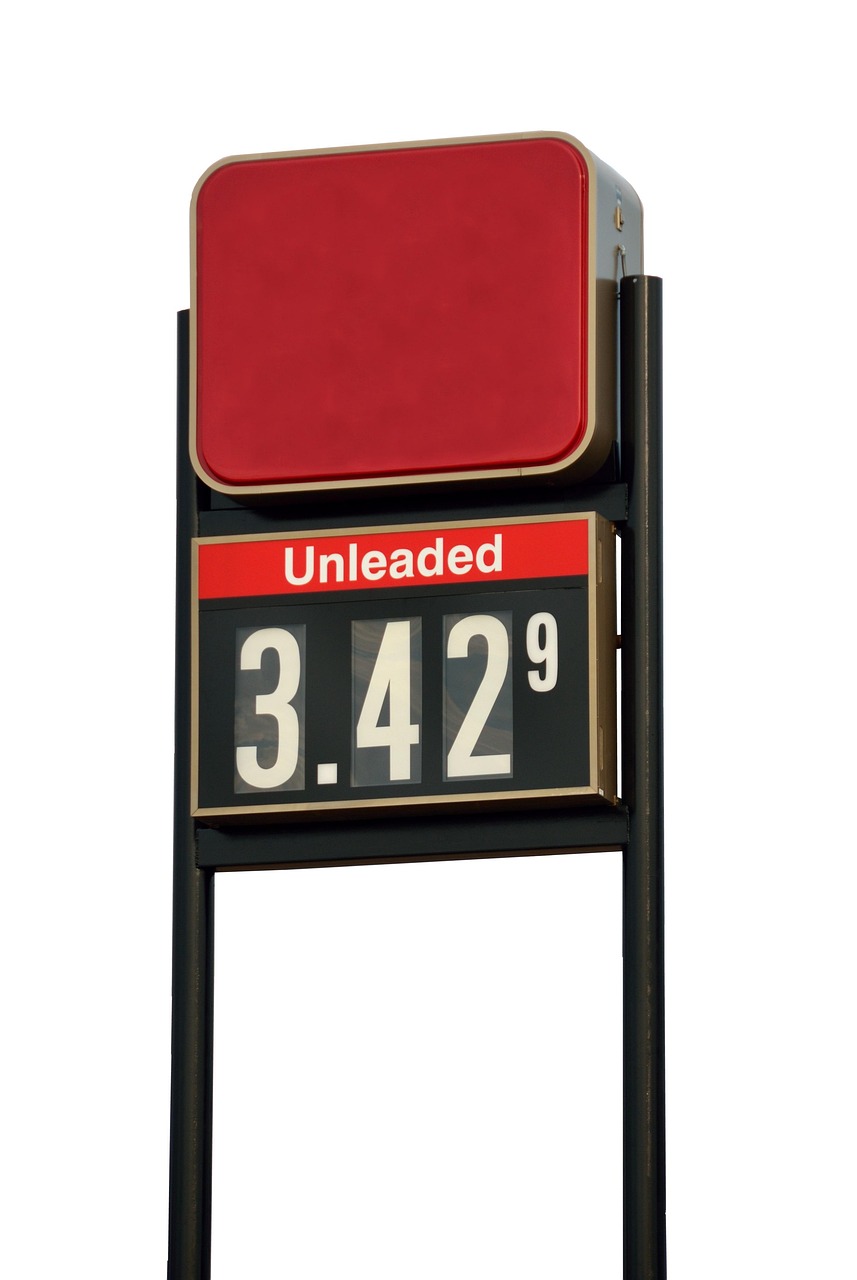

Minnesota drivers have seen a pretty sharp change at the pump lately. After weeks of steady declines, the statewide average is now much lower than it was just a month ago.
Where Minnesota gas prices stand now
AAA’s latest data from November 16 puts Minnesota’s average price for regular gasoline at $3.69 per gallon. That is about 60 cents lower than the statewide average from one month earlier, which is a big swing for such a short stretch.
In the Twin Cities, drivers in Minneapolis and St. Paul are generally seeing prices close to the state average, though individual stations can vary by several cents depending on neighborhood and traffic patterns. Metro areas often move a little faster on price changes because competition is tighter and station density is higher.
Compared with a week ago, Minnesota prices are also lower, showing that the downward trend has continued into mid-November. Even with that recent relief, AAA’s year-over-year comparison shows drivers are still paying more than they were at this point in 2022.
Why prices have fallen so quickly
One major reason for the drop is seasonal demand. After the busy summer driving season ends and fall travel slows, gasoline demand typically eases across the U.S., and that often helps prices come down in states like Minnesota.
Another factor is the switch in fuel blends. Refineries and suppliers move away from more expensive summer-blend gasoline as colder weather arrives, and that transition usually lowers production costs during October and November.
Market behavior also matters. When wholesale prices soften, retail stations often follow, although not always at the same speed in every town. That is why a driver in Duluth, Rochester, or Mankato may notice different prices even when the statewide AAA average is moving in the same direction.
What Minnesota drivers should watch next
The big takeaway is that $3.69 per gallon is a meaningful improvement from a month ago, especially for commuters filling up every week. For a 15-gallon tank, a 60-cent drop works out to about $9 in savings compared with prices from mid-October.
Still, drivers should not assume prices will keep falling at the same pace through late November and December. Holiday travel, crude oil shifts, refinery issues, and sudden weather events can all change the trend fairly quickly.
Across Minnesota, local differences will remain important. A station along a major interstate or in downtown Minneapolis may post a higher number than a smaller-town location, while northern Minnesota can sometimes see added transportation costs reflected in pump prices.