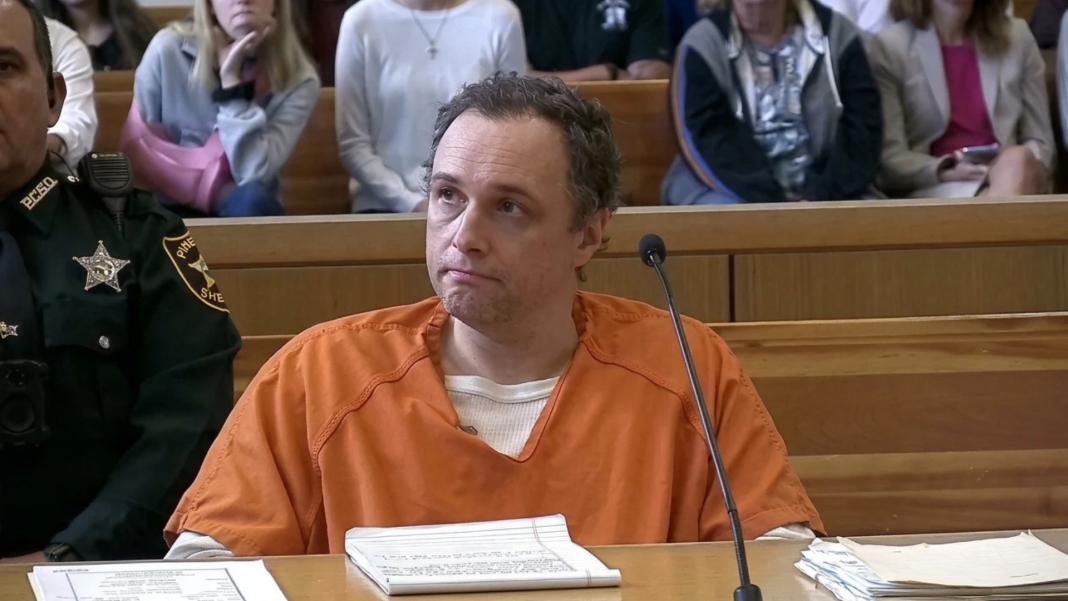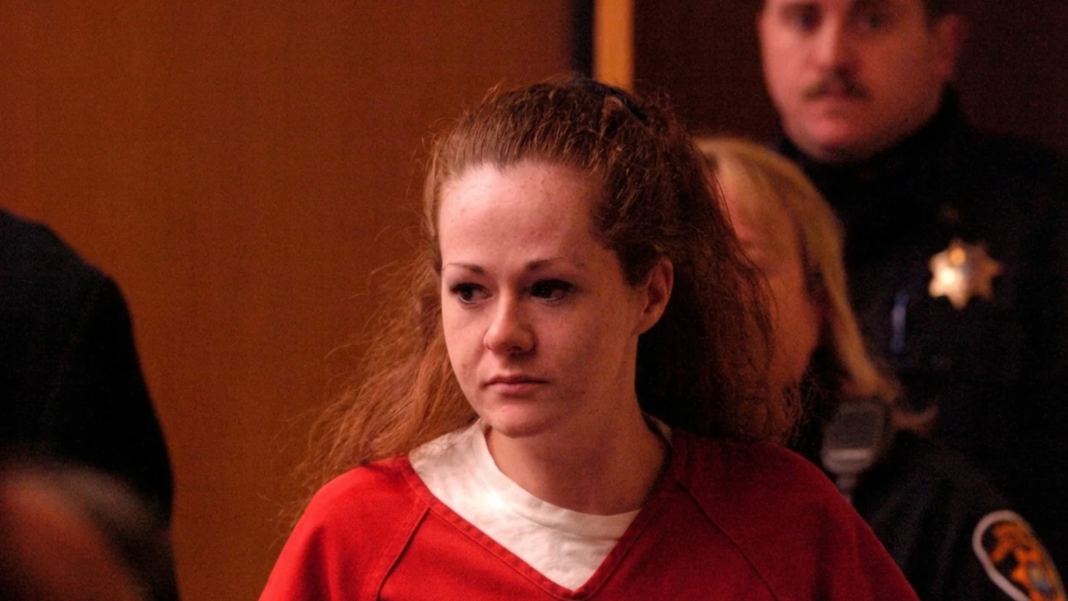

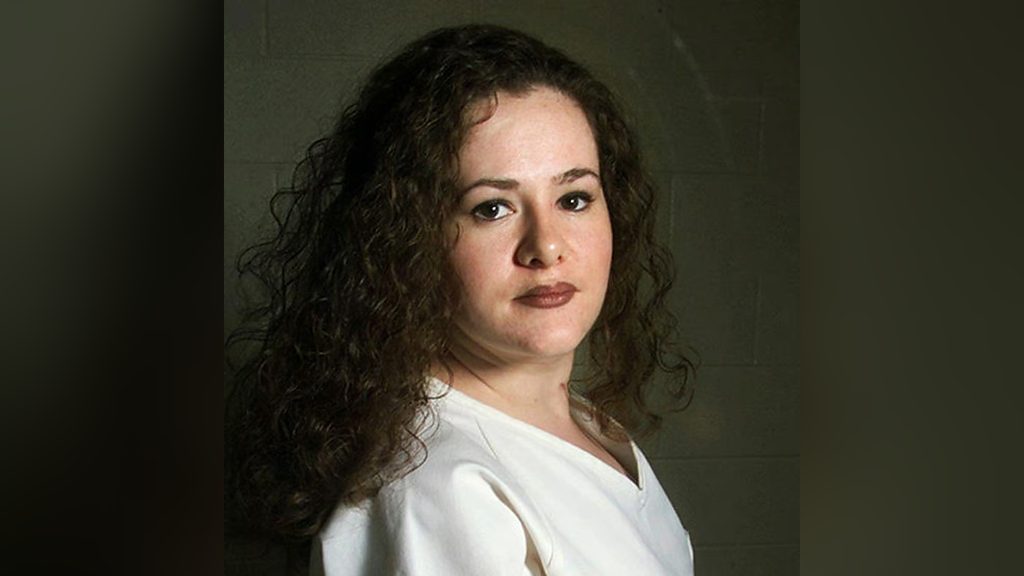
Christa Pike, the only woman on Tennessee’s death row, has asked a court to remove restrictions on visits by mental health experts nearly two months after surviving a failed execution on September 30, 2026. Her attorneys filed a motion on November 23 in Davidson County Chancery Court.
They say the full extent of her injuries remains unknown and that restrictions imposed by prison officials are interfering with their legal work.
Pike, 50, was sentenced to death in 1996 for the murder of a 19-year-old fellow student in Knoxville the previous year. She was just 18 years old during crime. A jury also convicted her of conspiracy to commit first-degree murder, and the Tennessee Supreme Court upheld her convictions and death sentence in 1998.
Legal challenges before and after the execution

Governor Bill Lee denied Pike’s request for clemency on September 28. Her lawyers had sought to have her death sentence reduced to life in prison. The US Supreme Court rejected a request to delay her execution on September 29. The following day, it lifted a separate temporary stay issued by a federal appeals court, allowing the state to proceed.
After the execution attempt failed, Pike’s lawyers asked the Tennessee Supreme Court to stop the procedure and require emergency medical assistance.
The court denied the request as no longer necessary after state officials confirmed she was being taken to a hospital. The Tennessee Department of Correction maintained that it had followed the state’s established execution procedures.
Lee ordered an independent review and indefinitely postponed the state’s remaining scheduled execution for 2026. Ed Stanton, a former US Attorney, was chosen to lead the review.
On October 30, Lee appointed Christopher Hansen as interim corrections commissioner following the departure of Frank Strada.
Lawyers challenge prison restrictions
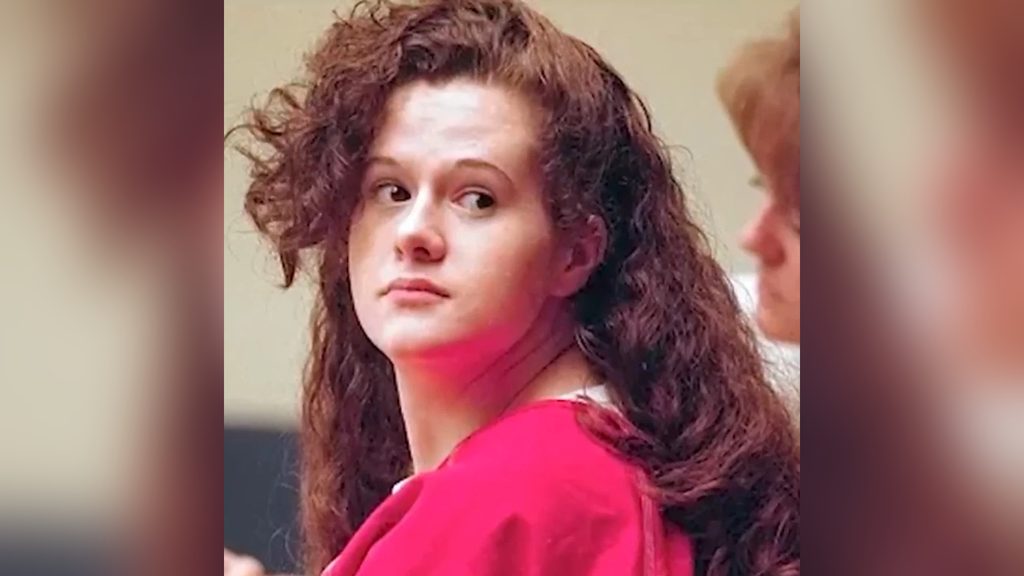
Pike required intensive hospital care after the failed execution. She returned to the Debra K. Johnson Rehabilitation Center on October 9, and her lawyers announced her discharge from the hospital the following day.
On October 30, they asked a federal court to enforce a September 2024 settlement that had allowed Pike to work, exercise, eat and socialize with other prisoners after decades in isolation. They argued that her return to isolation in the prison infirmary violated the agreement.
State officials said her placement was based on her medical needs and maximum-security classification. Her lawyers asked for the previous arrangements to be restored as far as her health and safety permit. A hearing will take place on December 1.
According to the November 23 filing, prison officials had approved three private visits by a psychologist before notifying Pike’s lawyers on November 9 that an attorney must attend future visits.
Prison officials argued that repeated visits without a lawyer could amount to ongoing treatment, which their policy prohibits. Pike’s lawyers say the psychologists work for her legal team and that the written policy does not require an attorney to attend.
The lawyers are seeking private visits for both psychologists with the equipment and materials they need. They also want officials barred from examining, keeping or restricting confidential legal materials and required to process requests for additional experts promptly. The lawyers say these restrictions interfere with preparations for an amended complaint due January 27, 2027.
On November 25, the court said it would consider the motion at a previously scheduled hearing on December 15. No new execution date has been announced, and Pike remains sentenced to death.