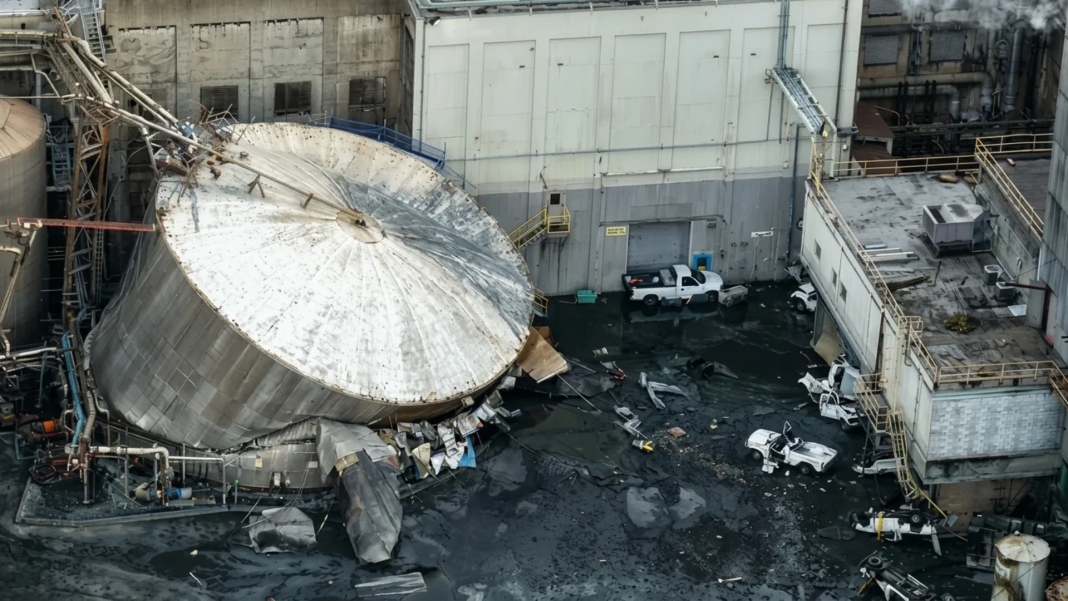

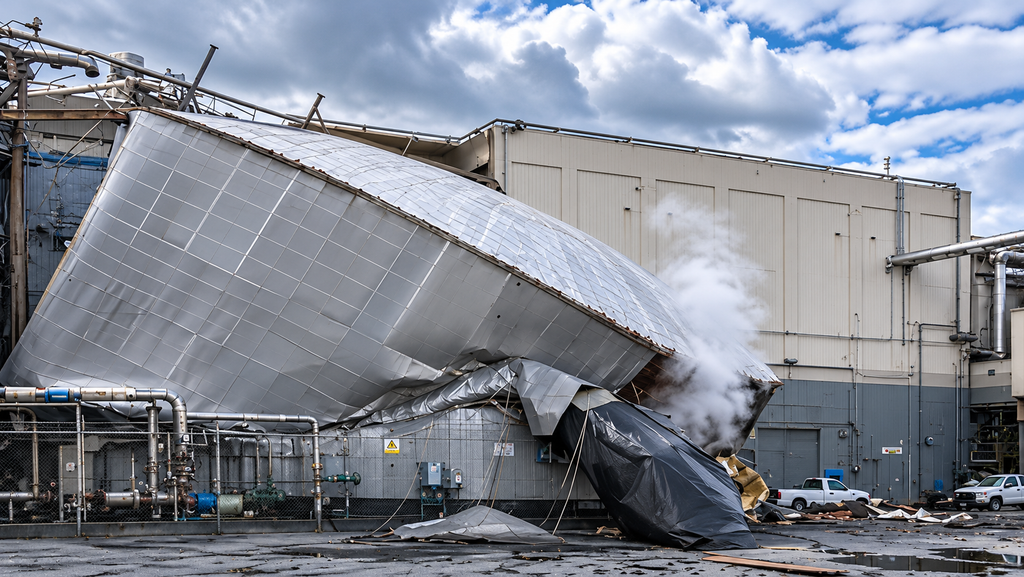
A paper mill in Longview, Washington, faces more than $10 million in state penalties and emergency response costs following a chemical storage tank rupture that killed 11 workers and injured 12 others in May 2026.
State authorities announced their investigation findings on November 20, nearly six months after the incident at the Nippon Dynawave Packaging mill.
The Washington State Department of Labor and Industries issued approximately $9.18 million in workplace safety penalties, the largest such fine in the state’s history.
The Washington State Department of Ecology also imposed $296,500 in environmental penalties and ordered the company to reimburse approximately $665,000 in emergency response costs.
Investigators identify workplace safety violations
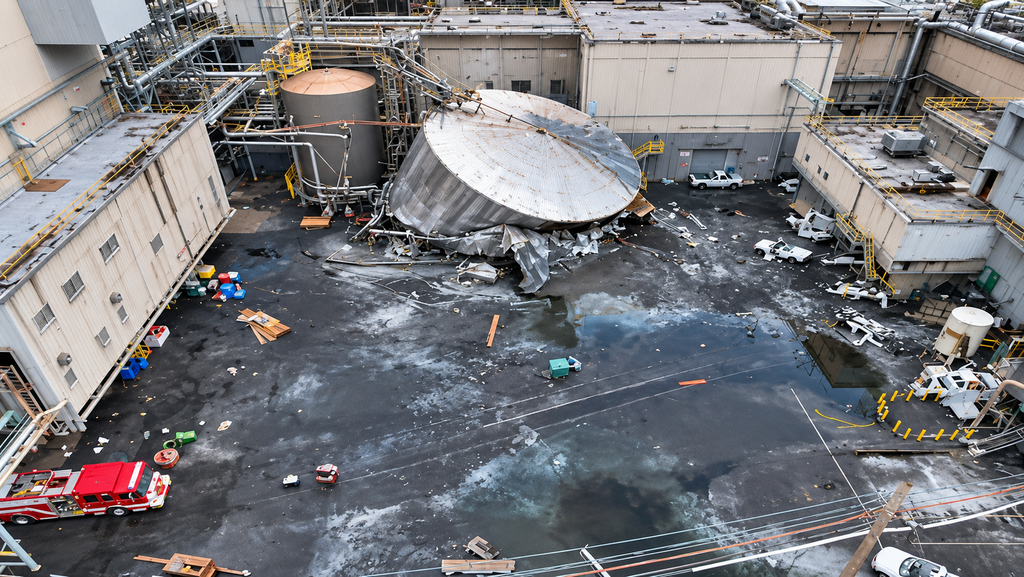
State labor investigators identified 75 workplace safety and health violations following an investigation into the May 26 tank rupture.
According to the department, Nippon Dynawave continued operating the tank for 43 weeks after receiving an inspection report identifying significant deterioration in its walls.
Investigators concluded that the company had not taken sufficient corrective measures to address the identified safety concerns before the tank failed.
The investigation also identified safety deficiencies involving other storage tanks at the facility, along with shortcomings in emergency planning, employee training and response procedures.
The department said it would refer the case to the appropriate authorities for possible criminal prosecution, citing what investigators determined were willful safety violations that contributed directly to the workers’ deaths.
Nippon Dynawave has 15 working days after receiving the citation to appeal the workplace safety findings and penalties.
Environmental penalties and the company’s response
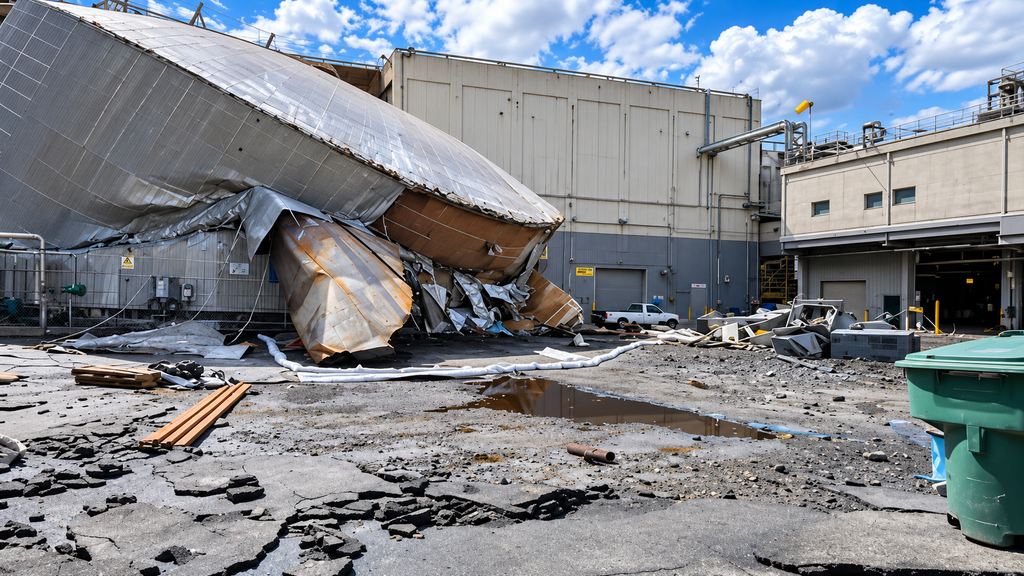
The storage tank held approximately 900,000 gallons of white liquor, a chemical mixture used in the production of paper pulp. Following the rupture, emergency crews responded to chemical contamination at the facility and in surrounding waterways.
The Department of Ecology identified 34 environmental violations connected to the incident and its subsequent investigation, although not all of the violations resulted in financial penalties.
In addition to environmental fines and emergency response costs, the company could face further financial assessments related to damage to natural resources.
In a November 20 statement, Nippon Dynawave disputed the state labor department’s characterization of its actions, saying the investigation omitted important information about the events surrounding the incident.
The company said it intended to address those findings through the appeals process. It was also reviewing the environmental penalties and reimbursement order before determining its next steps.
Nippon Dynawave maintains that the underlying cause of the tank failure remains under investigation and has pledged to continue cooperating with regulatory authorities.
A separate federal investigation by the U.S. Chemical Safety Board remains ongoing, with investigative work expected to continue into 2027.