


Federal court records released on November 23, 2026, reveal that a federal judge required the Justice Department to revise its search procedures before authorizing agents to search the Washington, D.C., home of Democratic Rep. Ilhan Omar of Minnesota.
The documents detail a disagreement between federal prosecutors and U.S. Magistrate Judge Matthew Sharbaugh over constitutional protections afforded to members of Congress.
Prosecutors applied for a search warrant on October 2. Sharbaugh approved the warrant on October 9, and Homeland Security Investigations agents searched Omar’s residence on October 12.
Omar has denied wrongdoing, and no criminal charges against her had been publicly announced as of November 25.
Judge required extra safeguards
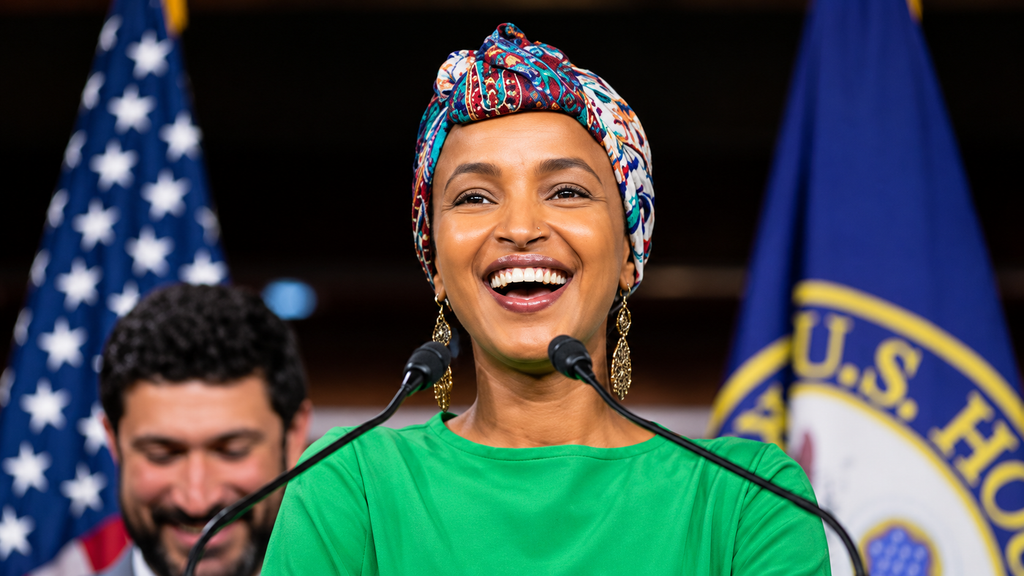
The dispute centered on the Constitution’s Speech or Debate Clause, which provides members of Congress with legal protections for their legislative activities and certain related materials.
Federal prosecutors argued that their investigation concerned Omar’s private conduct rather than her congressional responsibilities. Sharbaugh questioned their interpretation, noting that lawmakers may conduct legislative work at home and store related materials on electronic devices.
The judge also requested further explanations from prosecutors regarding probable cause for two of the offenses under investigation. Prosecutors maintained that their application provided sufficient grounds for the requested search.
Following several revisions, the judge authorized the search with additional safeguards intended to protect constitutionally privileged legislative materials. These measures included allowing Omar to identify materials over which she claimed legislative privilege before investigators searched them.
Sharbaugh also clarified that these constitutional protections do not prevent federal authorities from conducting criminal investigations involving members of Congress.
A separate disagreement concerned the Justice Department’s description of the position taken by House General Counsel Matthew Berry.
Prosecutors subsequently acknowledged that they had misunderstood Berry’s position regarding the application of constitutional protections to lawmakers’ private residences.
Details of investigation remain hidden
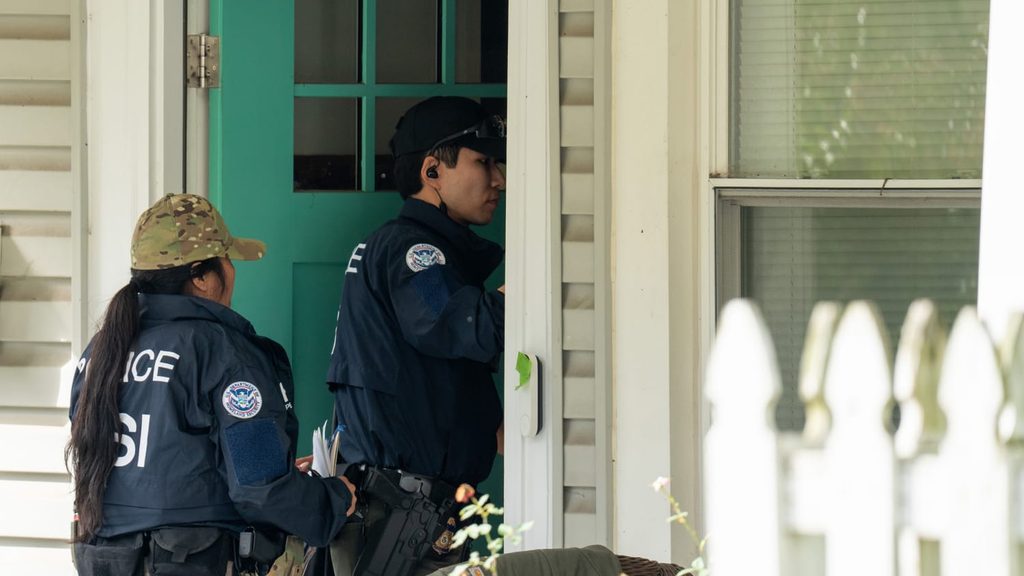
The released court filings show that federal prosecutors sought records dating back to 1980. However, the specific offenses under investigation and the evidence supporting the government’s allegations remain largely undisclosed.
Chief U.S. District Judge James Boasberg ordered the partial release of the court records despite government objections.
Prosecutors had expressed concerns that releasing additional information could affect the ongoing investigation and potential witnesses.
A 67-page affidavit supporting the search warrant remains sealed, along with other sensitive investigative records. Boasberg indicated that additional documents could be released at a later stage.
In a statement issued on October 12, Omar’s office denied wrongdoing and accused the Trump administration of using federal law enforcement against political opponents.
The investigation remains ongoing, and the publicly available court records do not establish that Omar committed a criminal offense.