
1. The Statue of Liberty before it reached America
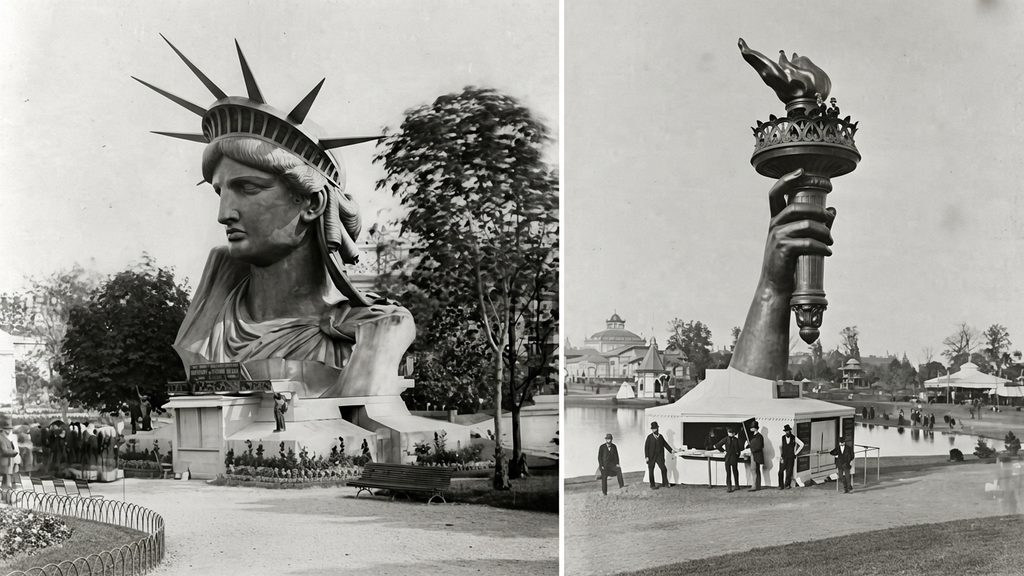
Today, the Statue of Liberty stands proudly in New York Harbor, but its journey began thousands of miles away in France.
Designed by French sculptor Frédéric Auguste Bartholdi, the monument was constructed in sections before being transported across the Atlantic. Historical photographs from Paris reveal the enormous scale of its individual components before they were assembled in New York.
The statue was officially dedicated in 1886 and eventually became one of the most recognizable symbols of freedom in the world.
2. What lies behind Niagara Falls
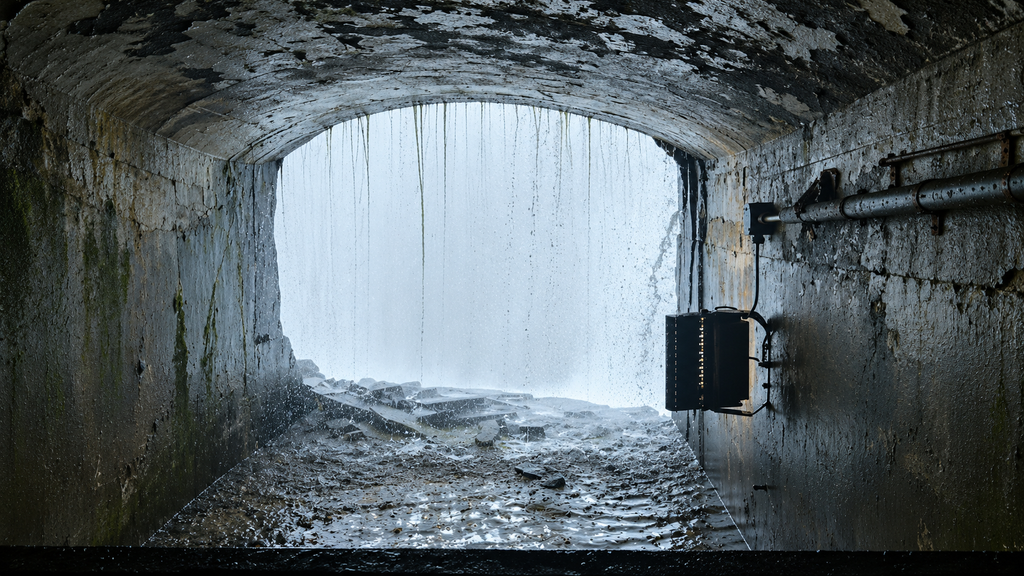
Most visitors experience Niagara Falls from observation platforms or boats traveling near the waterfalls. However, on the Canadian side, a network of tunnels provides an entirely different perspective.
The Journey Behind the Falls attraction allows visitors to experience the enormous volume of water passing directly in front of openings in the rock.
From this unusual viewpoint, the famous waterfall resembles a constantly moving curtain of water, accompanied by the powerful sound of the Niagara River.
3. How the original Star Wars opening crawl was filmed
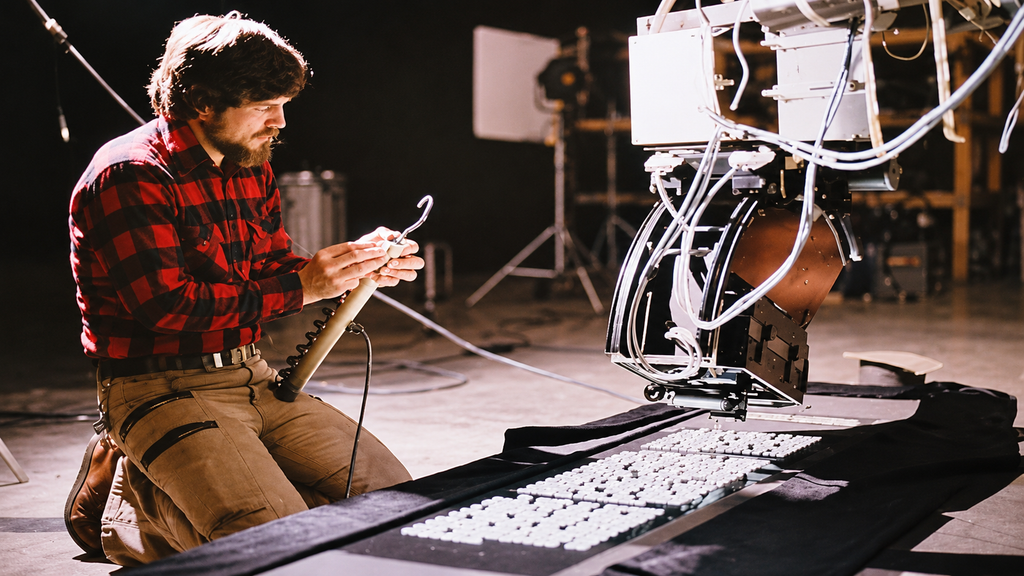
The opening crawl of Star Wars is one of the most recognizable introductions in movie history, but when the original film was released in 1977, filmmakers did not have access to the advanced digital animation tools available today.
Instead, the visual effects team used physical lettering and carefully controlled camera movements to create the illusion of text disappearing into space.
Behind-the-scenes photographs featuring visual effects artist Richard Edlund reveal the practical filmmaking techniques that helped create this iconic sequence.
4. Jupiter’s south pole looks surprisingly different
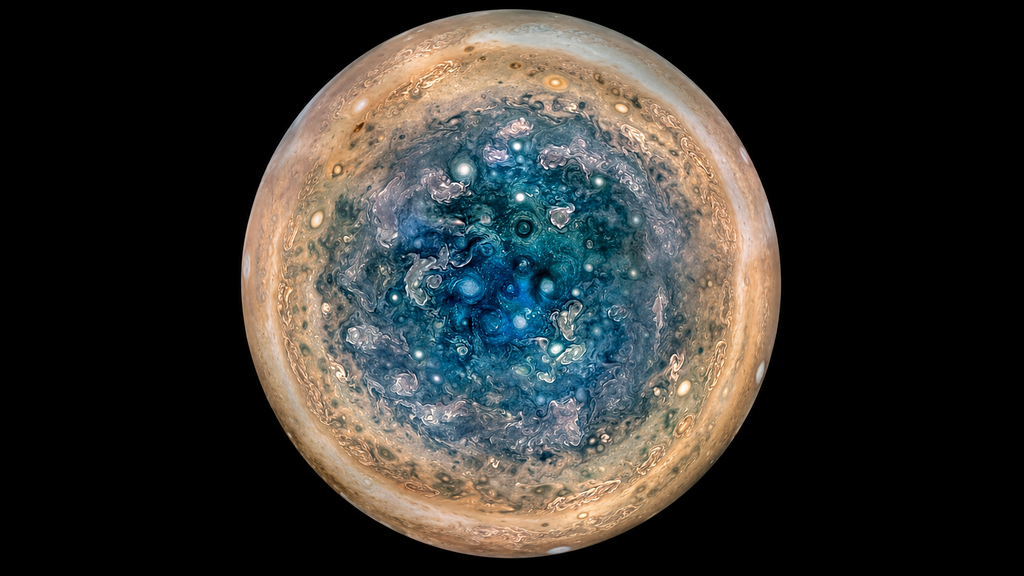
Jupiter is usually pictured with its familiar orange and white atmospheric bands and enormous Great Red Spot. However, photographs captured by NASA’s Juno spacecraft reveal a very different appearance when the planet is viewed from above its south pole.
Instead of the familiar horizontal bands, the region contains numerous swirling storms and complex cloud formations.
Scientists use enhanced images to highlight atmospheric details, helping them study the behavior of the largest planet in our solar system.
5. The hidden tail of the Great Sphinx of Giza
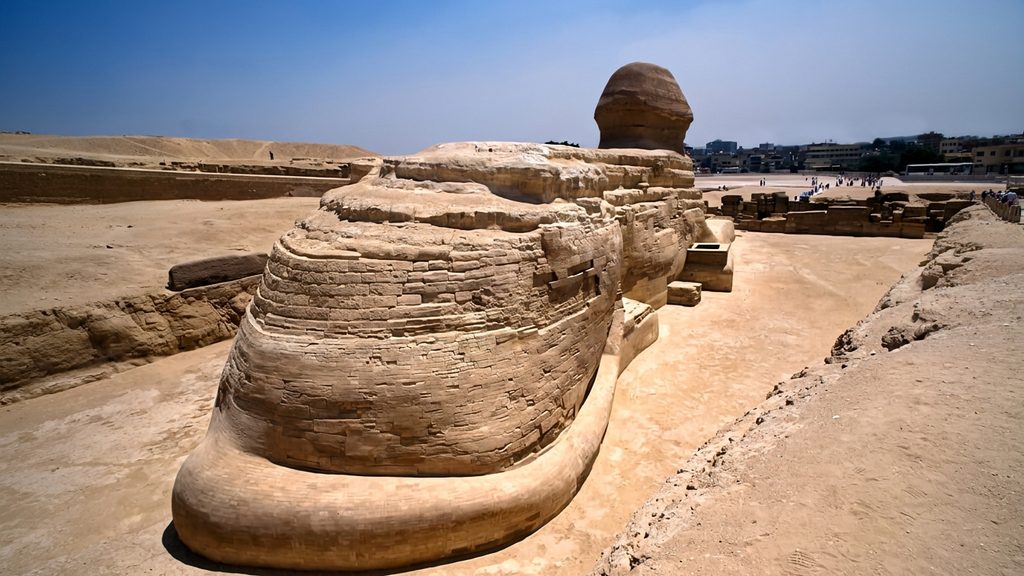
The Great Sphinx of Giza is usually photographed from the front, emphasizing its enormous human head and lion’s body. Walking around the ancient Egyptian monument reveals a detail that rarely appears in popular photographs: its long stone tail.
The tail curves around the sculpture’s hindquarters, completing the representation of a reclining lion.
This unusual perspective provides a better appreciation of the monument’s overall design and the craftsmanship of ancient Egyptian builders.
6. The real woman behind the Columbia Pictures logo
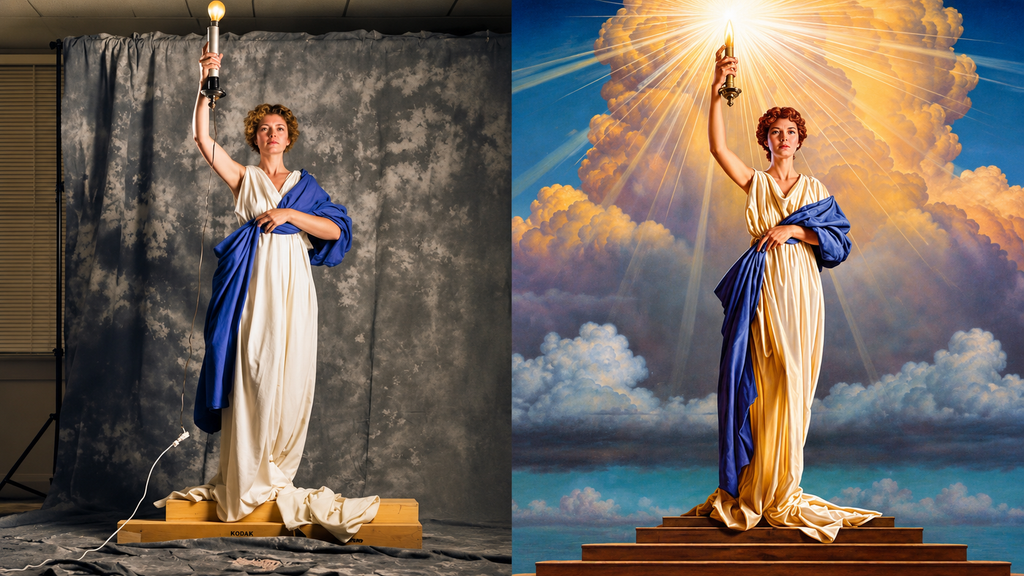
Millions of moviegoers recognize the woman holding a glowing torch at the beginning of Columbia Pictures films.
The modern version of the logo was created using photographs of Jenny Joseph, who posed for the reference images in 1992.
Artist Michael Deas used those photographs to develop the familiar painted image.
Although Columbia Pictures had used a torch-bearing woman in its branding for decades, Joseph became the model behind one of its most recognizable modern designs.
7. The Beatles preparing for their Abbey Road album cover
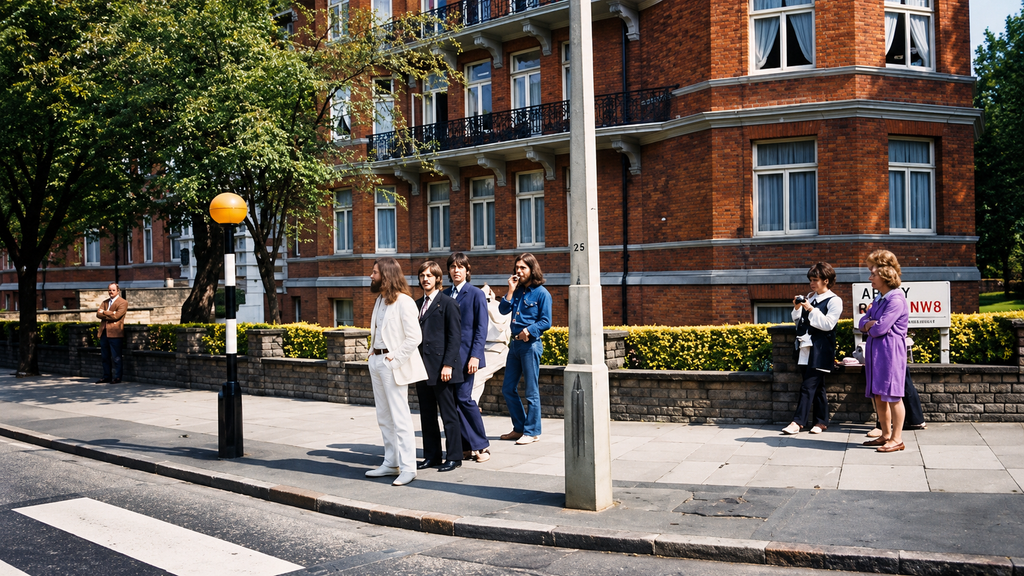
The photograph of the Beatles crossing Abbey Road in London became one of the most famous album covers in music history.
The original photoshoot took place on August 8, 1969, outside the recording studio where the band had worked extensively.
Photographer Iain Macmillan captured several images as the musicians walked across the pedestrian crossing.
Behind-the-scenes photographs show the band preparing for what was a relatively brief photoshoot that would eventually turn an ordinary London street into a major tourist attraction.
8. The inside of the Leaning Tower of Pisa
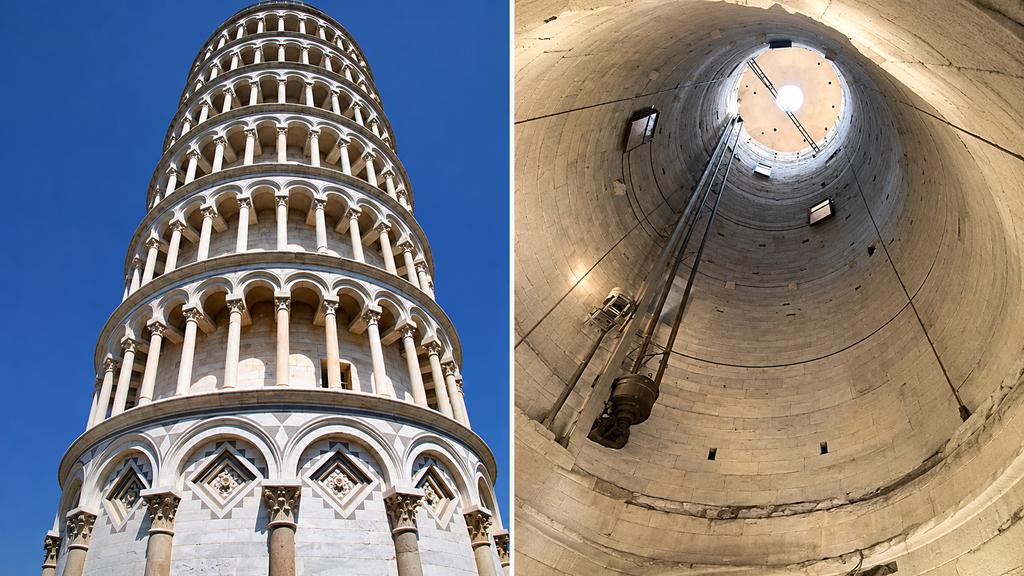
The Leaning Tower of Pisa attracts visitors because of its unusual angle and elaborate marble exterior. However, photographs taken inside the tower reveal a surprisingly open central space surrounded by thick stone walls.
A staircase runs within the structure, allowing visitors to climb toward the upper levels. Originally constructed as a bell tower, the landmark began leaning because its foundation rested on unstable ground.
Its unusual appearance eventually became the defining feature of one of Italy’s most famous architectural attractions.
9. The Sydney Opera House from directly above
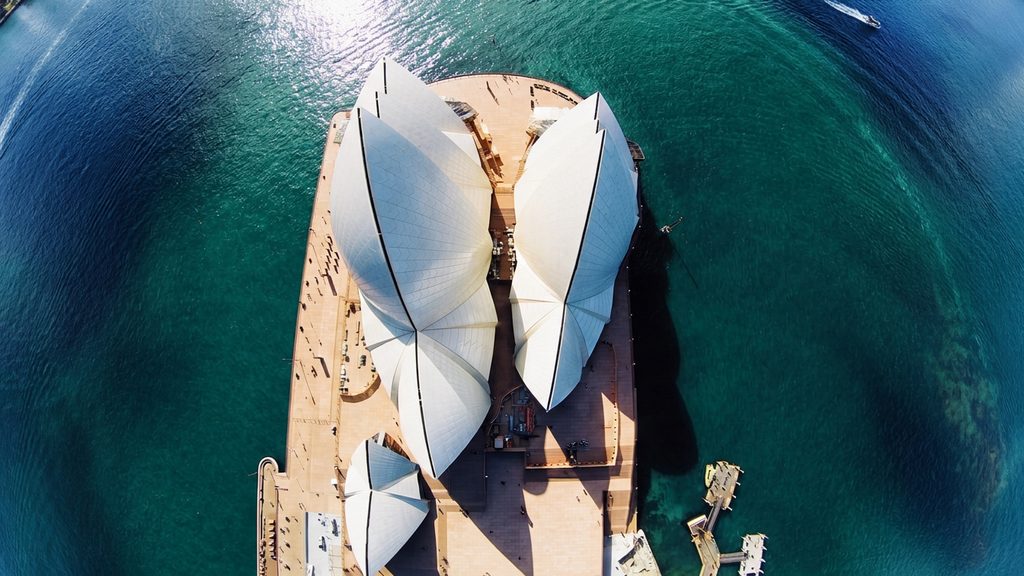
The Sydney Opera House is instantly recognizable from the waterfront, where its distinctive white roofs resemble sails rising above the harbor.
From directly above, however, the building takes on a completely different appearance.
An aerial perspective reveals how its curved roof structures fit together and how the different sections occupy the peninsula.
Designed by Danish architect Jørn Utzon, the performing arts center officially opened in 1973 and remains one of the most celebrated examples of modern architecture.
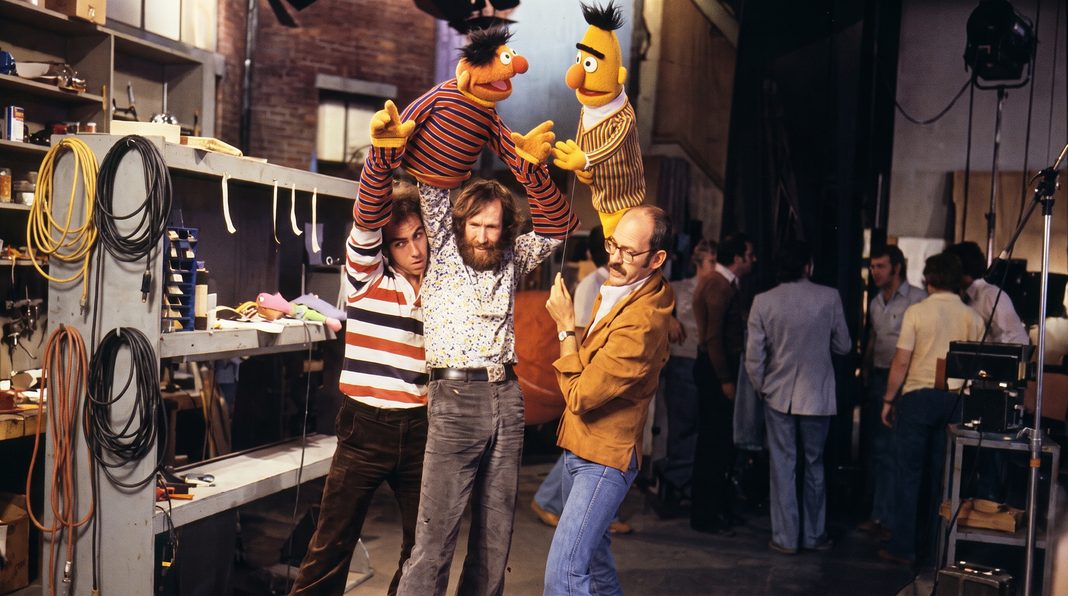
10. How Sesame Street puppets come to life
The characters of Sesame Street have entertained and educated generations of children since the television program premiered in 1969.
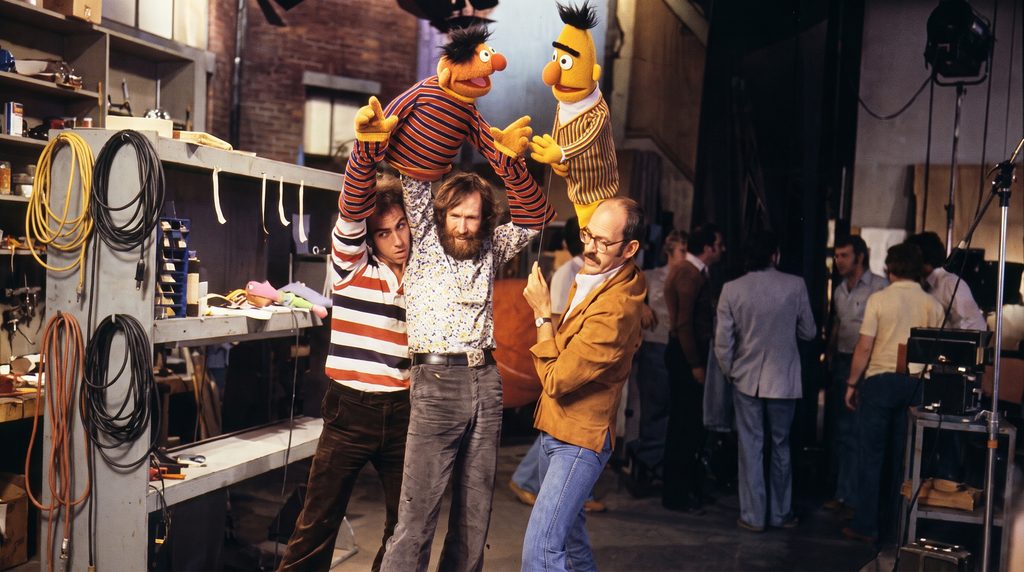
Behind-the-scenes photographs reveal the performers responsible for bringing these familiar characters to life.
Depending on the puppet, performers may use their hands, control rods or coordinated movements with other puppeteers to create expressions and gestures.
Jim Henson and his collaborators helped develop the distinctive style of puppetry that became central to the show’s identity and success.
11. How Elf made Buddy look so much taller
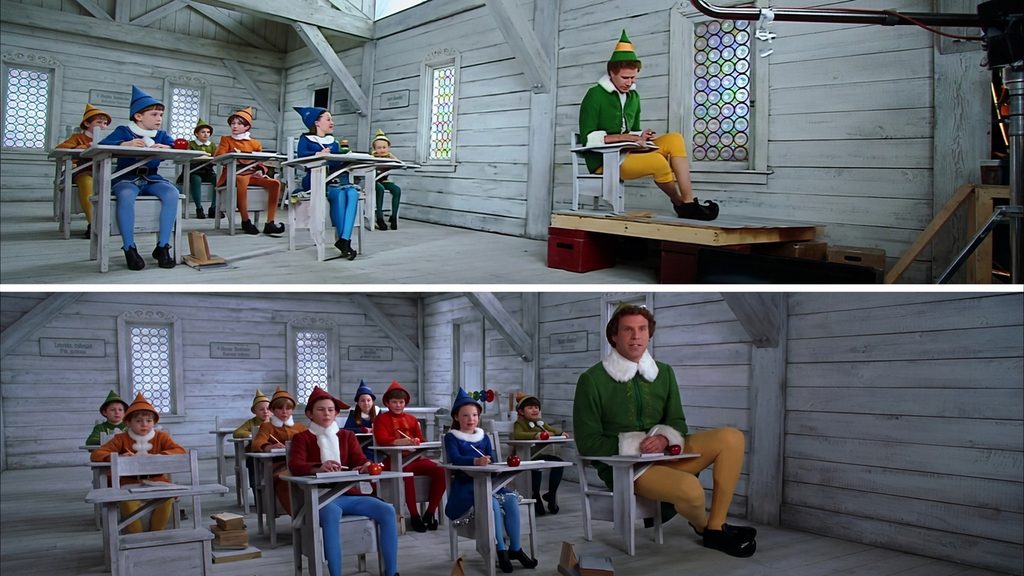
In the 2003 Christmas movie Elf, Will Ferrell’s character appears enormous compared with the elves working at the North Pole.
One of the techniques used to create this effect was forced perspective. By carefully positioning actors, furniture and cameras at different distances, filmmakers could make people appear larger or smaller than they actually were.
Behind-the-scenes photographs reveal how ordinary objects and clever set construction helped create a convincing fictional world without relying entirely on digital effects.
12. Michelangelo’s David protected during World War II
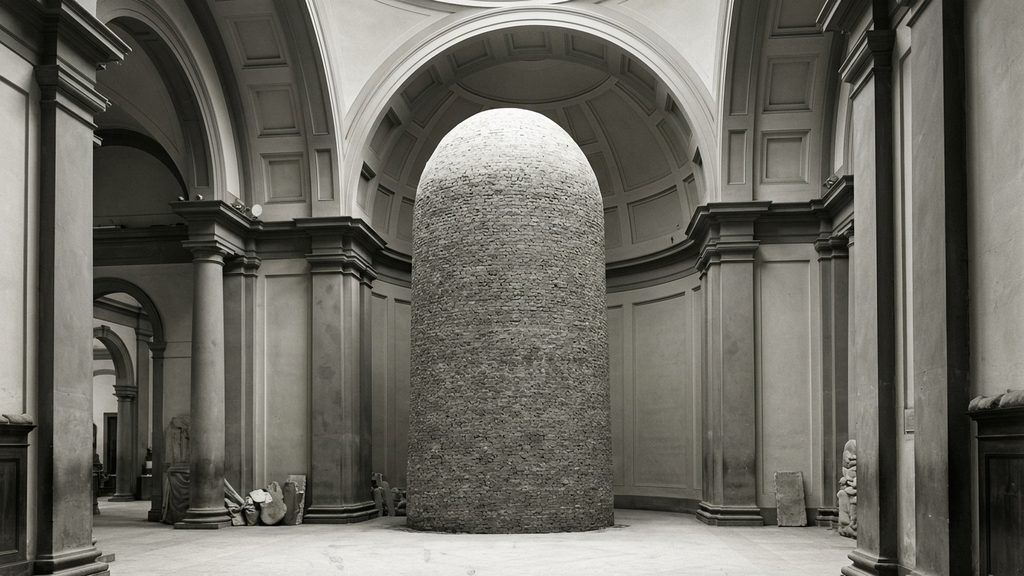
Michelangelo’s David is one of the most important sculptures of the Italian Renaissance. Created between 1501 and 1504, the marble masterpiece stands more than 17 feet tall.
During World War II, Italian authorities took extraordinary measures to protect valuable works of art from potential damage. Historical photographs show David surrounded by a protective brick enclosure designed to shield the sculpture.
The images reveal the lengths to which museum officials went to preserve irreplaceable cultural treasures during wartime.
13. The Washington Monument standing unfinished
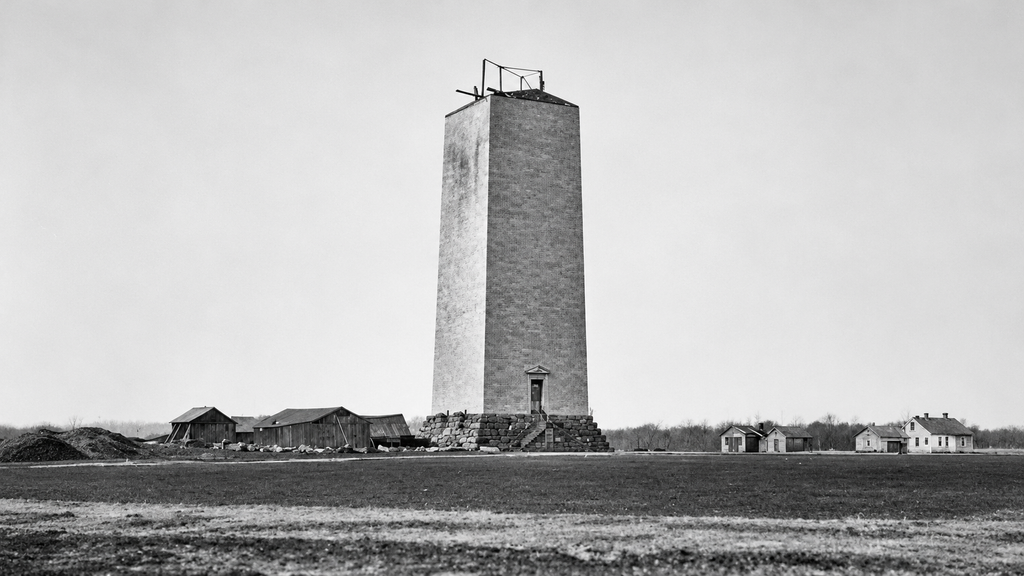
The Washington Monument appears to be a single, carefully planned structure, but its construction was interrupted for more than two decades.
Work began in 1848 before financial difficulties, political disputes and the American Civil War contributed to a lengthy delay.
Historical photographs show the monument standing incomplete, looking considerably different from the landmark that dominates Washington, D.C., today.
Construction eventually resumed, and the monument was completed in 1884.
A slight change in the color of its stone remains visible, reflecting the interruption in its construction.
14. The back of Tutankhamun’s golden mask
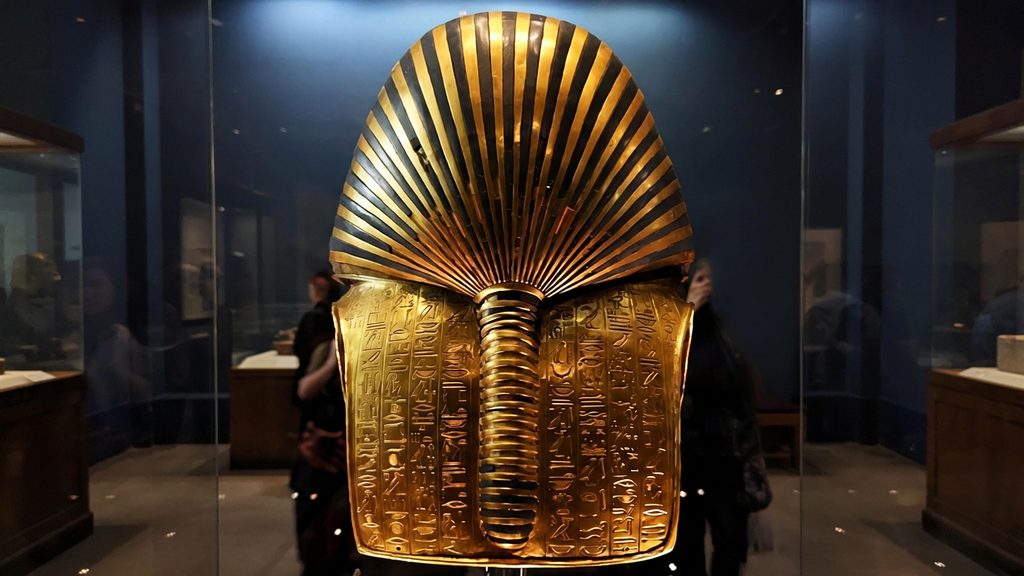
The golden funerary mask of Egyptian pharaoh Tutankhamun is usually photographed from the front.
Its recognizable face, striped headdress and decorative details have become closely associated with ancient Egyptian civilization. However, the back of the mask also contains remarkable craftsmanship, including carefully arranged hieroglyphic inscriptions.
These inscriptions include protective funerary texts connected with ancient Egyptian beliefs about the afterlife.
The alternative perspective reveals that the mask was designed as a significant religious object, not simply an impressive decorative portrait.
15. The Stay Puft Marshmallow Man behind the scenes
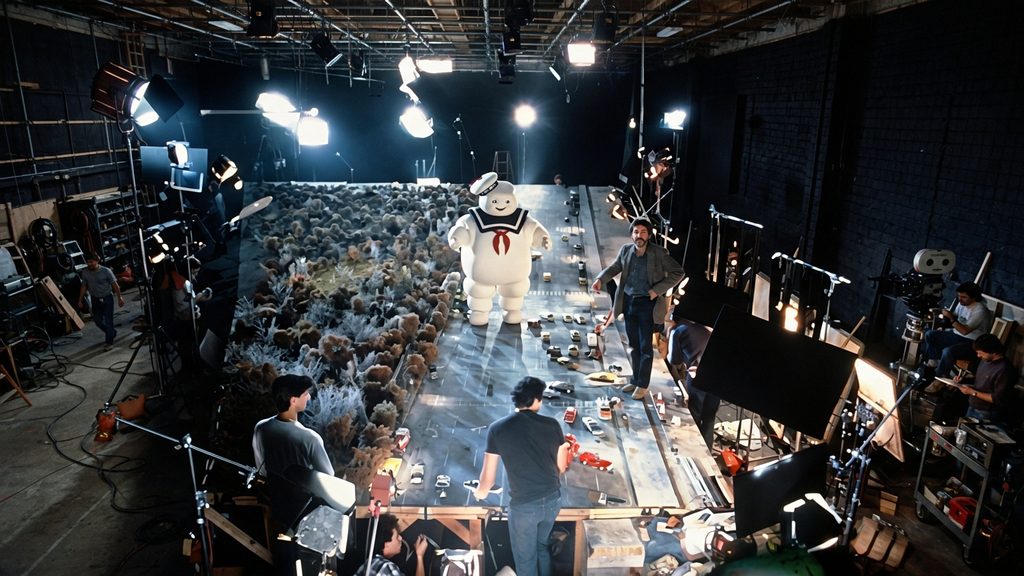
The giant Stay Puft Marshmallow Man became one of the most memorable characters in the original 1984 movie Ghostbusters.
On screen, the character appeared to tower over the streets of Manhattan. Behind the scenes, filmmakers achieved much of the effect using practical costumes, miniature buildings and carefully arranged camera angles.
Photographs from the production reveal how a relatively small filming environment could be transformed into a convincing large-scale city scene.
The techniques remain an interesting example of Hollywood special effects before computer-generated imagery became widespread.
16. Bob Ross before his famous hairstyle
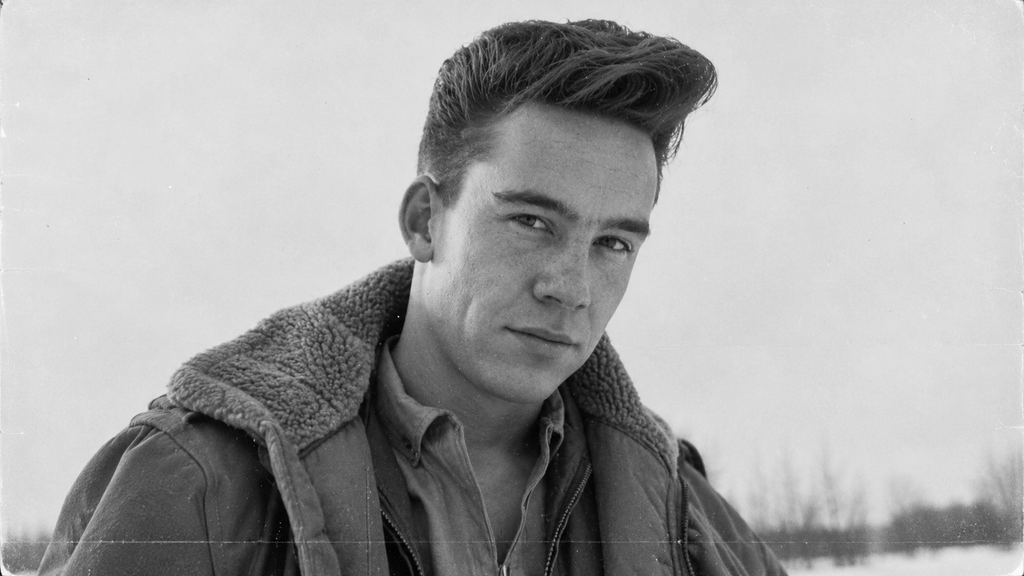
Bob Ross became instantly recognizable through his gentle voice, landscape paintings and distinctive curly hairstyle. However, photographs from earlier in his life show the television artist with a very different appearance.
Before becoming the host of The Joy of Painting, Ross spent approximately two decades serving in the United States Air Force. His signature hairstyle became part of his public image after he entered the art business.
These earlier photographs provide a glimpse into the life of the man who would later introduce millions of television viewers to landscape painting.
17. A wider view of the Taj Mahal and Agra

The Taj Mahal is typically photographed from its formal gardens, with its white marble architecture perfectly framed by symmetrical pathways.
A wider perspective reveals the relationship between the monument and the surrounding city of Agra.
Construction of the mausoleum began in 1632 under Mughal emperor Shah Jahan, who commissioned it in memory of his wife, Mumtaz Mahal.
Photographs taken from outside the traditional tourist viewpoints provide a better understanding of how this historic architectural masterpiece exists alongside a living, modern city.
18. The MGM lion getting ready for the camera
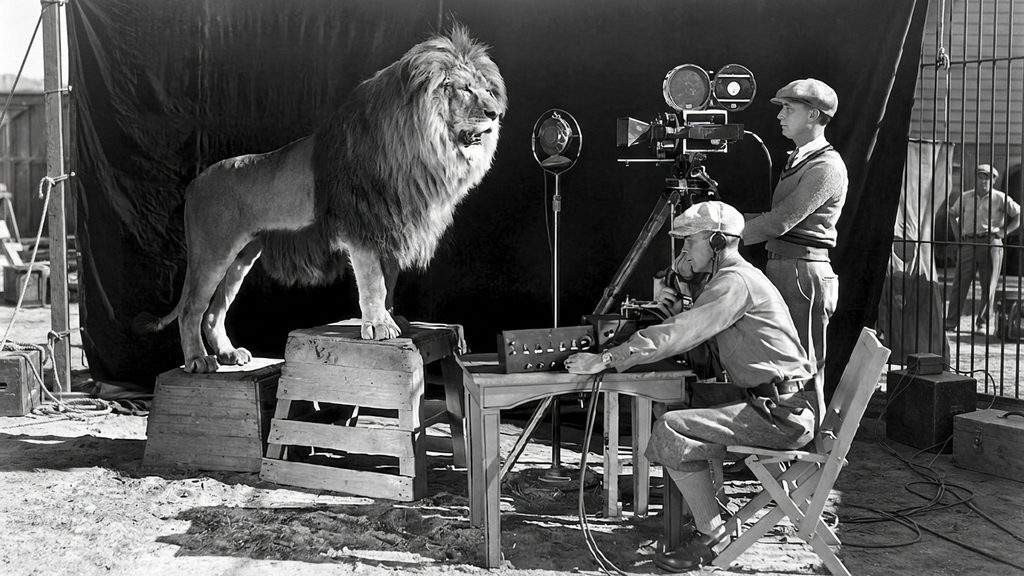
The roaring lion associated with Metro-Goldwyn-Mayer has introduced audiences to countless Hollywood movies.
An archival photograph from 1928 shows a lion named Jackie being filmed and recorded for the studio’s famous opening sequence. Cameras and sound recording equipment can be seen positioned in front of the animal.
Although the studio’s mascot is collectively known as Leo the Lion, several different lions appeared in MGM’s branding over the years. The photograph captures an unusual moment from the early development of sound in cinema.
19. Neil Armstrong’s family watching the Apollo 11 launch
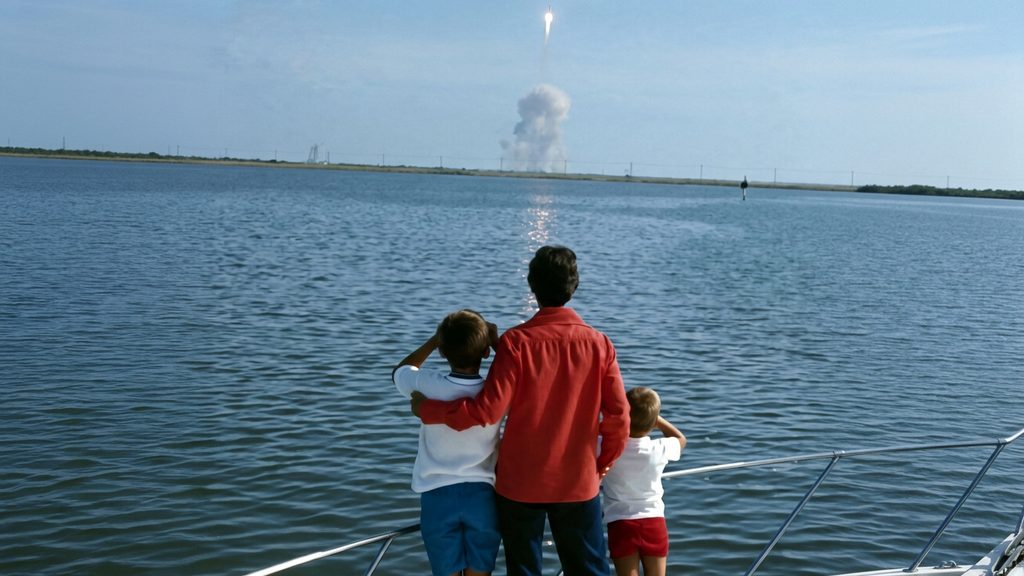
The launch of Apollo 11 on July 16, 1969, was one of the most significant moments in space exploration history.
While audiences around the world followed the mission through television coverage, Neil Armstrong’s family experienced the event from a different perspective.
A historical photograph attributed to the occasion shows members of his family watching the launch from a waterfront location.
The image offers a personal perspective on a mission that would eventually lead to Armstrong becoming the first person to walk on the Moon.
20. Central Perk from an overhead perspective
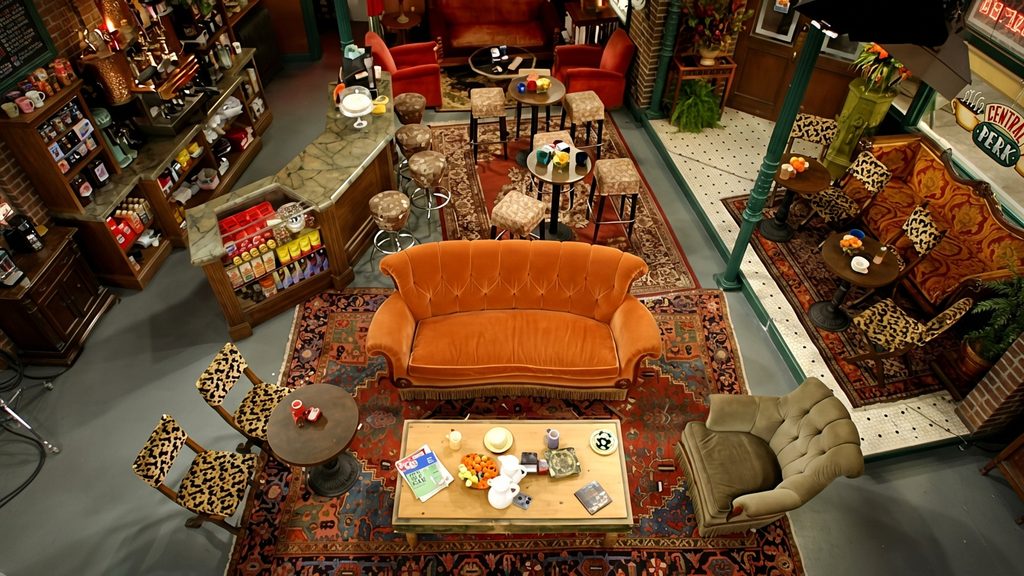
Central Perk became one of television’s most recognizable fictional coffee shops through the sitcom Friends. Viewers became familiar with its orange couch, coffee counter and arrangement of tables during the show’s ten seasons.
An overhead perspective reveals how the furniture and surrounding spaces were arranged within the television set. Unlike an ordinary coffee shop, the layout also needed to accommodate cameras, lighting equipment and production staff.
The unusual viewpoint offers a glimpse into the practical design behind a familiar television setting.
21. The original Batman and Robin’s practical special effects
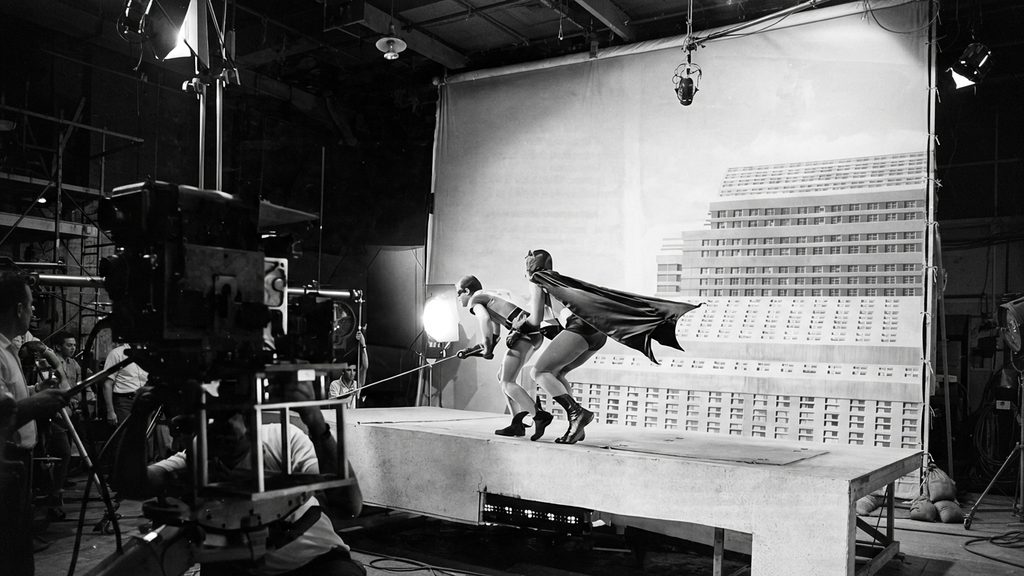
The 1960s Batman television series relied on colorful costumes, creative sets and deliberately exaggerated action sequences.
Behind-the-scenes photographs reveal how some of its visual effects were achieved using relatively simple production techniques. Even something as straightforward as positioning Batman’s cape could require assistance from the crew.
The images provide a nostalgic reminder of an era when practical effects and creative camera work played a central role in bringing comic book characters to television.
22. A restaurant overlooking the pyramids of Giza
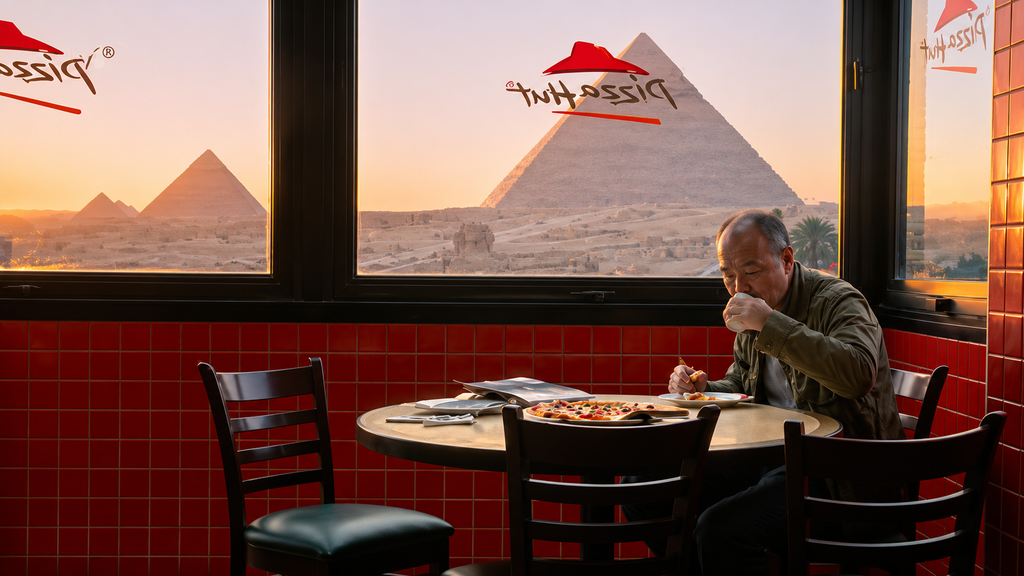
Photographs of the Egyptian pyramids often create the impression that the monuments stand in complete isolation within an endless desert.
In reality, the Giza pyramid complex sits close to a densely developed urban area. One unusual perspective shows the ancient monuments from a restaurant overlooking the archaeological site.
The contrast between modern businesses and structures built thousands of years ago illustrates how contemporary life and ancient history exist alongside each other in Egypt.
23. The audience’s perspective during the Challenger disaster
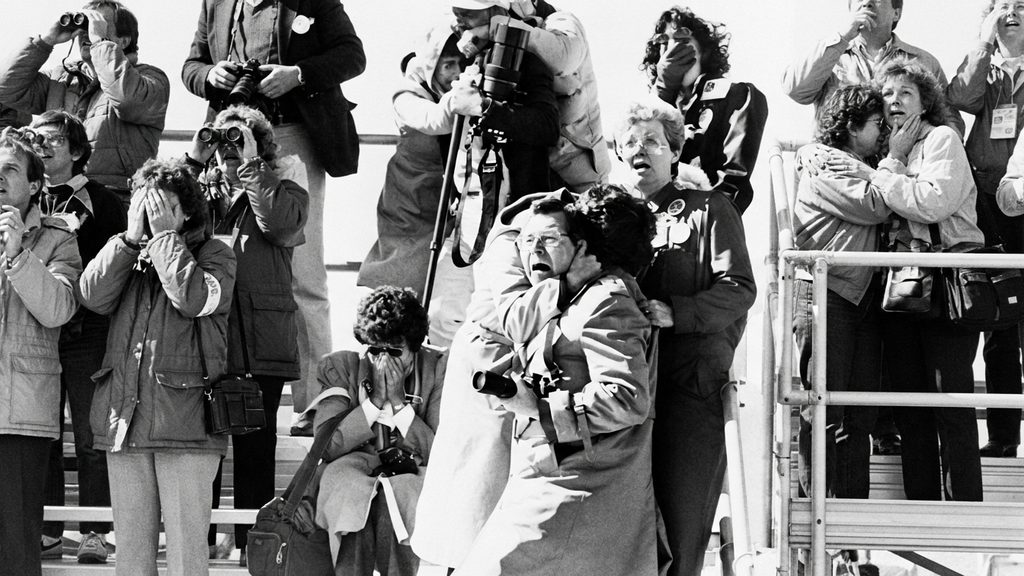
On January 28, 1986, the Space Shuttle Challenger was lost shortly after launching from Florida, claiming the lives of all seven crew members.
Many historical photographs focus on the shuttle itself, but images of spectators provide another perspective on the tragedy. These photographs document the reactions of people who had gathered to witness the launch.
They serve as a solemn reminder of the human impact of the disaster and the risks associated with space exploration.
24. Mount St. Helens erupting in 1980
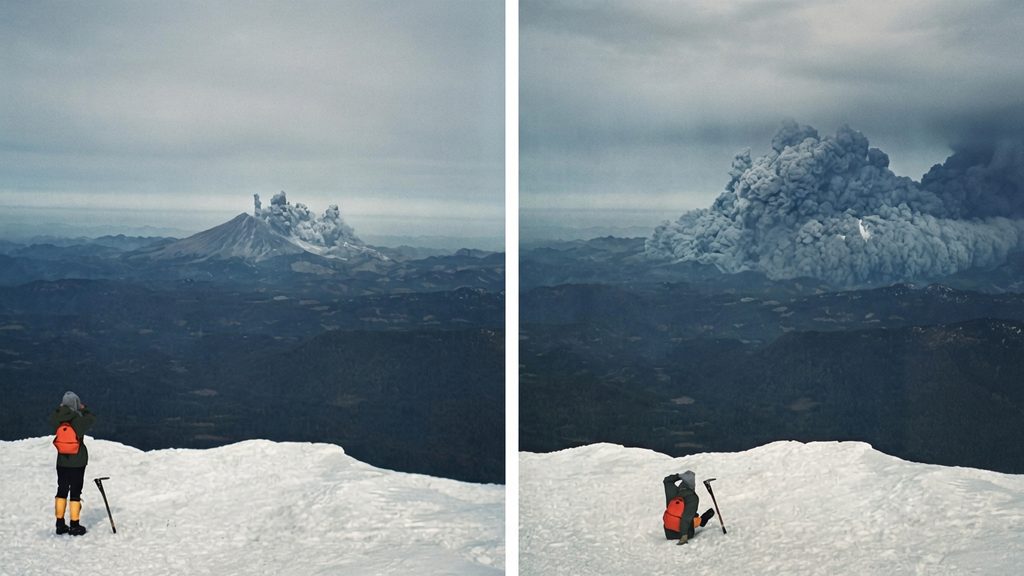
The eruption of Mount St. Helens on May 18, 1980, dramatically transformed the surrounding landscape in Washington state.
Photographs taken from surrounding areas show enormous clouds of volcanic ash rising above the mountain.
One widely circulated image attributed to the eruption shows a hiker observing the event from a distance. The eruption claimed 57 lives and caused extensive environmental damage.
Historical photographs continue to document the scale of one of the most significant volcanic events in modern American history.
25. The back of the famous Price Is Right wheel
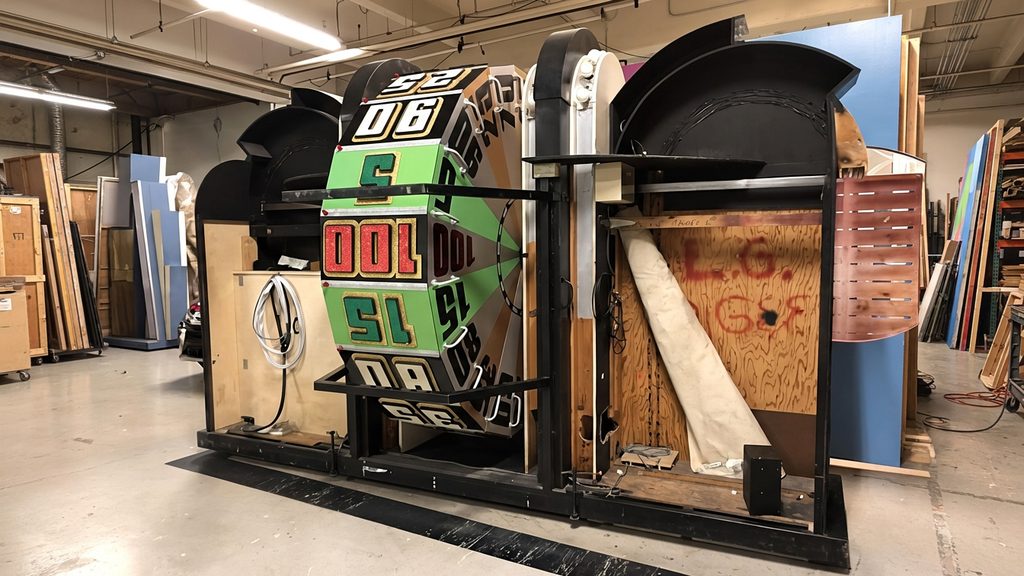
For generations of television viewers, the colorful Big Wheel has been one of the defining features of The Price Is Right.
From the audience’s perspective, it appears as a polished and carefully decorated piece of television equipment.
A photograph taken from behind the wheel reveals a much more practical construction, including the framework supporting its familiar exterior.
The difference illustrates how television props are often designed primarily around the surfaces that viewers see on camera.
26. The creature from Alien 3 between scenes
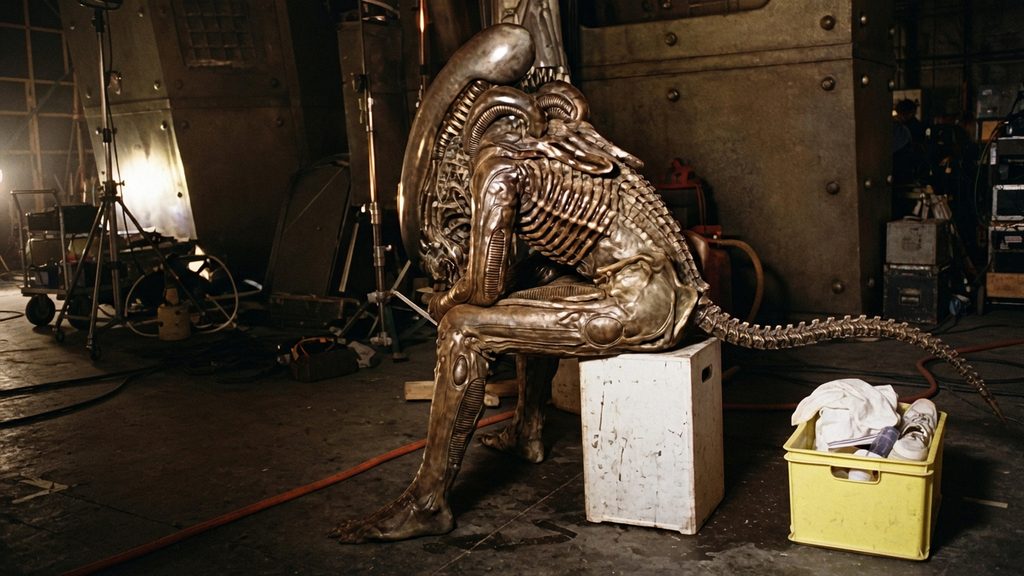
The fictional creatures featured in the Alien movie franchise became famous for their distinctive appearance and unsettling movements.
During the production of Alien 3, released in 1992, filmmakers used a combination of practical creature effects, puppetry and visual effects.
Behind-the-scenes photographs reveal the work involved in bringing the fictional creatures to life.
Without the dramatic lighting, editing and sound effects of the finished movie, these designs provide an interesting look at the craftsmanship behind science fiction filmmaking.
27. What a frog looks like from underneath
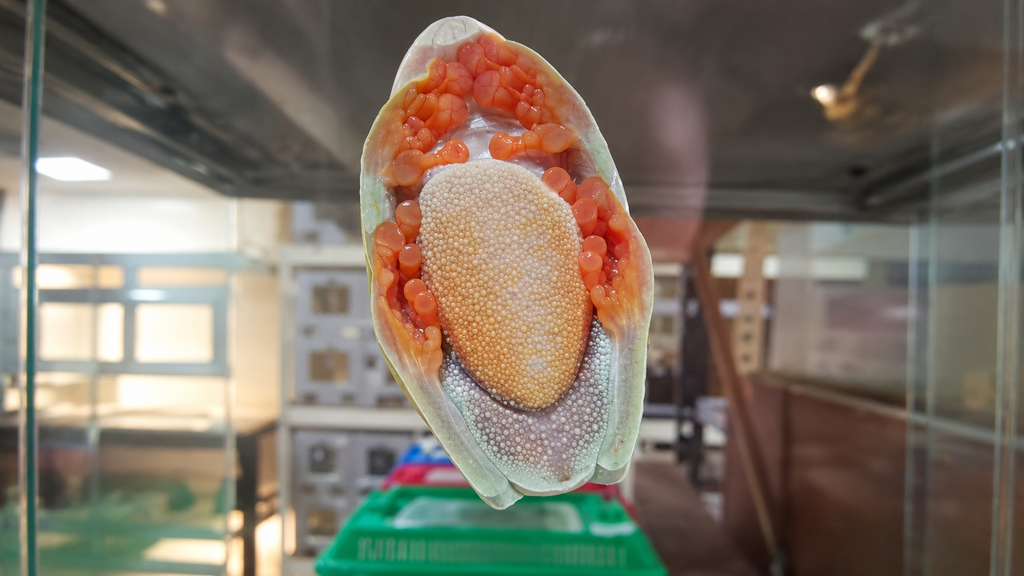
Most photographs of frogs emphasize their large eyes, distinctive skin and powerful hind legs.
Viewing a frog from underneath reveals different anatomical features, including the shape of its abdomen and the arrangement of its limbs.
Depending on the species, the underside may also have different colors or patterns from the rest of the body.
This simple change in perspective demonstrates how much of an animal’s appearance can remain unnoticed when it is photographed only from familiar angles.
28. Michael Richards preparing to play Kramer
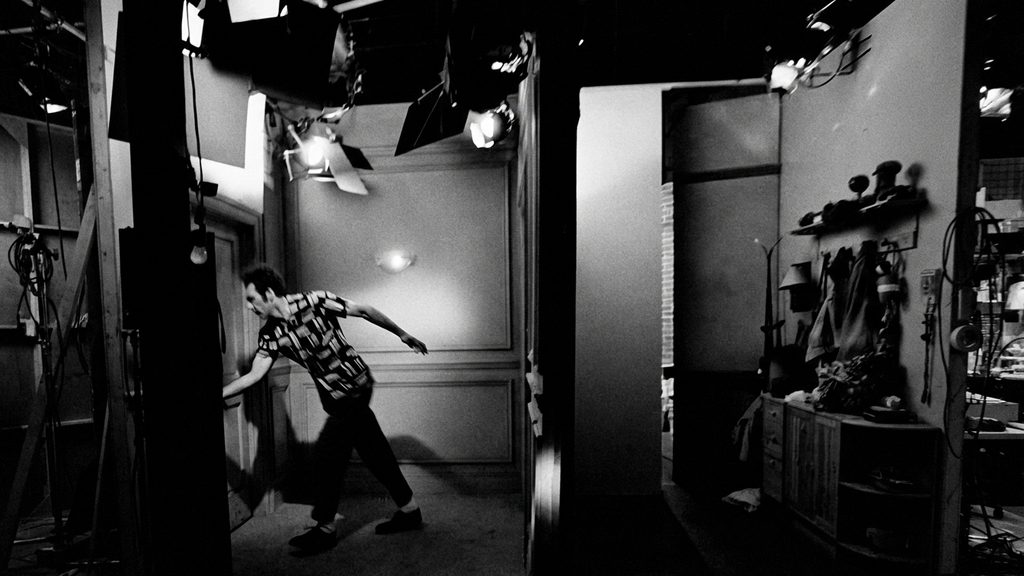
Michael Richards became widely recognized for playing the energetic and unpredictable Cosmo Kramer in Seinfeld.
Much of the character’s humor came from physical comedy, including exaggerated movements, distinctive gestures and dramatic entrances.
A behind-the-scenes photograph attributed to the sitcom’s production offers a glimpse of Richards away from the finished television scene.
It highlights an often overlooked part of comedy: the physical performance and preparation involved in creating a memorable character.
29. The Statue of Liberty from directly above
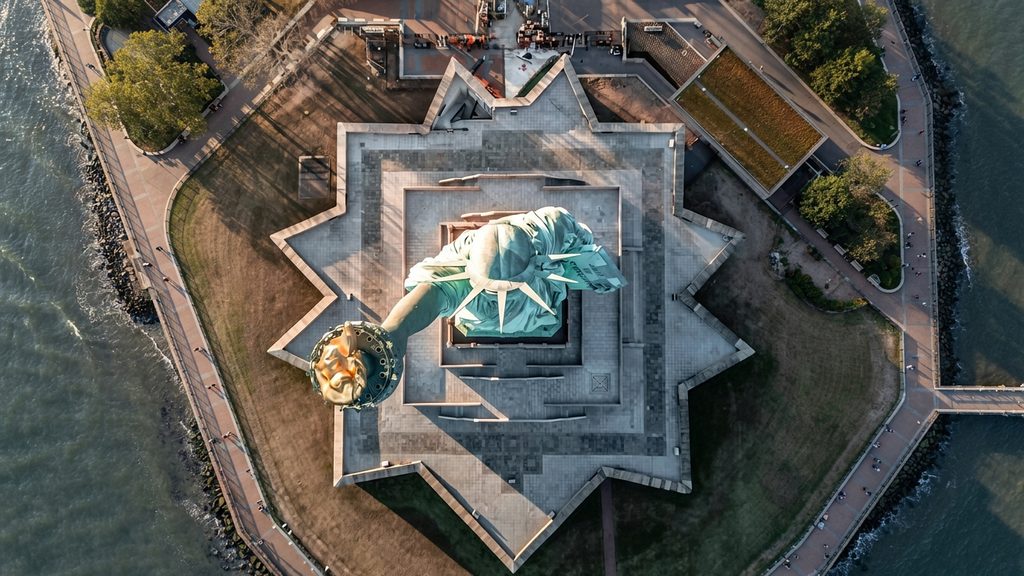
Most photographs of the Statue of Liberty are taken from boats, observation areas or the surrounding waterfront.
An overhead photograph reveals the unusual geometry of the monument’s crown, raised torch and flowing robes.
It also provides a different view of the pedestal and the star-shaped structure surrounding its base.
The statue’s height from ground level to the tip of its torch is approximately 305 feet, making its scale particularly impressive when viewed from the air.
30. What is on the back of the Mona Lisa
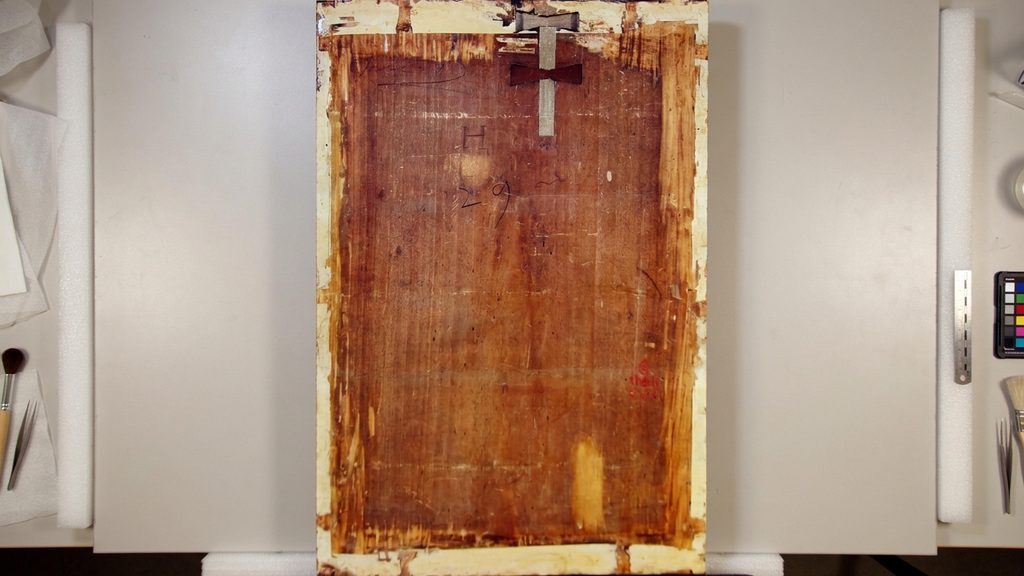
Leonardo da Vinci’s Mona Lisa is arguably the world’s most recognizable portrait.
While millions of visitors have admired its painted surface at the Louvre in Paris, the reverse side receives considerably less attention. Unlike many later paintings, the Mona Lisa was painted on a wooden panel rather than canvas.
Views of the reverse side reveal aspects of its physical construction and conservation that are normally hidden from museum visitors. For art historians and conservators, these details can be just as valuable as the visible painting.
31. The story behind Lunch Atop a Skyscraper
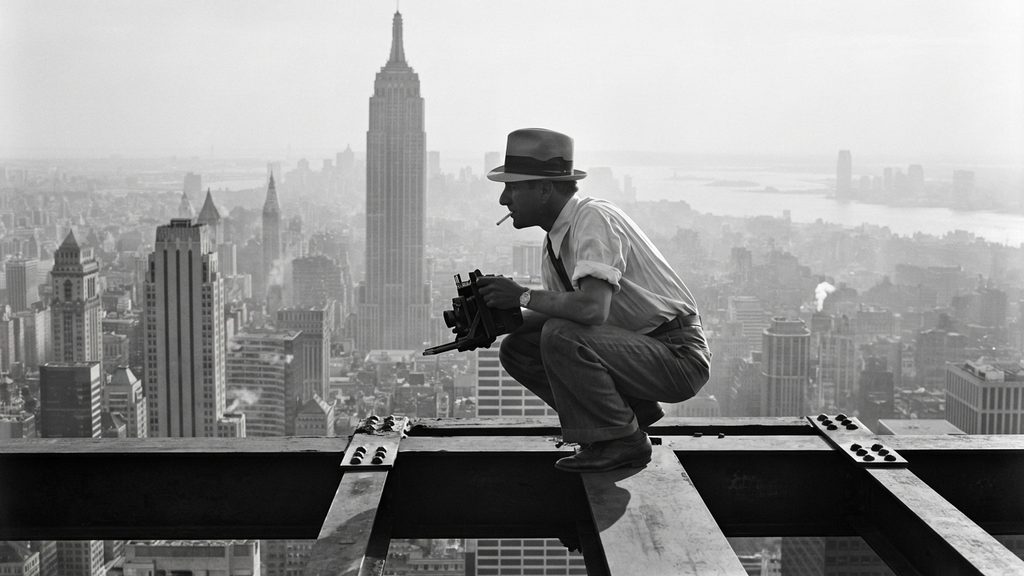
The famous 1932 photograph Lunch Atop a Skyscraper shows 11 construction workers sitting on a steel beam high above New York City.
It was taken during the construction of Rockefeller Center and became an enduring image of American industrial history.
Other photographs from the period reveal the extraordinary working environments of skyscraper construction crews and the photographers documenting them.
Although Charles C. Ebbets has frequently been associated with the famous photograph, its exact authorship remains uncertain.
32. A toucan photographed from the front
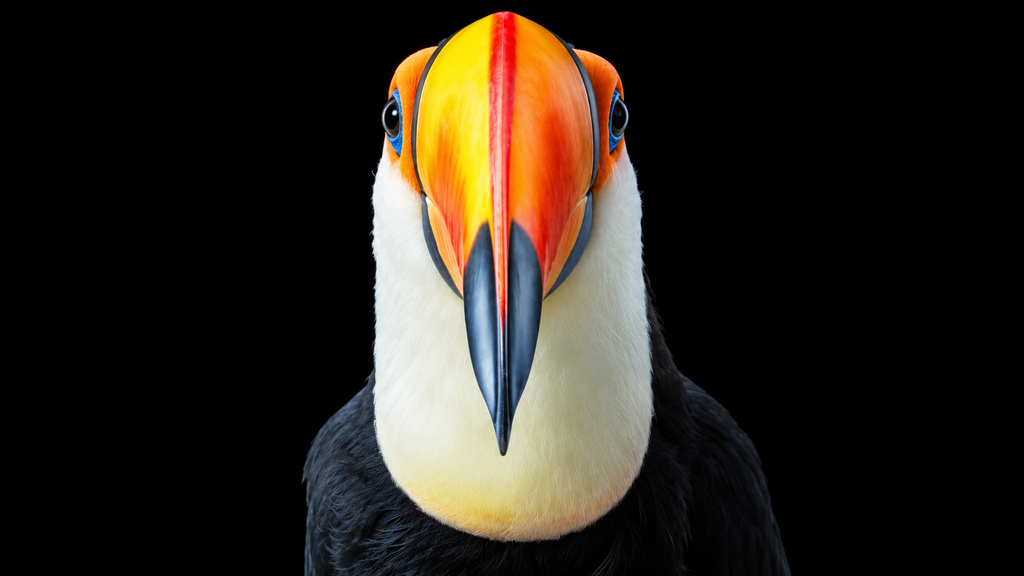
Toucans are usually photographed from the side to emphasize their enormous and often brightly colored bills.
A front-facing photograph creates a surprisingly different appearance, making the bill look much narrower than it does in profile. The bill serves several functions, including helping the bird reach food and regulate body temperature.
Despite its considerable size, a toucan’s bill is relatively lightweight. The unusual perspective provides an interesting example of how camera angles can change our perception of familiar wildlife.
33. The studio-built sewer tunnels from It
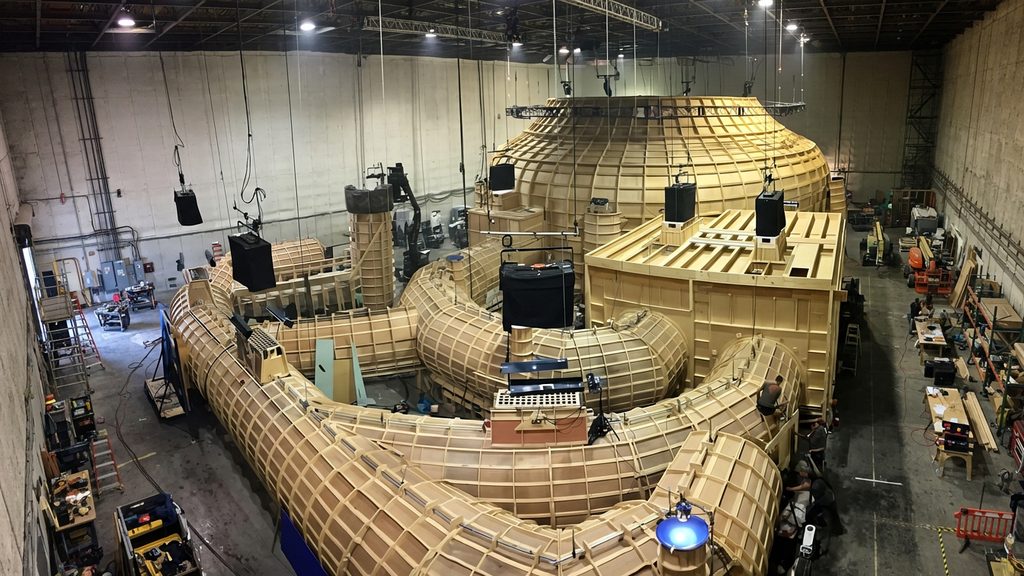
The sewer tunnels featured in the horror movie It helped create the unsettling atmosphere surrounding the fictional town of Derry.
Behind-the-scenes photographs reveal how constructed sets were used to represent these underground environments.
Production designers created convincing surfaces, passageways and architectural details that could be filmed under carefully controlled conditions.
Without the finished movie’s lighting and sound effects, the sets provide a fascinating look at the technical work involved in creating fictional locations.
34. Queen filming the Bohemian Rhapsody music video
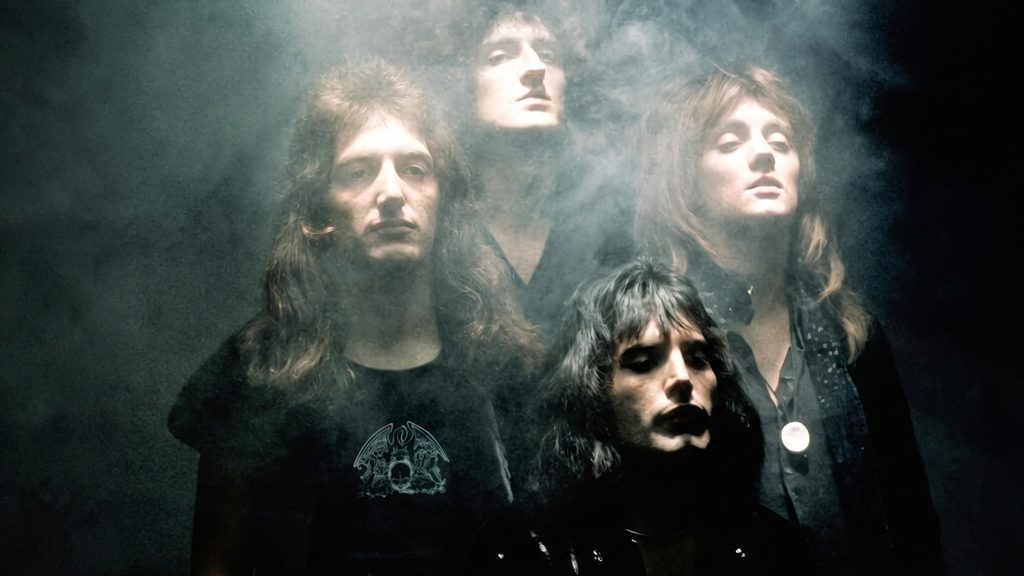
Queen’s Bohemian Rhapsody became one of the most influential recordings in popular music after its release in 1975.
Its accompanying promotional video featured dramatic lighting, close-up portraits and visual effects that became closely associated with the song.
The production was completed within a remarkably short period, allowing the video to be shown on the British music program Top of the Pops.
Behind-the-scenes photographs offer a glimpse into the relatively simple production environment behind a video that helped popularize the modern music video format.
35. What a television audience looks like from the stage
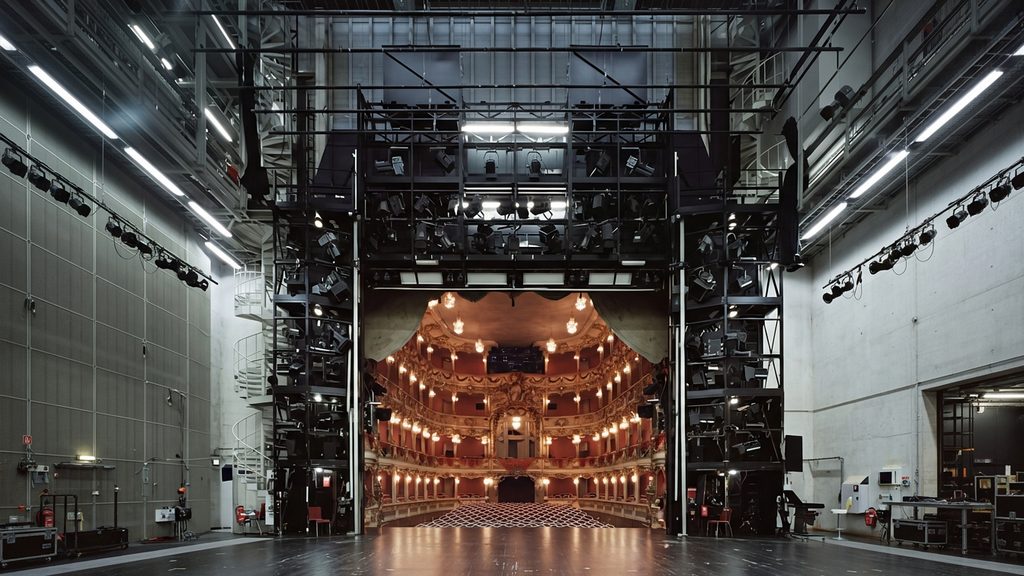
Television viewers usually experience award ceremonies, concerts and entertainment programs through cameras positioned around the stage.
A photograph taken from the performer’s viewpoint reveals an entirely different environment.
Rows of audience members, lighting equipment and production areas become visible from a perspective rarely shown during the broadcast.
Although the exact event depicted in the reference photograph is uncertain, the image illustrates the scale and complexity of producing live entertainment for both an in-person audience and television viewers.