
For 75 years, the final resting place of the USS Grayback remained one of the enduring mysteries of World War II naval history.
The American submarine disappeared in February 1944 with 80 sailors aboard. Although military records offered clues about its fate, its wreckage remained undiscovered for decades.
The breakthrough came when researchers uncovered a single incorrect digit in translated Japanese wartime records. The mistake had placed the submarine approximately 100 miles away from its actual location.
Armed with corrected information and advanced underwater technology, a team of explorers finally located the missing vessel in 2019, answering a question that had remained unresolved for generations.
The disappearance of the USS Grayback
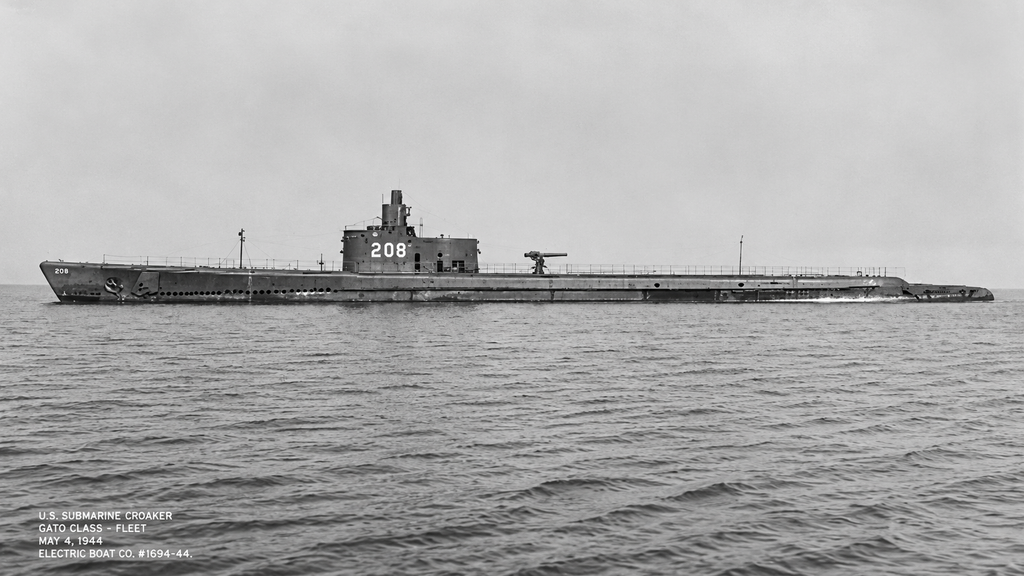
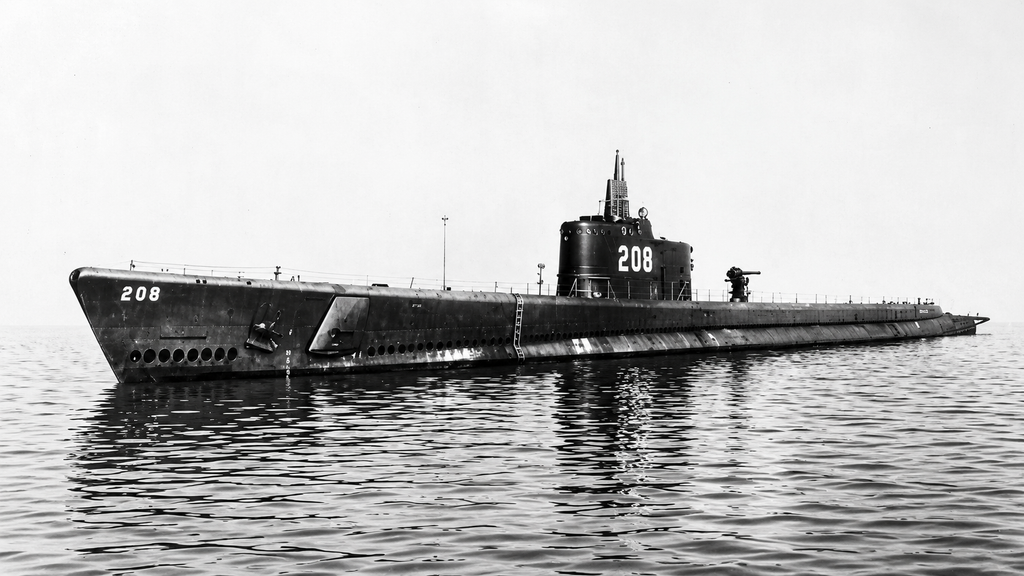
The USS Grayback entered service in 1941 and became one of the most successful American submarines operating in the Pacific during World War II. Throughout its service, the submarine was credited with sinking 14 enemy ships and disrupting Japanese supply lines.
On January 28, 1944, the Grayback departed Pearl Harbor for its tenth combat patrol. It was expected to return to Midway Island after completing its mission. However, the submarine never arrived. By late March, the U.S. Navy had declared it missing and presumed lost.
After the war, American officials examined Japanese military records to establish what had happened to missing submarines. Those documents indicated that the Grayback had been sunk by Japanese forces in February 1944.
Although the records provided an approximate location, the submarine’s wreckage remained undiscovered.
The discovery that inspired the Lost 52 Project
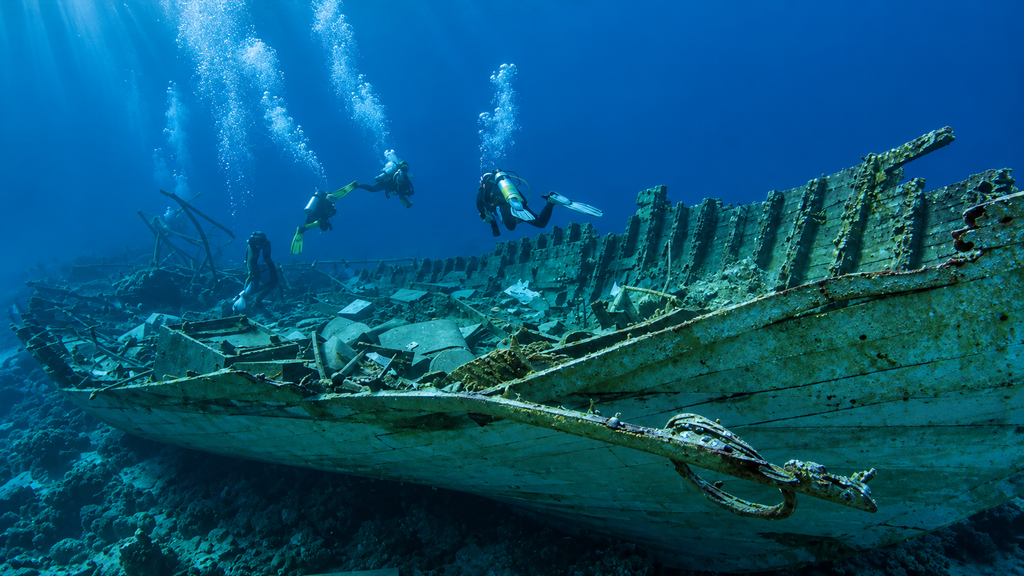
In October 2010, underwater explorer Tim Taylor and his team located another missing American submarine, the USS R-12, approximately 600 feet beneath the waters off Key West, Florida.
The R-12 had sunk during a training exercise in June 1943.
Finding the submarine encouraged Taylor to pursue a much larger historical mission. He established the Lost 52 Project, an initiative dedicated to locating and documenting the 52 American submarines lost during World War II.
The project brought together underwater explorers, historians, researchers and technology specialists.
Rather than relying exclusively on traditional search methods, the team combined historical documents with advanced underwater mapping equipment to investigate potential wreck locations.
The USS Grayback eventually became one of its most significant discoveries.
A single incorrect digit changed everything
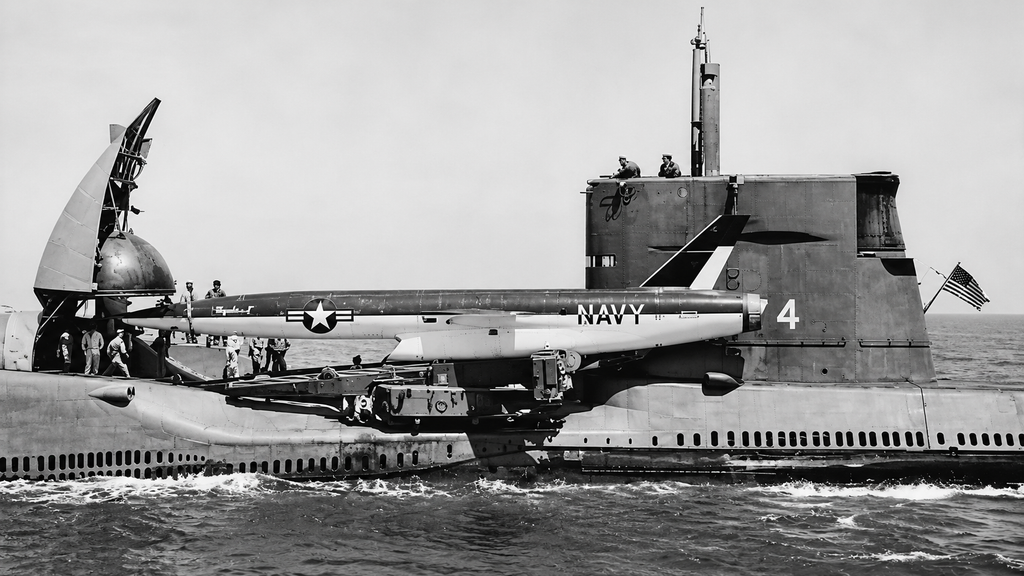
One of the most important breakthroughs in the search came from Japanese researcher Yutaka Iwasaki.
While examining original Japanese naval records, Iwasaki identified a report dated February 27, 1944, describing an incident involving an American submarine.
The geographical information in the original documents did not match the coordinates recorded in American postwar historical records. A mistake made during the translation process in 1946 had resulted in an incorrect digit in the submarine’s recorded longitude. The difference shifted its presumed location by approximately 100 miles.
By correcting the error and reviewing additional Japanese military documents, the research team identified a new search area southwest of Okinawa, Japan. After decades of uncertainty, explorers finally had more reliable information about where the missing submarine might be resting.
How underwater drones helped locate the submarine
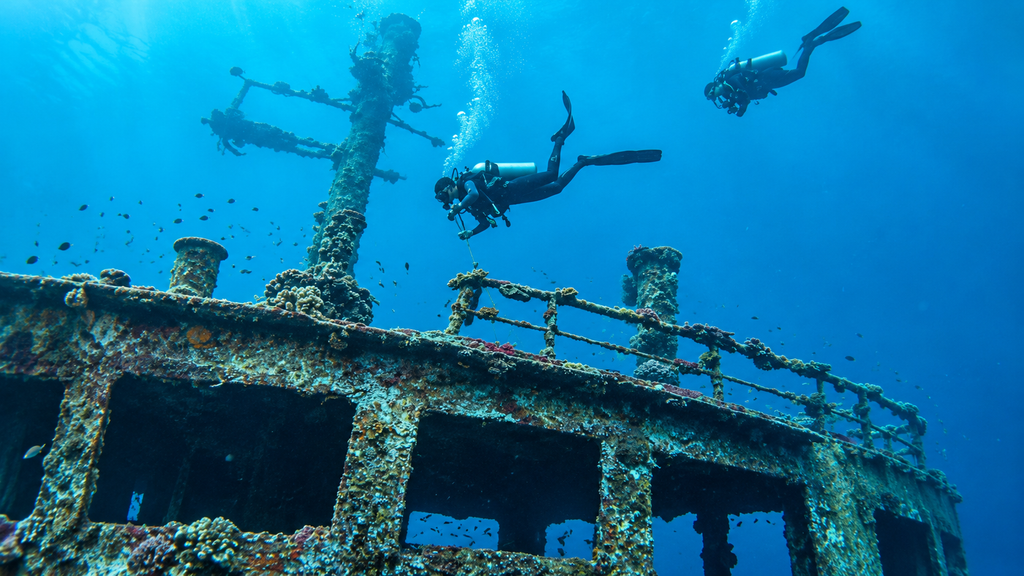
Searching the ocean floor presents considerable challenges. Limited visibility, extreme water pressure and vast distances make conventional exploration difficult at significant depths.
To overcome these obstacles, the Lost 52 Project used autonomous underwater vehicles, also known as AUVs. These unmanned machines can travel beneath the surface while collecting sonar readings and mapping underwater terrain.
Sonar works by transmitting sound waves and measuring their returning echoes. The collected information allows researchers to identify objects and structures even in complete darkness.
The technology helped Taylor’s team examine large sections of the seabed for objects resembling submarine wreckage. However, the expedition encountered technical difficulties that nearly brought the search to an early end.
A discovery just before the expedition ended
In June 2019, the exploration team was preparing to return to port after one of its underwater vehicles experienced a technical problem.
Before ending the expedition, the researchers reviewed the remaining sonar information collected during its latest deployment. Near the end of the data, they noticed an object with the distinctive outline of a submarine.
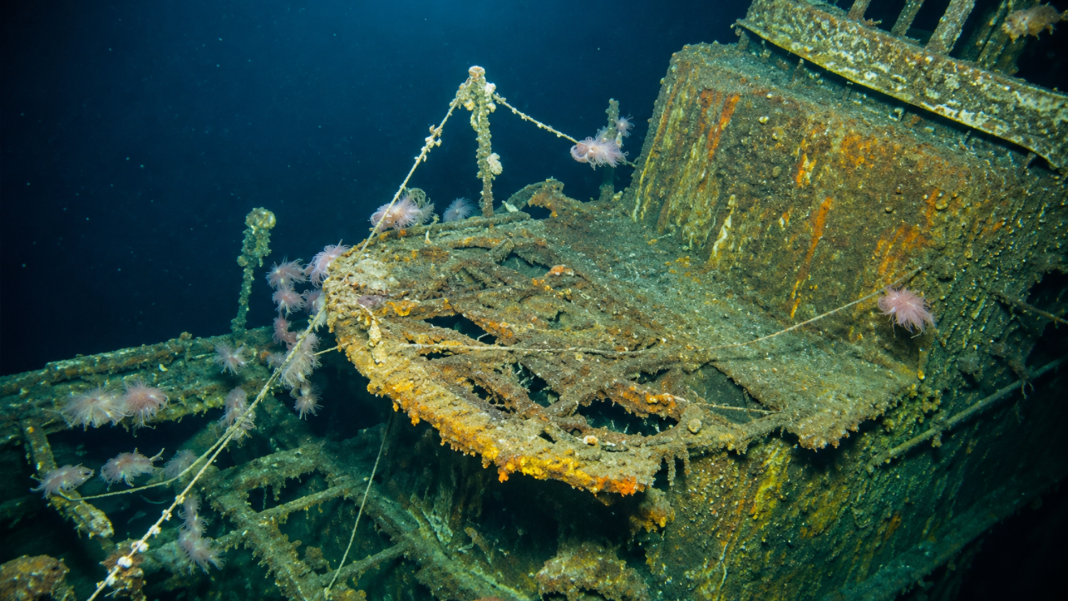
Further underwater investigation revealed the vessel’s identity. A surviving nameplate bearing the words USS Grayback provided compelling evidence that the team had found the missing submarine.
The wreck was discovered on June 5, 2019, at a depth of 1,427 feet, or approximately 435 meters, off Okinawa. The U.S. Navy officially verified the discovery in November 2019.
The submarine had become the first American submarine discovered in Japanese waters, bringing a remarkable 75-year search for answers to an end.
What the discovery meant for the sailors’ families
For the relatives of the 80 sailors aboard the Grayback, the discovery represented something far more personal than an achievement in underwater exploration.
Among those waiting for answers was Kathy Taylor, whose uncle, John Patrick King, had served aboard the submarine. She had spent years trying to learn more about his fate and preserve his memory. The discovery finally established where her uncle and his fellow sailors had come to rest.
The Lost 52 Project shared information about the wreck with relatives, helping reconnect families with a chapter of their personal histories that had remained incomplete for decades.
Preserving the USS Grayback for future generations
The USS Grayback is not simply an archaeological discovery. It is also the final resting place of its crew.
Rather than disturbing the wreck, researchers used high-resolution cameras, sonar and advanced imaging techniques to document the submarine.
These records allow historians to study its condition and preserve information about the vessel without interfering with the site.
The discovery also demonstrates why original historical documents remain so valuable. Even with sophisticated modern equipment, an overlooked mistake in a decades-old record can prevent researchers from finding what they are looking for.
The USS Grayback’s story stands as a remarkable example of how historical research and modern technology can work together to solve long-standing mysteries while honoring the people whose lives are connected to them.