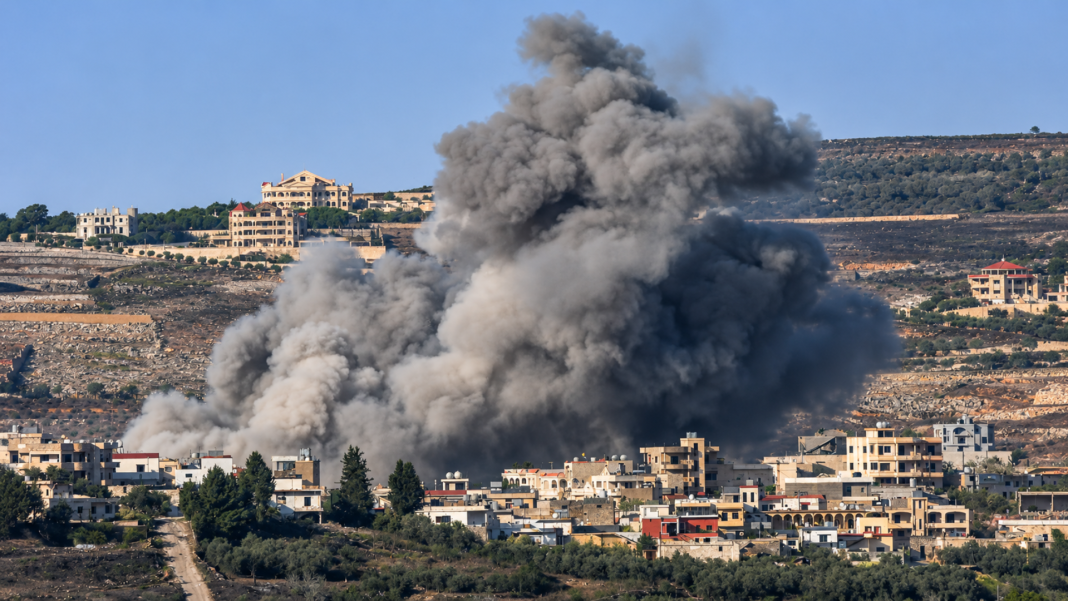

Israel is facing criticism from Lebanese officials over its military presence in Christian villages in southern Lebanon, as residents struggle with travel restrictions, economic hardship and uncertainty amid the ongoing conflict between Israel and Hezbollah.
The controversy intensified on November 22, 2026, when Israeli military spokesperson Ella Waweya posted a video on X marking Lebanon’s Independence Day from inside a classroom in Dibil, a predominantly Christian village.
In the video, Waweya extended Independence Day greetings to Lebanese citizens, praised Lebanese singer Fairuz and blamed Hezbollah for the difficulties facing communities in southern Lebanon.
Dibil’s municipal council condemned the visit, saying it had taken place approximately a month earlier without prior coordination with school administrators.
The Israeli military said the incident was under investigation. It remains unclear whether Waweya had official permission to publish the video.
Christian villages face restrictions under Israeli military control
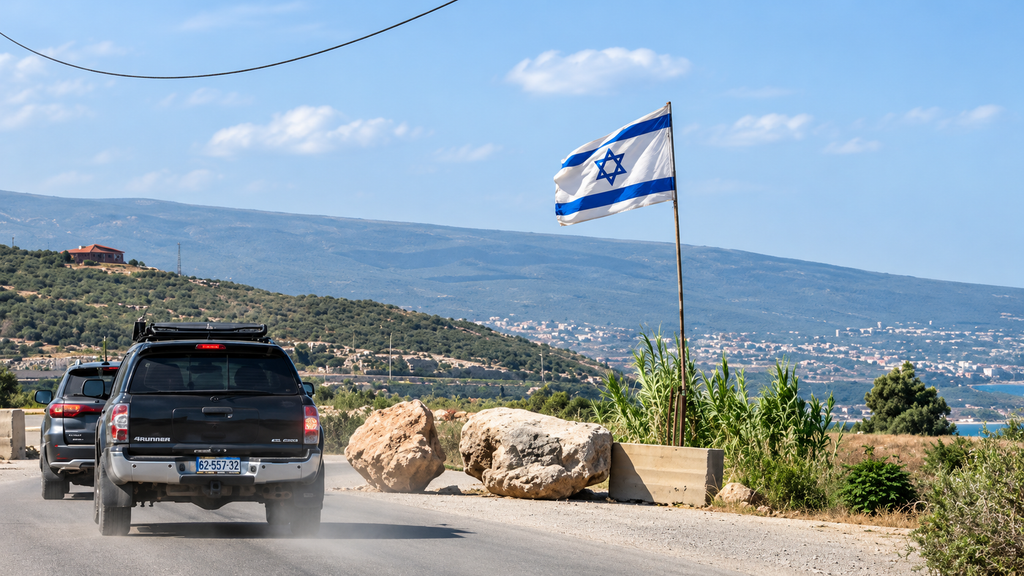
While residents of several Christian villages in southern Lebanon have generally been permitted to remain in their homes, they continue to face restrictions on movement.
Ayoub Khreish, the municipal president of Ain Ebl, said residents must obtain permission before traveling to Beirut. Travel requests are submitted to the Lebanese Army before being forwarded through the United Nations to Israeli authorities for approval.
Khreish said more than half of Ain Ebl’s population had left since the conflict began. Daily deliveries provide food and essential supplies, but local economic activity has largely stopped.
In early November, the mayors of five Christian villages appealed to Lebanon’s Catholic religious leaders for assistance in helping residents remain in their communities and allowing displaced families to return.
According to Lebanon’s Ministry of Public Health, approximately 9,000 people have been killed since hostilities began in October 2023. Although Shia Muslim communities have suffered much of the destruction, Christian residents have also been killed and displaced.
Lebanese officials reject Netanyahu’s claims
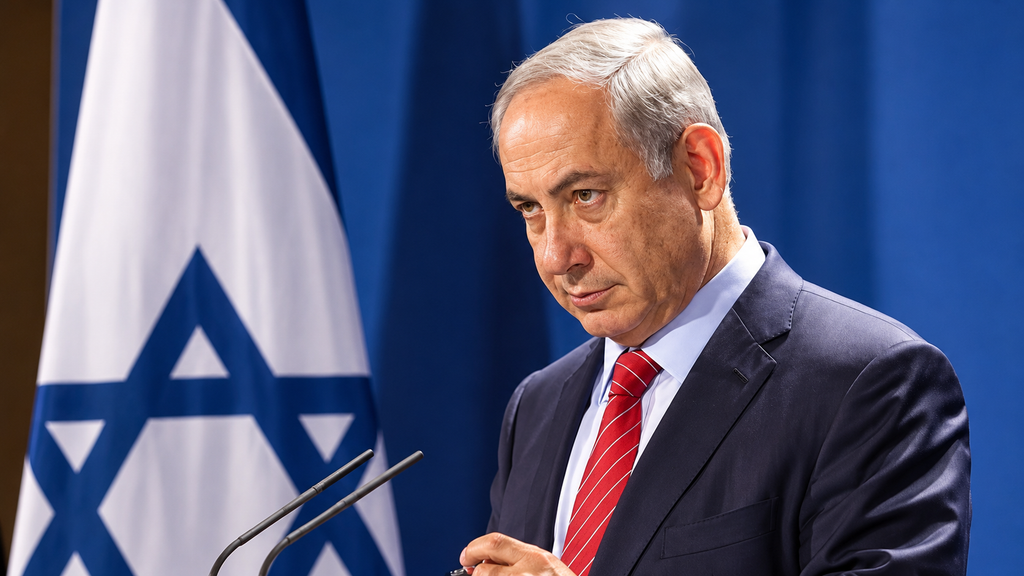
In July, Israeli Prime Minister Benjamin Netanyahu claimed that some Christian villages in Lebanon had requested annexation by Israel in exchange for protection from Hezbollah.
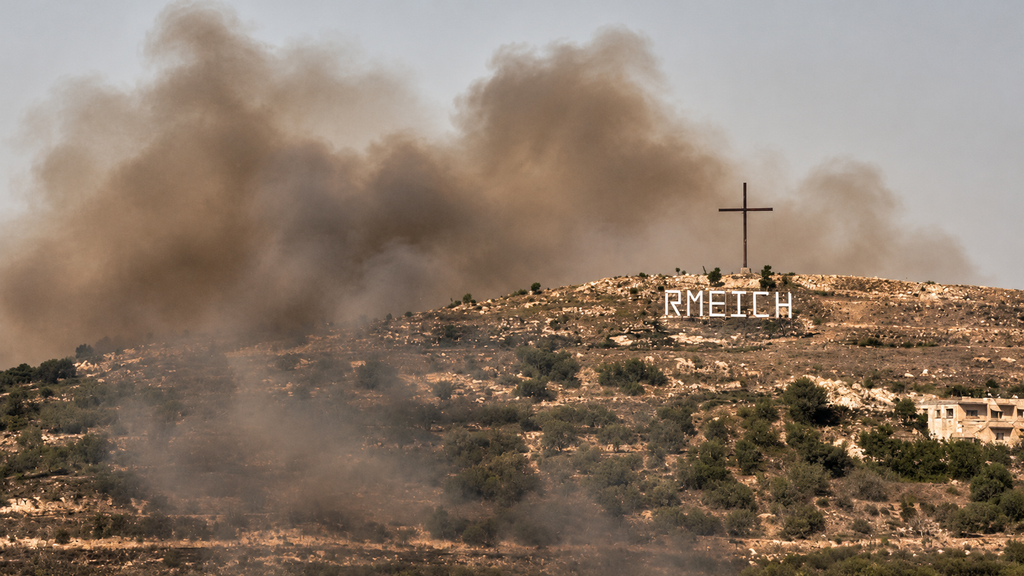
Lebanese municipal officials rejected the claim, including Hanna al-Amil, president of the Rmeish Municipality. Representatives of 15 southern Lebanese villages signed a statement describing Netanyahu’s assertions as false.
Political analysts have also raised concerns that Israel’s different treatment of religious communities could deepen divisions within Lebanon.
Michael Young, a Lebanese political analyst associated with the Carnegie Center in Beirut, suggested that Israel’s approach was partly intended to present itself internationally as a protector of religious minorities.
However, Young emphasized that opposition to Hezbollah among Lebanese residents does not necessarily translate into support for Israel.
Israel and Lebanon peace efforts remain stalled
A framework agreement reached in June sought to advance the withdrawal of Israeli troops from southern Lebanon and the disarmament of Hezbollah.
However, negotiations have remained stalled since August, leaving residents uncertain about when normal life might resume. For communities such as Ain Ebl, Dibil and Rmeish, restrictions on movement, displacement and economic disruption continue to shape everyday life.
Khreish said residents remain hopeful for peace but have little certainty about their future as the conflict continues.