
Minnesota delivered a clear political headline on election night. Voters backed Amy Klobuchar and Peggy Flanagan in the state’s top statewide contests, extending Democratic strength in St. Paul and Washington.
The wins mattered beyond state lines. Minnesota has voted Democratic in every presidential election since 1976, and these races gave both parties another measure of where Upper Midwest politics stands in 2026.
Klobuchar Holds Her Ground Statewide
Amy Klobuchar entered the race with one big advantage: statewide familiarity built over nearly two decades. She was first elected to the U.S. Senate in 2006, and by 2024 she had become one of Minnesota’s best-known political figures, with a record on agriculture, antitrust, and infrastructure that regularly drew national attention.
Her victory showed how durable that brand remains in a state split between the Twin Cities metro and a more competitive outstate map. According to election results reported across Minnesota’s 87 counties, Klobuchar again ran up strong margins in Hennepin and Ramsey counties, the same Democratic anchors that have powered statewide wins for years.
She also benefited from a style that has long appealed to moderate and independent voters. Reuters and other national outlets have frequently described her as a pragmatic Democrat, and that image mattered in a race where turnout, suburban voters, and ticket-splitting were watched closely from Minneapolis to Rochester.
Flanagan Breaks Through in a Defining Race
Peggy Flanagan’s win was significant for both policy and representation. A member of the White Earth Band of Ojibwe, Flanagan has served as Minnesota’s lieutenant governor since 2019, and her statewide profile grew as Governor Tim Walz’s administration handled issues ranging from education funding to reproductive rights.
Her victory also reflected years of coalition-building inside the state Democratic-Farmer-Labor Party. In Minneapolis, St. Paul, Duluth, and several inner-ring suburbs, DFL organizers spent months focusing on turnout operations, while Flanagan leaned on her background in education advocacy and community organizing to connect with urban, suburban, and Native voters.
That broader appeal mattered in a state where close margins often decide major races. Minnesota has a national reputation for high civic participation, and in a competitive electorate, a candidate with existing name recognition, governing experience since 2019, and strong party organization starts with a real edge.
What The Results Say About Minnesota Politics
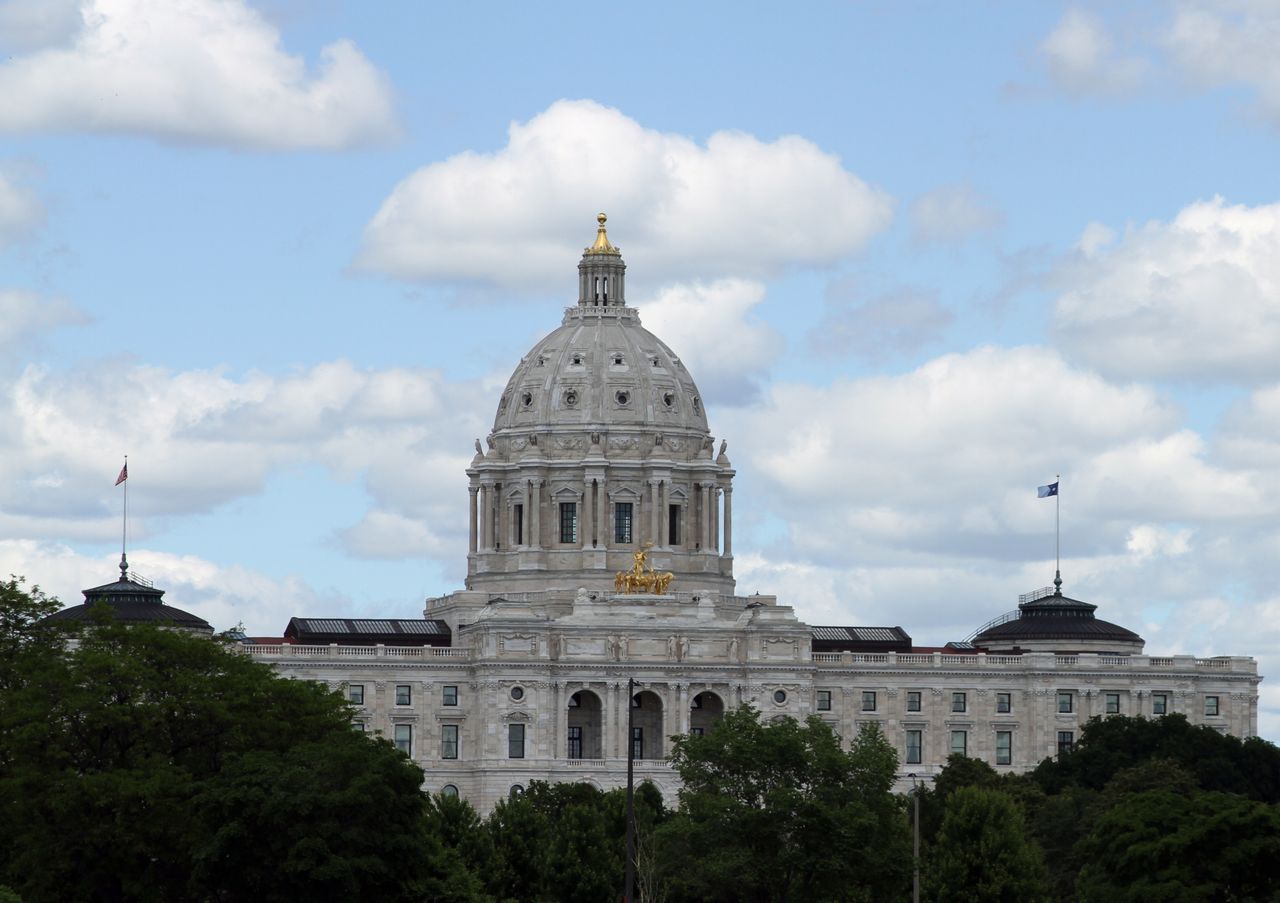
Taken together, the two victories say something important about Minnesota’s political identity in 2026. While Republicans remain competitive in parts of greater Minnesota and have strength in many rural counties, Democrats still hold a powerful statewide formula built on metro turnout, organized labor, and issue-based campaigning.
The results also fit a larger pattern from recent cycles. Since 2018, Democrats have maintained strong positions in key statewide offices, and that consistency has made Minnesota stand out in a Midwest region where states like Wisconsin and Michigan have often produced much tighter and more volatile statewide outcomes.
For national observers, this election was about more than two names on a ballot. It was a reminder that candidates with established records, disciplined messaging, and durable coalitions can still win decisively, especially in a state like Minnesota, where local credibility and turnout operations often matter as much as national political noise.