
The questions were direct, and the stakes were obvious. Minneapolis council members want clear answers before they cast a vote next week on Bill Peterson’s nomination to lead the police department.
A tense hearing with familiar concerns
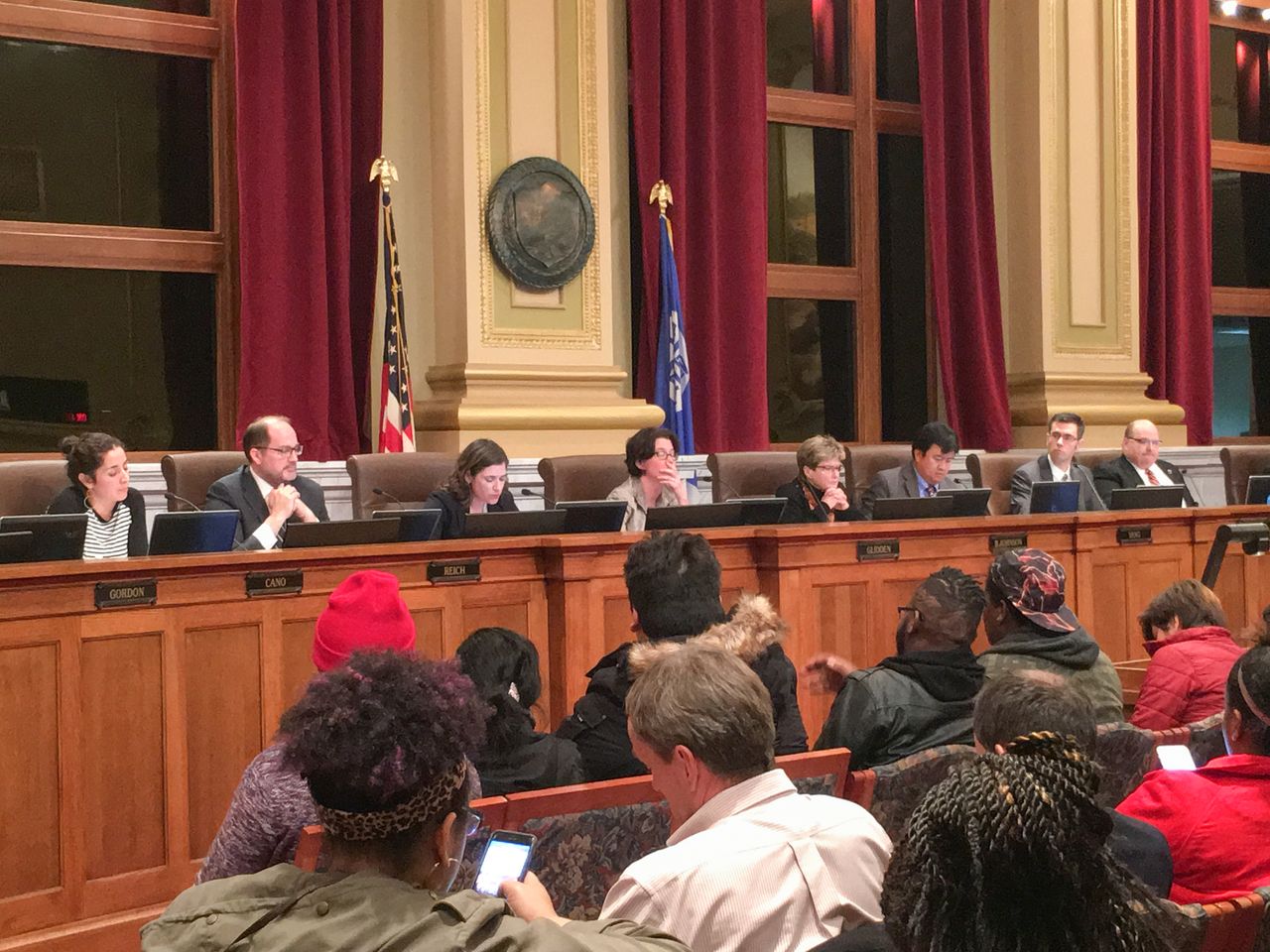
At City Hall in Minneapolis, council members used this week’s public hearing to press Peterson on issues that have shaped local policing since 2020. According to city officials, the full council is expected to vote next week, making this one of the final chances for members to test his plans in public.
Several questions focused on the Minneapolis Police Department’s ongoing federal and state oversight. The U.S. Department of Justice released its findings in June 2023, and Minnesota’s human rights investigation produced a consent decree process that still hangs over department policy, training, and supervision.
Peterson was asked how he would handle officer accountability, discipline timelines, and use-of-force reviews inside a department that has struggled with public confidence. Council members also raised practical concerns such as response times, recruitment, and the number of officers available for patrol in a city of roughly 425,000 residents.
Peterson’s pitch to a skeptical council
Peterson’s message was built around experience, reform, and steadier management. In testimony before council members, he described a need for better supervision, stronger constitutional policing standards, and clearer communication with neighborhoods that have demanded change since George Floyd was killed by Minneapolis police on May 25, 2020.
He also faced questions about staffing, one of the city’s biggest challenges. Minneapolis has spent years dealing with officer departures, disability claims, and hiring pressure, and council members wanted specifics on retention, academy pipelines, and how quickly a chief could stabilize field operations.
That matters because residents often judge reform by what they see on the street. If 911 response lags in South Minneapolis or community trust remains weak in North Minneapolis, voters are unlikely to care whether internal policy memos look better on paper, a point several members made during the exchange.
What the vote could mean for Minneapolis
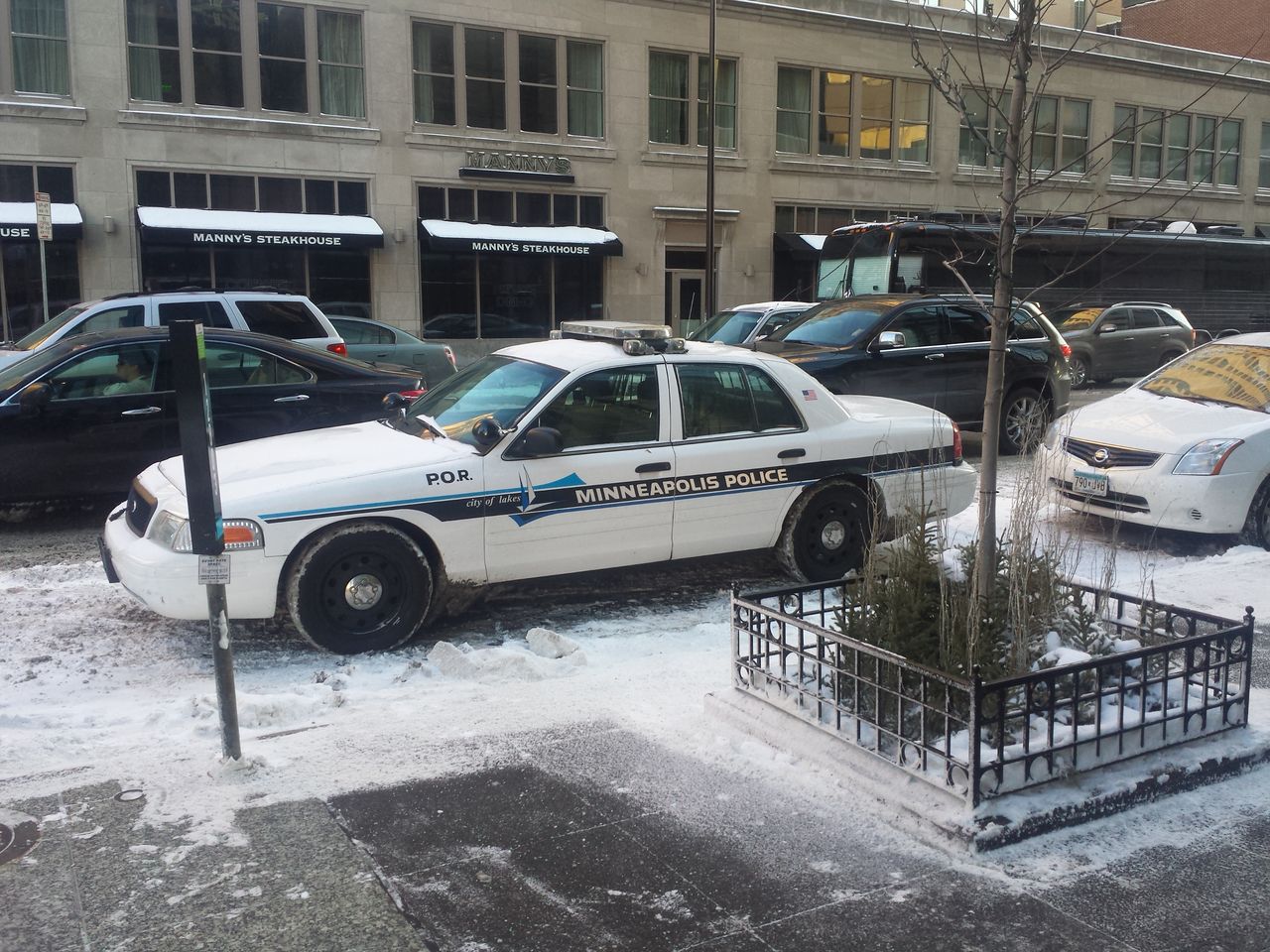
Next week’s vote will be about more than one appointment. It will signal whether a majority of the council believes Peterson can lead a department that remains under intense scrutiny from Minneapolis residents, state officials in Minnesota, and national observers who still see the city as a test case for police reform.
If confirmed, Peterson would inherit a department balancing at least three pressures at once: meeting reform deadlines, rebuilding rank-and-file morale, and reducing crime in a major Midwestern city. Those goals can clash quickly, especially when every high-profile stop, arrest, or force incident draws immediate public and political review.
For council members, the standard is not simply whether Peterson sounded prepared in one hearing. The real question is whether his answers were concrete enough to satisfy a city that has spent four years debating public safety, accountability, and what policing should look like after 2020.