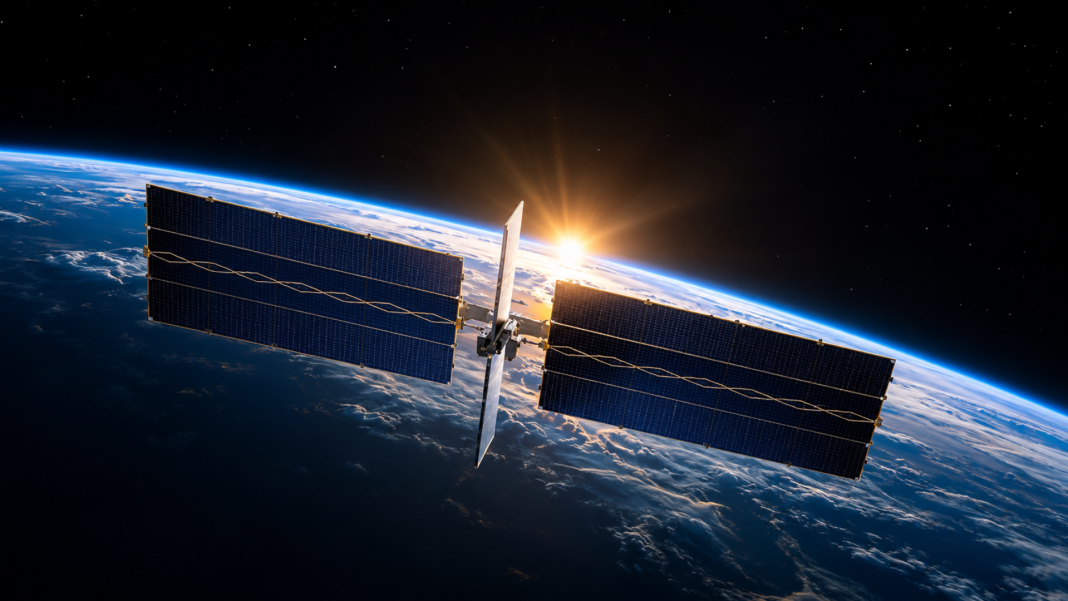

Elon Musk’s SpaceX has received approval from the Federal Communications Commission (FCC) to deploy up to 1 million satellites designed to operate as data centers in space, marking a major development in the expansion of artificial intelligence infrastructure.
The authorization, announced on Wednesday, November 25, is the first of its kind granted by the FCC.
The proposed satellite network, called Starmind, will process large amounts of data in orbit for use on Earth, helping meet the growing demand for computing power as AI technology expands.
FCC Chairman Brendan Carr said moving computing infrastructure beyond Earth could help strengthen American leadership in artificial intelligence and create new economic opportunities.
SpaceX aims to launch its first satellites in 2027
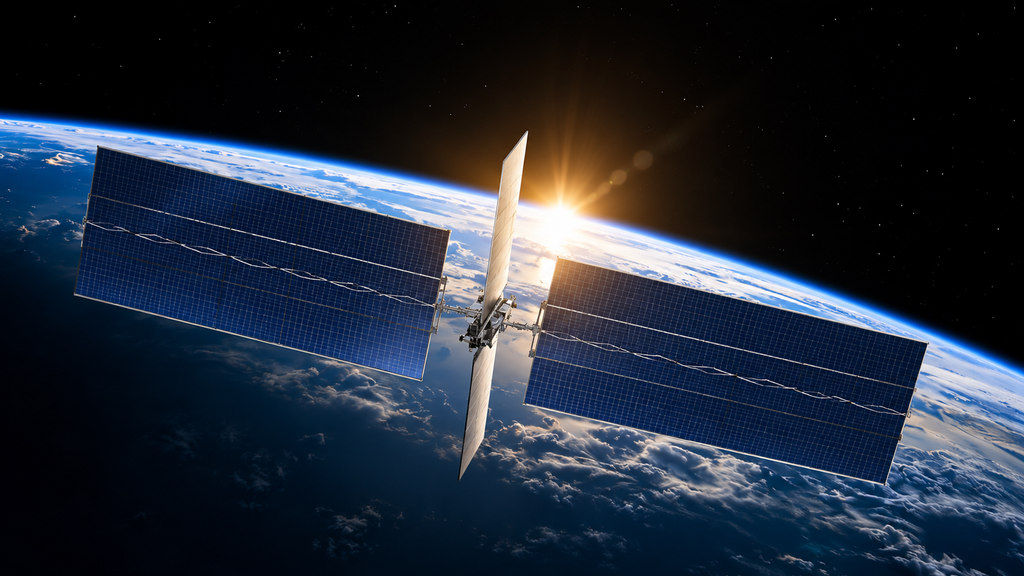
Under the FCC’s authorization, SpaceX must have its first operational Starmind satellite in orbit by November 25, 2033.
The company must deploy 100,000 satellites by November 2035 and 500,000 by November 2038. The deadline for completing the entire authorized constellation is November 2040.
However, Musk has indicated that the company could begin launching Starmind satellites as early as the third quarter of 2027, with deployment increasing significantly over the following two years.
SpaceX is working with Nvidia to develop the computing hardware for its satellites, which will be manufactured at its facility in Bastrop, Texas.
The project also relies heavily on Starship, the company’s reusable rocket system, to reduce launch costs and transport large numbers of satellites into orbit.
How data centers in space could power AI
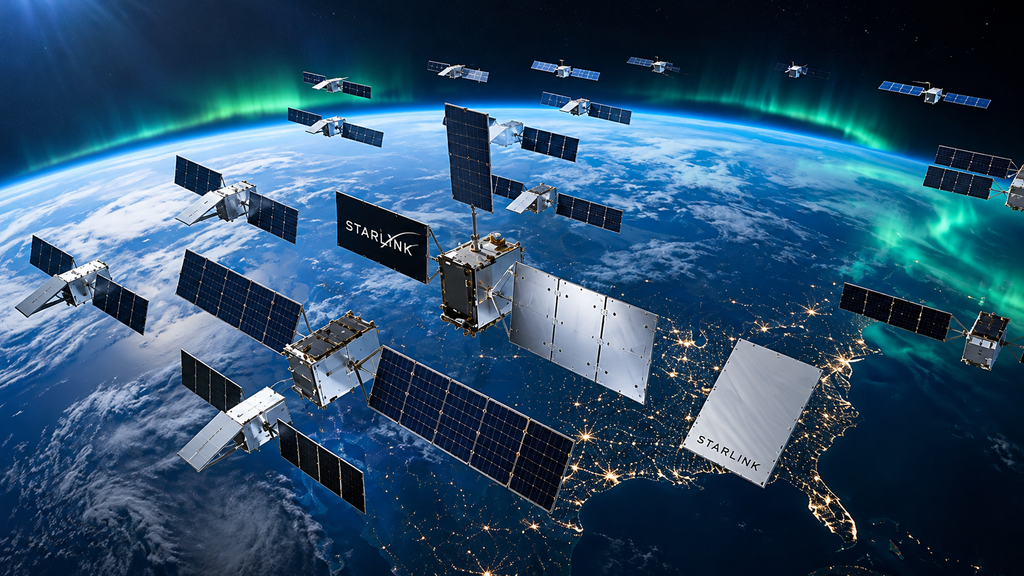
Traditional data centers require enormous amounts of electricity to operate computing equipment and maintain cooling systems.
SpaceX argues that moving these facilities into orbit would allow satellites to take advantage of nearly continuous solar energy, potentially reducing operating costs and environmental pressures associated with data centers on Earth.
The Starmind satellites are authorized to operate at altitudes ranging from approximately 310 to 623 miles above Earth.
They will primarily exchange information using laser communications, with radio systems available for backup operations.
Concerns grow over the scale of Musk’s satellite network
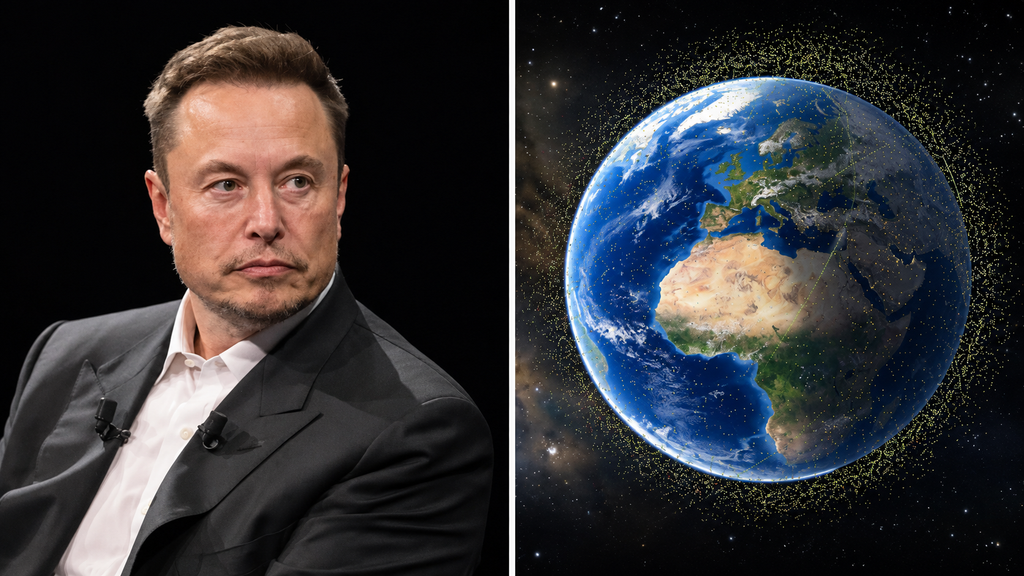
Several organizations, including Amazon’s satellite division and the American Astronomical Society, have raised concerns about the proposed constellation.
Opponents have questioned the feasibility of deploying such a large number of satellites and warned about potential orbital congestion, collisions and interference with astronomical observations.
The FCC has also deferred a decision on SpaceX’s proposed alternative disposal methods for certain satellites, requesting additional information from the company.
Approximately 17,000 satellites currently exist in space, including more than 11,000 belonging to SpaceX’s Starlink network.
Although the new authorization permits SpaceX to deploy up to 1 million additional satellites, it remains uncertain whether the company will ultimately launch the entire constellation.
The approval comes as other technology and aerospace companies are developing competing proposals to move artificial intelligence computing infrastructure beyond Earth.