
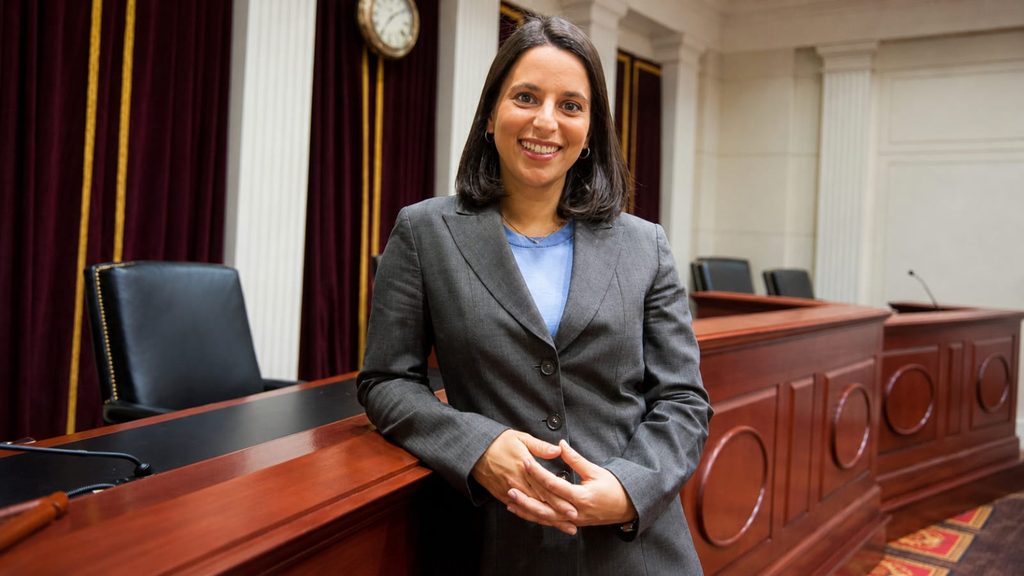
A federal judge in Washington, D.C., temporarily blocked the Federal Communications Commission (FCC) from continuing its early review of the broadcast licenses of eight ABC television stations on November 25, 2026. US District Judge Loren AliKhan found that ABC was likely to succeed in its claim that the agency had violated its First Amendment rights by targeting programming critical of President Donald Trump and his administration.
The judge also rejected the government’s request to dismiss the lawsuit, allowing the legal battle between the FCC, ABC and its parent company, the Walt Disney Company, to continue. The FCC ordered the eight stations to apply for early license renewals on April 28. Broadcast licenses are normally renewed every eight years, and none of the affected stations were due for renewal before 2028.
The stations operate in major cities, including New York, Los Angeles, Chicago, Philadelphia and Houston.
Judge raises concerns over political pressure
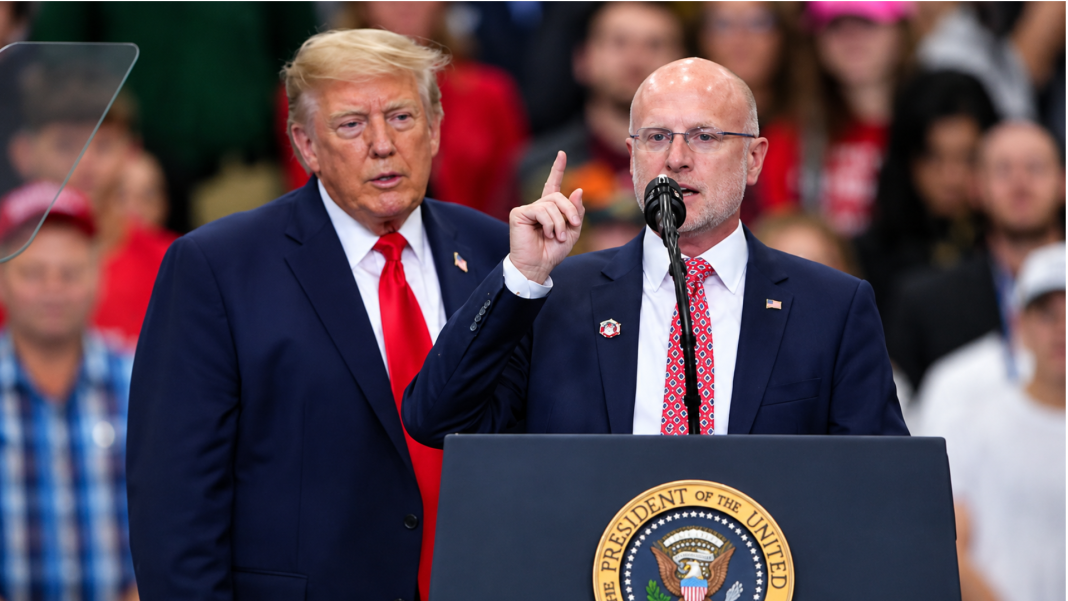
In her ruling, AliKhan examined public statements and social media posts made by Trump and FCC Chairman Brendan Carr. The judge identified 11 occasions over the past two years when Trump had called for ABC’s broadcast licenses to be taken away. The most recent instance occurred in July 2026.
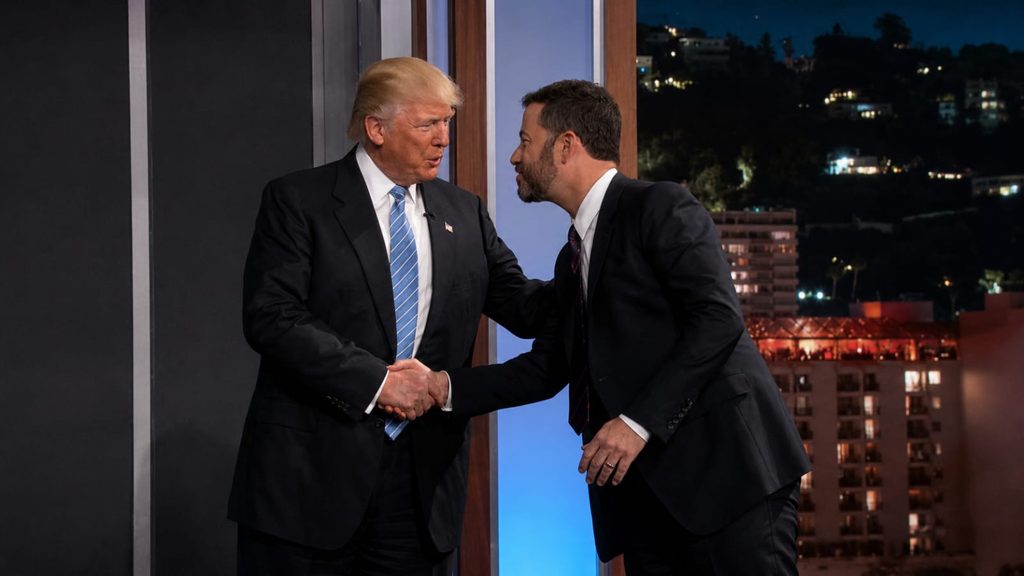
The FCC ordered the early license reviews one day after Trump called for late-night host Jimmy Kimmel to be fired over a joke about First Lady Melania Trump. AliKhan considered this timing important evidence of possible retaliation. The court also examined how political pressure affected ABC’s programming decisions.
ABC decided not to broadcast Trump’s July 2026 Oval Office address on television. However, its lawyers said the network streamed the speech online because of concerns about possible action from the FCC.
Kimmel’s interview with then-Democratic Senate candidate James Talarico of Texas was released on YouTube rather than broadcast on television. Talarico won the Senate election in November.
The daytime talk show The View also stopped inviting political candidates ahead of the November elections. AliKhan found that the threat of losing broadcast licenses was enough to discourage broadcasters from exercising their free speech rights.
FCC disagrees with the court’s decision
The FCC defended the early license review by pointing to its investigation into Disney’s employment practices, including possible unlawful discrimination linked to its diversity, equity and inclusion policies. However, during an October court hearing, government lawyers acknowledged that the FCC had other ways to obtain information from Disney, including issuing subpoenas and imposing fines.
AliKhan found that the evidence did not convincingly support the FCC’s stated reasons for ordering the early license reviews. Disney and ABC filed their lawsuit on August 18, arguing that the reviews were being used to punish the network for its editorial decisions.
ABC welcomed Wednesday’s ruling as an important victory for free speech. An FCC spokesperson disputed the judge’s findings and expressed confidence that the agency would ultimately win the case.
Although the ruling stops the early license reviews, the judge declined to grant ABC broader protection against other possible regulatory threats. The FCC can continue its separate investigations into Disney’s employment practices and whether The View must follow rules requiring equal broadcast opportunities for competing political candidates.
The decision is temporary and does not represent a final ruling in the lawsuit.