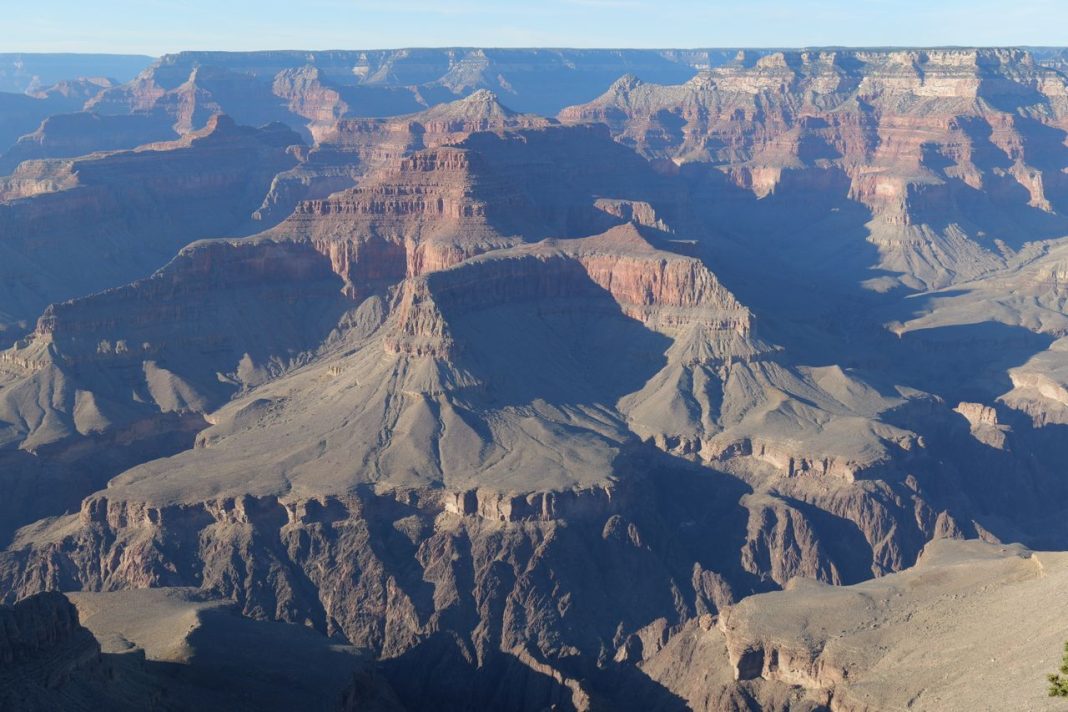

The Grand Canyon’s North Rim is entering the final weeks of its 2026 visitor season, giving travelers a limited opportunity to enjoy its sweeping views before winter weather forces an earlier closure. Although the park remains open for limited day use through November 30, several visitor services have already shut down, and some popular trails remain inaccessible. Anyone planning a late-season visit should understand the changing conditions, available facilities, and road restrictions before heading out.
The North Rim Is Open Through November 30, Weather Permitting
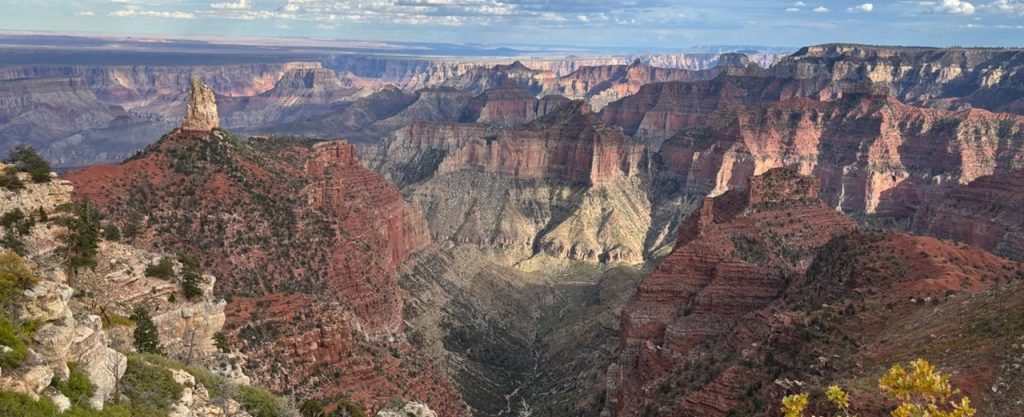
There is still time to experience the Grand Canyon from its quieter North Rim, but visitors have a limited window to plan their trip. The National Park Service has scheduled limited fall day-use operations through November 30, 2026. That date is not guaranteed, however. The entrance gate on State Route 67 will close at sunset on November 30 or after the first major snowstorm of the season, whichever happens first. Snow, ice, and rain are common in the area during late fall, and road conditions can change quickly. The drive also requires some planning: the park entrance is about 30 miles south of Jacob Lake, with another 14 miles to the actual rim. Visitors should check current conditions before setting out and avoid assuming that access will remain available until the end of November.
The North Rim Campground, General Store, and Gas Station Have Closed
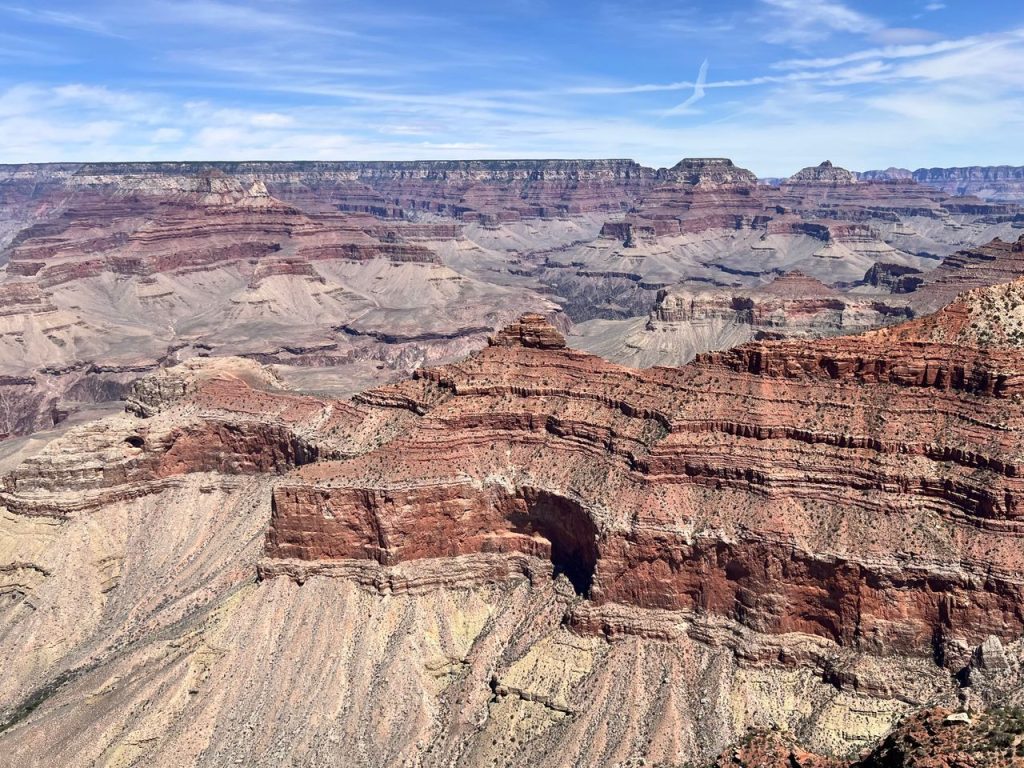
Visitors arriving at the North Rim should not expect the usual summer services to be available. The North Rim gas station closed on September 19, while the General Store closed on October 15 and the campground shut down for the season on October 16. The Backcountry Information Center also closed for the season, although backcountry permits remain available through the South Rim Backcountry Information Center and Recreation.gov. These closures mean that visitors who hoped to camp, buy supplies, or refuel inside the park will need to make other arrangements. Overnight accommodations and some services can be found outside the park, including around Jacob Lake, roughly 45 miles north of the North Rim. The campground is expected to reopen in May 2027, but visitors should check official updates before making plans for a future stay.
Visitors Must Bring Their Own Food, Drinking Water, and Emergency Supplies
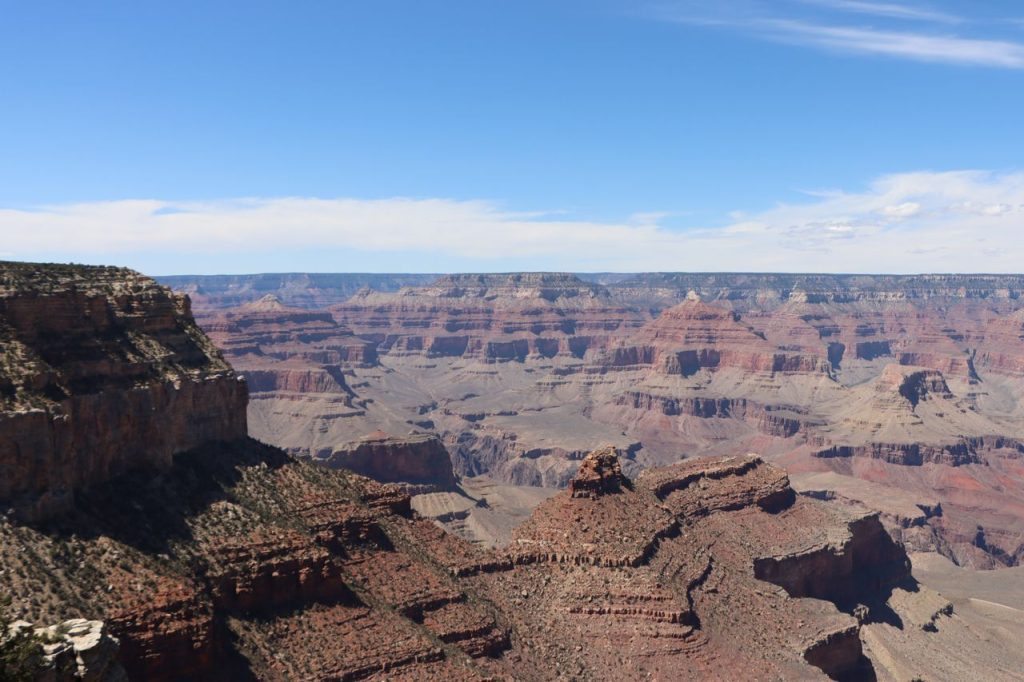
A late-season visit to the North Rim calls for considerably more preparation than a typical summer outing. From October 16 through November 30, food and drinking water are not available on the North Rim, so visitors must bring enough provisions for their entire visit. Fuel also cannot be purchased within the park, making it important to fill the tank before entering the area. The National Park Service recommends carrying adequate food, water, fuel, and emergency supplies, particularly because winter weather can make travel more difficult. Emergency response is extremely limited during this period, and help may take significantly longer to arrive. Warm clothing, a well-prepared vehicle, and a reliable plan for changing weather are essential. Visitors should also check road conditions before driving, especially if snow or ice is in the forecast.
Scenic Roads Have Reopened, but Many Popular Trails Remain Closed
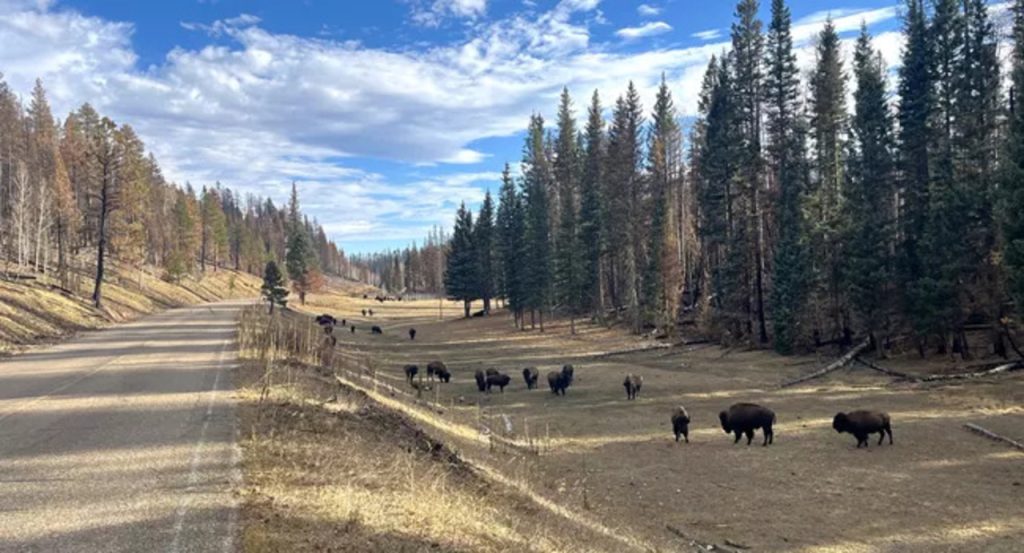
The North Rim’s road and trail conditions require separate attention because access to scenic overlooks does not mean every hiking route is available. Cape Royal Road and Point Imperial Road were temporarily closed for repair and rehabilitation work from October 15 through November 3, but both reopened to visitors at sunrise on November 3. They are scheduled to remain accessible through November 30, unless significant snowfall forces an earlier closure. Several trails, however, remain unavailable. The North Kaibab Trail is closed in its entirety following an August 29 flash flood that damaged the trail, bridges, and other infrastructure in Bright Angel Canyon. Other closed routes include Bright Angel Point, Widforss, Transept, Cape Royal, and Point Imperial trails. Visitors should consult the park’s current trail-status information before hiking, since closures can affect access even when nearby roads and overlooks are open.