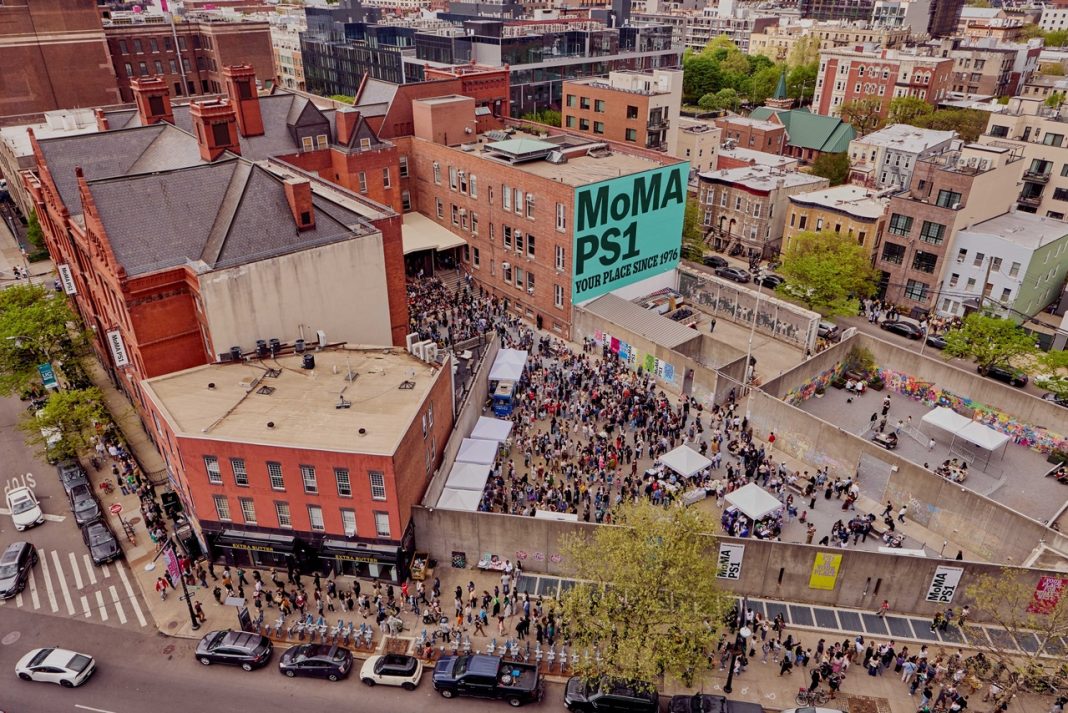

Black artists have spent generations challenging the boundaries of abstract art, finding new ways to explore identity, history, space, and creative expression. Now, MoMA PS1 is bringing that rich artistic legacy into focus with Hard Art, a major exhibition featuring more than 90 works by over 40 Black artists. Spanning paintings, sculpture, video, and sound, the exhibition connects influential works from the past with fresh perspectives from contemporary artists.
MoMA PS1 Brings Together More Than 90 Works by Over 40 Black Artists
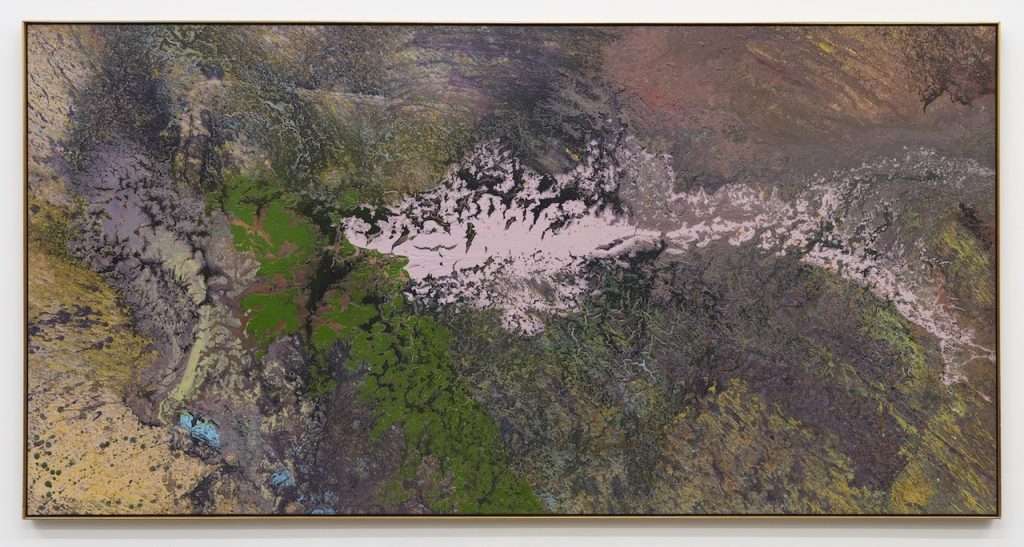
Bringing together artists from different generations, MoMA PS1’s Hard Art offers a wide-ranging look at how Black artists in the United States have explored abstraction since 1969. The exhibition features more than 90 works by over 40 artists, creating a conversation between established figures and contemporary practitioners. Its lineup includes Frank Bowling, Mark Bradford, Peter Bradley, Barbara Chase-Riboud, Ed Clark, Melvin Edwards, and Howardena Pindell, alongside artists such as Torkwase Dyson, Nikita Gale, Carolyn Lazard, Eric N. Mack, and SoiL Thornton. Rather than treating abstraction as a single style or movement, the exhibition considers the many ways artists have used it to explore artistic freedom, identity, history, and the world around them. The result is a presentation that brings together a broad range of perspectives while highlighting the lasting influence of Black artists on American abstract art.
Historical Paintings Meet Contemporary Artistic Practices
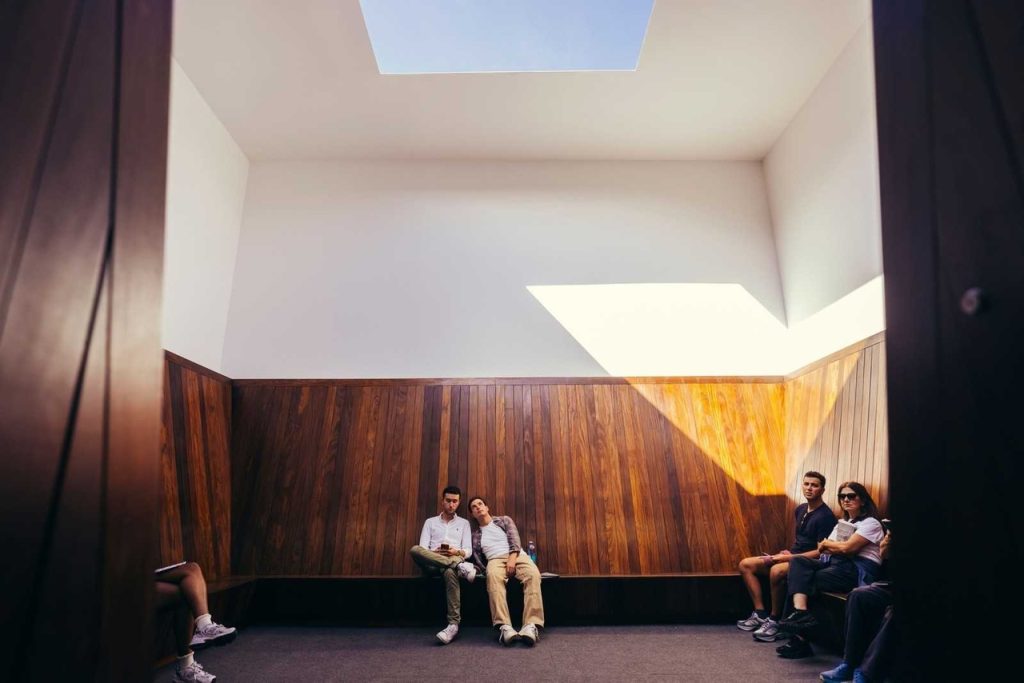
One of the exhibition’s most interesting features is the way it places earlier works alongside newer approaches to abstraction. Paintings by artists who rose to prominence during the 1970s are presented in conversation with contemporary practices that challenge traditional ideas about what abstract art can be. This arrangement also revisits a history of exhibitions that helped establish the importance of Black abstraction, including Frank Bowling’s 5 + 1 in 1969 and Peter Bradley’s The DeLuxe Show in 1971. Both helped create space for artists to experiment with modernist ideas without feeling restricted to representational art. The exhibition also looks back to PS1’s 1980 presentation Afro-American Abstraction, which explored shared qualities among Black artists working in the field. By connecting these earlier milestones with present-day work, Hard Art shows how artistic ideas can evolve across generations while continuing to raise important questions about representation and creative independence.
Sculpture, Video, Sound, and Painting Expand the Meaning of Abstraction
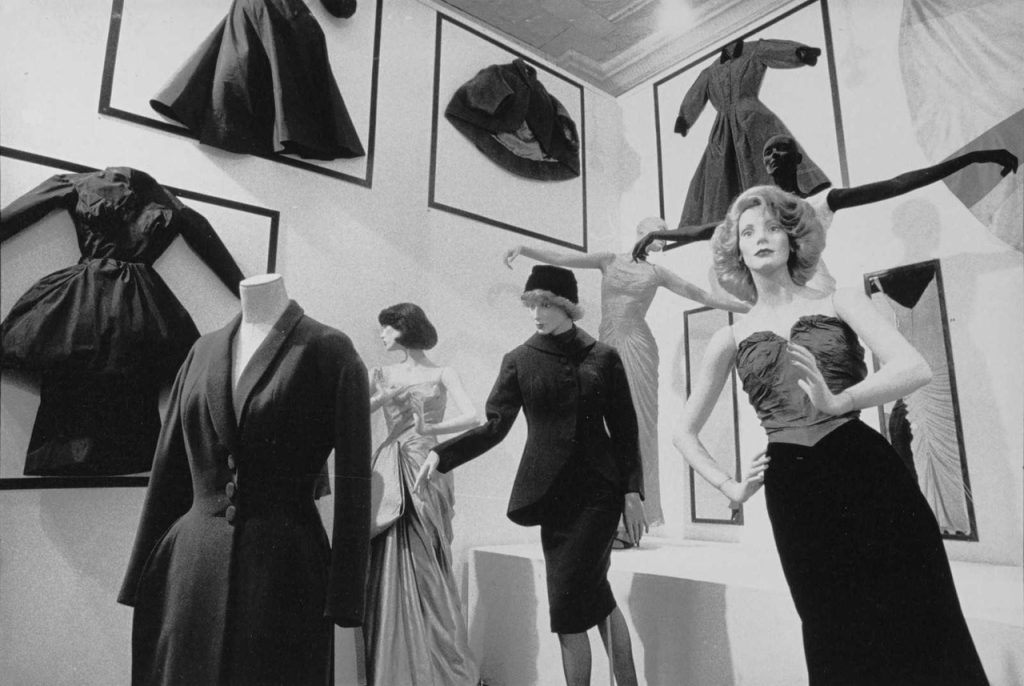
Abstraction does not have to remain confined to paint and canvas, and Hard Art makes that clear through its range of artistic mediums. Alongside historical and contemporary paintings, the exhibition features sculpture, video, sound, and installations that encourage visitors to think about abstraction in less familiar ways. Nikita Gale’s PRIVATE DANCER, for example, uses lighting equipment, trusses, cables, and spotlights to create a time-based installation. Torkwase Dyson contributes a newly commissioned architectural environment designed to fill PS1’s double-height gallery, extending her exploration of space and the possibilities of Black spatial liberation. Carolyn Lazard’s new moving-image work brings together experimental cinema, monochrome abstraction, and questions about visibility. These examples show that abstraction can be expressed through physical structures, movement, light, and sound as well as conventional painting. The exhibition uses this variety to explore both the formal possibilities and the wider political meaning of abstract art.
An Accompanying Publication Documents the History of Black Abstraction
The exhibition’s reach extends beyond the gallery through a fully illustrated publication that provides additional historical and critical context. It features essays by contributors including Connie Butler, Aria Dean, Jessica Bell Brown, Torkwase Dyson, Rindon Johnson, and Erich Kessel, bringing together perspectives from curators, artists, and writers. The book also includes an illustrated chronology of significant museum exhibitions, prepared by June Kitahara and Sheldon Gooch. That historical record is particularly relevant because Hard Art revisits a field shaped by earlier exhibitions, artist-led initiatives, and debates about how Black artists engage with abstraction. One important thread is the tension between formal experimentation and the expectation that Black art should directly represent racial identity or experience. The publication gives readers another way to follow these discussions, while preserving a record of exhibitions that helped shape the subject. It serves as a companion to the show and a resource for anyone interested in the history and continuing development of Black abstraction.