
When immigration enforcement activity intensified near Minneapolis, few expected two small suburban school districts to become national symbols of how schools respond in moments of crisis. Yet in communities like Fridley and Columbia Heights, administrators, teachers, and counselors found themselves navigating fear in hallways, absenteeism in classrooms, and urgent questions from families. What began as a local disruption quickly evolved into a defining test of how schools balance student safety, legal boundaries, and public scrutiny. Their response has since shaped a broader conversation about the role of educators when federal policy collides with daily school life.
A Quiet Start in Small Suburbs
When most people think about major issues affecting public education, test scores, funding shortfalls, curriculum debates, they don’t immediately picture small suburban school districts. Yet in Fridley and Columbia Heights, two neighboring districts north of Minneapolis, educators suddenly found themselves at the center of a national conversation about how schools should respond when immigration enforcement activity comes to their communities. These districts were relatively quiet and unremarkable before a surge in ICE actions brought unexpected focus to what happens when federal enforcement intersects with day-to-day school life.
In both communities, the demographic mix includes a significant number of immigrant families, many of whom came to the area seeking opportunity and stability. Schools in these districts had long worked to be welcoming places, offering language services and community support for families new to the United States. Yet that sense of normalcy changed rapidly as the federal government increased immigration enforcement activities nearby. What began as a backdrop concern soon became a pressing reality when students and their families began experiencing fear related to these actions. This shift didn’t happen overnight, but it steadily pulled school leadership into a challenging new role that demanded attention, empathy, and public response.
Confronting Enforcement on School Grounds
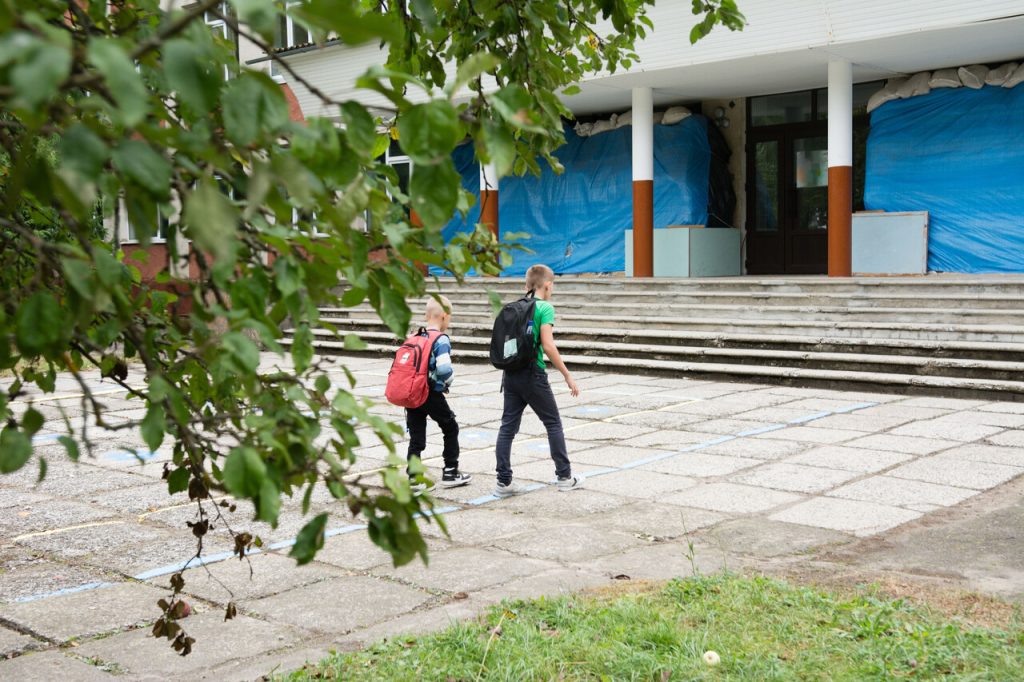
The turning point for these districts came when immigration enforcement activity started encroaching physically close to schools. In several cases, students reported seeing federal agents near pickup zones and school entrances. That visibility triggered intense anxiety in classrooms and living rooms alike. Kids who once arrived at school eager and prepared were now distracted, worried about whether their families might be next. Parents started keeping children home out of fear that crossing the school threshold might expose them to enforcement action. Attendance patterns shifted, academic progress stalled, and the very sense of safety that schools are supposed to provide was under strain.
School leaders, including superintendents and counselors, found themselves witnessing trauma firsthand and responding in real time. They were fielding questions from parents about policies, answering frightened students who didn’t understand why enforcement was there, and trying to reassure families while also respecting legal boundaries. In classrooms, teachers had to balance instructional time with emotional support. For communities that had never before experienced such direct impacts from federal enforcement, the sudden presence of ICE agents near schools was jarring. It highlighted a fundamental challenge: schools are more than academic institutions, they are centers of community life, and when enforcement activity disrupts that life, educators must respond.
From Local Concern to National Attention
As the situation unfolded, the responses of Fridley and Columbia Heights began drawing wider attention. Superintendents from both districts spoke publicly about the growing fear among students and families, their remarks covered by local and national media outlets. What had initially been a local concern quickly became emblematic of a broader debate about immigration enforcement and its effect on children and education. For many outside Minnesota, these districts became visible examples of how federal policy can collide with community life in unexpected ways. The personal stories emerging from classrooms and homes were reported alongside statements from administrators, casting a spotlight on districts that had previously operated under the radar.
Media requests escalated, and school leaders found themselves balancing transparency with sensitivity. They spoke at press conferences, participated in interviews, and authored statements outlining both the emotional toll on students and the district’s commitment to supporting families. That visibility brought with it both support and criticism. Some applauded district leaders for advocating for their students, while others felt schools should steer clear of what they saw as political territory. Regardless of perspective, the attention affirmed one clear reality: when schools are on the frontlines of community upheaval, they inevitably become part of the public conversation about policy and rights.
Supporting Families and Classrooms in Crisis

With students struggling emotionally and academically, both districts ramped up support services. School counselors, psychologists, and social workers became critical resources, offering sessions for students dealing with fear and distraction. Teachers received guidance on how to talk about difficult topics in age-appropriate ways, and administrators worked to make sure families felt heard and supported. Given the unprecedented nature of the situation, no playbook existed, so much of the response was situation-based and informed by listening to families directly.
This support extended beyond academic and emotional care. Schools worked with community organizations to connect families with legal assistance and other forms of practical help. Bilingual staff members became vital liaisons, helping bridge communication gaps and reassure parents that the district intended to protect students’ welfare. Attendance initiatives shifted from a single focus on learning to include safety, with educators checking in on students who had stopped coming to school. Those efforts underscored a broader understanding: education is not just about classroom instruction, it’s about safety, stability, and trust. When those elements are threatened, supporting students requires comprehensive, holistic approaches.
The Broader Educational Movement
The spotlight on these two small districts resonated beyond Minnesota. Educators in other states began sharing their own concerns and strategies at conferences, in online forums, and through professional networks. Teachers’ unions and school boards discussed the implications of enforcement activities near campuses, weighing legal obligations against community expectations. In some cases, districts adopted formal policies about how to respond when law enforcement interacts with students, drawing on the experiences of their Minnesota peers as a reference point.
Legal advocacy groups also entered the conversation, partnering with educators to articulate how schools can safeguard children’s rights while complying with the law. Model policies and guidelines began circulating, emphasizing student privacy, limiting law enforcement contact on school grounds, and ensuring that educational environments remain welcoming for all families. What began as a challenge in a pair of small districts evolved into a broader movement within education circles, one that recognizes that schools function not just as places of learning, but as community anchors that can and should advocate for students’ well-being in the face of external pressures.