

For many children in Minnesota, school used to mean routine. Morning bells, packed lunches, familiar teachers, and the steady rhythm of a normal day. Lately, that sense of stability has been shaken. Immigration enforcement actions in nearby neighborhoods have left some classrooms half empty and others filled with quiet anxiety. Students are missing days, families are staying home out of fear, and teachers are stepping into roles that go far beyond academics. What should feel like the safest place in a child’s life now carries a weight few schools were prepared to handle.
Fear in the Halls
There’s a heaviness in Minnesota schools that wasn’t there just a few months ago, and educators describe it not through data but through faces. Students who once arrived on time now wander in late, distracted, or subdued. Some disappear altogether for unpredictable stretches, leaving teachers to fill seats with unanswered questions. This isn’t a normal attendance issue. It’s the reverberation of fear. Federal immigration enforcement actions in and around communities, widely publicized and close to home, have cast a long shadow over school environments, making them feel less safe and more uncertain. Kids who used to talk about weekend plans now speak in hushed tones about parents who didn’t come home or siblings who were stopped by agents. The routines that once defined school life are strained by something far heavier.
Attendance records over recent weeks show spikes in absences that align with the timing of immigration raids. Educators note that these absences cannot be chalked up purely to illness or ordinary life disruptions. Instead, many families are keeping children at home out of fear, fear of what might happen as they travel to school, fear of what agents might ask or where their information might end up, fear of questions they are too young to answer. Even for students who are U.S. citizens, the anxiety is palpable. Children don’t understand court dates or immigration status, but they understand the absence of a caregiver and the tension at the breakfast table. For these kids, the school halls have become another site of uncertainty rather than a refuge.
The Emotional Toll on Children
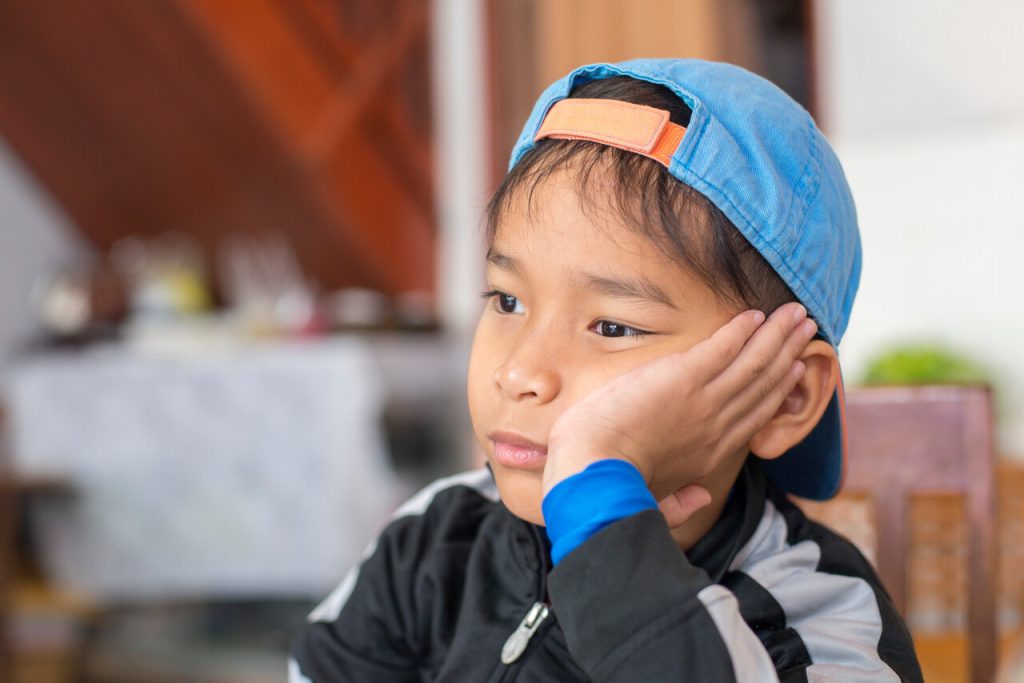
Kids don’t carry fear as adults do. They carry it in missed assignments, in restless eye contact, in sudden tears over slight provocations. Teachers report that students, once eager to participate, are now withdrawn or easily upset. Psychologists and child development specialists emphasize that trauma doesn’t always show up as dramatic behavior. Often, it shows up as distraction, withdrawal, and anxiety, subtle shifts that teachers see every day. Children aren’t just losing class time; they’re losing a sense of normalcy. The routines that once offered comfort, lining up for lunch, sharing jokes with friends, raising hands in class, now compete with worries that their families might be next to face enforcement action.
For younger students, this can be especially disruptive to emotional development. School is not just a place to learn reading and math. It’s where children build trust, test boundaries, and develop the social skills they carry into adulthood. When fear intrudes on that space, it can stifle confidence and create long-term emotional scars. Counselors report an increase in students seeking support not for academic stress but for stress rooted in uncertainty at home. This is not just about missed school days. It’s about interrupted childhoods. What school psychologists see in waiting rooms echoes what teachers see in classrooms: kids are carrying weights no child should have to carry.
Educators on the Front Lines
Teachers and administrators are suddenly on the frontlines of a crisis they never signed up for. They entered education to teach history and science, math and art, not to navigate fear triggered by immigration enforcement. Yet every day they adapt their lesson plans to account for gaps caused by absences. They answer questions about why students’ families aren’t present. They comfort children who don’t understand why someone with brown skin or an accent might be targeted. These are roles that go beyond textbooks into the realm of emotional first aid. Schools are becoming places where educators must monitor not just academic progress but emotional well-being.
Administrators have scrambled to implement supports ranging from enhanced counseling services to community liaisons who speak multiple languages. Some schools have started outreach efforts to families, making clear that attendance is supported and that educators are a resource for information about rights and safety. But this is a moving target. As policies shift and enforcement actions continue, educators must constantly reassess how to respond. They are balancing empathy with structure, trying to maintain academic standards while acknowledging that students are living through destabilizing experiences. What happens in these classrooms eventually shapes not just test scores but childhood memories and long-term attitudes toward learning and authority.
Legal Battles and Policy Pushback
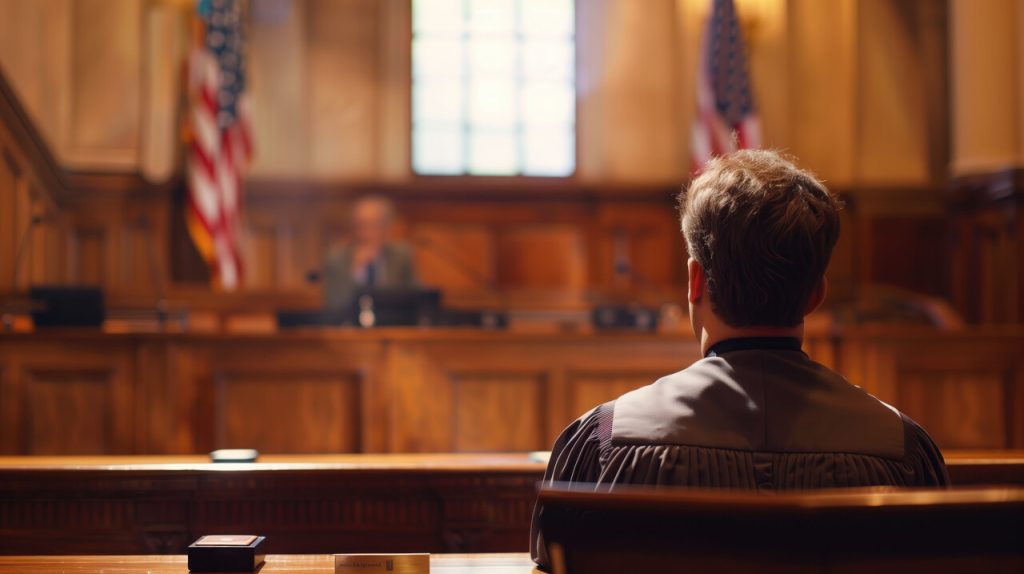
The tension between enforcement and education hasn’t just played out in cafeterias and classrooms; it’s moved into courtrooms and policy discussions. School districts and advocacy groups have begun legal actions aimed at limiting how and where immigration enforcement can take place. The argument is grounded in both federal law and educational policy: schools should be safe, neutral spaces where children can learn without being caught in the crossfire of enforcement actions. Legal filings emphasize that aggressive enforcement near schools can undermine children’s constitutional rights to education and safety.
Policy pushback also includes calls for clearer “sensitive location” protections, which are intended to restrict immigration enforcement near schools, hospitals, and places of worship. Advocates stress that while the intention behind these protections exists, the implementation has been inconsistent, leaving gaps that enforcement actions have exploited. These gaps have real consequences for families who fear that a trip to drop off a child could result in separation. As legal battles unfold, they raise questions about how the rights of children are being weighed against federal priorities. The courtroom debates reflect a broader struggle over how best to balance enforcement with the foundational right to education.
What This Means for Minnesota’s Future
The effects of these enforcement actions reach far beyond isolated absences. When a generation of students begins associating school with fear rather than curiosity, the long-term implications ripple through community cohesion, academic achievement, and civic trust. Students who miss large amounts of school risk falling behind academically, which can limit future opportunities and widen educational disparities. More fundamentally, when young people see the systems designed to protect them entangled with policies that make their families vulnerable, it alters how they see authority and belonging.
Communities are now wrestling with what it will take to rebuild a sense of safety. That might include policy reforms, clearer protections, community partnerships, and sustained mental health support in schools. It might also mean rethinking how public institutions communicate with families about their rights and what they can expect when interacting with enforcement agents. For Minnesota, this moment is more than a local crisis. It’s a test of how a community preserves childhood, dignity, and learning in the face of fear. The weight left behind by these raids is heavy, and schools, along with families and policymakers, are still figuring out how to carry it.
References
- Absences and loss of innocence: ICE raids leave behind a heavy weight in Minnesota schools – cnn.com
- Absences and loss of innocence: ICE raids leave behind a heavy weight in Minnesota schools – ground.news