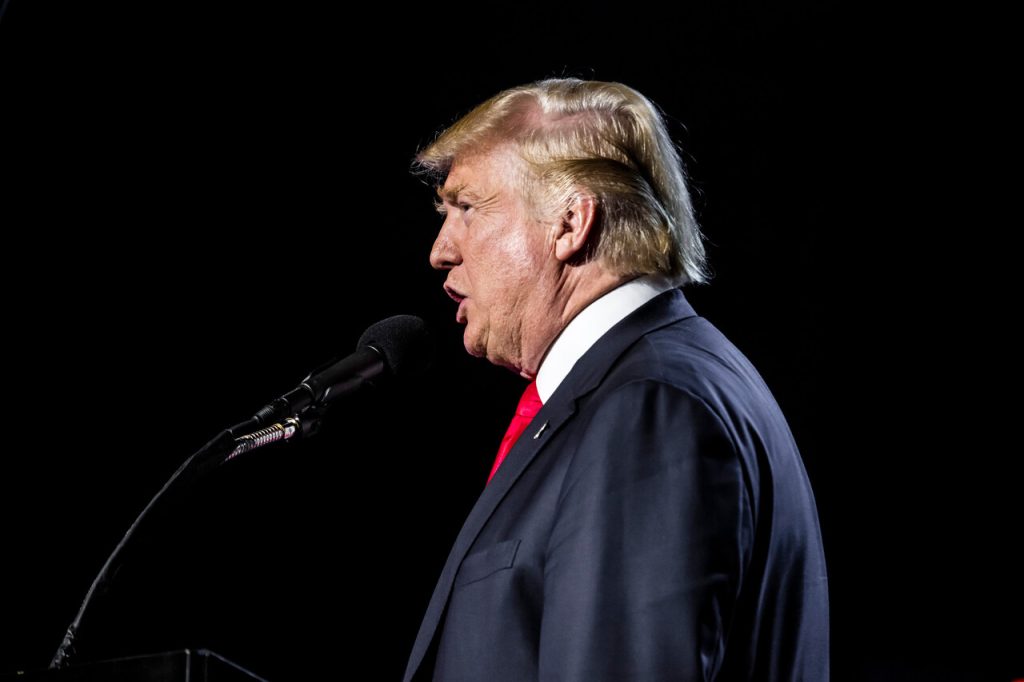
A deadly shooting in Minneapolis set off a rapid chain reaction inside the Trump administration, compressing months of political calculation into a matter of hours. What initially appeared to be a routine show of force in an aggressive immigration operation quickly became a national flashpoint, fueled by video evidence, public outrage, and growing concern from lawmakers in both parties. As protests spread and questions mounted about federal tactics and accountability, the White House was forced to reassess its approach in real time. The result was a rare and revealing moment where pressure, optics, and internal dissent converged to force a sudden change in course.
How a Minneapolis Shooting Forced a Strategic Pivot
In January 2026, a deadly encounter in Minneapolis became a turning point for President Donald Trump’s immigration enforcement strategy. Federal agents deployed under Operation Metro Surge fatally shot Alex Pretti, a 37-year-old U.S. citizen and ICU nurse, during a clash that erupted in the streets of Minneapolis. The shooting, captured and broadcast widely on video, contradicted early claims by federal authorities about Pretti’s actions and rapidly became a focal point of public outrage and political scrutiny. The images and reporting circulated on cable news and social media, pushing the incident into the national spotlight and forcing Trump and his advisers to reassess their approach. The scale of backlash, from lawmakers, local officials, and the broader public, created pressure that could not be ignored inside the administration.
Within roughly 48 hours of the shooting, the political context shifted dramatically. What had begun as a show of federal strength morphed into a public relations and policy challenge. Trump’s initial narrative, amplified by top advisers, portrayed the incident as a justified law enforcement action, but the narrative quickly unraveled under scrutiny. Public opinion mattered, and the sustained media attention, combined with political pressure from both Democratic and Republican figures, made it increasingly clear that the status quo was untenable. Officials struggled to contain the fallout, leading to a rare rethink by a president who typically resists changing course once a policy is set.
Early Administration Response and Controversy
The Trump administration’s first public responses to the fatal shooting were forceful and framed in strong terms. Homeland Security Secretary Kristi Noem and Border Patrol Commander Gregory Bovino, architects of the aggressive immigration enforcement push, initially described Pretti as a violent threat, with some aides labeling him a “domestic terrorist” and alleging he was brandishing a weapon during the encounter. These assertions were disseminated by senior advisers in an attempt to justify the operation and defend the agents’ actions. The messaging was meant to reinforce the administration’s broader immigration stance, which emphasizes strict enforcement and deterrence.
Yet official accounts began to fall apart as video evidence contradicted key elements of the narrative. Footage widely circulated showed Pretti holding what appeared to be a phone rather than posing an immediate threat to agents before the shooting. National news outlets and social media commentators highlighted these discrepancies, eroding confidence in the official line. Even within the administration, there were signs of discomfort with the earlier rhetoric, leading to more measured public statements from Trump himself, who called for an “honest investigation” and described the shooting as “very sad” while distancing himself from some of the sharper characterizations offered by aides.
Political Pressure From Within the GOP
The controversy did not remain confined to media debates; it quickly became a matter of internal political concern. Republican lawmakers who have traditionally supported strong immigration enforcement expressed unease with the handling of the situation and the messaging surrounding it. Some emphasized that constitutional rights, including lawful gun ownership, must be respected, even in tense encounters with federal agents. This intra-party pressure signaled that the fallout could damage broader GOP objectives if not addressed. Driven by concerns about public opinion and potential electoral implications, influential allies began urging a recalibration of the strategy in Minnesota. These voices called for a more measured enforcement focus, highlighting the need to balance immigration priorities with respect for civil liberties and community stability.
Trump’s Calculated Shift in Minnesota Policy
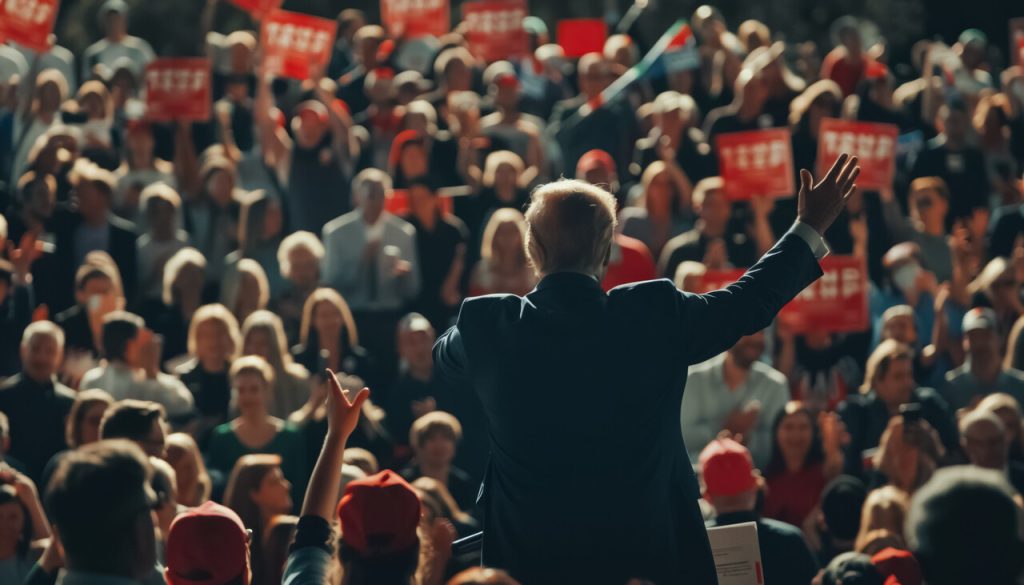
Faced with mounting criticism and a growing sense that the operation had become a liability rather than an asset, President Trump made a significant policy adjustment within 48 hours of the shooting. Rather than doubling down on the aggressive enforcement posture, he opted to change course in Minnesota by dispatching veteran immigration official Tom Homan, known within the administration for a more targeted enforcement philosophy, to assume operational control. At the same time, Border Patrol commander Gregory Bovino, who had been a central figure in the hardline approach, was reassigned away from Minnesota, signaling a fresh start.
Trump’s pivot also included efforts to engage more constructively with state and local leaders, including Minneapolis Mayor Jacob Frey and Minnesota Governor Tim Walz. White House officials described these meetings as “productive starting points” for better cooperation, to reduce tensions, and craft a less confrontational enforcement strategy. While the administration insisted immigration enforcement would continue, the emphasis shifted toward safer, more targeted operations that focus on individuals with serious criminal histories rather than broad, militarized sweeps. The strategic recalibration was a clear attempt to address both political and practical concerns while maintaining core elements of the president’s immigration agenda.
The Broader Fallout and Remaining Tensions
Even as Trump’s shift indicated a tactical de-escalation, the incident’s broader consequences continue to ripple across Minnesota and national politics. The revised approach, reducing the number of federal officers and emphasizing cooperation with local and state authorities, was only a partial answer to widespread demands for accountability and transparency. Protests in Minneapolis remain active, with activists calling for a complete withdrawal of federal immigration agents and continued scrutiny of enforcement practices that sparked deadly clashes.
At the same time, legal and political challenges persist. Federal judges have intervened to ensure evidence from body-camera footage is preserved amid disputes over access, and Minnesota officials have criticized the initial handling of the investigation and scene. Meanwhile, Democrats in Congress are pushing for legislative oversight and reforms to curb federal enforcement authority. The back-and-forth over tone and tactics in Minnesota illustrates a larger national debate about how immigration policy is implemented and the balance between enforcement and civil liberties. Whether the administration’s tactical adjustments will satisfy critics on either side remains to be seen, but the episode has already reshaped discussions around immigration enforcement, public safety, and executive decision-making in a deeply divided political landscape.
References
- The 48 Hours That Convinced Trump to Change Course in Minnesota – wsj.com
- The 48 hours that convinced Trump to change course in Minnesota – theaustralian.com.au