
A dinosaur that roamed the Earth around 75 million years ago is giving scientists a rare opportunity to uncover clues about prehistoric life, and museum visitors can watch the investigation unfold. Paleontologists at the North Carolina Museum of Natural Sciences are studying an unusually complete, ostrich-like dinosaur fossil recovered from southern Utah. The discovery could represent a species new to science, making the ongoing research especially exciting. From its unusual anatomy to the remarkable efforts required to transport it, here are six things to know about this ancient fossil.
A 75-Million-Year-Old Dinosaur Fossil Is Being Prepared at a Public Museum
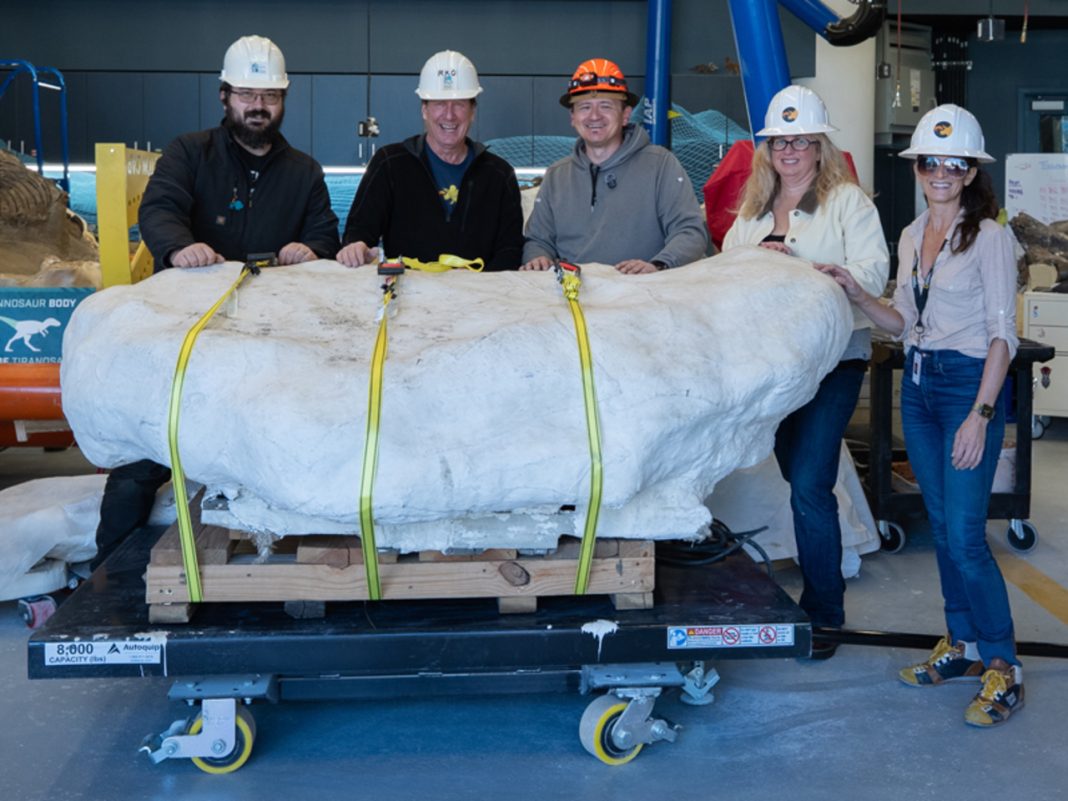
A remarkable discovery from the age of dinosaurs is about to give museum visitors an unusual opportunity to watch paleontology unfold in real time. Paleontologists from the North Carolina Museum of Natural Sciences and the Natural History Museum of Utah worked together to excavate a roughly 75-million-year-old dinosaur fossil from Grand Staircase-Escalante National Monument in southern Utah. The specimen dates to the Late Cretaceous Period, when dinosaurs still dominated terrestrial ecosystems. Rather than keeping the fossil hidden away while scientists study it, the North Carolina museum plans to prepare and examine it inside its SECU DinoLab in Raleigh, where visitors can watch the research take place. The project is being led by Lindsay Zanno, the museum’s head of paleontology, and her team. As scientists carefully remove the surrounding rock and study the preserved bones, they hope to uncover details about the animal’s anatomy and evolutionary history. The process may take time, but making the research visible gives the public a chance to see how scientists turn ancient remains into new discoveries.
The Rare Fossil Is the First Substantially Complete Skeleton of Its Kind Found in Southern Utah
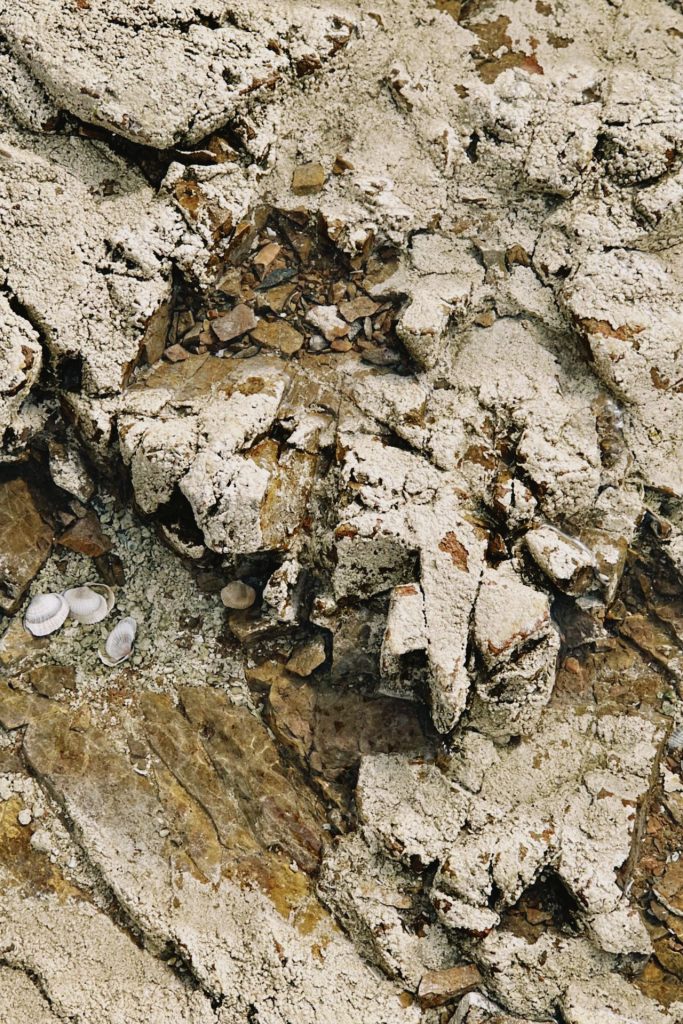
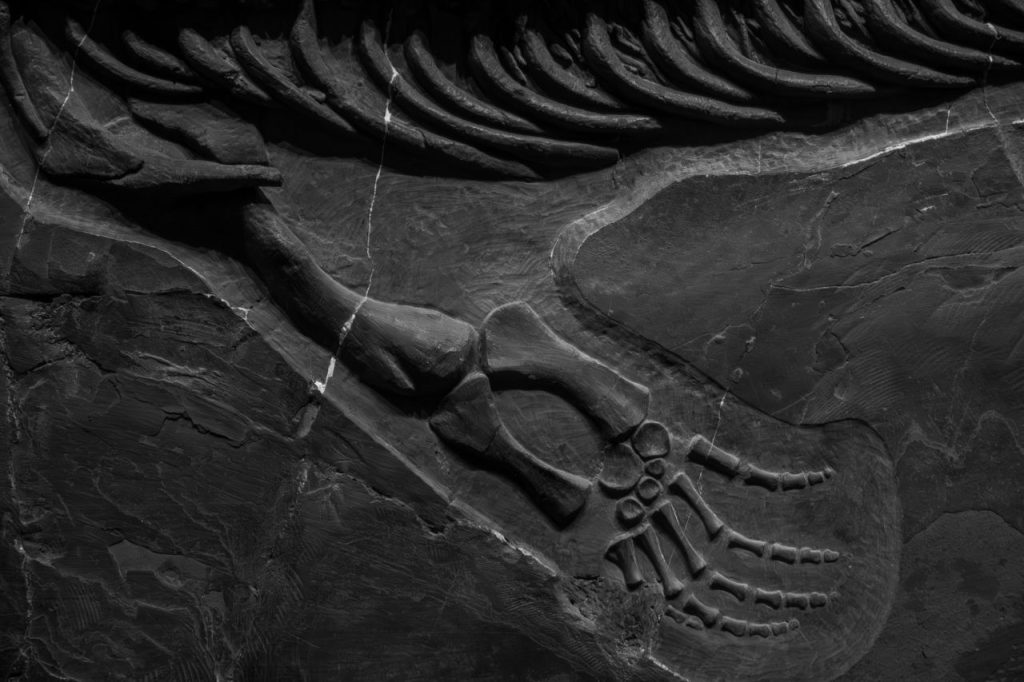
Finding dinosaur bones is exciting, but discovering a skeleton that preserves much of an animal’s body can be far more valuable to researchers. The newly excavated specimen is the first substantially complete skeleton of its kind discovered in the region, making it an important addition to what scientists know about dinosaurs from southern Utah. The fossil was recovered from Grand Staircase-Escalante National Monument, an area known for its extensive geological record and fossils from the Late Cretaceous. A substantially complete skeleton can help researchers examine how different bones fit together, estimate body proportions, and compare the animal with related dinosaurs. These details are often difficult to establish when scientists have only isolated teeth, skull fragments, or a few scattered bones. The specimen’s preservation may also help researchers identify features that distinguish it from previously described species. However, the fossil’s precise scientific identity remains uncertain while preparation and analysis continue. Its importance lies not only in its age, but also in the possibility that a relatively complete skeleton could answer questions that fragmentary discoveries have left unresolved.
The Ostrich-Like Dinosaur Was a Fast Runner With a Toothless Beak
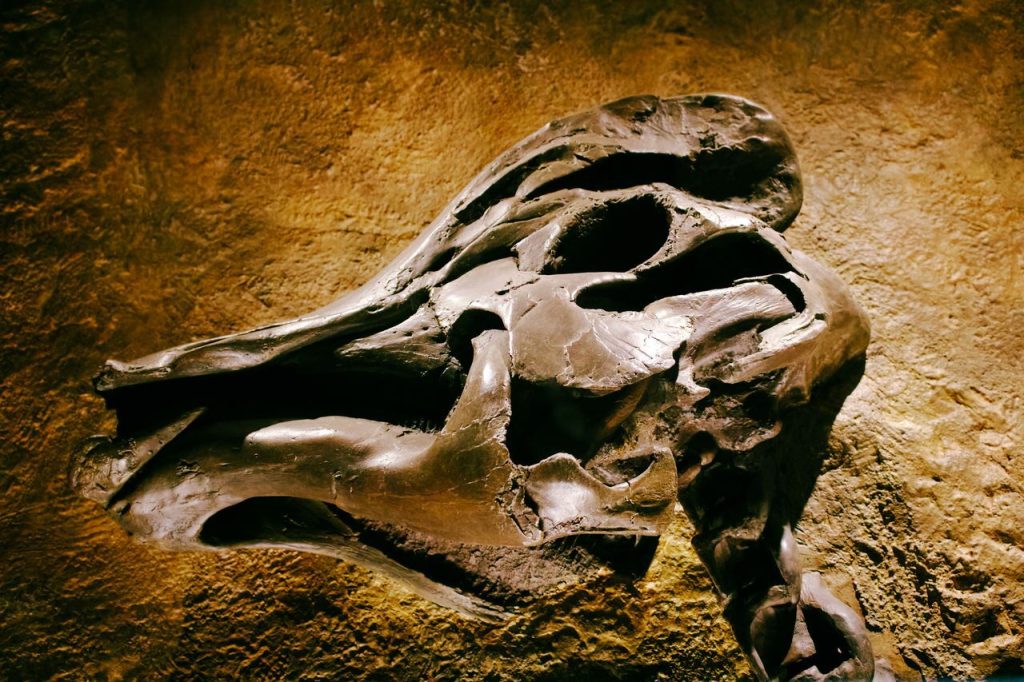
At first glance, this ancient dinosaur might bring a modern ostrich to mind, although the resemblance comes from its body form rather than a close relationship with today’s birds. The fossil belongs to a group of theropod dinosaurs known as ornithomimids, often called ostrich-mimic dinosaurs because of their long legs, lightweight builds, and generally birdlike proportions. Scientists estimate that this individual measured roughly 8 to 10 feet long when alive. Members of this group were adapted for moving quickly on their hind legs, and their long limbs suggest that running played an important role in their lives. They also had toothless beaks, unlike many other theropods with mouths full of sharp teeth. Ornithomimids are generally understood to have had varied diets, with evidence suggesting that some consumed plant material and small animals or other food sources. The precise diet and behavior of this particular dinosaur cannot be established from its general appearance alone. By studying its bones and comparing them with other ornithomimid fossils, researchers hope to learn more about its anatomy and how it fits into the evolutionary history of these unusual dinosaurs.
Scientists Believe the Specimen Could Represent a Dinosaur Species New to Science
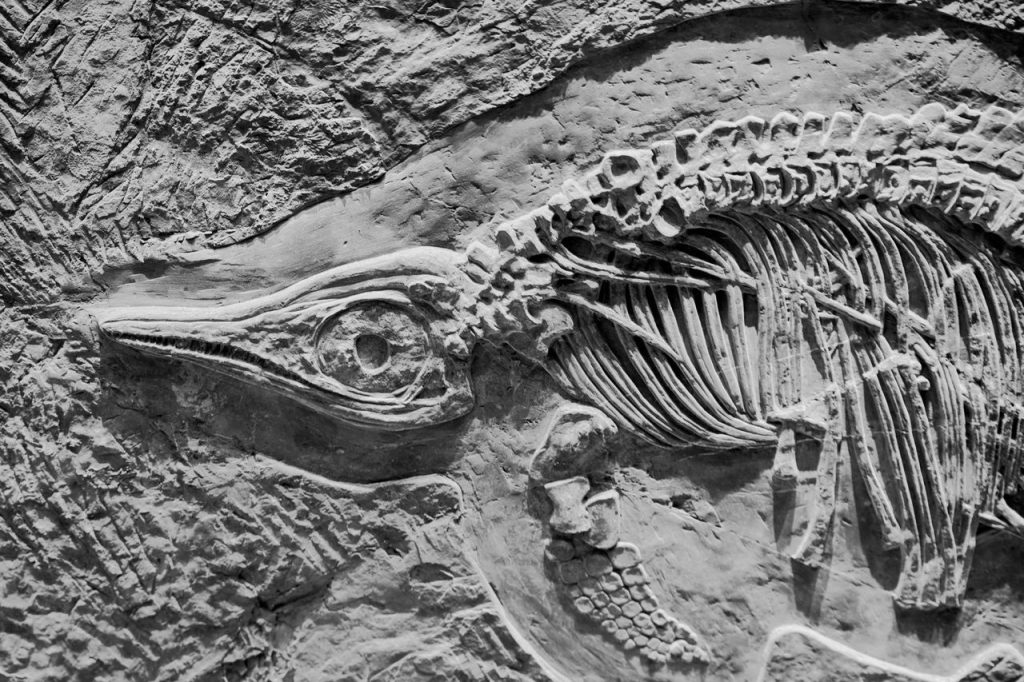
The possibility that this fossil belongs to a previously unknown dinosaur species is one of the most intriguing aspects of the discovery. Lindsay Zanno and her colleagues believe its unusually complete preservation could allow it to become the defining specimen, known as a holotype, of a species new to science. A holotype serves as the primary reference point scientists use when describing and naming a new species. Establishing that identity requires more than finding an old skeleton in good condition. Researchers must carefully prepare the fossil, document its anatomical features, compare those features with related dinosaurs, and determine whether the differences are significant enough to justify recognizing a distinct species. The process may involve detailed measurements, imaging, and comparisons with specimens held in other museums. Even though the fossil is approximately 75 million years old, its scientific identity has not yet been confirmed. If the evidence supports a new species, the specimen could help scientists refine their understanding of ornithomimid diversity and evolution during the Late Cretaceous. Until that work is completed and the findings are formally published, the possibility remains an exciting research question rather than a confirmed discovery.
A 5,000-Pound Plaster Jacket Protected the Fossil During Transport
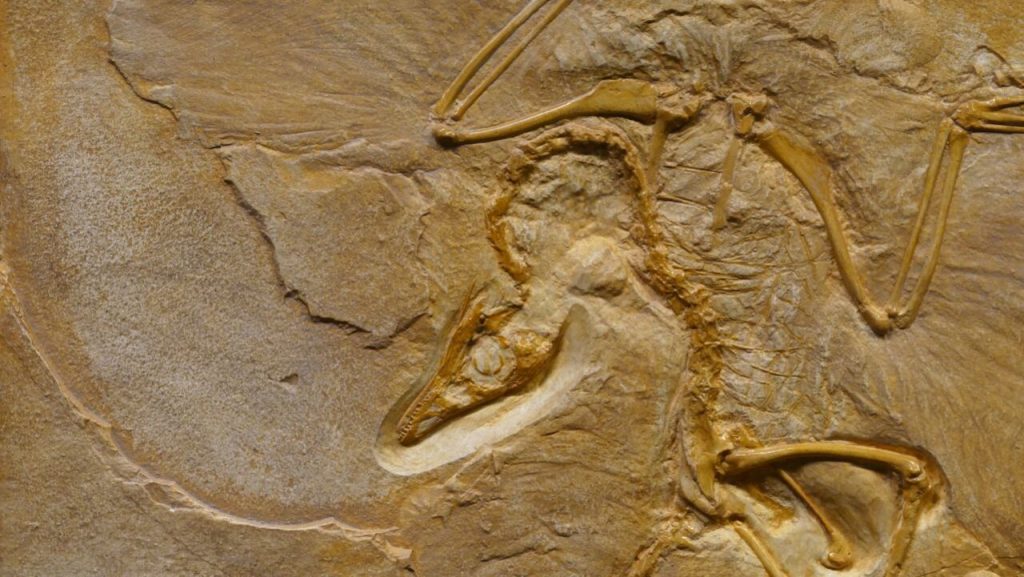
Moving a large dinosaur fossil from an excavation site to a research laboratory is a delicate operation that can require substantial protection. In this case, the specimen was enclosed in a plaster jacket weighing approximately 5,000 pounds before it was transported from the field. Such jackets are used to stabilize fossils and the surrounding rock, helping prevent fractures or the loss of fragile pieces during excavation and travel. Paleontologists often leave a significant amount of rock around a fossil rather than attempting to expose every bone immediately at the dig site. The surrounding material can provide structural support until the specimen reaches a controlled laboratory environment, where specialists have the time and equipment to work carefully. A jacket of this size also reflects the practical challenges of handling a large fossil block, including lifting, securing, and transporting it safely. Once the specimen reaches the museum, researchers can gradually remove the protective casing and begin preparing the fossil for study. The process requires patience because even a small mistake could damage features that have survived for tens of millions of years. Preserving those details is essential when a specimen may hold evidence of a previously unknown dinosaur species.
Visitors Can Watch Paleontologists Study the Fossil Inside the SECU DinoLab
Museum visitors will not have to wait until the research is finished to see this dinosaur become part of a scientific investigation. The fossil is scheduled to be prepared inside the SECU DinoLab at the North Carolina Museum of Natural Sciences in Raleigh, a public-facing research laboratory where guests can observe paleontologists working on real specimens. Led by Zanno and her team, the project will give visitors a closer look at the careful work involved in studying fossils, from removing surrounding rock to documenting individual bones and comparing anatomical features. This approach also helps explain why paleontology is rarely a matter of simply digging up a skeleton and putting it on display. Researchers must ask questions, examine evidence, test interpretations, and sometimes revise their conclusions as new information emerges. The museum designed the DinoLab to let the public follow that process while discoveries are still unfolding. Visitors may see the fossil’s preparation progress over time, although the pace and duration of the work will depend on the specimen’s condition and the questions scientists need to investigate. The project offers a rare opportunity to watch scientific research happen in person while experts work to understand a dinosaur that lived millions of years before humans appeared.