

For international students in Minnesota, college life was already a balancing act of academics, visas, finances, and cultural adjustment. The recent surge in immigration enforcement has added a new and unsettling layer to that experience. Even students with valid documentation say the atmosphere has shifted, with heightened anxiety filtering into classrooms, dorms, and daily routines. As protests unfold and campuses adapt, the pressure is no longer confined to headlines. It is shaping how students study, socialize, and plan their futures in a state that has long relied on their presence and contributions.
A New Layer of Stress on College Campuses
Life as an international student always comes with a built-in set of challenges: adjusting to a new culture, managing visa requirements, navigating financial expectations and maintaining academic performance. But in Minnesota, recent federal immigration enforcement actions have added an unexpected and heavy burden to that load. Students who came to study engineering, business, health sciences or the arts now find themselves watching local headlines about immigration raids with growing unease, unsure whether the next report will involve someone they know or someone on their campus. What once felt like a temporary phase of intense personal growth now carries an undercurrent of anxiety that bleeds into daily routines.
International students describe a shift in how they perceive their surroundings. Dorm hallways that once hummed with weekend study groups or casual hallway conversations now feel more subdued because talk inevitably circles back to immigration activity and its implications. Students who had planned to attend local events or weekend trips are reconsidering those plans because of fear of checkpoints or unexpected encounters with enforcement agents. Even with proper documentation and legal status, international students say they feel unease amplified by reports of aggressive enforcement actions against immigrants nearby. Navigating college life under these conditions requires mental and emotional energy that extends far beyond textbooks and exams.
Classroom Anxiety and Community Fear

The ripple effects of immigration enforcement stretch into classrooms, where international students are trying to focus on coursework while their minds simultaneously track family members, community developments, and legal uncertainties. Attendance and participation, once straightforward elements of academic success, are now affected by fear. Some students report arriving late to class because they took longer routes to avoid potential enforcement presence. Others mention peers missing days entirely because they or their families chose to stay home rather than risk exposure. These patterns aren’t just disruptions to academic progress; they are reflections of students’ genuine concern for safety and well-being.
Counselors and faculty members have also observed a noticeable change in demeanor among international students. Students who once readily engaged in class discussions now speak timidly, not for lack of ideas but out of fear that standing out in any context might make them more visible. Some have shared that they’re hesitant to use campus spaces at certain times of day or avoid group projects that require close contact with peers, worried that being in larger groups near off-campus areas could increase exposure to enforcement actions. Even when legal protections are in place, the psychological impact of a pervasive enforcement narrative can make students feel less secure and more isolated, compromising the very support networks they rely on to succeed academically and socially.
Schools Adapt to a Changing Reality
Faced with rising anxiety among international students and the broader student population, schools have had to respond with more than just academic advising. Universities and colleges in Minnesota have ramped up counseling services, offering dedicated appointments for students grappling with stress related to immigration enforcement. Some institutions have expanded partnerships with legal aid providers so students and their families can get accurate information about rights and protections. These efforts are designed to reduce confusion and fear that can snowball when misinformation circulates widely.
K-12 schools are also adapting, mindful that fear in families affects children’s ability to learn. Some schools have implemented more robust support systems, including trauma-informed training for teachers and additional school psychologists to help younger students process their concerns. Remote instruction options, while not ideal for all academic programs, have also been made more accessible for students whose families feel safer keeping them home during times of heightened enforcement activity. Administrators emphasize that these measures are not long-term solutions but necessary adjustments to ensure that education remains accessible and safe amid ongoing uncertainties. These responses highlight how educational institutions are stepping beyond their traditional roles as academic providers to become anchors of stability for vulnerable students.
Protests and Campus Activism

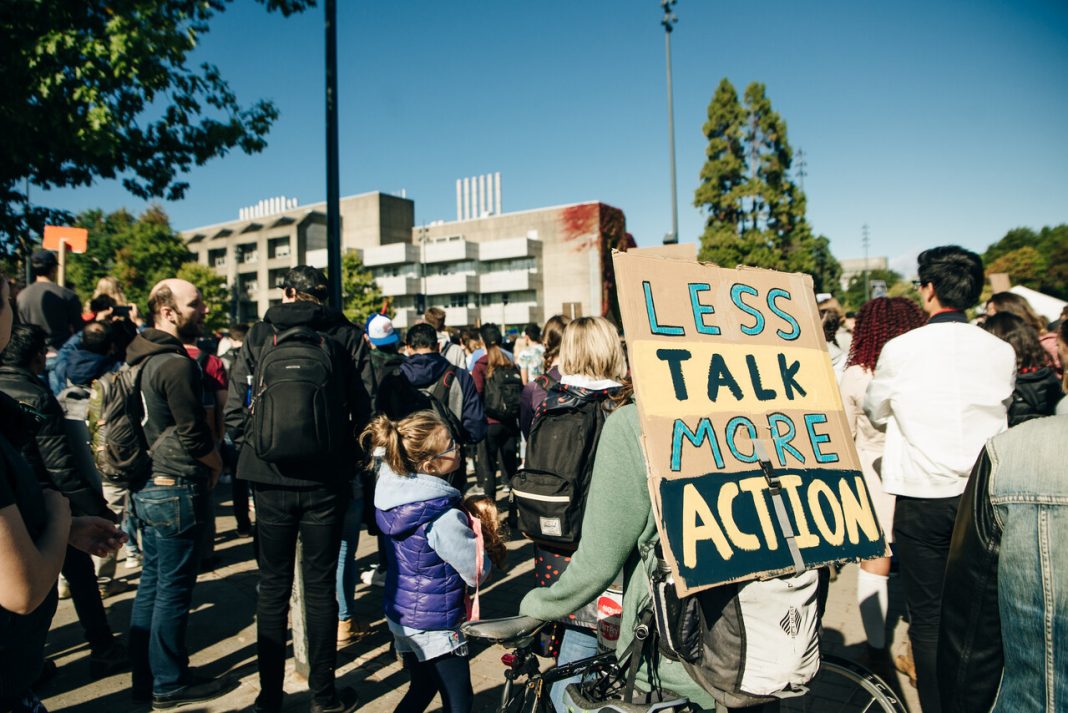
The enforcement surge hasn’t just led to fear and withdrawal; it has also inspired action and activism among Minnesota’s student communities, including international students eager to protect their rights and those of their classmates. Campuses have seen rallies, teach-ins, and collaborative events with local advocacy groups focused on immigrant rights. These gatherings aim to raise awareness about the enforcement climate and create solidarity across student populations. For many, activism isn’t just a political statement; it’s a way to reclaim agency in a situation that feels deeply destabilizing.
Participation in protests has also opened space for international students to connect with broader communities that share similar concerns, bridging gaps between different student groups and residents. However, activism carries its own risks and pressures. Students worry that visible involvement might make them targets for scrutiny or retaliation, even though protest participation is constitutionally protected. Balancing civic engagement with personal safety considerations becomes another layer of complexity in an already tense environment. As a result, campus activism is both a sign of resilience and a reminder of the emotional tightrope many international students walk daily.
Looking Ahead: Academic Futures in Question
What Minnesota’s situation underscores is that the current enforcement climate has implications that extend well beyond immediate fears and short-term adjustments. International student enrollment is a significant contributor to the state’s educational and economic landscape. These students pay tuition, enrich campus diversity, fuel local spending, and often transition into roles that benefit Minnesota’s workforce. A prolonged environment of fear and disruption could dampen international enrollment in the coming years, as prospective students choose destinations perceived as safer or more welcoming. That has implications not just for individual institutions but for the state’s broader academic reputation and economic vitality.
The longer-term concern is not just enrollment numbers but the talent pipeline. Minnesota’s colleges and universities are incubators of future leaders, researchers, and innovators. When students feel confident and supported, they perform better academically and are more likely to contribute meaningfully to their communities post-graduation. Conversely, when fear and uncertainty intrude into daily life, it affects retention rates, academic performance, and the overall student experience. For international students already juggling the demands of visas, academics, and personal lives, the added pressure of enforcement fallout could tip the balance against long-term success. Addressing these challenges requires ongoing dialogue, policy clarity, and support mechanisms that reflect the complexity of students’ lives both in and outside the classroom.