
Minnesota’s export economy hit a rough patch in the third quarter, with new data showing a sharp drop in the value of goods shipped overseas. After a period of relative stability, the downturn has raised concerns among manufacturers, energy producers, and state officials who closely track international trade as a barometer of economic health. The slowdown was driven largely by a steep fall in fuel and oil exports, but weakness also appeared across several manufacturing categories. For Minnesota, where exports support thousands of jobs and small businesses, the figures highlight how quickly global shifts can ripple through the local economy.
Minnesota’s Export Decline Hits Key Sectors
Minnesota’s economy felt a jolt late last year as international shipments contracted sharply. After a period of modest gains, state export figures for the third quarter showed a notable decline, surprising some analysts and business owners who had expected steadier performance. The total value of exports out of Minnesota fell significantly compared with the previous quarter, interrupting a pattern of gradual growth. This drop matters because exports are a key driver of the state’s economic engine, supporting manufacturers, farm operations, and service providers alike. When overseas demand softens, the effects ripple through jobs, production schedules, and broader economic expectations.
The data shows a clear downward shift. While Minnesota’s export totals had hovered at stable levels earlier in the year, the third quarter figures revealed both volume and value declines. This isn’t just a rounding-error dip. In raw terms, Minnesota experienced a double-digit percentage drop from the previous quarter. Observers point out that such swings can have outsized impacts on small and medium-sized enterprises that rely on consistent international demand. Unlike domestic sales, where a company can pivot quickly to local markets, foreign markets often require longer lead times, specialized logistics, and sustained relationships, all of which become more tenuous in a downturn. For Minnesota, this export contraction underscores vulnerabilities in key sectors and the need for strategies that maintain competitiveness abroad.
Energy Exports Plunge Drives the Downturn

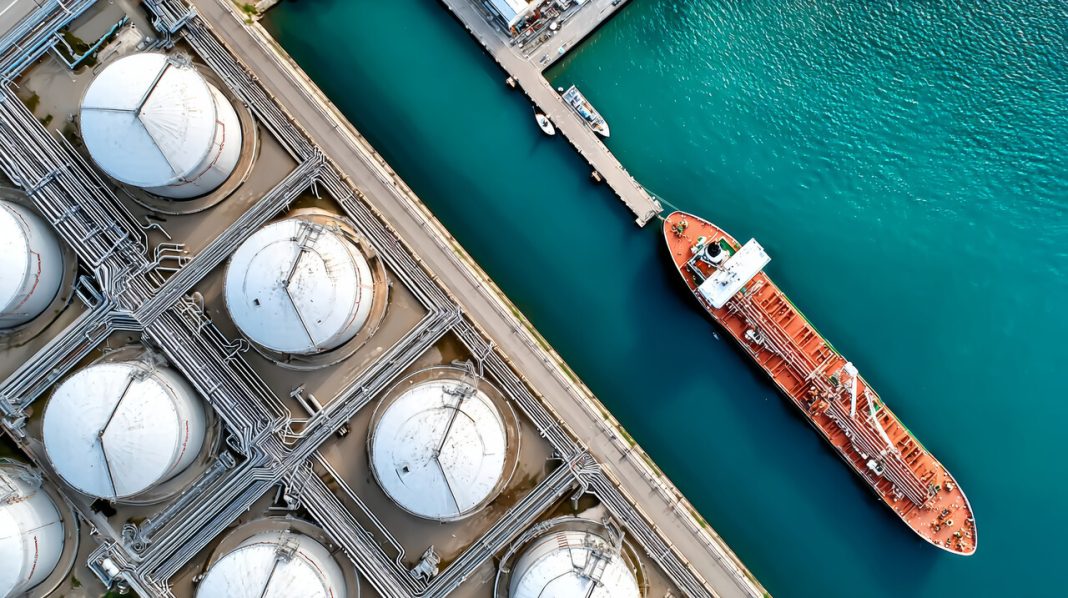
The most dramatic element of Minnesota’s export slowdown was the collapse in shipments of mineral fuels and oil, two categories that had previously buoyed the state’s international trade totals. Minnesota’s energy exports, particularly to neighboring Canada, saw a steep reduction, contributing heavily to the overall fall in export value. In previous quarters, these shipments helped offset weaknesses in other categories like machinery or electronics. When fuel and oil demand faltered, the gap was too large for other exports to cover, dragging down the entire export ledger.
Industry experts point to a mix of factors behind the energy slide. Global energy markets have been volatile, and shifts in Canadian and U.S. production, pricing, and transportation costs have affected cross-border flows. When the price of crude and refined products softens on the global market, state export figures reflect that drop almost immediately. For Minnesota, a state that doesn’t typically dominate national energy production but participates actively in regional energy commerce, these fluctuations are a stark reminder of how interconnected local economies have become with broader global markets. It’s not just about how much energy is produced, but where demand is headed and how efficiently the product can reach those buyers.
Broader Weakness Across Manufacturing and Trade Partners
Beyond energy, Minnesota also saw declines in other export categories that had been mixed drivers of trade growth in recent years. Shipments of machinery, vehicles, and precision parts, staples of the state’s manufacturing base, softened as global demand cooled. Exporters who previously relied on a steady cadence of orders found themselves competing in a more crowded and price-sensitive environment. These goods often travel to longtime partners in Mexico and China, but in the third quarter, demand from those markets flagged alongside broader economic concerns in those regions.
Trade relationships can be fickle when tied too closely to economic cycles. Mexico’s manufacturing sector, for example, has faced pressures from slowing consumer demand, affecting how much it buys from key U.S. suppliers, including those in Minnesota. China’s economic growth also moderated in recent quarters, reshaping global import patterns. For Minnesota’s exporters, who have invested in long-term relationships with buyers in these countries, that moderation translated into fewer orders and delayed contracts. The result is a reminder that export success is not just a matter of domestic production capacity but of global timing, competitiveness, and the economic health of trade partners.
Bright Spots Amid the Slowdown

Even in a quarter marked by contraction, not all Minnesota export categories declined. There were areas of resilience that signal potential paths forward. Exports to regions outside North America, including Europe and parts of Asia, showed signs of growth or relative stability. Certain niche products, from specialized agricultural goods to segments of the food processing industry, continued to find reliable demand. These bright spots suggest that Minnesota’s export framework isn’t collapsing; it’s shifting. The challenge for state businesses and policymakers is identifying which markets and products offer the most sustainable opportunities for growth.
Food and fertilizer products, for instance, demonstrated strength even as fuel exports faltered. Minnesota’s agricultural exports have traditionally been a dependable segment of trade, supported by established supply chains and global demand for quality grains and processed foods. Similarly, sectors tied to industrial chemicals and refined inputs found pockets of demand in markets that were less affected by the energy slump. These examples show that a diversified export profile can mitigate the impact of sector-specific downturns. For Minnesota’s economic planners, the goal will be to expand these stable areas while finding ways to reinvigorate lagging segments.
What State Officials Are Saying
Officials with Minnesota’s Department of Employment and Economic Development described the third-quarter export slowdown as a mixed signal, concerning in its size, but not necessarily indicative of long-term decline. In public statements, they acknowledged the drop while emphasizing ongoing efforts to strengthen Minnesota’s global trade footprint. Leaders pointed to initiatives aimed at helping businesses access new markets, providing export assistance through trade missions, and leveraging partnerships with federal agencies to reduce barriers for smaller exporters. They framed the downturn as cyclical rather than structural, emphasizing Minnesota’s underlying economic diversity and adaptability.
In addition, policymakers are closely watching data from the fourth quarter and early 2026 to determine whether the third-quarter decline is a temporary pause or part of a broader trend. There is a concerted effort to engage directly with affected industries, offering workshops and resources that help local companies navigate changing global demand. State officials also highlight that shifting export patterns are not unique to Minnesota; many U.S. states reported similar pressures in late 2025, linked to global economic conditions beyond local control. This broader context, coupled with targeted assistance programs, informs how Minnesota plans to support its trading community through both short-term adjustments and long-term strategy.
References
- Minnesota experiences third-quarter drop in exports – mrpnews.org
- Minnesota’s Exports Drop in Third Quarter; Mineral Fuel and Oil Drive Decline – mn.gov
- Minnesota exports fall 14% in third quarter as fuel and oil shipments plunge – dailyplanetdc.com