

One month after a fatal federal law enforcement shooting shook Minneapolis, hundreds of people returned to the streets to remember the life lost and to press for answers. What began as grief has evolved into sustained public action, with community members gathering to mark the anniversary and call for greater transparency around immigration enforcement. The march blended memorial and protest, as families, students, clergy, and activists walked together through downtown, determined to show that the events of that day still carry weight across Minnesota.
When Hundreds Took to Minnesota Streets
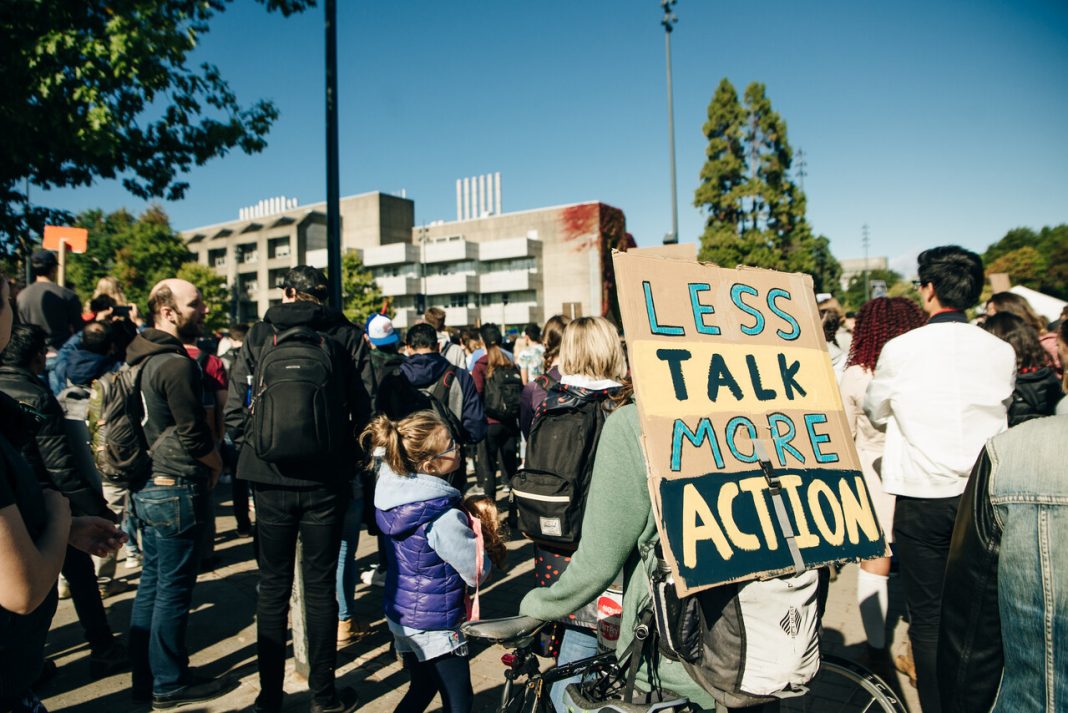
On a chilly afternoon in downtown Minneapolis, hundreds of people gathered to march, not for a festival or holiday, but to mark a somber milestone: one month since a fatal federal law enforcement shooting that shocked the community. What began as a hometown tragedy quickly grew into a flashpoint of local and national attention, prompting grief, anger, and deep questions about federal authority. On this day, marchers filled sidewalks and city blocks, their footsteps carrying a shared weight of loss and a visible expression of community resolve. For many, simply showing up was meaningful, a reminder that the incident was not forgotten and that its ripple effects continue to shape conversations about justice and accountability.
As the crowd assembled, there was a mix of emotions in the air. Some wore shirts or carried signs bearing the name of the man whose death sparked the anniversary, keeping his memory central to the day’s message. Others came with family, bringing young children or elders, suggesting that the march was more than political; it was a collective act of remembrance. Observers from across the Twin Cities region and beyond came to stand alongside neighbors, friends, and strangers alike, united by a sense that the event one month ago was not just a moment but a turning point. In that shared experience, the march captured both the specific grief of those directly affected and the broader community’s search for meaning in the aftermath.
The Rally for Memory and Justice

At the heart of the march was a ceremony that honored the life of a local man whose death during an encounter with federal agents sparked outrage and debate. As speakers took turns at a makeshift podium, they spoke not only of loss, but of humanity, who he was as a person, a parent, a worker, a friend. They insisted that remembering his full life was essential to understanding the tragedy that had unfolded. For participants, the rally was about more than protest. It was about recognizing the dignity of someone taken too soon and amplifying the belief that every life carries value and deserves respect.
But memory was inseparable from calls for justice. Speakers and marchers alike challenged what they saw as a pattern of vague explanations and conflicting statements from federal authorities. They demanded transparency, accountability, and a thorough investigation into how and why the shooting occurred. This dual focus, honoring the individual while demanding systemic clarity, underpinned the event’s tone. Rather than descending into chaos, the rally maintained a purposeful seriousness, driven by the belief that remembrance and responsibility can coexist. For those gathered, this was not the end of a story but the beginning of sustained action aimed at better understanding and preventing such events in the future.
Confrontations and Arrests at Federal Sites
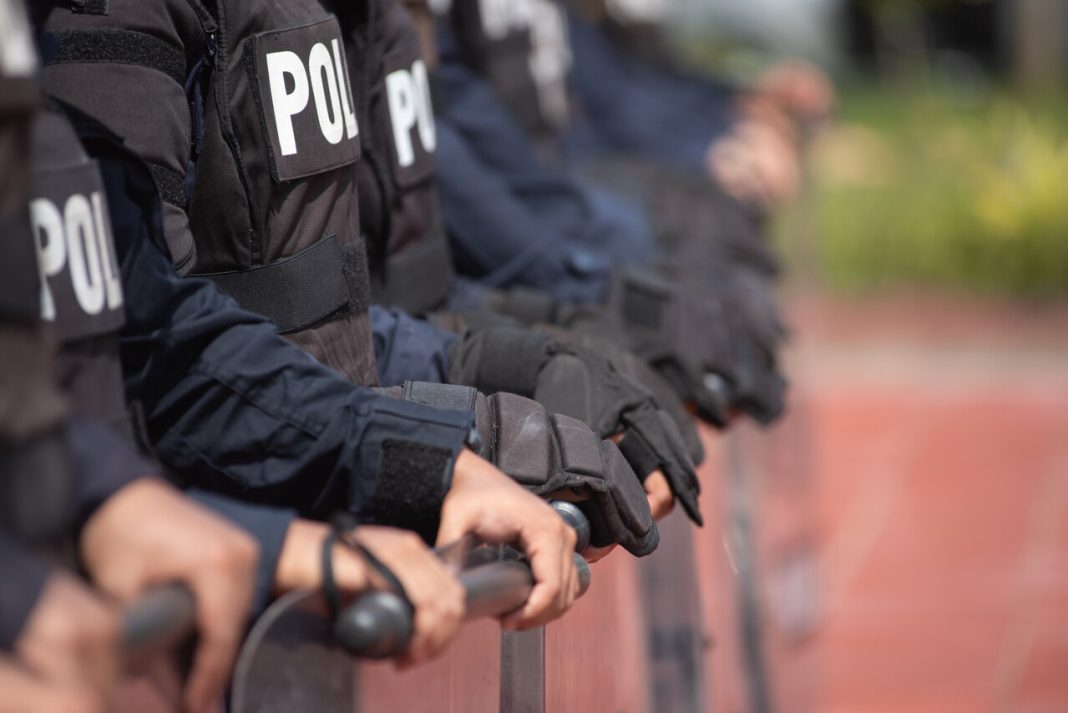
As part of the anniversary events, a group of protesters made their way to the Minneapolis federal building, a location that has become symbolic of broader tensions between local communities and federal enforcement agencies. Here, the peaceful march intersected with law enforcement again, this time as on-site federal observers, agents tasked with monitoring protest activity, detained several demonstrators. The interaction was tense, with officers citing concerns about impeding or obstructing operations. Arrests were carried out, not as a mass crackdown, but as targeted responses at the edges of the gathering, amplifying the sense of friction between protesters and federal presence.
Those detained faced charges related to alleged interference with ICE observers, a classification that protesters and their supporters described as controversial. Critics argue that simply being near a federal building or voicing dissent should not automatically lead to legal consequences. The arrests underscored a legal gray area: what constitutes lawful protest versus obstructive behavior in highly charged environments. For those in the march, witnessing friends or fellow activists taken into custody was both alarming and galvanizing, reinforcing calls for clearer boundaries and protections for peaceful demonstration. The confrontations added another complex layer to the narrative, illustrating how public expressions of grief and justice can quickly become entangled with questions of authority and civil liberties.
Broader Movement Against Immigration Actions

The one-month march in Minneapolis did not occur in isolation. It was part of a broader pattern of protests and civic actions that have emerged in response to increased federal immigration enforcement activity in Minnesota and across the country. For many advocates, the anniversary march was a continuation of ongoing efforts to draw public attention to what they view as overreach and to demand policy changes that prioritize community safety and accountability. Across cities, similar protests have echoed similar sentiments, creating a loosely connected network of voices calling for reform.
These demonstrations often frame themselves as part of a larger movement focused on civil rights and immigrant protections. They draw participants from diverse backgrounds, long-time residents concerned about civil liberties, immigrant community members directly affected by enforcement actions, students, clergy, labor organizers, and others who see the issue as part of a broader struggle for justice. The Minneapolis march offered a visible snapshot of this coalition, where individual grief intersects with wider political and social questions. Its occurrence on the one-month mark amplified both personal and collective concerns, underscoring how events in one city can resonate more widely and contribute to national conversations about enforcement, community trust, and rights.
Voices From the Crowd
What made the march distinct were the stories shared by ordinary people who felt compelled to turn grief into presence. Among the crowd were family members of the man remembered that day, still grappling with the emotional shock of his loss but determined to keep his memory alive. Some students spoke of friends whose parents became more withdrawn after enforcement activity near schools, parents who expressed fear about community safety, and neighbors who simply showed up in solidarity. Each voice added a human dimension to abstract policy debates and media headlines.
Participants also articulated clear demands: clearer communication from federal authorities about enforcement actions, independent investigations into use of force, stronger safeguards for civil liberties, and community engagement that goes beyond occasional press statements. For many, the march wasn’t a momentary expression but a step in a continuous effort to ensure that local voices are heard in policymaking. As the gathering dispersed at the end of the day, there was a sense of resolve that remembering a life lost and debating what comes next are intertwined paths toward a community that feels both safe and respected.