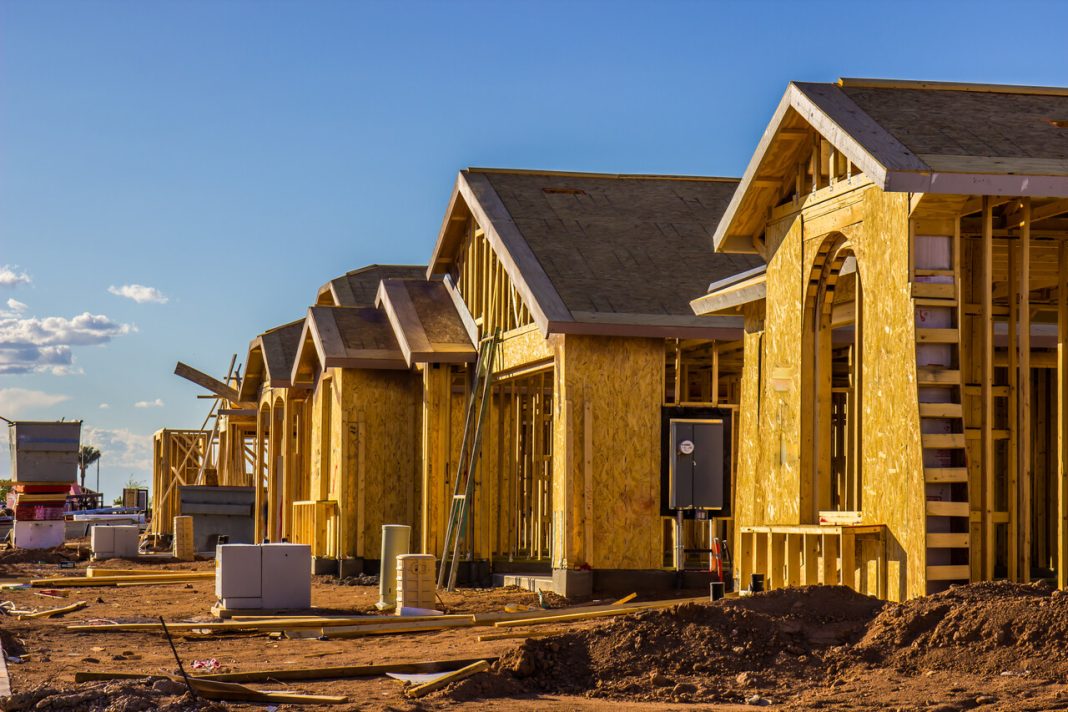

Minnesota’s housing market was riding a wave of steady demand just months ago, with new subdivisions rising across the suburbs and builders struggling to keep pace. Now, many of those projects sit quiet. Following a surge in immigration enforcement activity, labor shortages have slowed construction timelines, leaving developers, contractors, and homebuyers in limbo. For an industry that depends heavily on immigrant labor, the disruption has been swift and deeply felt. Builders describe stalled projects, missed deadlines, and mounting uncertainty as the state’s once-reliable construction engine loses momentum.
Minnesota’s Housing Boom Hits a Sudden Roadblock
For years, the Twin Cities and surrounding suburbs were deep in the midst of a housing boom. Builders raced to keep up with demand from families priced out of urban cores, first-time buyers entering the market, and people relocating for jobs. What was once a slow, traditional market turned brisk and competitive, with new subdivisions going up seemingly everywhere you looked. Then, almost abruptly, that momentum slowed. Where fresh foundations and framing crews once marked nearly every stretch of suburban landscape, now there are lots left untouched and projects waiting on workers who aren’t showing up. That shift didn’t happen because interest rates spiked or lumber prices doubled. It happened because the people who physically make new construction possible, the roofers, framers, drywall installers, and many others, began staying home out of fear or uncertainty tied to immigration enforcement activity throughout the state.
Homebuilders across Minnesota are now describing the slowdown with stark language. Terms like “halted,” “paused,” and “stalled” show up in conversations with builders and developers who once expected steady progress from contract signing to closing. It’s a mood change from confidence to caution, and it isn’t isolated to a single neighborhood or project. From rapidly growing northern suburbs to smaller towns that have long relied on steady construction jobs, reports suggest that new home construction is becoming patchy. The change has a simple cause and clear effect: when the workforce isn’t consistently present, timetables stretch, equipment sits idle, and buyers wait. That agriculture, finance, and tech may get the headlines doesn’t change the fact that housing, a foundation of daily life, is among the sectors now visibly reeling.
Labor Shortages Rear Their Head in Building Trades

Construction has always depended on a mix of labor, from highly specialized tradespeople to entry-level workers. In Minnesota, a significant portion of that labor comes from immigrant communities. These workers don’t just carry materials and use tools; they bring years of experience and skill that help keep complex projects on schedule. When ICE enforcement activity intensified around the state, something shifted on the job sites. Workers who had come to depend on daily wages looked at news reports and decided staying home was safer than showing up for a shift that might expose them to enforcement risk.
This withdrawal isn’t just an emotional response. It’s a labor market reality with measurable impact. Roofers aren’t calling in; drywall crews are short-staffed; apprentices are absent from yards where they once learned their trade. Even workers with legal authorization to be in the country express anxiety about leaving their homes or interacting with unfamiliar enforcement activity outside. That fear isn’t imagined, it’s rooted in widespread reports of federal agents operating in neighborhoods where workers live, shop, and commute. The result is a labor shortage that feels different from the cyclical ones the construction industry has navigated in the past. This one is tied not to compensation or career choices, but to perceived risk, and that has a more profound effect on who shows up for work each morning.
Builders Sound the Alarm on Project Delays
As labor shortages take hold, builders have begun sounding the alarm in ways that go beyond casual conversation. Letters to clients, developers’ bulletins, and internal memos all reflect a common refrain: timelines are slipping. What was once a predictable series of steps, breaking ground, framing, roofing, siding, interior finishes, now has built-in uncertainty because there aren’t enough bodies to keep all tasks moving smoothly. Contractors report that jobs once expected to finish in six months are now stretching into eight or nine months, with no clear end in sight.
These delays are more than a scheduling inconvenience. Buyers who budgeted for a spring move-in may now face lease extensions, temporary housing costs, or disruptions to work and school plans. Lenders are seeing adjustments to closing schedules, which adds administrative costs and can jeopardize interest rate locks. For builders, the reputational stakes are high. Home construction is not a sprint but a delicate coordination of timelines, inspections, and subcontractors. When one crew can’t show up because workers are afraid to travel or gather, the dominoes start to fall: inspections are pushed, materials are ordered later, and the entire rhythm of construction loses its pace. The atmosphere among builders is no longer hopeful; it’s cautious, charged with anxiety over whether commitments can be kept.
The Housing Market Feels the Ripple Effects

The slowdown in new construction isn’t confined to building sites; it’s rippling throughout Minnesota’s broader housing market. Fewer new homes entering the market means fewer options for buyers. That scarcity further tightens prices in already competitive suburban markets, making homeownership even more challenging for first-time buyers. And where new builds once helped absorb excess demand, the stall now sends buyers back into the resale market, placing additional pressure on existing inventory that was already low.
Real estate agents and market analysts are starting to see patterns that suggest this is not a temporary lull but a structural shift. Listings that would once be filled by buyers transitioning from new homes are remaining on the market longer. Some families who expected to upgrade their living situation are reconsidering because of the uncertainty around timelines and pricing. Meanwhile, affordability concerns grow louder as supply tightens and competition increases. In an industry where supply and demand directly influence household decisions on schooling, commuting, and community engagement, the construction slowdown touches not just builders and workers, but entire neighborhoods and families trying to plan their next chapter.
What the Industry Says Must Change
Faced with these challenges, industry leaders are making clear calls for change. Builders’ associations, contractors, and housing policy groups have urged policymakers to consider how enforcement approaches affect local economies in ways that extend far beyond immigration courts and law enforcement headlines. Their central message is straightforward: uncertainty in the workforce translates directly into uncertainty in the economy. These groups aren’t necessarily arguing against enforcement action itself, but they are pressing for clearer boundaries that protect workers going about lawful employment without fear of arbitrary stops or encounters.
Policy proposals emerging from industry discussions focus on workforce certainty and clarity about enforcement activity near workplaces and residential areas. Some groups have recommended designated zones of sensitivity, similar to hospital and school protections, around construction sites, so workers can report for shifts without anxiety. Others advocate for legislative clarity that explicitly protects workers who have proper legal documentation from enforcement during commutes. What builders emphasize is that a stable economy relies on predictable workforce availability. When enforcement activity creates fear that keeps people at home, the housing sector, long a bellwether for broader economic health, experiences direct harm. Whether policymakers act on these recommendations remains an open question, but the conversation has undeniably shifted.