
A man convicted in the 2019 killing of Barnard College student Tessa Majors in New York City has been released from prison under conditional parole supervision, according to state correctional records.
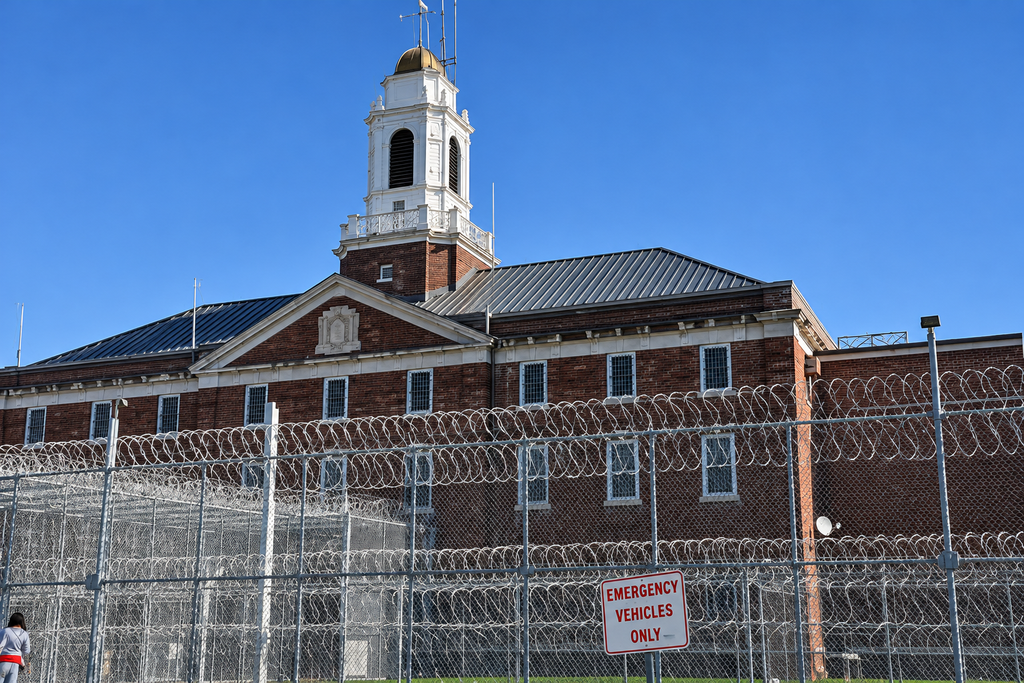
Luchiano Lewis, now 21, was released from Franklin Correctional Facility on October 14, 2026. He was 14 when Majors was killed during an attempted robbery in Manhattan’s Morningside Park.
Lewis pleaded guilty to second-degree murder and first-degree robbery in 2021. He was sentenced to nine years to life in prison for his involvement in the attack.
Majors, an 18-year-old freshman from Virginia, was nearing the end of her first semester at Barnard College when she was killed on December 11, 2019.
What happened to Tessa Majors?
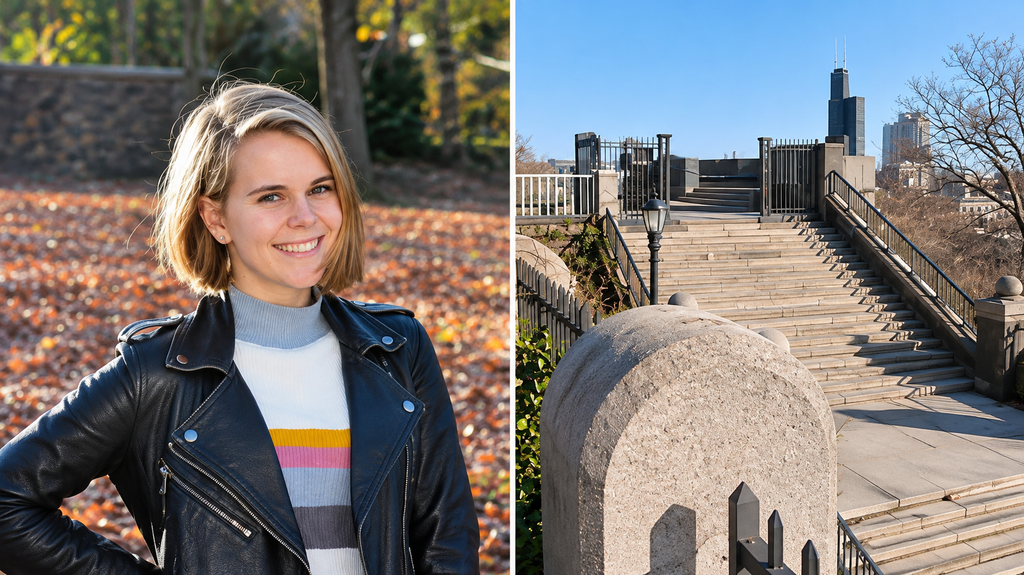
Prosecutors said Lewis and two other teenagers approached Majors near a staircase in Morningside Park, close to the Barnard campus.
The group intended to steal her cellphone, according to prosecutors. During the confrontation, Majors was stabbed multiple times.
Despite her injuries, she managed to climb the stairs and reach the street before collapsing. She was taken to a hospital, where she died.
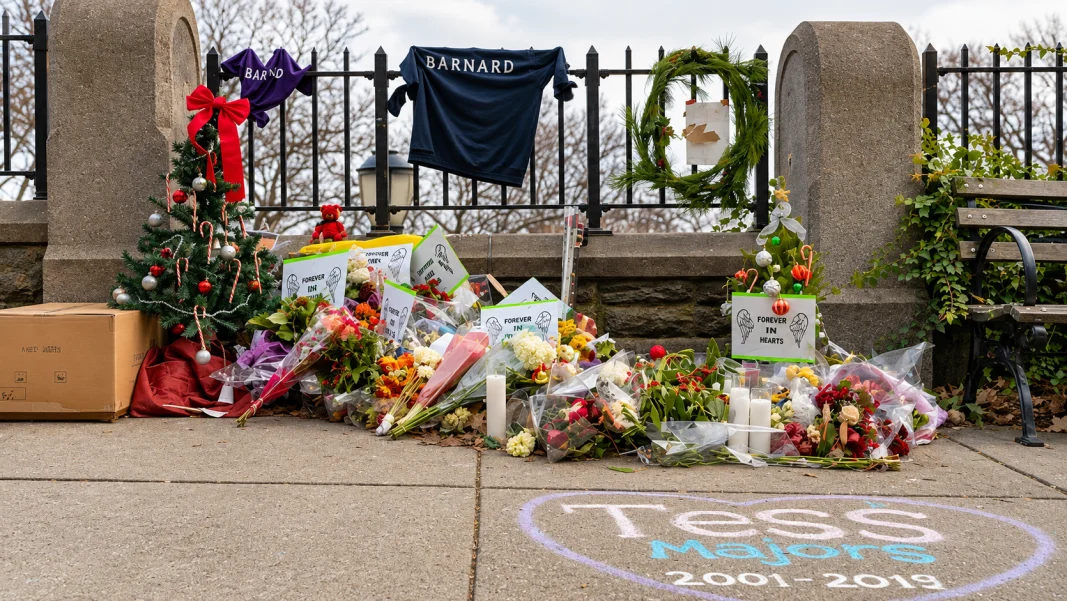
The killing shocked the college community and drew national attention. Students, friends and neighbors gathered to remember Majors, leaving flowers and messages near the park.
Majors was also remembered for her interest in music, poetry and journalism.
What Lewis said about his role in the attack
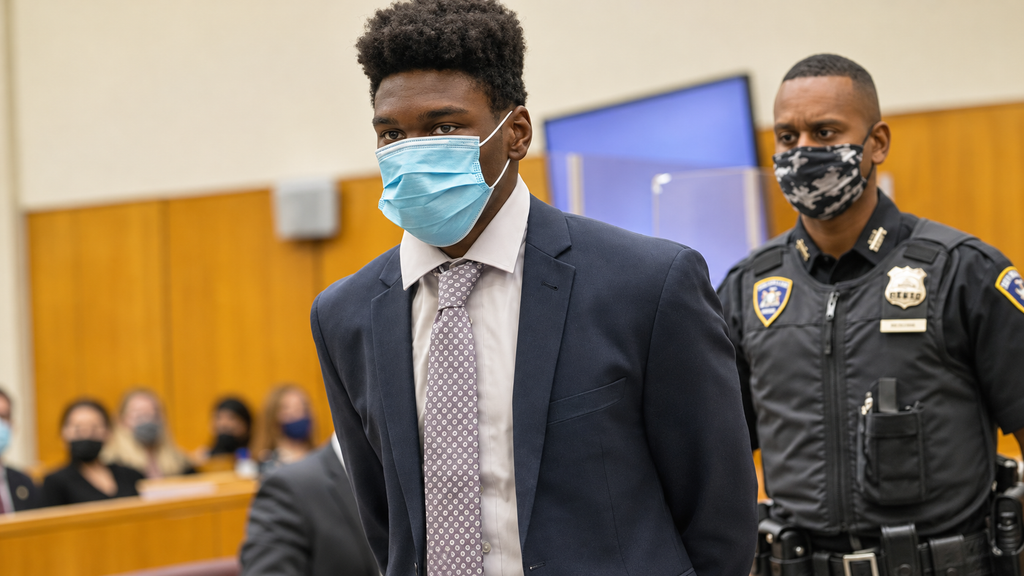
During a September 2021 court hearing, Lewis acknowledged taking part in the robbery but said he had not known Majors was fatally injured when the group left the park.
He told the court that he knew another teenager had a knife but learned about Majors’ death after seeing news coverage the following morning.
Prosecutors said Lewis played an important role in the robbery, even though he was not the person who stabbed Majors.
At his sentencing, Lewis expressed remorse for his actions and acknowledged the harm caused to both his family and Majors’ family.
Manhattan Supreme Court Justice Robert Mandelbaum imposed a nine-years-to-life sentence.
Why was Lewis released?

New York State Department of Corrections and Community Supervision records show Lewis was released under conditional supervision on October 14.
Under New York law, eligible incarcerated people may qualify for conditional release after serving a required portion of their minimum sentence and meeting applicable requirements.
Conditional release is different from an unconditional discharge. Lewis remains subject to supervision and must comply with the conditions of his release.
The state records confirm his release date, although they do not provide a detailed public explanation of every factor considered in his case.
What happened to the other teenagers?
Two other teenagers were involved in the attack.
Rashaun Weaver was convicted of second-degree murder and sentenced to 14 years to life in prison while the third teenager, who was prosecuted as a juvenile, pleaded guilty to first-degree robbery.
Majors’ parents previously described their daughter as a musician, poet and aspiring journalist whose death permanently changed their family.
The case remains one of New York City’s widely reported campus-area killings, and Lewis’ release has brought renewed attention to the crime nearly seven years later.