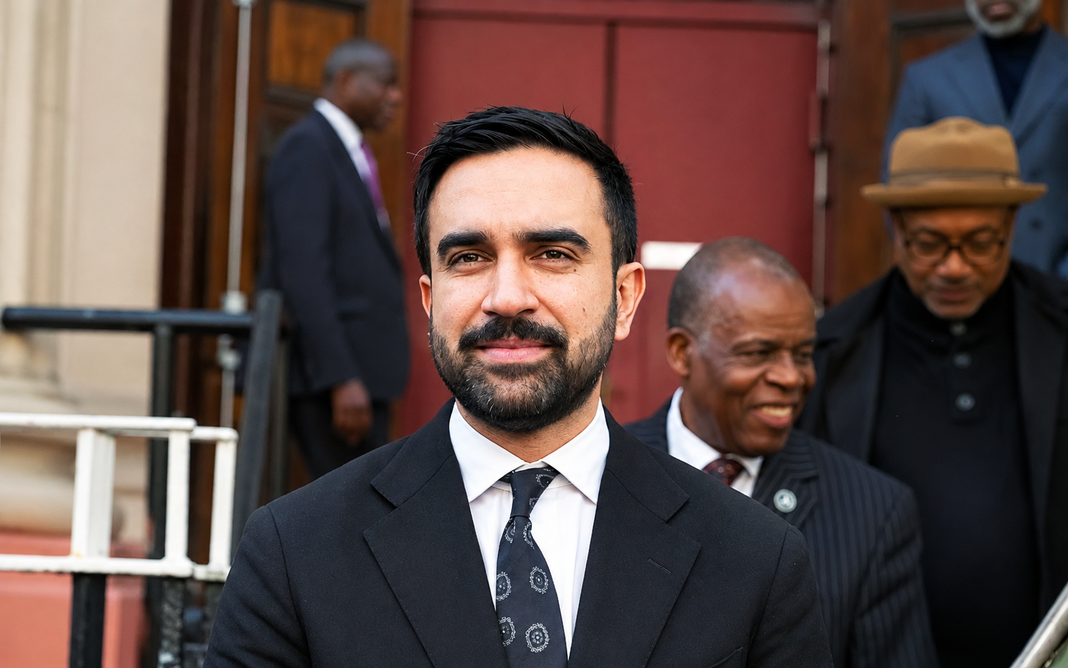

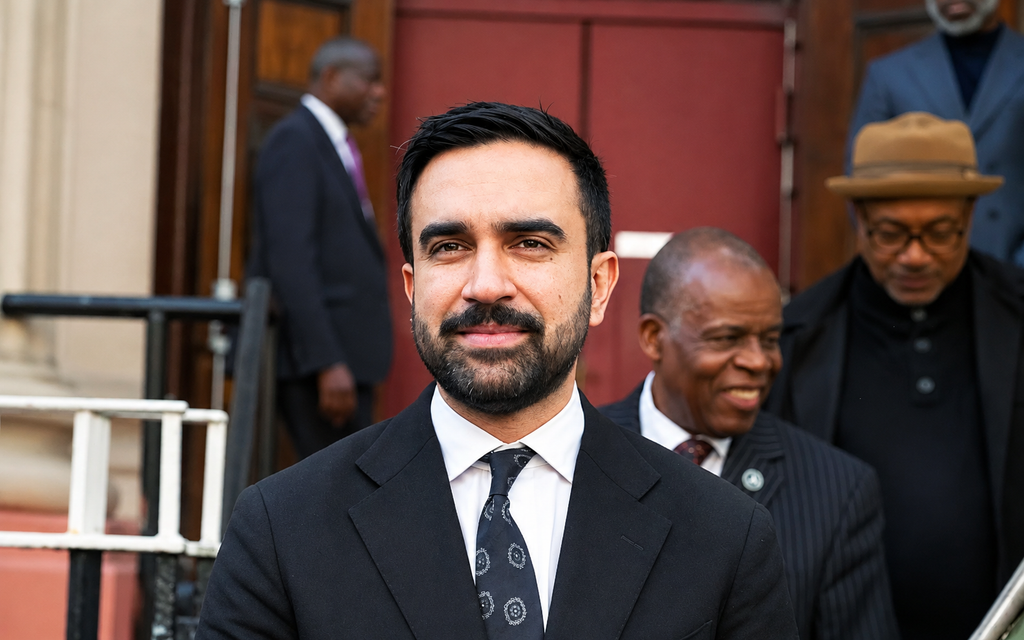
New York City Mayor Zohran Mamdani is moving to shut down a specialized police unit whose officers arrested him during demonstrations in 2021 and 2024.
Mamdani and Police Commissioner Jessica Tisch announced on November 16, 2026, that the NYPD’s Strategic Response Group (SRG) would be disbanded. The unit has faced years of criticism over its treatment of protesters.
The decision follows a campaign promise Mamdani made after his own encounters with the unit. However, he has not publicly said that those arrests were the reason for the decision.
Mamdani’s previous arrests
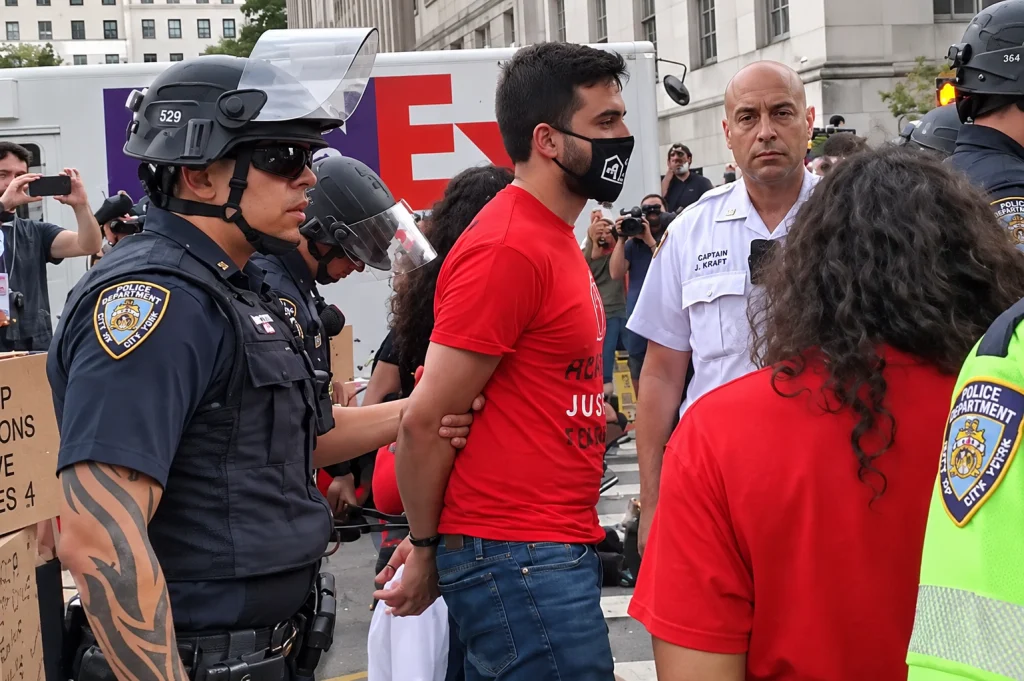
In August 2021, Mamdani, then a New York state assemblyman, was arrested during a demonstration in Brooklyn demanding an extension of protections against eviction.
Photographs and video show officers wearing SRG markings restraining him with plastic ties and taking him into custody.
He was arrested again in June 2024 during a protest outside Hunter College in Manhattan over proposed rent increases. Footage from that demonstration also shows SRG officers escorting him away with his hands restrained.
The incidents have attracted renewed attention following the announcement that the same police unit will be dissolved.
Why Mamdani wants the unit disbanded
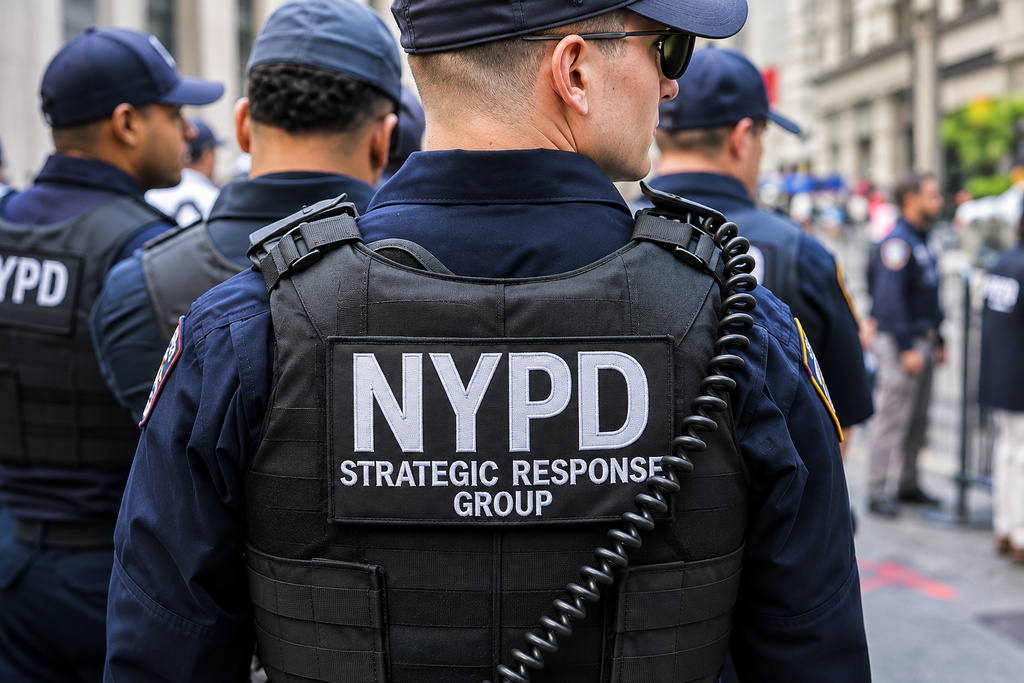
Mamdani has argued that police should not treat peaceful demonstrations like counterterrorism operations.
The SRG was created in 2015 to respond to serious security threats but later became heavily involved in managing protests.
Civil rights groups have accused its officers of aggressive crowd-control tactics and excessive force. The unit faced particular scrutiny following demonstrations over George Floyd’s killing in 2020.
Mamdani promised during his mayoral campaign to eliminate the unit and separate protest policing from counterterrorism duties.
His administration says the restructuring is intended to protect the right to protest while maintaining public safety.
What happens to the officers?
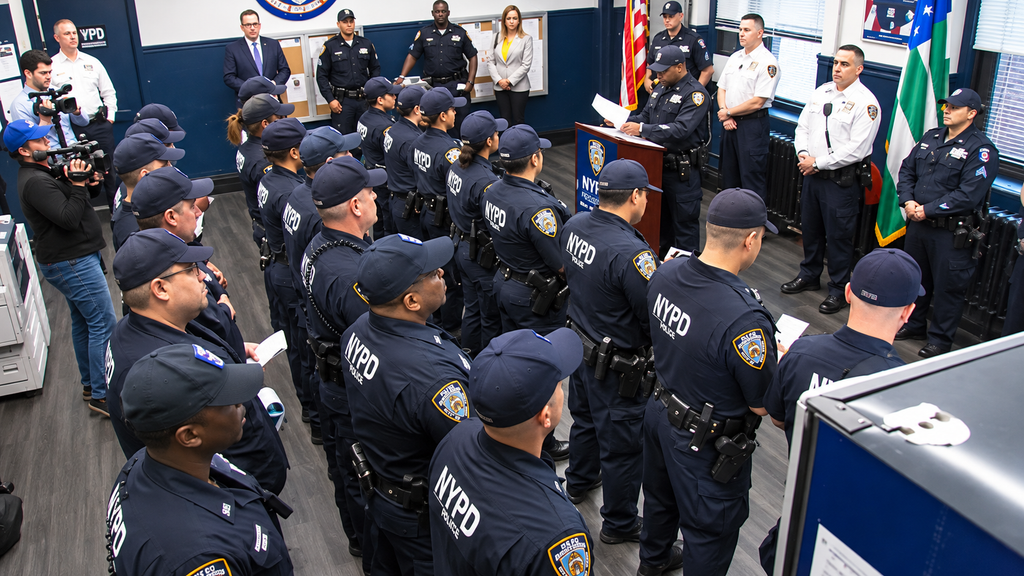
SRG officers will be reassigned to other NYPD divisions rather than losing their jobs.
A new civilian-led team will work with protest organizers, while 30 specially trained officers will focus on communication and reducing tensions during demonstrations.
Counterterrorism duties will move to the department’s Intelligence and Counterterrorism Bureau.
The changes will also restrict several crowd-control tactics, including kettling, irritant gas and the use of long guns during protests.
The city’s largest police union has criticized the plan, warning that removing the specialized unit could make it harder to manage dangerous demonstrations.
Mamdani’s administration maintains that the changes will improve protest policing without reducing the department’s overall staffing.
The mayor’s own arrests have become a notable part of the story, although whether those experiences directly influenced his decision remains unclear.