

Minnesota’s zebra mussel problem just grew again. On November 13, the Minnesota DNR confirmed infestations in two more lakes, and the timing matters for anyone pulling boats or docks for winter.
The new findings came during a season when a lot of lake equipment starts moving. That is exactly when invasive species can hitch a ride.
Where the new infestations were found
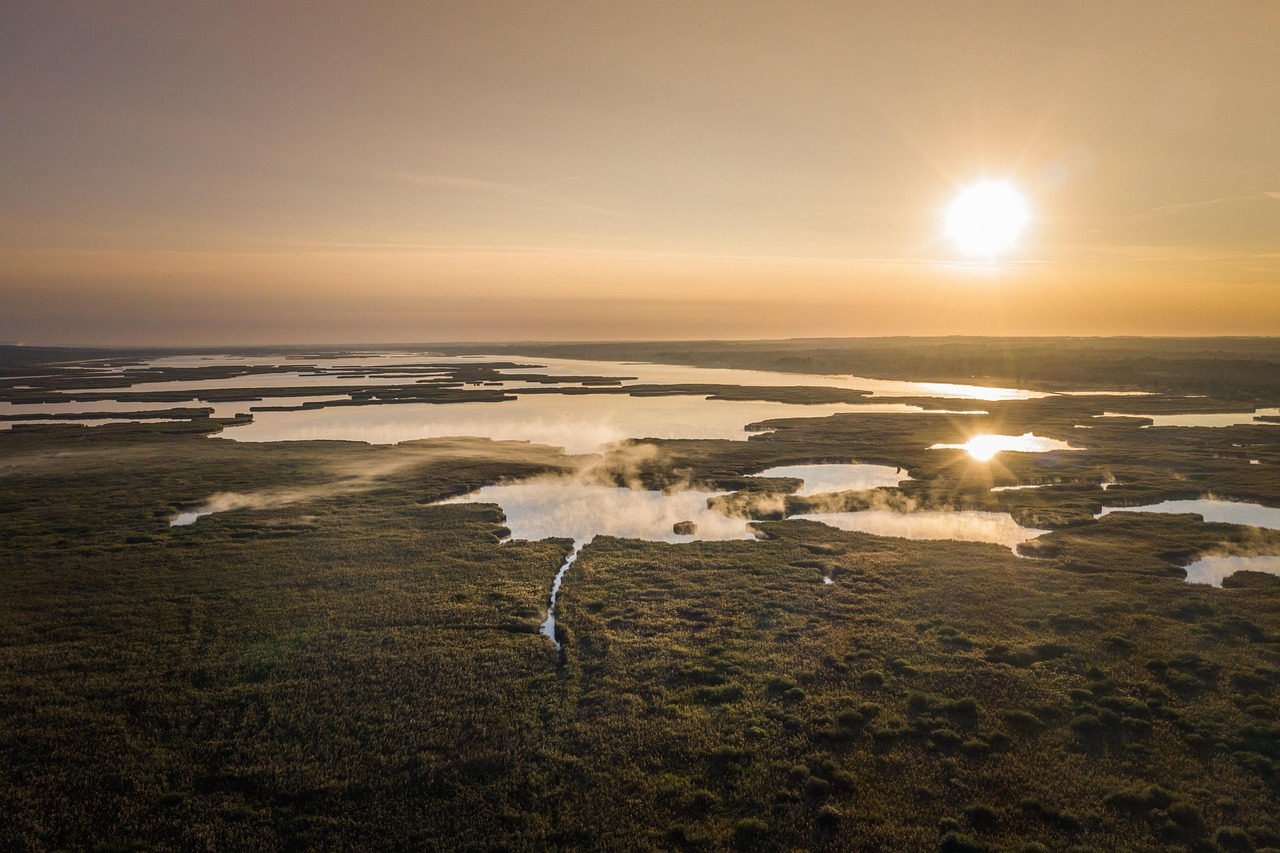
The Minnesota DNR said zebra mussels were confirmed in Blackduck Lake in Beltrami County and Third Crow Wing Lake in Hubbard County on November 13. Those two additions expand the list of Minnesota waters where the invasive species has been found. For shoreline owners, that means another reminder that infestations are not limited to the state’s biggest or busiest lakes.
According to the DNR, the mussels were discovered during inspections of docks, boat lifts, and other equipment being removed for winter. That detail matters because zebra mussels often attach to hard surfaces and can be easier to spot once equipment is out of the water. A lift frame, dock post, or wheel assembly can reveal clusters that were missed during the summer.
The fall removal season has become an important checkpoint in Minnesota. In places like Beltrami County and Hubbard County, equipment inspections can uncover infestations before that gear is moved to another lake. That gives property owners and boaters one clear advantage: they can stop the spread before spring.
Why boat and dock owners should pay attention
Zebra mussels spread mostly by people moving infested water-related equipment from one body of water to another. Boats, trailers, docks, lifts, anchors, and even ropes can carry adult mussels or microscopic larvae. Once introduced, zebra mussels can multiply fast and are extremely difficult to remove from a lake.
Boat owners should check hulls, bunks, rollers, transducers, anchors, and trailer frames before leaving a public access or private shoreline. The DNR’s clean, drain, and dispose rules require boaters to remove aquatic plants and animals, drain water from boats and equipment, and throw unwanted bait in the trash. Those steps are required in Minnesota, not optional suggestions.
Drying time is another big piece of prevention. The DNR advises people to let boats, docks, and lifts dry before moving them between lakes because zebra mussels and their larvae can survive in standing water or damp areas for a period of time. A wet live well, bilge area, or ballast compartment can be enough to create a problem somewhere else.
What to check before moving equipment
If you are pulling equipment this fall, start with every hard surface that sat underwater in 2024. Look closely at dock legs, lift pads, cables, canopies, wheel brackets, and swim rafts, especially if they came from Blackduck Lake or Third Crow Wing Lake. Adult zebra mussels are small, but even a few attached shells are a red flag.
Next, inspect boat interiors and systems that hold water. Live wells, bait containers, bilges, ballast tanks, and motors all need to be drained before transport under Minnesota law. If a trailer or boat has mud, plants, or water left on it when leaving a landing, that is exactly the kind of oversight that helps invasive species spread.
Finally, give everything time to dry before using it somewhere new. The November 13 announcement is a practical warning for anyone storing gear now and relaunching later. A careful inspection in Beltrami County, Hubbard County, or anywhere else in Minnesota can save another lake from joining the infestation list.