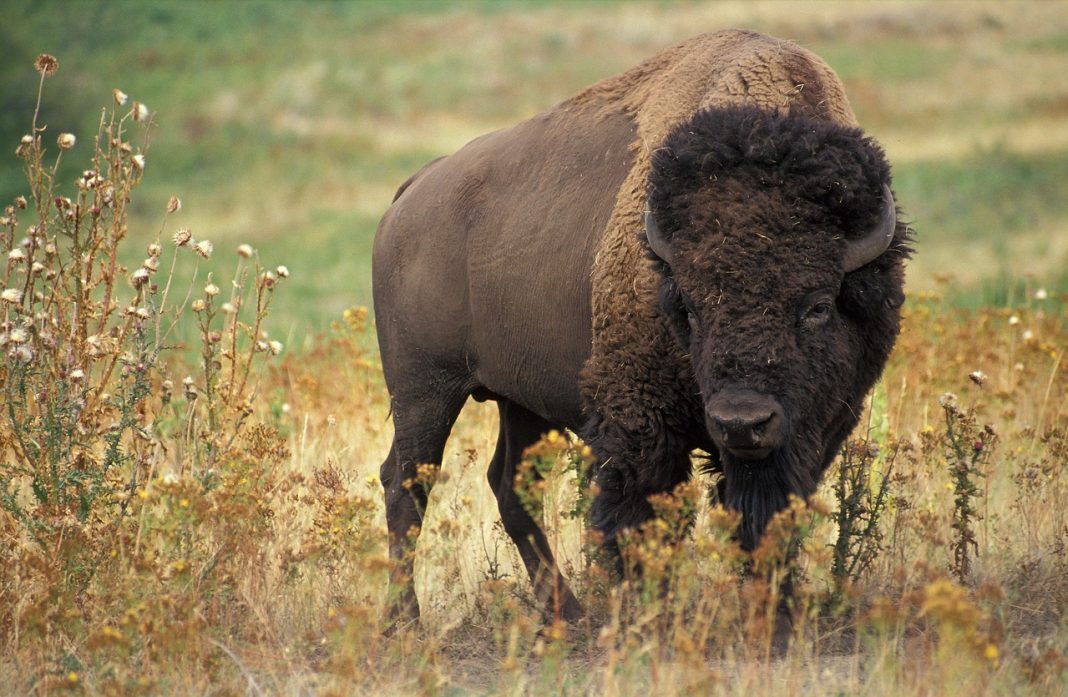

A herd that once nearly vanished is getting another boost. Minnesota is moving 23 bison to help other conservation herds grow stronger. It is a practical step, but it also carries real historical weight across the Upper Midwest.
Why Minnesota Is Moving These Bison
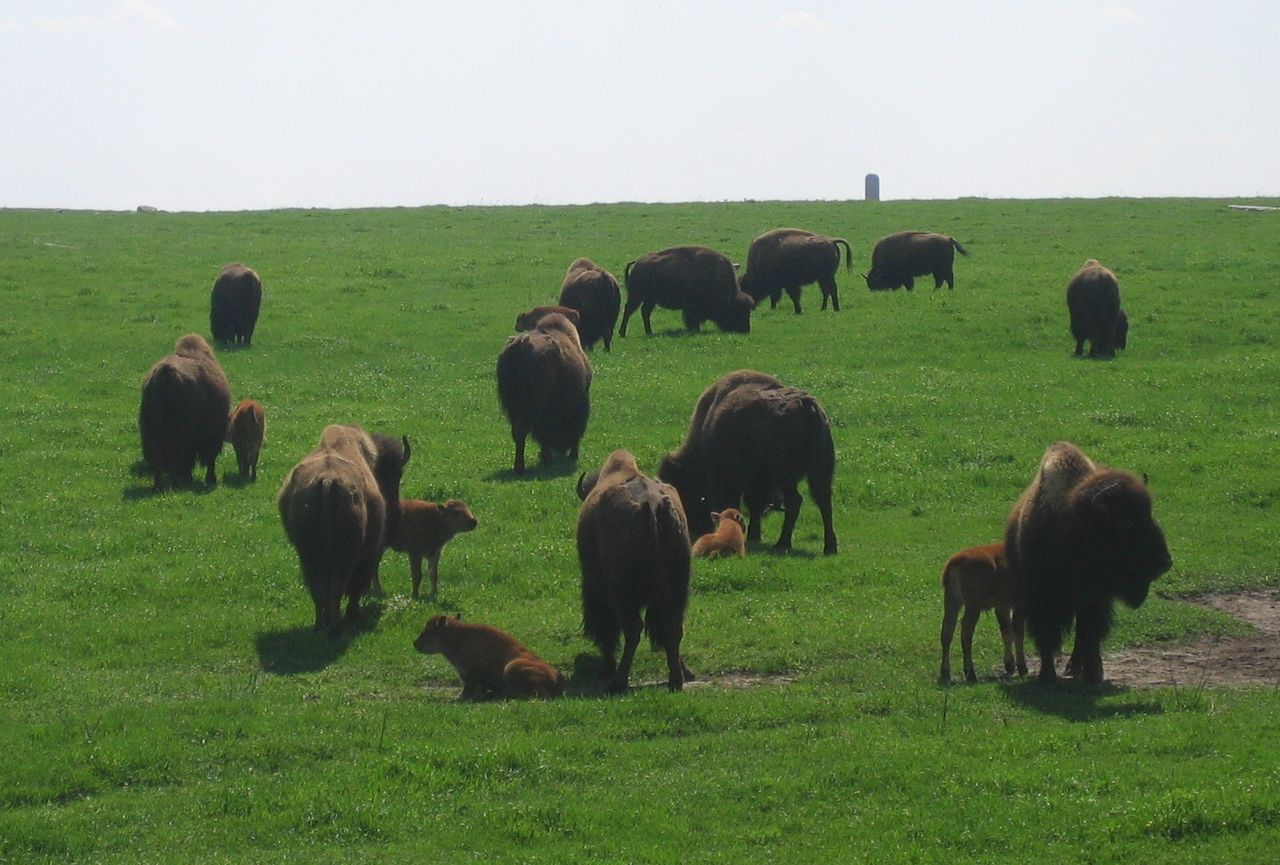
The Minnesota Department of Natural Resources said 23 plains bison from Blue Mounds State Park in Luverne will be donated to conservation partners as part of its regular herd management work. Blue Mounds, in the state’s southwest corner, has long been one of Minnesota’s best-known public bison sites. The herd is carefully monitored because the park has limited space and a specific carrying capacity.
State wildlife managers use transfers like this to keep the herd healthy and avoid overcrowding in a fenced prairie setting. According to the DNR, moving animals can improve genetics in smaller herds that do not have many unrelated breeding animals. That matters because genetic diversity is one of the biggest long-term challenges for conservation bison herds in North America.
The animals are not being sent into the wild without planning. Each transfer is coordinated with recipient groups that can manage land, veterinary needs, and breeding goals. In practice, that means these 23 bison are doing more than changing locations. They are helping build herds that can remain stable for years.
Where the Bison Are Going and Why It Matters
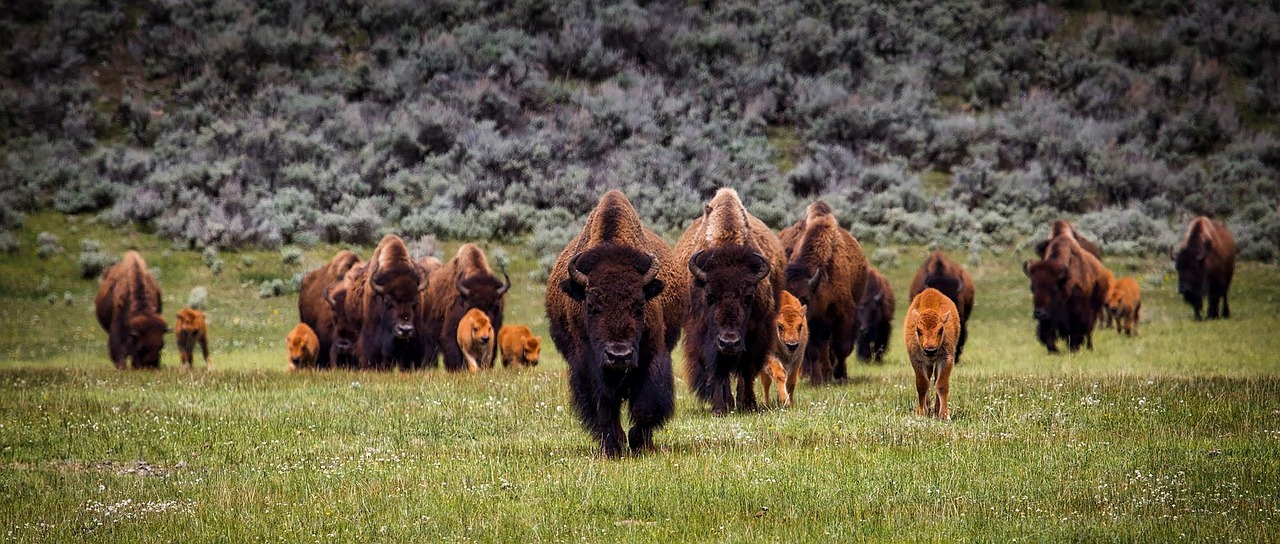
Minnesota’s bison donations often support tribal nations and other conservation-focused programs, and those partnerships have grown in importance in recent years. Tribal herds in states such as Minnesota and South Dakota play a major role in restoring an animal that once numbered in the tens of millions across North America. Many of those herds are built slowly, often one transfer at a time.
For recipient herds, even a relatively small group can make a big difference. Adding 23 animals can expand breeding options, reduce pressure on a limited gene pool, and help younger herds become more self-sustaining. Wildlife experts have emphasized for years that conservation is not only about total headcount. It is also about maintaining healthy bloodlines and resilient herd structure.
There is also a cultural side that matters just as much. For many tribal communities, bison restoration connects directly to food traditions, land stewardship, and history. That is one reason transfers like this tend to draw attention well beyond park boundaries in places like Luverne.
A Bigger Picture for Bison Recovery
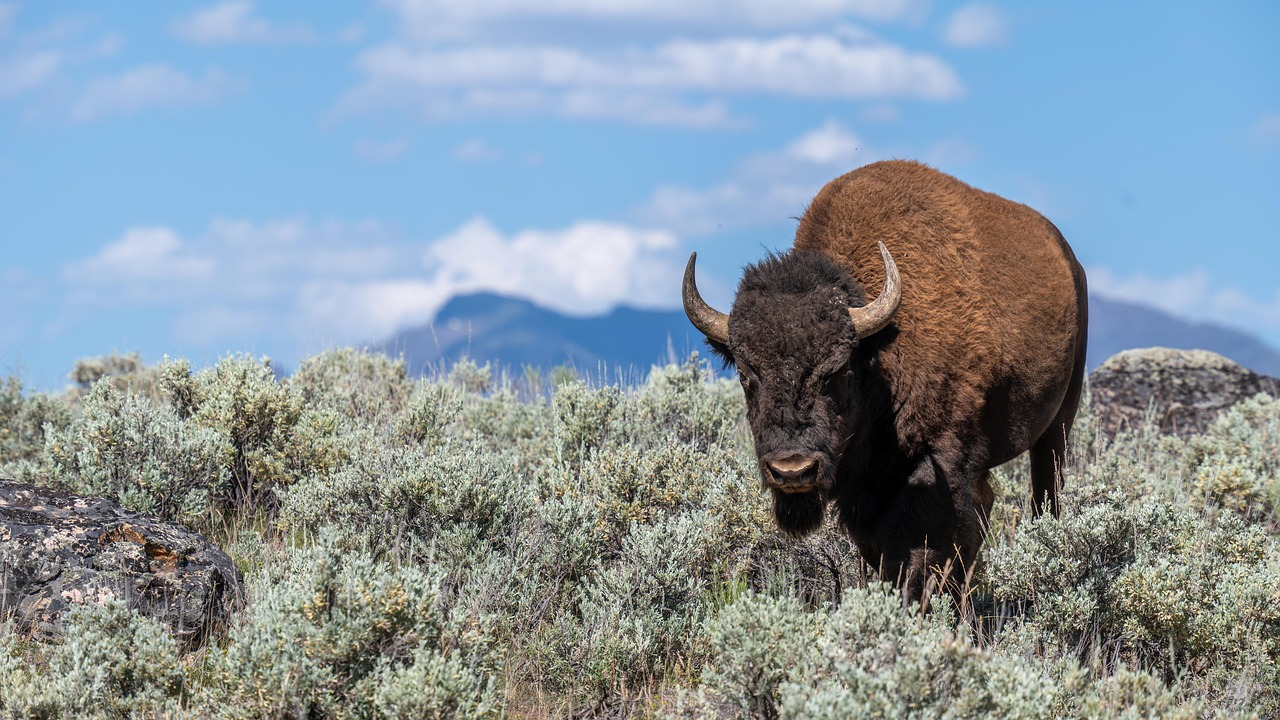
The American bison was pushed to the brink in the 1800s, when commercial hunting reduced numbers from an estimated 30 million to just a few hundred. Modern recovery efforts by states, tribes, nonprofits, and federal agencies have changed that picture dramatically. Even so, conservation herds remain very different from the large commercial bison industry.
That distinction is important in Minnesota’s case. The Blue Mounds herd is managed not simply as livestock, but as part of a broader conservation mission tied to prairie ecosystems and public education. Visitors to the park see bison on native grasslands, but behind the scenes, biologists are making careful decisions about herd size, genetics, and habitat limits.
So while 23 bison may sound modest, the number is meaningful. In conservation work, steady gains often matter more than flashy headlines. Minnesota’s latest donation shows how restoration now works in real life: one managed herd, one partner, and one carefully planned transfer at a time.