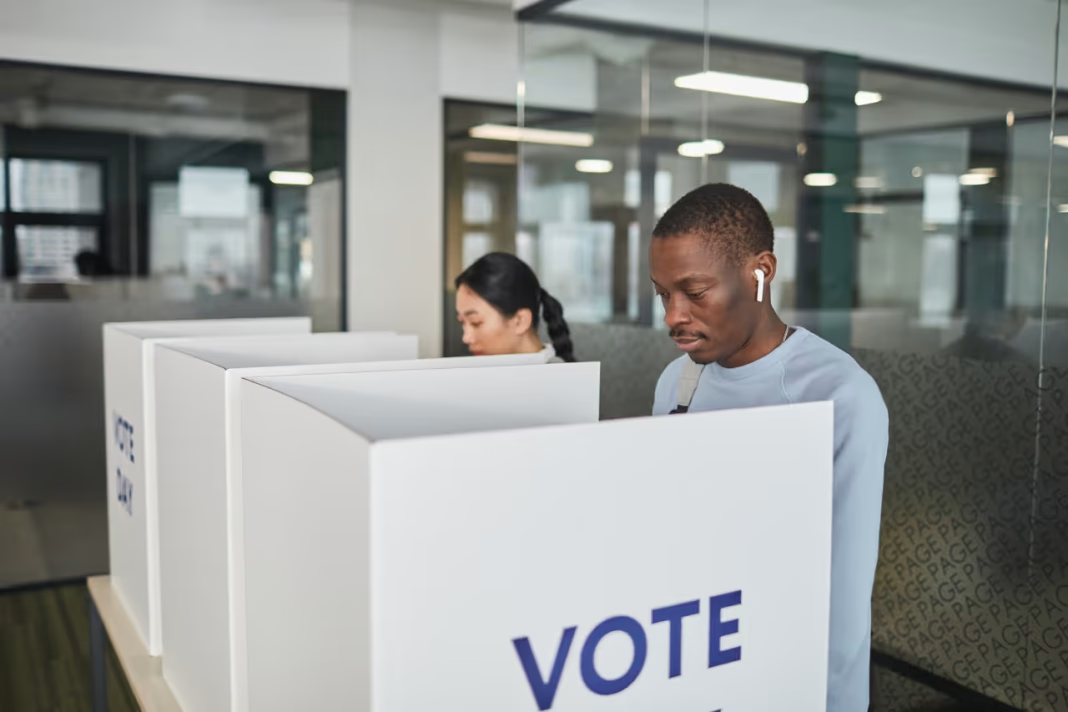

Minnesota just sent a very clear message at the ballot box. Voters appear to have strongly backed a school funding amendment with 72.76% support in the recent election. That margin is big enough to stand out even in a state with a long history of supporting public education.
A decisive vote with statewide implications

With 72.76% of voters supporting the amendment, the result looks less like a narrow policy win and more like a statewide consensus. In practical terms, that means nearly 3 out of every 4 voters who weighed in favored the measure. Based on the recent election returns, the amendment appears headed for approval unless a late count changes the overall picture in a major way.
Minnesota has regularly treated school funding as a top-tier issue, and this vote fits that pattern. Public schools serve hundreds of thousands of students across districts from Minneapolis and St. Paul to smaller communities in Greater Minnesota. When a measure clears the 70% mark, it usually reflects support that crosses regional and political lines.
Election results like 72.76% also matter because they give state leaders a stronger mandate. Lawmakers and school officials can now point to a very specific number when discussing future budgets, staffing needs, and long-term planning. That kind of margin can influence not just funding decisions in 2025, but also the broader debate around education priorities in the state.
Why school funding still resonates with voters
School funding tends to connect with voters because the effects show up close to home. A district budget affects class sizes, teacher hiring, building maintenance, bus routes, technology access, and student services in places like Duluth, Rochester, and Mankato. Even for people without children in school, local property values and workforce development are often tied to how well public schools perform.
In Minnesota, support for education funding has often remained durable even when voters disagree on other issues. A 72.76% vote suggests many residents saw this amendment as a practical investment rather than a partisan fight. That matters in a recent election cycle when many ballot questions around the country faced tougher, more divided outcomes.
According to the broader pattern seen in education votes nationwide, voters often respond favorably when they believe money will provide stable support rather than a temporary fix. Minnesota’s result appears to reflect that same instinct. The number itself, 72.76%, is likely to be cited often because it signals unusually broad confidence in the idea of protecting school resources.
What happens next for Minnesota schools

Approval at the ballot box is only the first step, because implementation always depends on state budgeting and policy details. Minnesota officials will now have to translate voter support into actual funding decisions that affect districts on the ground. That process can shape everything from staffing levels and curriculum support to facility repairs and student programs.
For district leaders, a strong vote can make planning easier. Superintendents and school boards often have to build multi-year budgets under pressure from inflation, enrollment shifts, and labor costs, all of which have affected districts in 2024. A clear statewide result gives them more confidence that education funding will remain protected as they prepare future spending plans.
The bigger takeaway is political as much as financial. When 72.76% of voters support a school funding amendment in a recent election, elected officials usually take notice. In Minnesota, that kind of result suggests public education remains one of the few issues capable of drawing broad, measurable agreement across a diverse statewide electorate.