
Minnesota’s reputation as the Land of 10,000 Lakes is famous across the country, but the state’s actual geography holds a few surprises. With 11,842 lakes measuring at least 10 acres, Minnesota exceeds its well-known nickname. Yet four of its 87 counties have no natural lakes at all. From the rules used to count lakes to the state’s extensive network of rivers and streams, these six facts reveal a fascinating side of Minnesota’s freshwater landscape.
Minnesota Has 11,842 Lakes Measuring at Least 10 Acres
Minnesota’s nickname, the Land of 10,000 Lakes, actually falls short of the state’s official lake count. According to the Minnesota Department of Natural Resources (DNR), the state has 11,842 lakes measuring at least 10 acres in size. That minimum matters because smaller ponds and water bodies are not included in this particular figure. The state’s total can climb considerably when smaller lakes are counted, with estimates reaching 21,871 for water bodies measuring at least 2.5 acres. The difference shows how much a lake count depends on the definition being used. Minnesota’s reputation for abundant freshwater is well deserved, but the number behind the famous nickname is more complicated than it first appears.
Mower, Olmsted, Pipestone, and Rock Counties Have No Natural Lakes
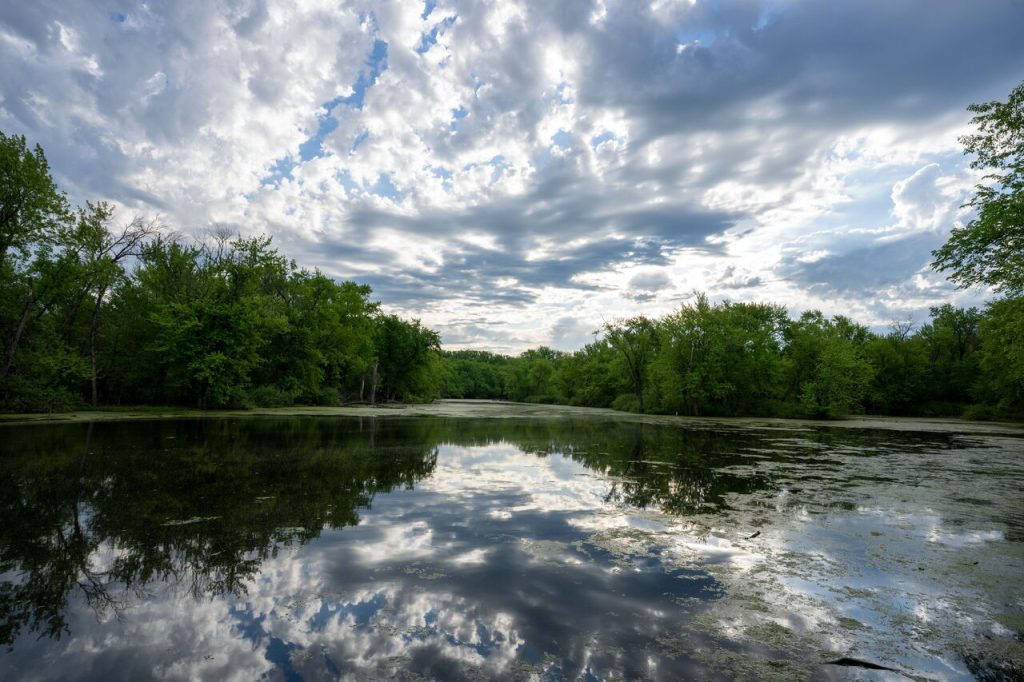
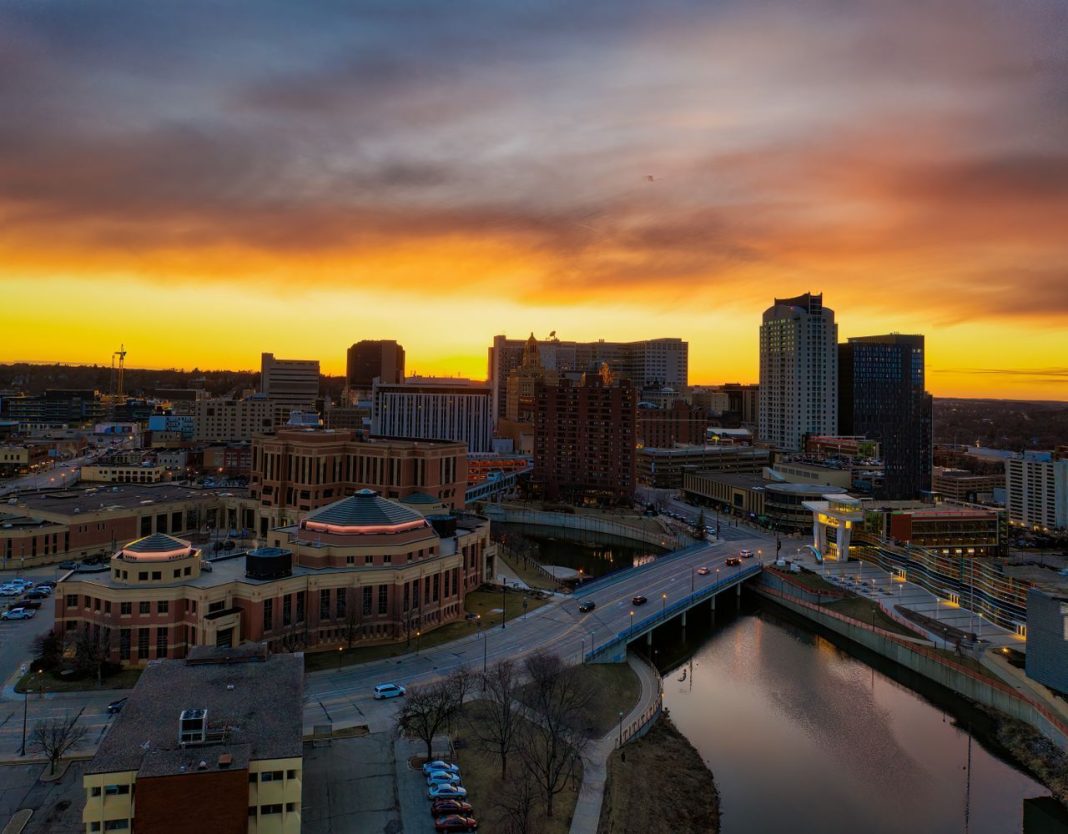
It may seem surprising that four counties in the Land of 10,000 Lakes have no natural lakes, but Minnesota’s geography is not uniform. Mower, Olmsted, Pipestone, and Rock counties are the four exceptions identified by the DNR. These counties are concentrated in southern and southwestern Minnesota, where the landscape differs from the lake-rich northern parts of the state. The distinction is specifically about natural lakes, not every body of water that might look like one. Some of these counties have reservoirs, ponds, or other water bodies created or altered by people. Olmsted County, for example, has several manmade lakes and reservoirs. So, while these counties lack natural lakes under the state’s classification, that does not mean they are entirely without water features.
Minnesota’s Famous Land of 10,000 Lakes Nickname Understates the Actual Count
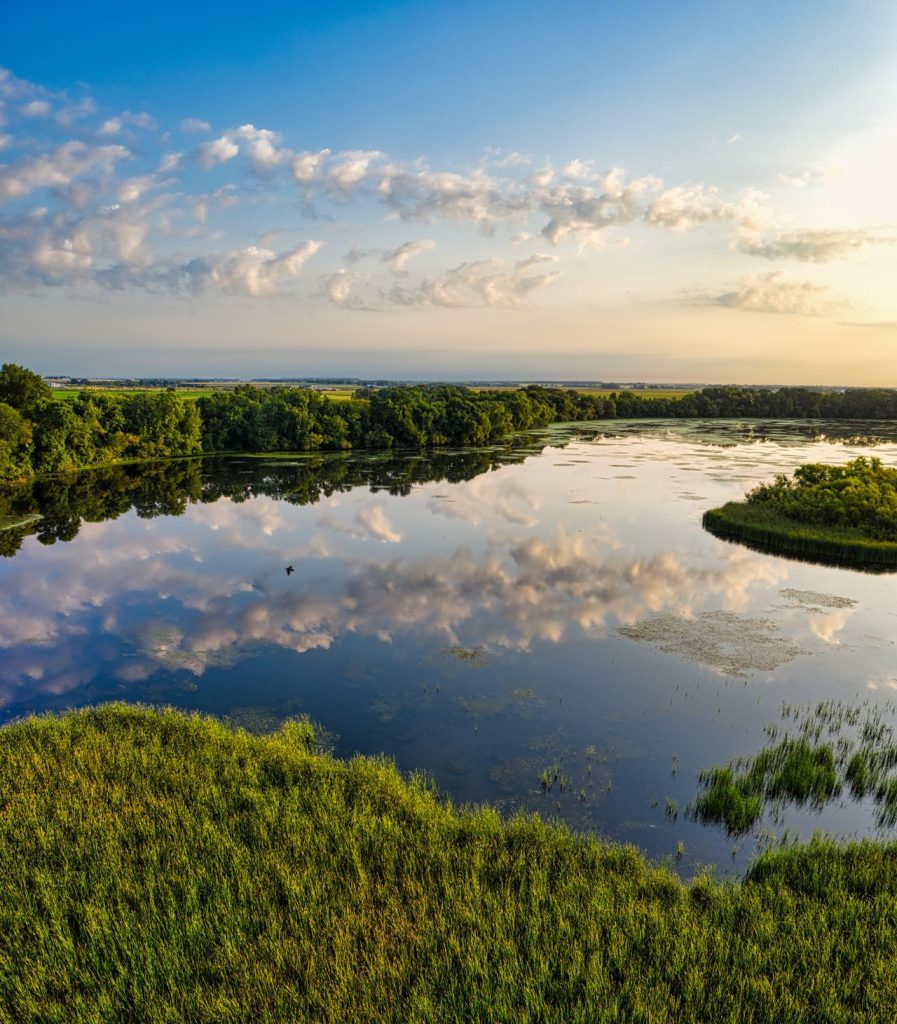
Few state nicknames are as closely tied to geography as Minnesota’s Land of 10,000 Lakes. The phrase captures a defining feature of the state, but the official count of 11,842 lakes measuring at least 10 acres shows that Minnesota has more than its slogan suggests. The nickname is not intended to be a precise scientific inventory. Instead, it reflects the state’s long-standing connection to lakes, fishing, boating, swimming, and outdoor recreation. Minnesota’s lakes also support wildlife, provide habitat for fish and waterfowl, and contribute to local economies through tourism and recreation. The exact number changes depending on the minimum size used to define a lake, but the broader point remains the same: water is an important part of Minnesota’s landscape and identity.
Only Four of Minnesota’s 87 Counties Lack Natural Lakes
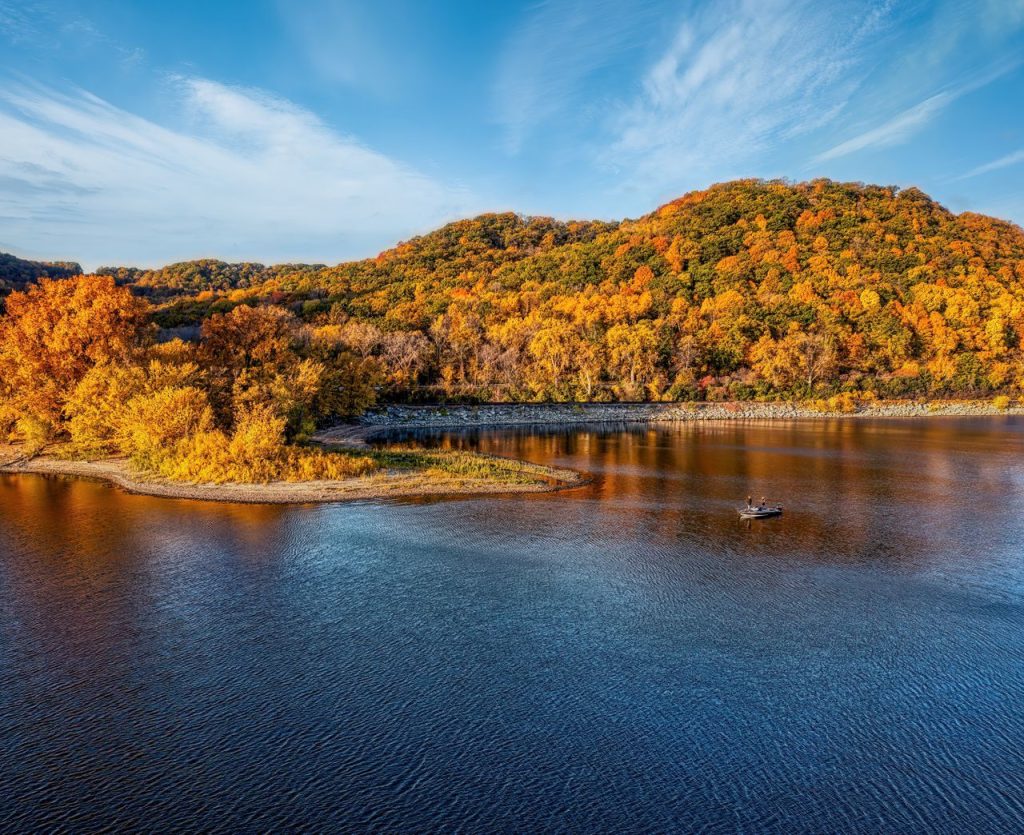
Minnesota is divided into 87 counties, and 83 of them have at least one natural lake measuring 10 acres or more. That leaves just four counties outside the state’s well-known pattern of natural lake abundance. The figure helps explain why Minnesota’s lake culture is so widespread, even though access to lakes varies significantly by location. Northern and central parts of the state are particularly well known for their many lakes, while some southern areas have a different landscape shaped by rolling farmland, river valleys, and agricultural land. The absence of natural lakes in Mower, Olmsted, Pipestone, and Rock counties is therefore a geographic distinction rather than a contradiction of the state’s nickname. It also highlights why county-level statistics can reveal details that statewide totals alone might hide.
Counting Smaller Water Bodies Could Put Minnesota’s Total Above 21,000
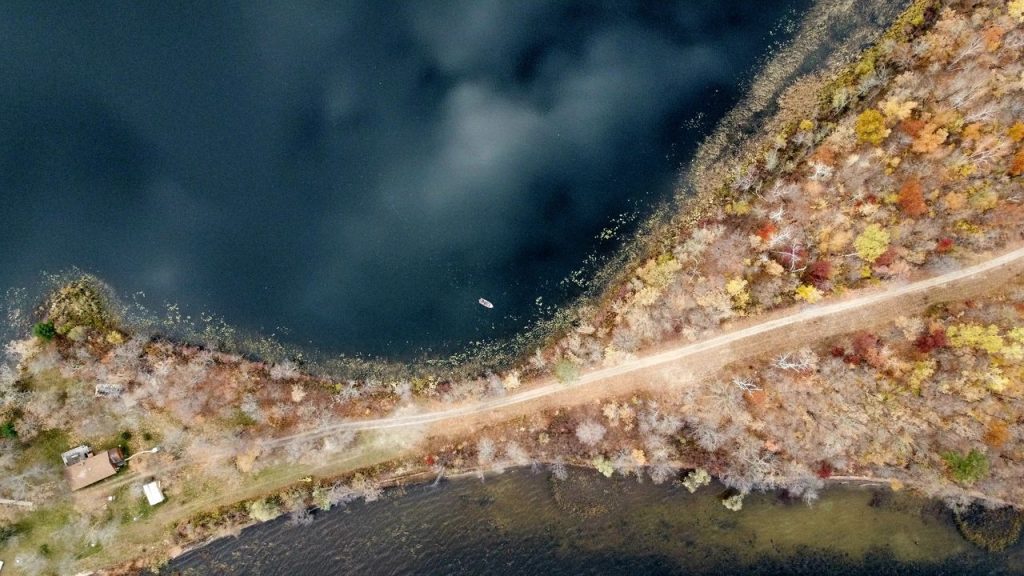
The number of lakes Minnesota has depends heavily on how small a body of water can be before it qualifies for the count. The DNR’s widely cited total includes lakes measuring at least 10 acres, but counting water bodies as small as 2.5 acres produces a much larger figure. Estimates based on that smaller threshold put Minnesota’s total at approximately 21,871 lakes. This difference illustrates why lake counts from different publications do not always match. One source may use a 10-acre minimum, while another includes smaller bodies of water. The distinction is important when comparing Minnesota with other states or interpreting claims about which state has the most lakes. A meaningful comparison requires the same size threshold and a consistent definition of what qualifies as a lake.
Minnesota Has 6,564 Natural Rivers and Streams Stretching 69,200 Miles
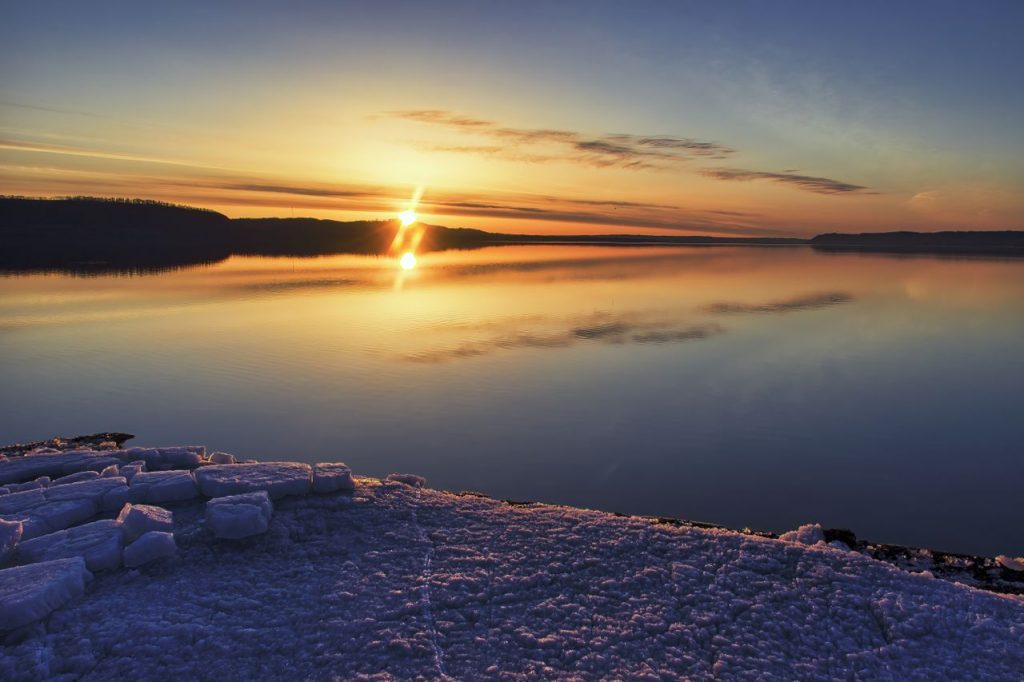
Minnesota’s freshwater landscape extends far beyond its lakes. The Minnesota Department of Natural Resources lists 6,564 natural rivers and streams, with a combined length of approximately 69,200 miles. These waterways connect lakes, wetlands, and watersheds while carrying water across the landscape. They also provide habitat for fish and other wildlife, support outdoor activities, and help sustain communities and agriculture. Minnesota’s waters flow in three broad directions: north toward Hudson Bay, east toward the Atlantic Ocean through the Great Lakes and St. Lawrence River system, and south toward the Gulf of Mexico through the Mississippi River system. This extensive network makes rivers and streams just as important as lakes when understanding the state’s water resources. Together, these waterways help explain why Minnesota’s identity is so closely tied to freshwater.