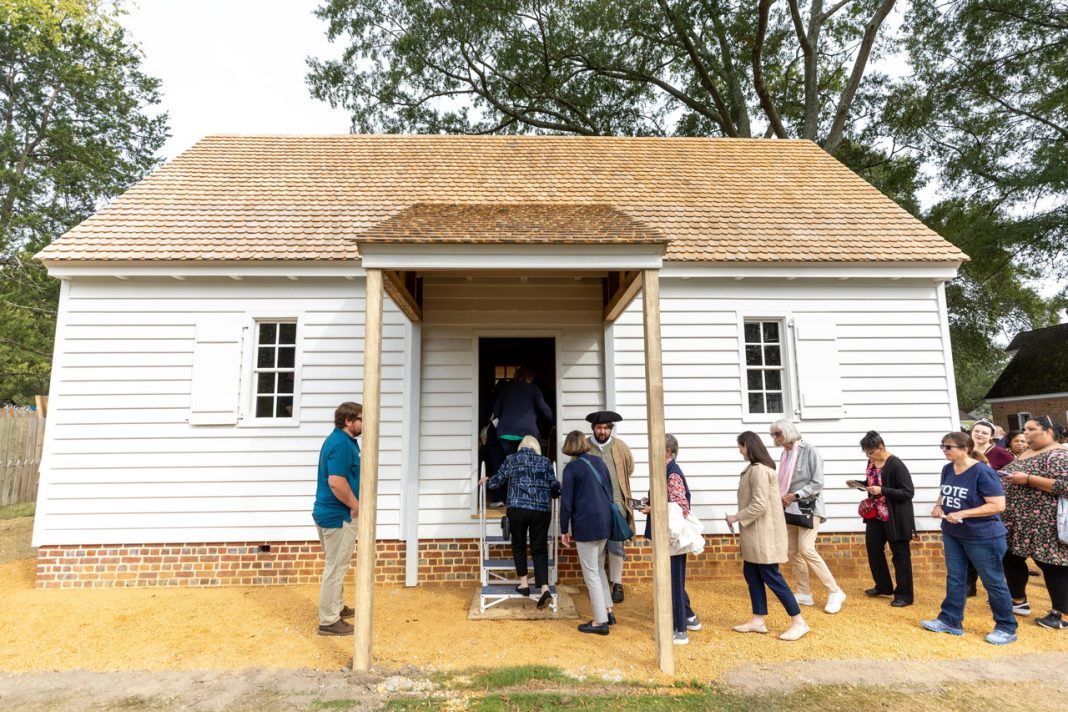

A historic Black church in Williamsburg, Virginia, is bringing nearly 250 years of African American religious history back into view. First Baptist Church traces its roots to 1776, when enslaved and free African Americans began gathering to worship despite severe restrictions on their freedom. Now, a reconstructed African Baptist Meeting House stands near the site of the original church, offering a closer look at the congregation’s remarkable journey through slavery, destruction, and renewal. Archaeological discoveries and years of historical research helped bring the project to life. Here are six important details behind the church’s 1776 roots and its renewed place in American history.
First Baptist Church of Williamsburg Traces Its Roots to 1776
The story of First Baptist Church of Williamsburg began nearly 250 years ago, when enslaved and free African Americans gathered to worship despite laws and social restrictions designed to limit their freedom. Founded in 1776 in Williamsburg, Virginia, the congregation initially met in secret at Green Spring Plantation before worshippers moved to other locations outside the town. The congregation eventually developed into one of the earliest Black Baptist churches in the United States. Its history is closely associated with Gowan Pamphlet, an enslaved tavern worker who became a prominent preacher and helped the congregation grow. By 1781, the church reportedly had around 200 members, demonstrating how quickly the community expanded despite the risks involved in gathering. The reconstruction of its original meeting house brings renewed attention to a congregation that was already building a religious and community identity when the United States declared independence.
Enslaved and Free African Americans Built a Congregation Despite Restrictions
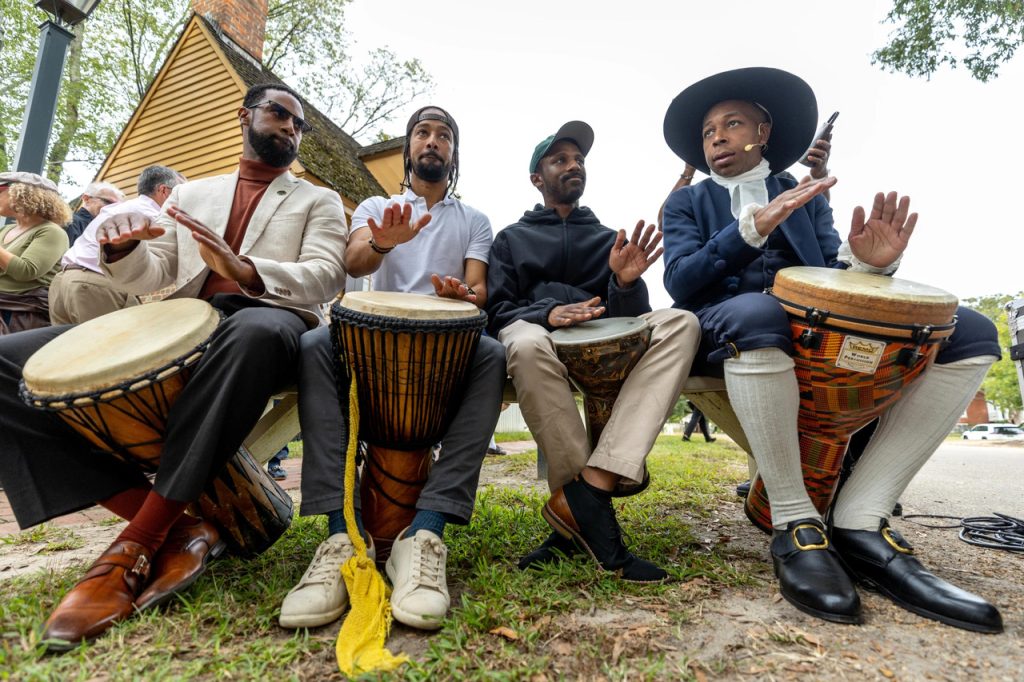
For the church’s early members, gathering to pray and sing together could carry serious consequences. Virginia laws restricted meetings of enslaved people, reflecting white authorities’ fears that large gatherings could encourage resistance to slavery. Despite these restrictions, Black worshippers continued to organize religious meetings, often in secluded outdoor locations where they could gather with less risk of interference. The congregation’s first known preacher was a man named Moses, who reportedly faced punishment for holding religious meetings. Gowan Pamphlet later became its leading preacher, helping the congregation develop and attract more members. These early worshippers created a place of faith, fellowship, and mutual support at a time when their ability to assemble freely was severely limited. The reconstructed African Baptist Meeting House recognizes their determination and highlights the important role Black communities played in shaping America’s religious history.
The Original African Baptist Meeting House Was Built Around 1805
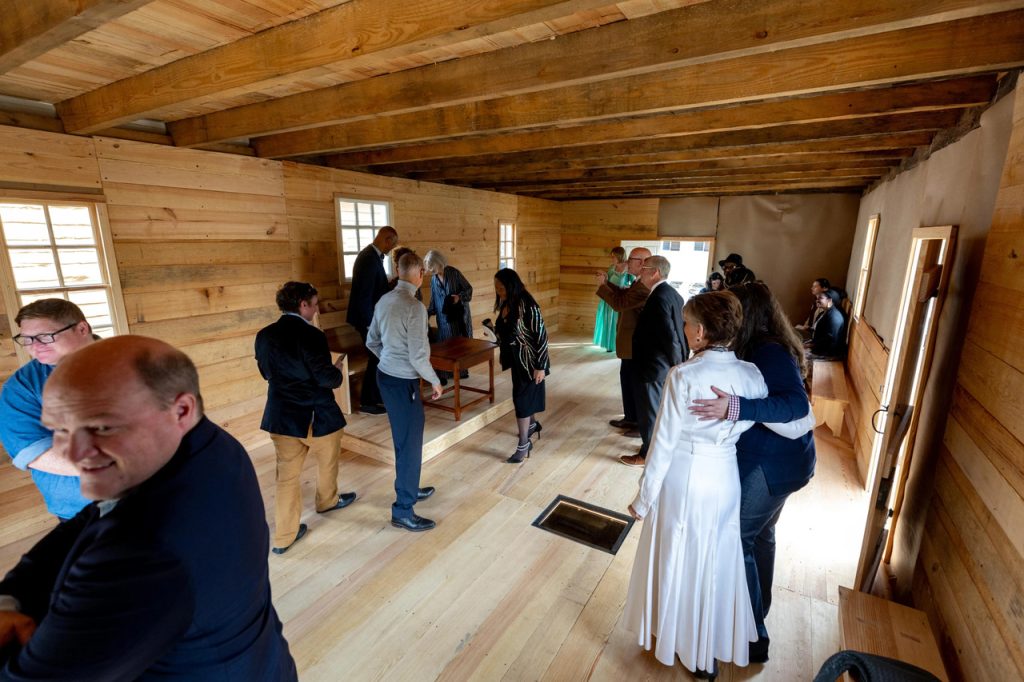
Building a permanent church required the congregation to make the most of limited resources and challenging conditions. Archaeological research indicates that the original African Baptist Meeting House was constructed around 1805 on a low-lying, swampy site along Nassau Street in Williamsburg. Rather than relying on an elaborate foundation, the builders placed recycled bricks directly on the ground to help level the structure. The evidence suggests that the first building was a simple wooden frame supported by brickwork, with an addition featuring a more formal foundation constructed later. Reused materials and straightforward building methods demonstrate the congregation’s resourcefulness, particularly given the difficult ground conditions. The reconstructed meeting house follows the original building’s known dimensions and appearance, using materials and traditional construction techniques intended to reflect its historical character. Its recreation preserves the story of a congregation that established a lasting place of worship despite limited resources and an unpromising building site.
A Tornado Destroyed the First Church Before a New Building Rose in 1856
The congregation’s history includes both destruction and renewal. In 1834, a tornado struck Williamsburg and destroyed the original African Baptist Meeting House, along with other structures in the area. The loss did not end the congregation’s presence at the site. More than two decades later, members built a larger brick church, which was dedicated in 1856 and served the community for roughly a century. In the years that followed, the congregation became known as First Baptist Church. Colonial Williamsburg acquired the Nassau Street property in the 1950s, and the 19th-century church building was demolished in 1957. The congregation moved to its current church on Scotland Street, where members have continued worshipping. Although the original building disappeared, the site remained important to descendants and church members who wanted its history recognized. The recent reconstruction restores a physical connection to the congregation’s early years while acknowledging the generations who sustained it.
Archaeologists Uncovered the Church’s Foundation and 62 Burial Sites
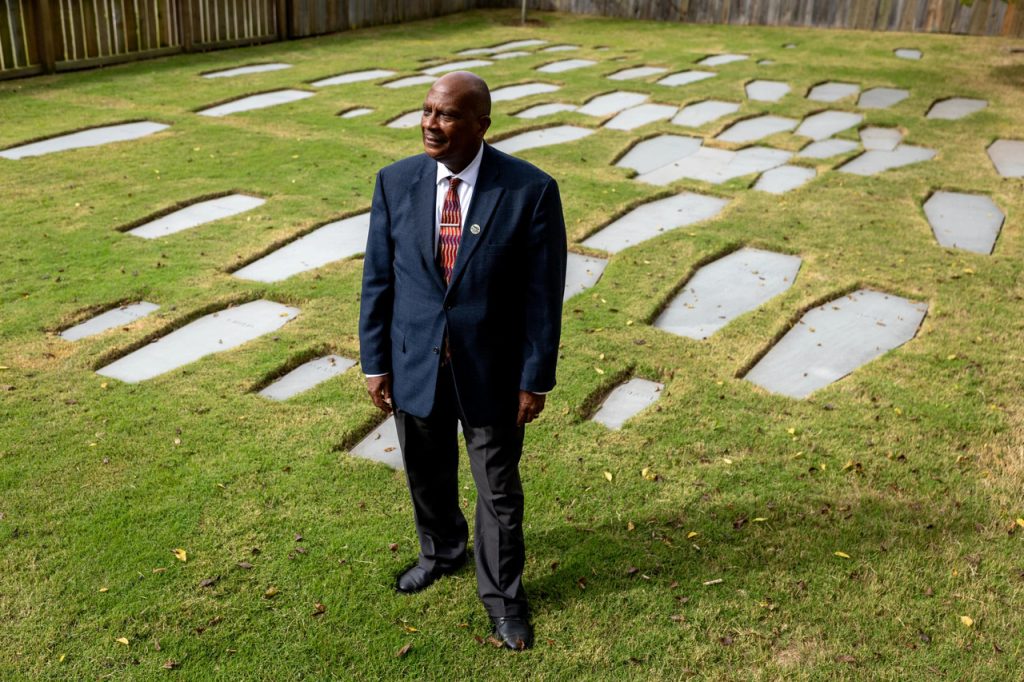
Sometimes the ground beneath a familiar place holds the evidence needed to recover a forgotten story. Archaeological work at the historic First Baptist Church site uncovered the original meeting house’s brick foundation, paving, and the remains of the later church. Researchers also identified 62 burial shafts associated with the property. Working with the descendant community, archaeologists investigated three sets of remains, with DNA and skeletal analysis helping establish links to the early congregation. The discoveries confirmed that members had buried loved ones on the grounds, giving new significance to the site as both a place of worship and a burial ground. Researchers also found everyday objects that offered clues about congregants’ lives, including straight pins associated with clothing and fragments of small money boxes that may have been used to collect donations. These findings help historians understand the people behind the church’s history, not simply the buildings they left behind.
The Reconstructed Meeting House Celebrates 250 Years of Black Religious History
The reconstruction of the African Baptist Meeting House marks an important moment in the effort to preserve Black history in Williamsburg. Dedicated on October 9, 2026, the reconstructed building commemorates the congregation’s origins in 1776 and restores a historic structure at its original Nassau Street location. The project brought together First Baptist Church, the Let Freedom Ring Foundation, and Colonial Williamsburg, combining historical research, archaeology, and traditional building methods. The reconstruction aims to preserve the original building’s modest character while incorporating selected modern features, including climate control and accessibility improvements. The surrounding burial ground also honors the people connected to the congregation’s early history. For decades, Colonial Williamsburg’s presentation of the historic town did not adequately recognize the church’s story. The new meeting house helps address that omission by placing the experiences of enslaved and free Black worshippers more firmly within the wider narrative of American history.