
Pakistani American chefs are finding creative ways to bring their culinary heritage to familiar American favorites, and the results are turning heads. From hot dogs topped with Karachi-inspired bhel puri to chopped cheese sandwiches filled with chapli kebab, these inventive dishes blend traditional Pakistani flavors with the comfort foods Americans already love. Restaurants and pop-ups are helping introduce diners to new tastes without losing the appeal of recognizable classics. Here are six dishes that showcase how a new generation of Pakistani American chefs is reshaping the American food scene.
Bhel Puri Hot Dogs Bring Karachi Street Food to an American Classic
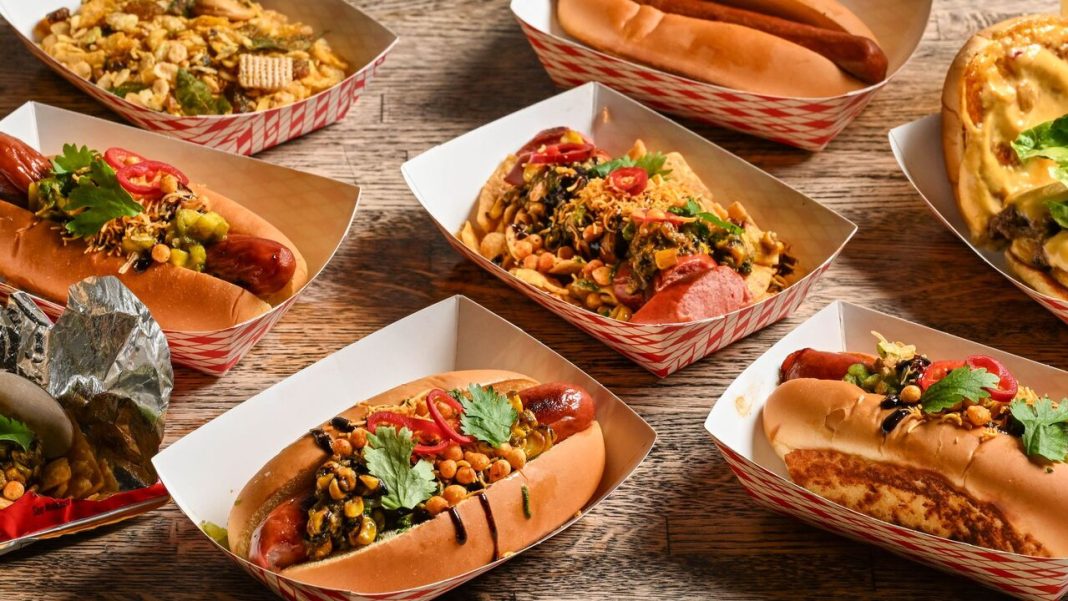
A hot dog can be a blank canvas for more than mustard and ketchup, as Pakistani American chef Pervaiz Shallwani discovered at a friend’s birthday cook-off in 2017. His creation combined a Chicago-style hot dog with bhel puri, a popular South Asian street food made with crispy puffed rice, diced onions, tomatoes, and tangy, spicy chutneys. The result brought together the familiar shape of an American favorite and the bold, crunchy flavors of Karachi street food. What began as an experiment eventually inspired Chaat Dog, a hot dog pop-up launched in 2022 that later opened a permanent location inside Brooklyn’s Time Out Market. The dish also reflects a larger shift in Pakistani American cooking, where chefs are finding ways to share their cultural heritage through foods that American customers already recognize.
Nashville Hot Chicken Sandwiches Get a Pakistani Flavor Upgrade
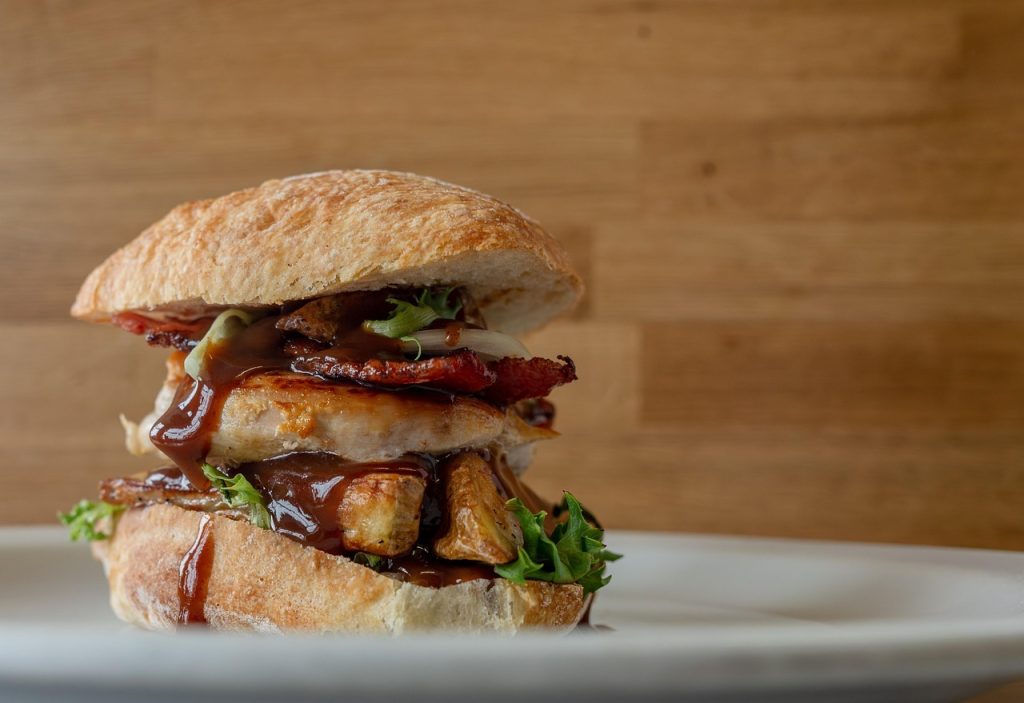
Nashville-style hot chicken is known for its crispy coating and fiery seasoning, but Pakistani American restaurant Namkeen has found another way to make the Southern favorite stand out. Founded by Usman Chaudhry, his wife Amena, and his brother, the restaurant serves halal hot chicken with a distinctly South Asian influence. One signature item, the Tikkaville Sandwich, layers fried chicken with rich tikka sauce, coleslaw, pickled onions, and mint chutney on a brioche bun. The combination balances crunchy chicken and creamy sauce with the fresh, tangy flavors associated with Pakistani cooking. Namkeen opened in New Jersey in 2020 and quickly attracted customers, even during the pandemic. Its success shows how familiar American comfort food can introduce diners to Pakistani flavors without requiring them to navigate an entirely unfamiliar menu.
Chopped Cheese Sandwiches Get a Chapli Kebab Makeover
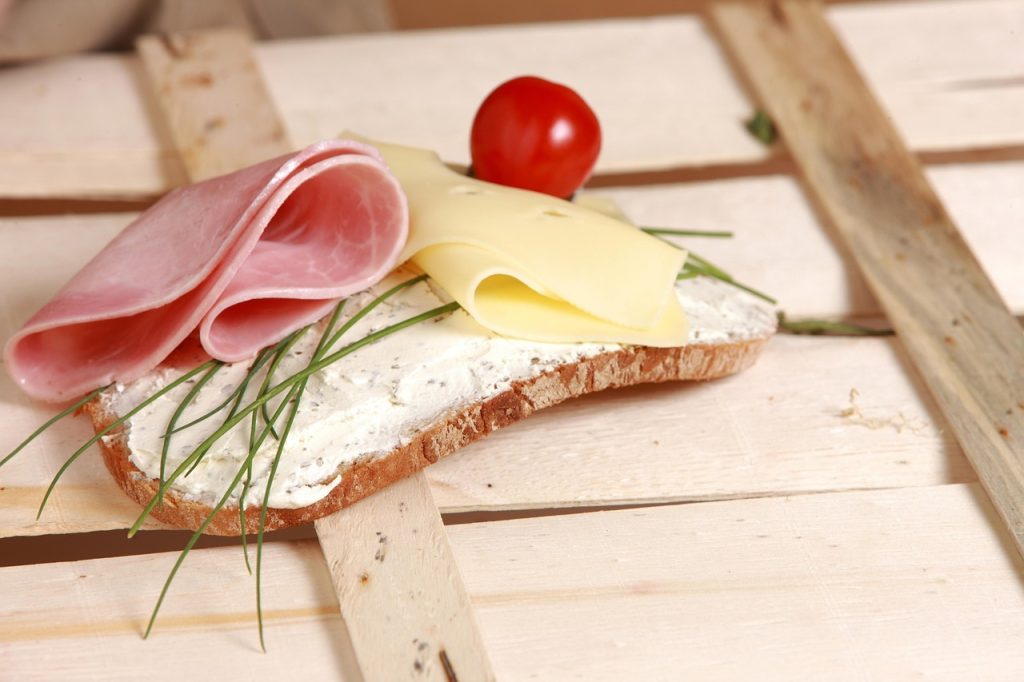
New York’s chopped cheese sandwich has long been associated with neighborhood bodegas, but chef Zeeshan Bakhrani has given the familiar staple a Pakistani identity at Nishaan in Manhattan’s East Village. Instead of relying on the usual chopped beef, his signature sandwich uses heavily seasoned chapli kebab, a Pakistani spiced minced-meat preparation. The meat is chopped on a griddle with peppers and onions, then finished with lime-cilantro sauce and tamarind chutney. These additions bring savory, citrusy, and sweet-tangy flavors to a format many New Yorkers already know. Nishaan’s approach demonstrates how Pakistani American chefs can adapt traditional flavors without abandoning the everyday foods that shape their American experience. The sandwich also helps make Pakistani cuisine more accessible to diners who might be encountering chapli kebab for the first time.
Texas Barbecue Gets a Pakistani Twist With Seekh Kebab Sausages
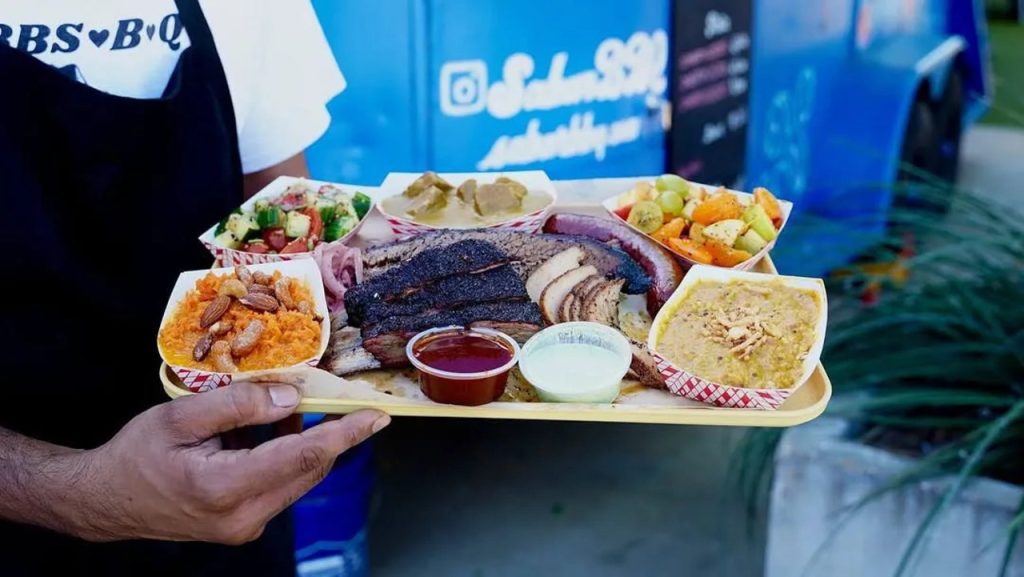
Texas barbecue and Pakistani kebabs may come from different culinary traditions, but both celebrate carefully seasoned meat cooked with attention to flavor and texture. Pitmaster Zain Shafi explored that connection through Sabar, his halal Pakistani-inspired barbecue food truck in Fort Worth. After learning the craft at the acclaimed Goldee’s barbecue restaurant, Shafi developed creations that brought Pakistani seasonings into familiar Texas barbecue formats. One standout was a sausage seasoned with seekh kebab spices, alongside smoked tandoori turkey and traditional barbecue accompaniments adapted with Pakistani influences. Raita, lentils, and naan appeared alongside the smoked meats, offering a different take on the usual barbecue spread. Sabar operated from 2023 to 2025, and its menu illustrated how chefs can draw on their cultural background while working within an established regional food tradition.
Chicken Tikka Mac and Cheese Gives Comfort Food a Spicy Edge
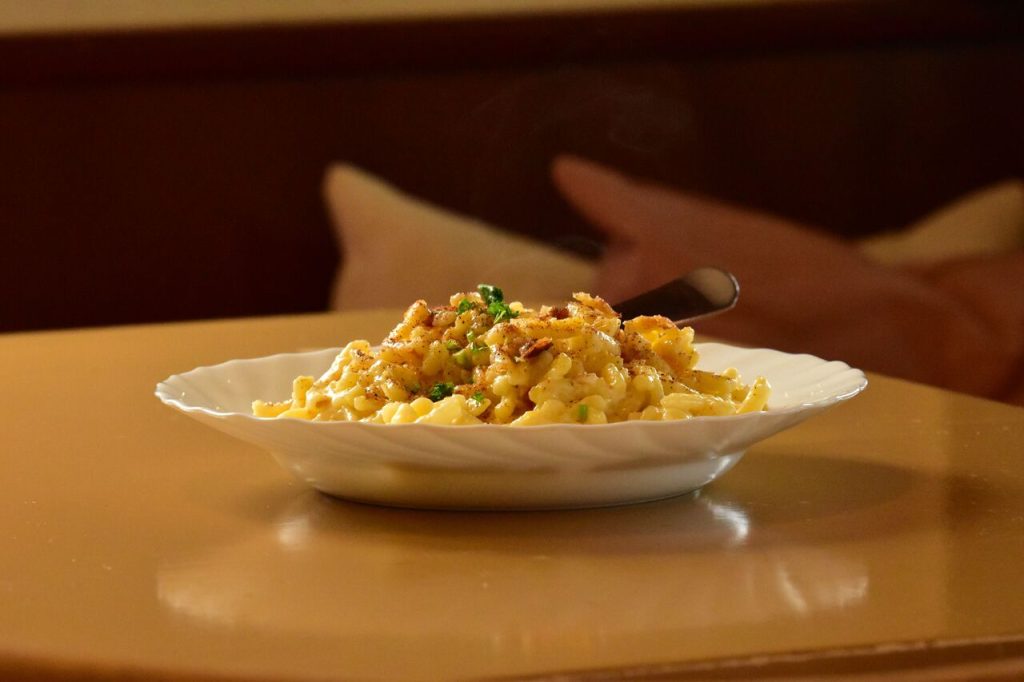
Mac and cheese is a familiar American comfort food, but Namkeen adds a Pakistani-inspired twist by combining the creamy classic with fried chicken and savory tikka sauce. The dish brings together rich cheese, crisp chicken, and the warm, aromatic flavors associated with tikka preparations. It is a natural fit for the restaurant’s broader approach, which introduces South Asian seasoning through popular American dishes rather than relying exclusively on traditional restaurant formats. The result gives diners a recognizable starting point while offering something different from a standard bowl of macaroni and cheese. Namkeen’s menu also includes inventive chicken sandwiches, such as its Tikkaville, which uses tikka sauce and mint chutney to build layers of flavor. These dishes demonstrate how Pakistani American cooking can adapt familiar favorites into distinctive meals without losing the comfort and convenience that make them popular.
Elote Chaat Combines Mexican Street Corn With Pakistani Flavors
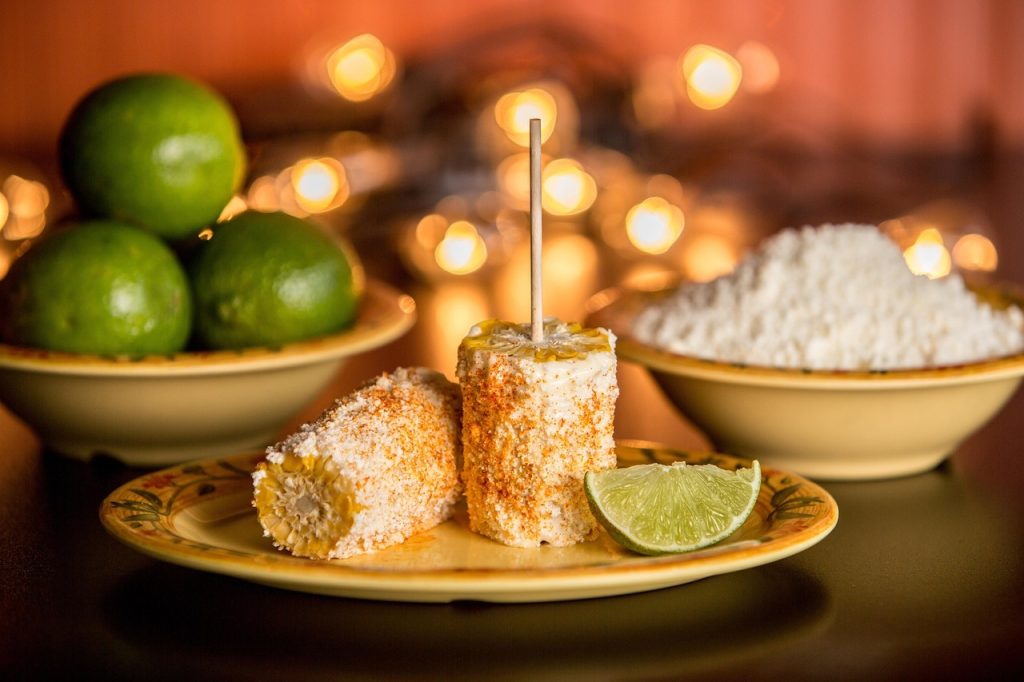
Some of the most interesting food ideas emerge when chefs draw on more than one part of their upbringing. At Nishaan, Bakhrani serves elote chaat, a dish inspired by Mexican street corn and the Pakistani tradition of chaat, a broad category of snacks known for their lively mix of savory, tangy, spicy, and crunchy elements. The creation reflects Bakhrani’s childhood in Chicago, where Mexican food was part of the culinary environment around him, alongside his Pakistani heritage. Elote chaat sits within a menu that also features Pakistani chopped cheese, bihari barbacoa tacos, and Pakola-inspired soft-serve. Rather than treating these influences as separate categories, the restaurant brings them together in a contemporary fast-casual setting. The dish captures the broader trend of Pakistani American chefs creating food that reflects the many culinary traditions that shape life in the United States.