
The Smithsonian’s National Portrait Gallery is marking 50 years of collecting photographs with Photographic Memory: Fifty Years of Collecting. Open through November 7, 2027, the exhibition brings together 129 portraits, from an 1843 daguerreotype of John Quincy Adams to digital-era images of well-known Americans.
Fifty Years of Photography Receive a Gallery of Their Own
A camera can hold a moment that a painter or sculptor never had the chance to record. That idea sits at the heart of Photographic Memory: Fifty Years of Collecting, which opened at the Smithsonian’s National Portrait Gallery on November 14. The exhibition marks 50 years since the museum began collecting photographs and brings together 129 works from its collection. It is on view in the second-floor west galleries through November 7, 2027. Photography now accounts for nearly half of the museum’s holdings, making this anniversary a look at a major part of its portrait collection.
Famous Faces Meet the Photographers Behind the Images
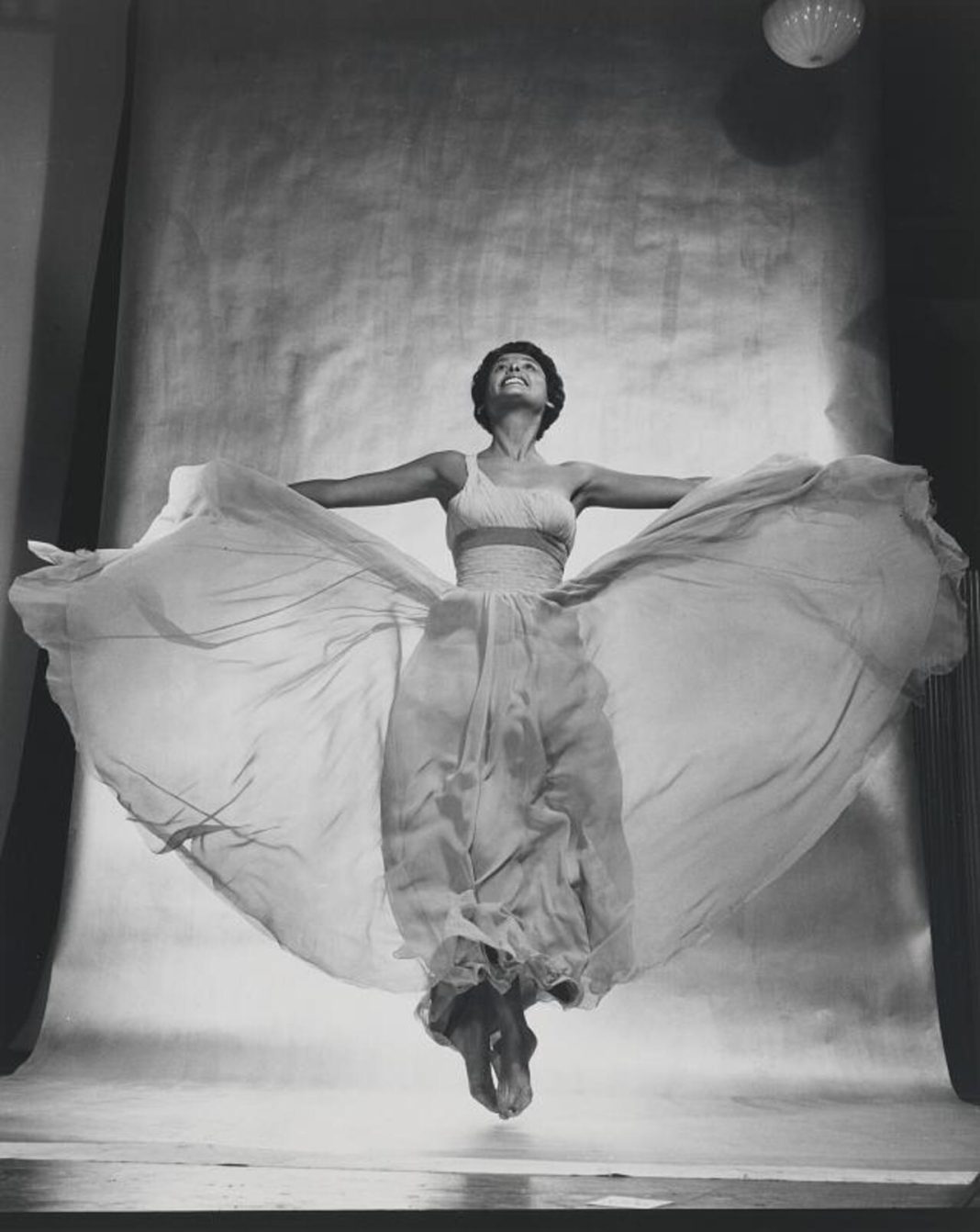
The people in these photographs are well known, but the show also draws attention to the artists who chose how to frame them. Visitors can see Alexander Gardner’s cracked-plate portrait of Abraham Lincoln and a cabinet-card image of journalist Ida B. Wells-Barnett by Sallie E. Garrity. Later portraits include Eleanor Roosevelt photographed by Yousuf Karsh, John Steinbeck by Sonya Noskowiak, Lena Horne by Philippe Halsman, James Brown by Diane Arbus, and Venus and Serena Williams photographed by Annie Leibovitz. Taken together, the portraits show how a photographer’s choices of pose, setting and timing can shape the way we remember a person.
The Images Follow Photography From Early Plates to Digital Prints
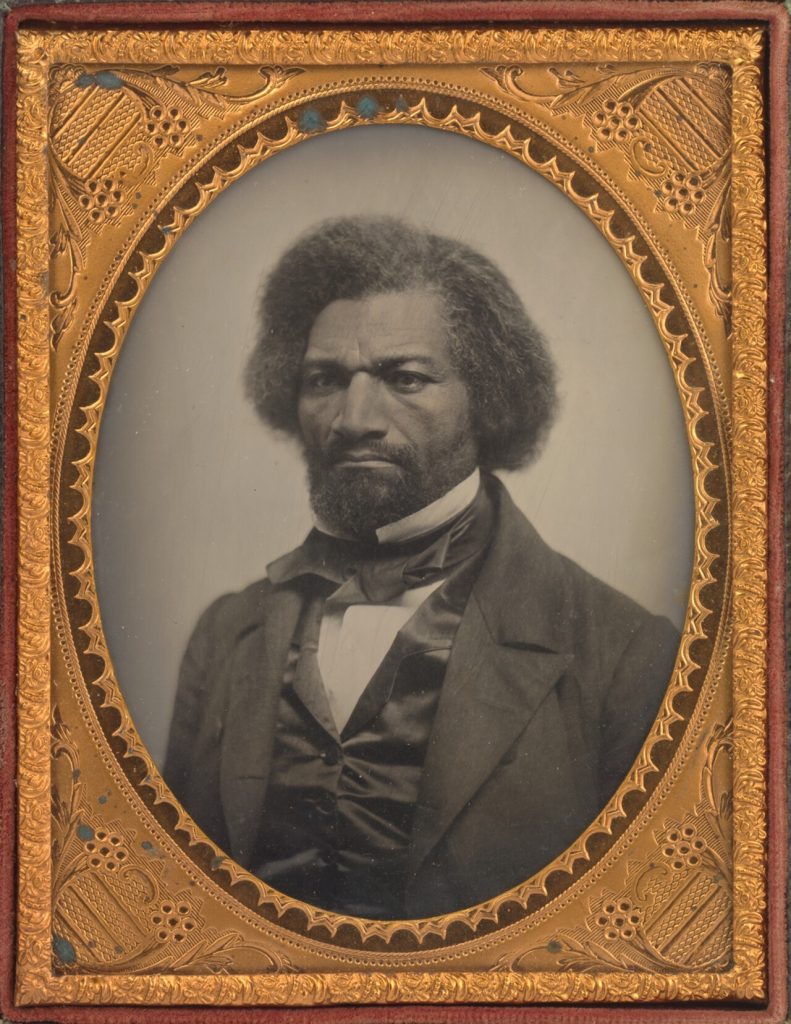
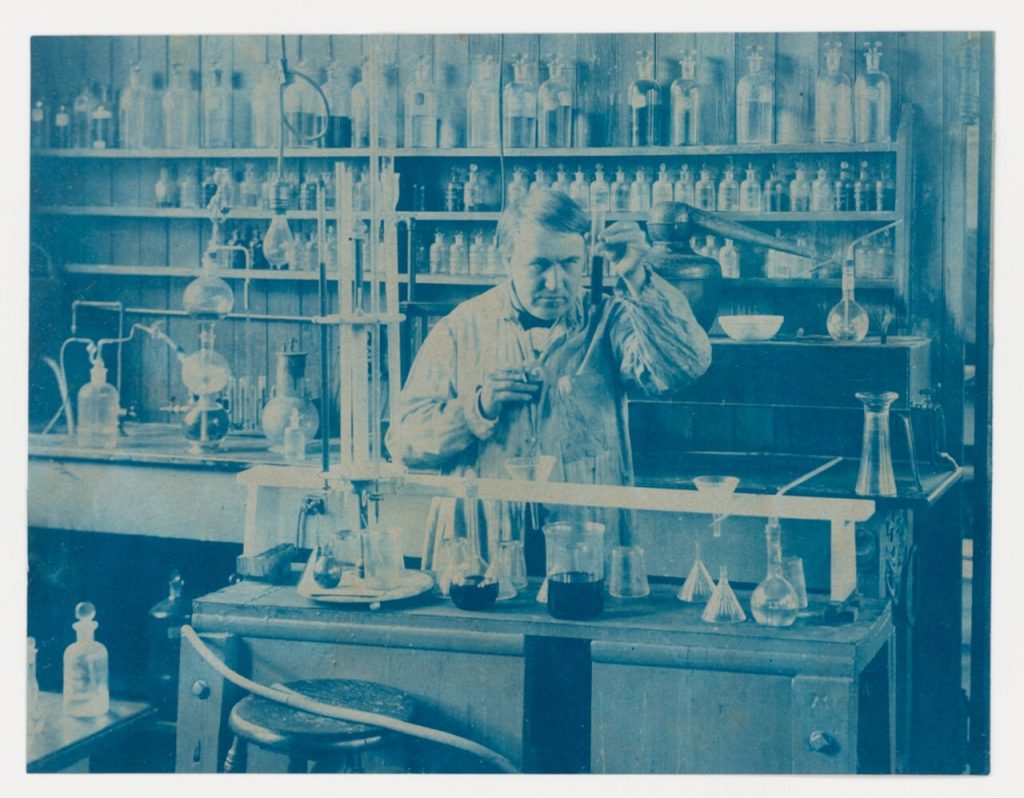
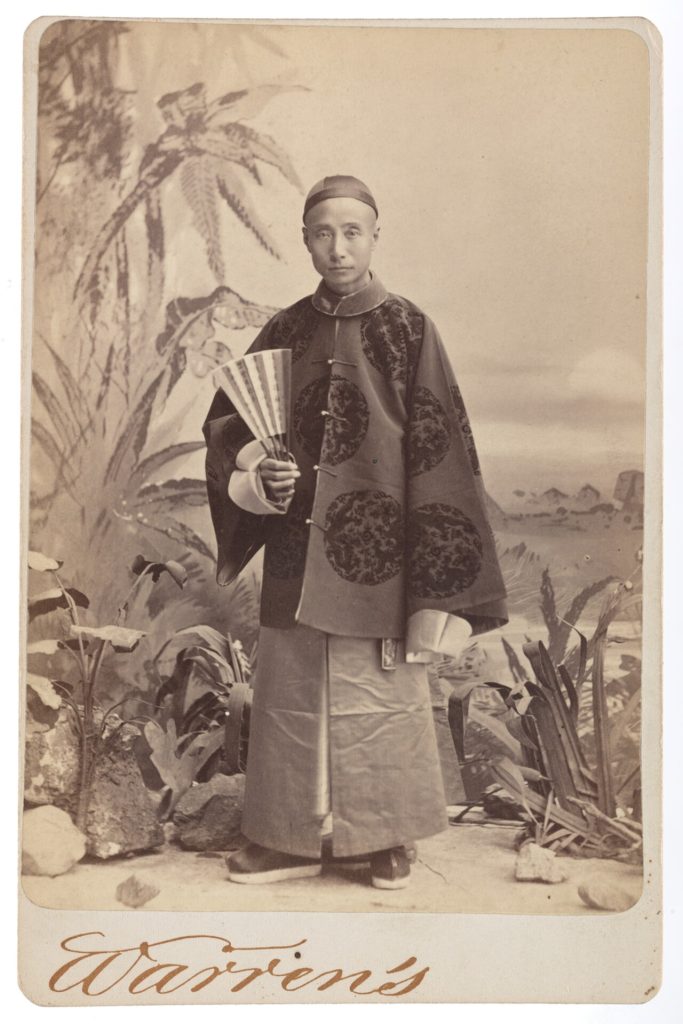
The exhibition follows photographic portraiture across nearly two centuries of changing methods. Its earliest portrait is an 1843 daguerreotype of John Quincy Adams, made on a polished metal plate; among its most recent is a 2020 digital inkjet print of chef and humanitarian José Andrés. In between, visitors can encounter works made using processes such as ambrotype, albumen printing and gelatin silver printing. Each method leaves its own look and texture, and some early prints are fragile enough to need special lighting. The range helps make the history of photography visible through the portraits themselves.
A Change in the Museum’s Rules Broadened Who Could Be Seen
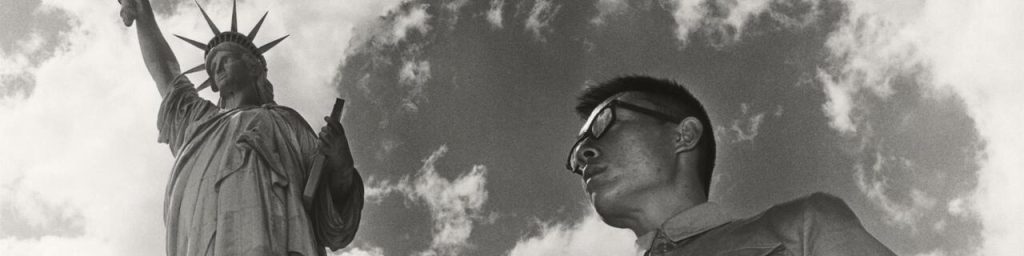
When Congress established the National Portrait Gallery in 1962, its collecting mandate covered painted and sculpted likenesses, leaving photographs outside its scope. That rule changed in 1976, when the museum gained authority to collect portraits made through photography and other processes. The shift mattered because many influential Americans never sat for a painter or sculptor, and photographs could preserve their likenesses. Over the past half-century, the collection has grown to more than 11,000 objects. The exhibition shows how photography helped the museum tell a broader story of the people who shaped the country.