
The 2026 midterms brought a series of historic firsts to statehouses and the U.S. Senate. Eight winners, including Deb Haaland, Peggy Flanagan, Chris Pappas, and Keisha Lance Bottoms, reached offices where people from their communities had not held those positions before.
Native American Firsts: Deb Haaland and Peggy Flanagan
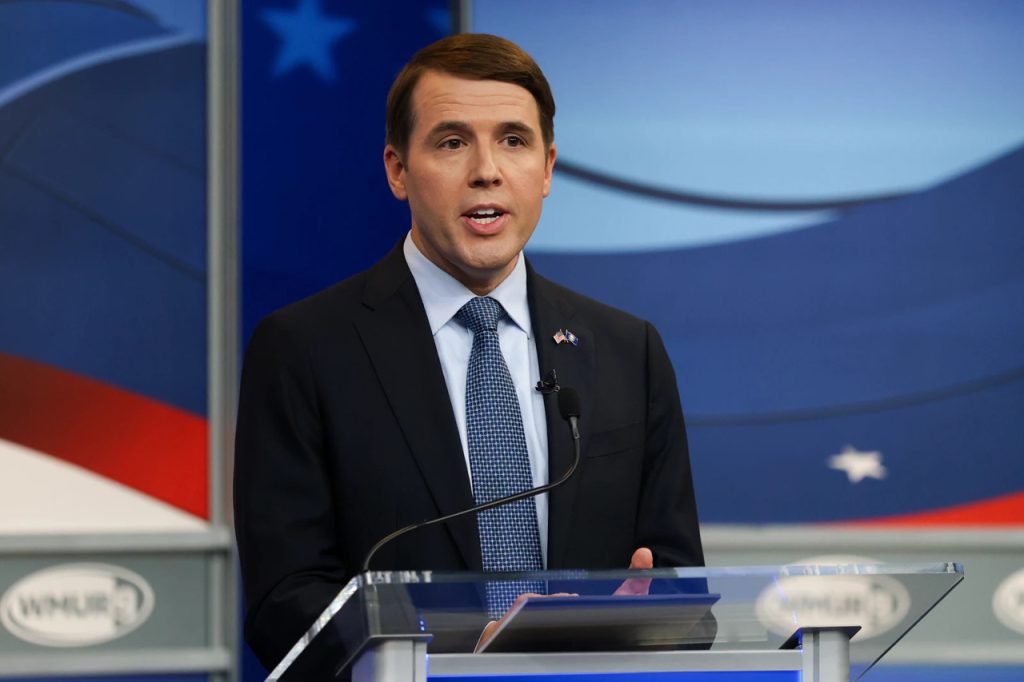
Two Native American women broke national barriers in different parts of government. Deb Haaland, a citizen of Laguna Pueblo, won New Mexico’s governor’s race, becoming the first Native American woman elected governor of a U.S. state. Her win followed earlier milestones: she was among the first two Native American women elected to Congress and later became the first Native American Cabinet secretary, leading the Department of the Interior. Minnesota’s Peggy Flanagan, a citizen of the White Earth Band of Ojibwe, won a U.S. Senate seat and became the first Native American woman elected to the Senate. Their victories bring Native women’s leadership to two of the country’s most prominent elected offices.
Senate Firsts: Chris Pappas and Abdul El-Sayed
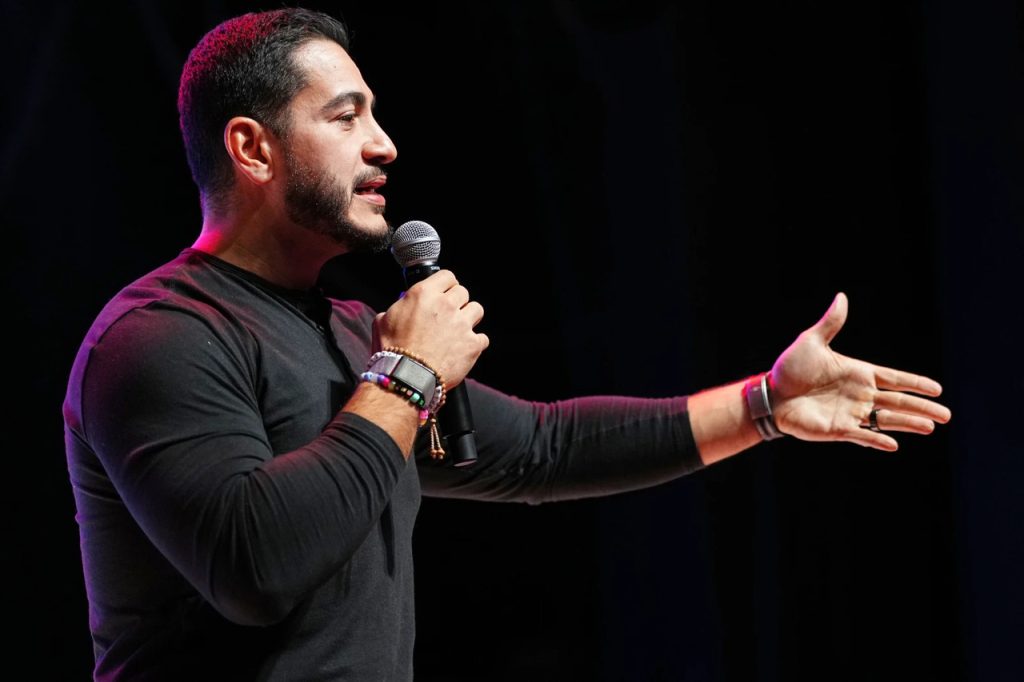
A pair of Senate victories widened the range of voices represented in Congress. New Hampshire Democrat Chris Pappas, already serving in the U.S. House, became the first openly gay man elected to the U.S. Senate. The milestone is specifically about gay men, since women who identify as LGBTQ have served in the Senate before. In Michigan, Democrat Abdul El-Sayed became the first Muslim American elected to the Senate. A physician and public health expert, El-Sayed had previously led Detroit’s health department. His victory came after a campaign in which his faith and background drew attention. Together, the wins mark distinct firsts in the Senate’s history.
Black Gubernatorial Firsts: Keisha Lance Bottoms and David Crowley
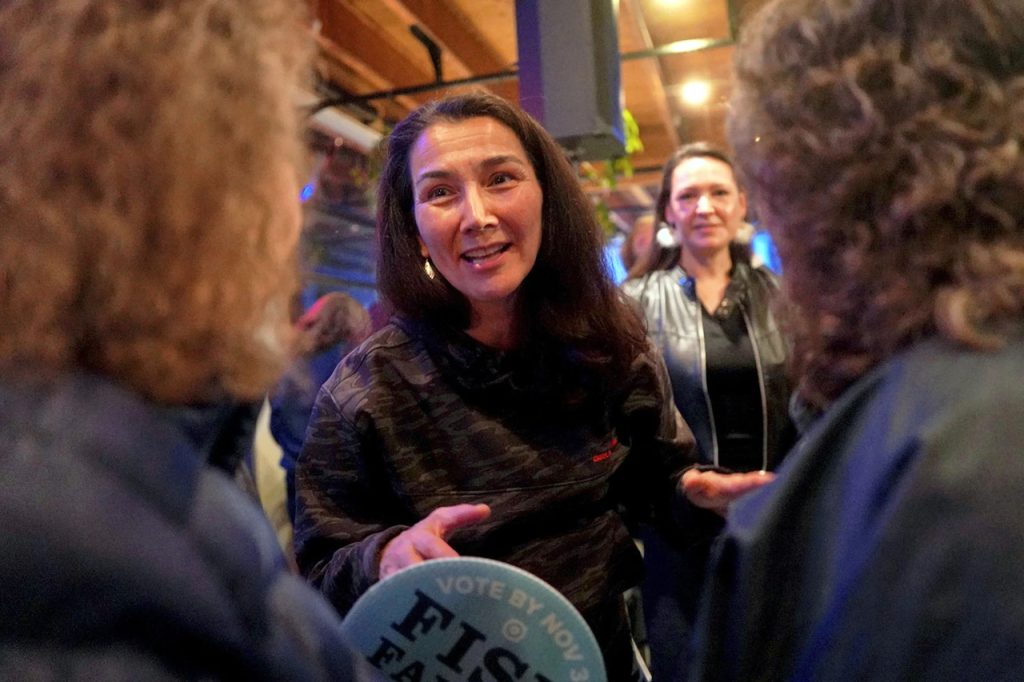
Georgia’s top office changed hands with a historic result: Keisha Lance Bottoms became the first Black woman elected governor of a U.S. state. The former Atlanta mayor also became Georgia’s first governor of color. In Wisconsin, Democrat David Crowley became the state’s first Black governor. Before his election, Crowley served as Milwaukee County executive. Their victories added two state-level milestones to a broader wave of Black candidates winning gubernatorial races in 2026. The distinction matters: Bottoms made history nationally as the first Black woman governor, while Crowley’s win made him the first Black person elected to lead Wisconsin.
Latino Gubernatorial Firsts: Gina Hinojosa and Xavier Becerra
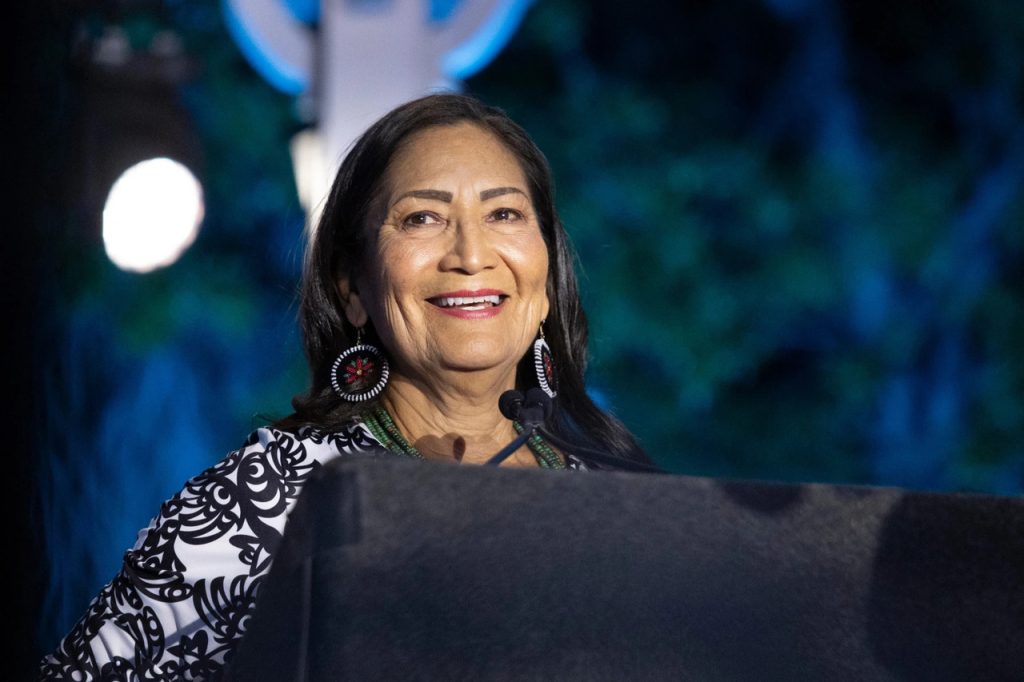
Gina Hinojosa and Xavier Becerra won governorships in two of the country’s most populous states, each setting a different milestone. Texas Democrat Hinojosa became the state’s first Latina governor. In California, Democrat Becerra became the first Latino elected governor since Romualdo Pacheco held the office in 1875. That timing is important: Becerra is not the first Latino governor in California’s history, but his election ends a gap of more than 150 years. The two victories put Latino leaders in charge of Texas and California, where their elections stand out as major moments in the history of representation in state government.