
Minnesota’s 2026 midterm drew record participation, with more than 2.8 million ballots cast. Amid that turnout, four state and federal races stood out for their remarkably narrow margins, from a state Senate contest decided by just four votes to a congressional race separated by a few hundred.
State Senate District 4: Austin Peterson Leads Rob Kupec by 4 Votes
A four-vote gap made the contest between Republican Austin Peterson and DFL incumbent Rob Kupec the closest of these four races. The unofficial totals listed Peterson with 18,107 votes and Kupec with 18,103, a margin of 0.04 percent. That falls within Minnesota’s threshold for a publicly funded recount in a state legislative race, which is less than 0.5 percent. A recount is not automatic: the losing candidate must request one after the canvassing process. The closeness drew extra attention in an election when more than 2.8 million Minnesotans cast ballots, about 300,000 more than in the 2022 midterm.
State House District 32A: Nolan West Leads Amanda Matchett by 22 Votes
In House District 32A, Republican Nolan West was ahead of DFL challenger Amanda Matchett by 22 votes in the unofficial count. West had 11,833 votes to Matchett’s 11,811, a margin of 0.09 percent. Like the other two legislative races here, this result sits well below the state’s 0.5 percent threshold for a publicly funded recount. The candidate who comes in second must request it, and the election board must first review and certify the results. With all 15 precincts reporting in the latest posted results, the tiny gap showed how even a close race with a complete precinct count still moves through formal review before it is final.
State Senate District 33: Karin Housley Leads Nat Smith by 42 Votes
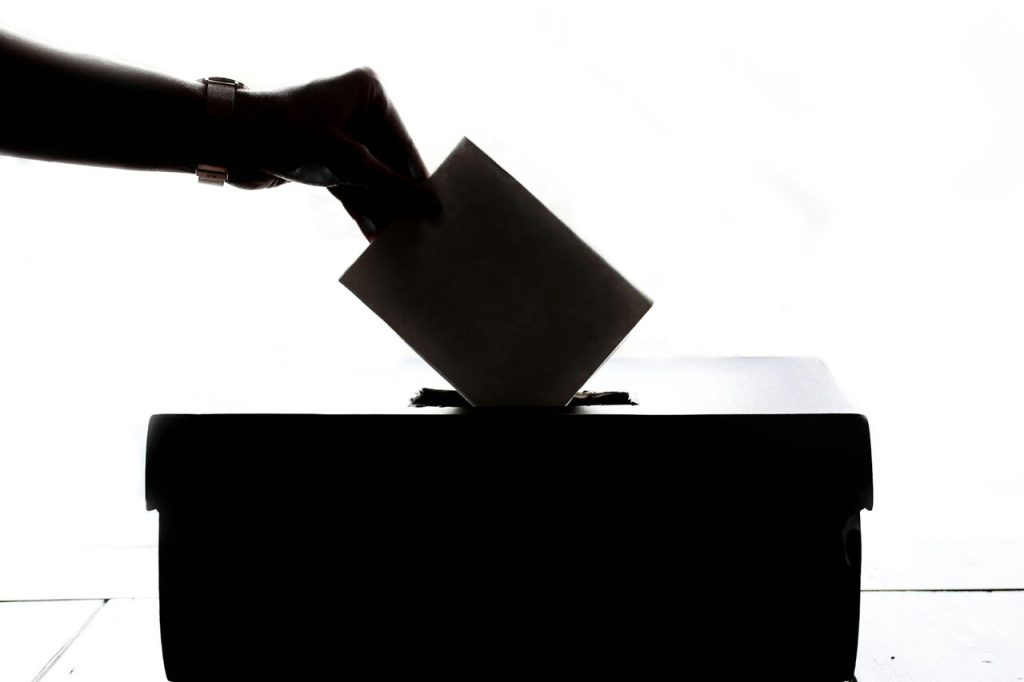
The contest between Republican Karin Housley and DFL challenger Nat Smith was separated by 42 votes in the unofficial results. Housley had 23,977 votes and Smith had 23,935, a 0.08 percent difference. That margin is also inside the threshold for a publicly funded recount in a legislative race, though a recount must be requested by the candidate who trails. The posted tally showed all 27 precincts reporting, but the state’s results remained subject to canvassing and certification. The scale of the election makes the narrow margin especially striking: turnout exceeded 64 percent of eligible voters, according to preliminary figures, while this state Senate contest came down to a few dozen ballots.
U.S. House District 1: Jake Johnson Leads Brad Finstad by 323 Votes
Southern Minnesota’s U.S. House District 1 race had a wider gap than the three legislative contests, but it was still close by statewide standards. DFL challenger Jake Johnson received 163,055 votes in the latest posted unofficial tally, while Republican incumbent Brad Finstad received 162,733, leaving Johnson ahead by 322 votes. The Secretary of State’s November 4 summary listed the difference as 323 votes, and that is the figure used in the original comparison. The margin was about 0.1 percent, within the 0.25 percent threshold for a publicly funded recount in a federal race. A recount would need to be requested by the losing candidate after canvassing. The final result was not certified in the posted update.