
The PWHL is tightening things up for 2026–27. The biggest change is easy to spot: neck protection will be mandatory for every player.
That decision is about safety, but it is not the only update. The league is also refining how the game is managed, trying to keep play fast while making standards clearer across all six markets.
Mandatory neck protection becomes the headline change

The PWHL said the new rule will require all players to wear approved neck protection beginning with the 2026–27 season. That puts the women’s league in line with a broader shift in hockey after several governing bodies revisited equipment standards in 2023 and 2024.
The issue gained urgency across the sport after the death of former NHL player Adam Johnson in October 2023 during a game in England. In the months that followed, leagues including the AHL and organizations under USA Hockey moved toward stricter neck guard rules, and the PWHL’s decision fits that same safety-first pattern.
For players, this is a practical change more than a symbolic one. Neck lacerations are rare, but when they happen the risk is severe, and medical experts in sports medicine have repeatedly pointed to cut-resistant gear as a simple preventive step with very little effect on performance.
Other rule tweaks aim to improve flow and consistency

The PWHL has also continued adjusting its rulebook as it moves beyond its launch in January 2024. Like many young leagues, it has used its first seasons to test what works, and those early years gave hockey operations staff a real sample size across cities like Boston, Minnesota, Montréal, New York, Ottawa, and Toronto.
One focus has been consistency in officiating and game management. When a league expands its audience in the United States and Canada, clear standards matter, especially for newer fans who may be learning PWHL-specific wrinkles such as the league’s points system and its jailbreak rule.
The league has not treated innovation as a gimmick. Instead, it has tried to keep the core of elite hockey intact while using rule adjustments to reduce confusion, support player safety, and preserve the pace that helped the PWHL draw strong crowds during its first two seasons.
Why these changes matter beyond one season
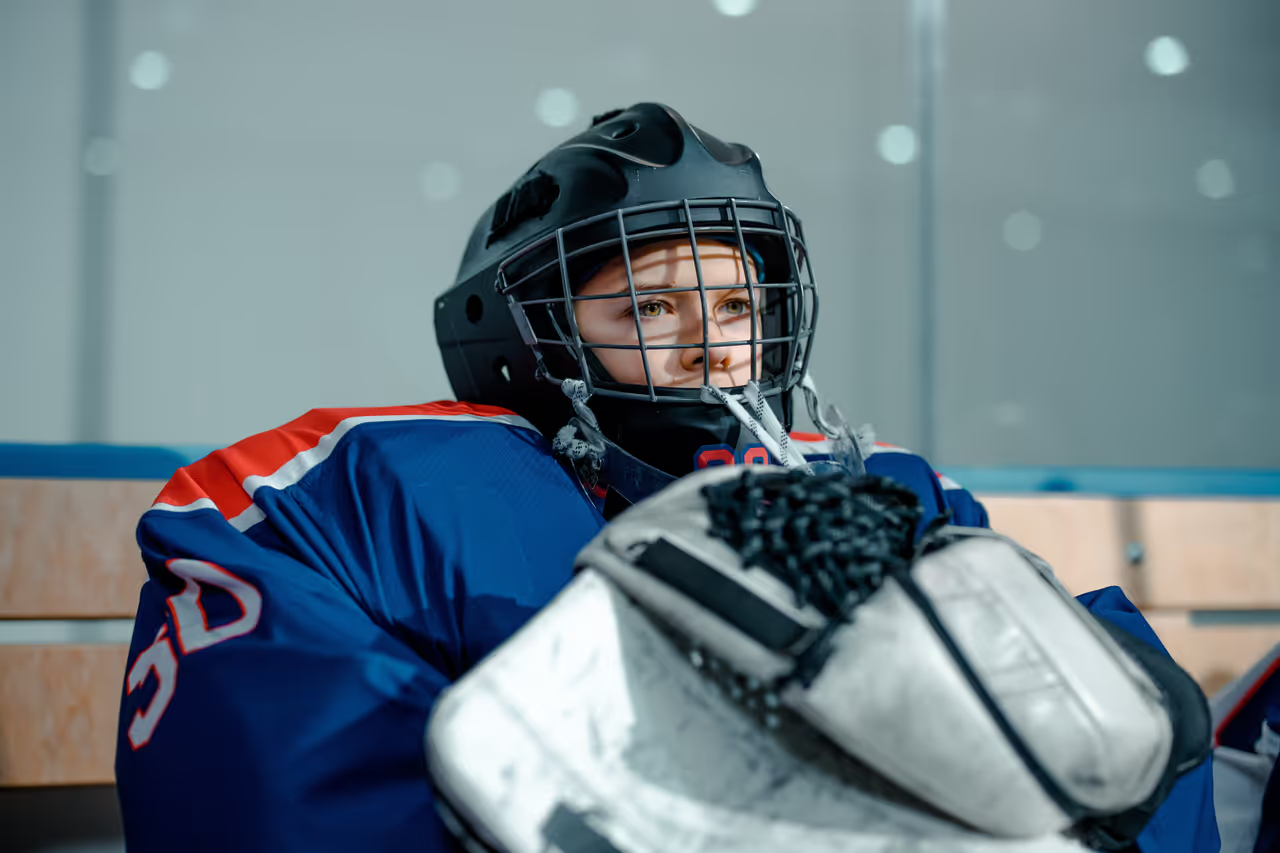
For a league still building its identity, equipment rules carry extra weight. The PWHL launched in 2024 with major backing from the Mark Walter Group and Billie Jean King Enterprises, and every policy choice now helps define what professional women’s hockey looks like for the next decade.
Mandatory neck protection also sends a message to youth players and amateur programs in places like Minnesota, Massachusetts, Ontario, and Québec. When a top pro league makes a safety rule standard by 2026–27, local associations often get a clearer model for what best practice should be.
There is also a business side to this. A league that shows it can respond quickly to risk, listen to medical guidance, and standardize rules across all teams looks more credible to sponsors, broadcasters, and families, and that matters as the PWHL pushes for long-term growth after its first full seasons.