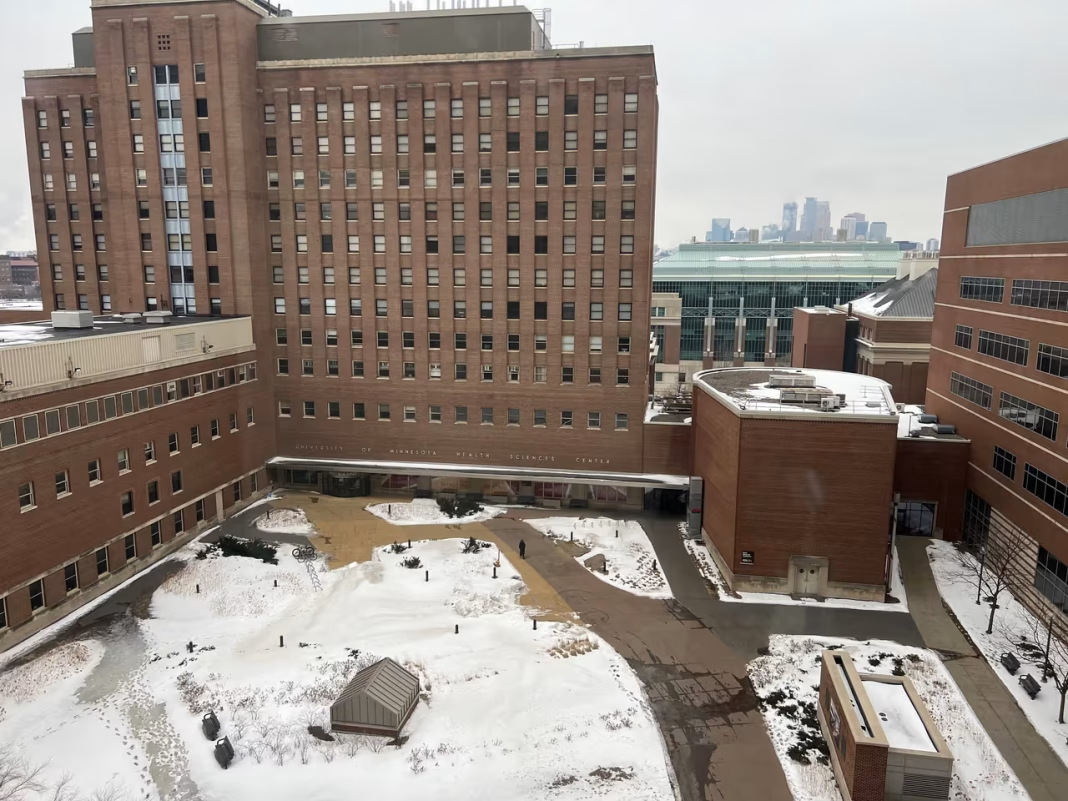

Big science often depends on simple access. In this case, that means getting drilling equipment into places researchers have struggled to reach for years.
The University of Minnesota just got a major boost to solve that problem. With $20 million from the National Science Foundation, a Minnesota-led team will build a new scientific drilling platform designed for large lakes and nearshore marine environments.
Why this drilling platform matters
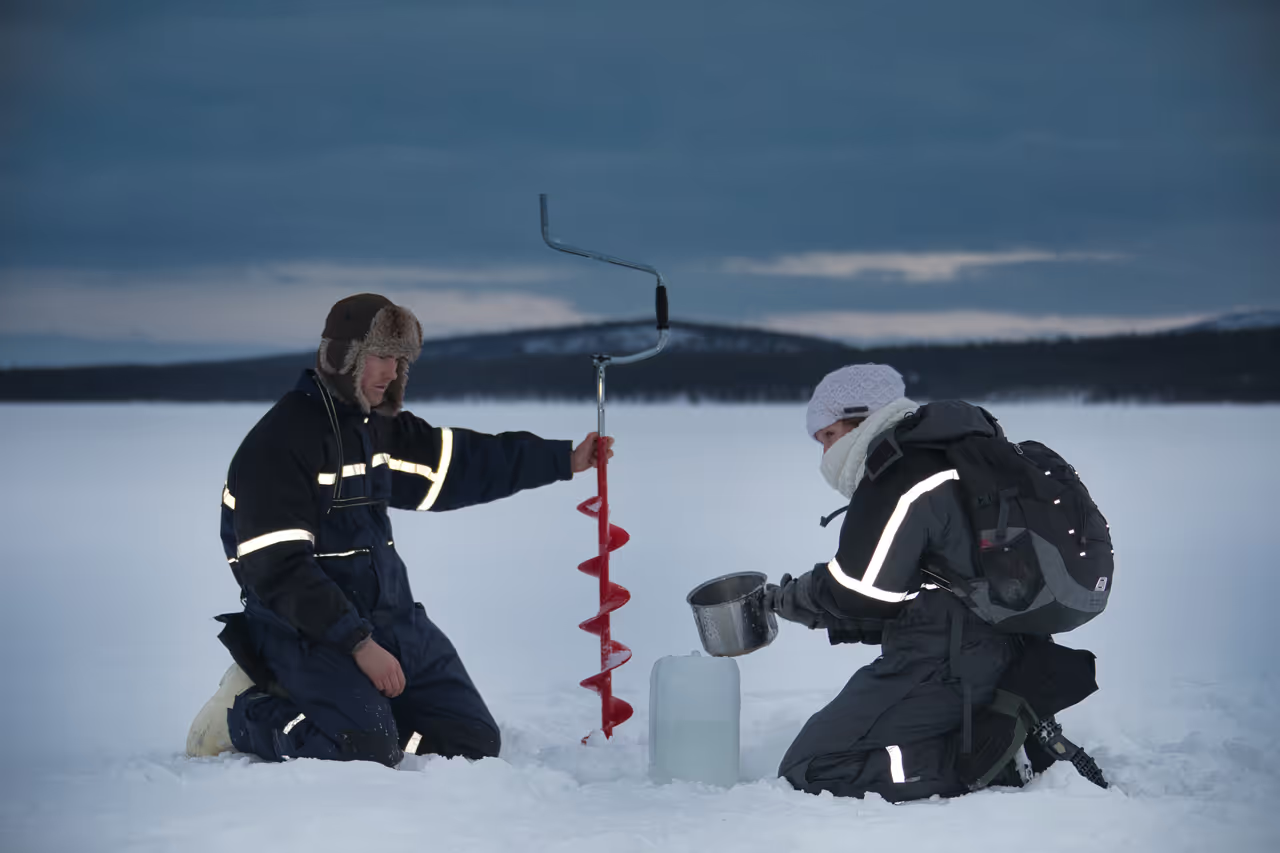
The National Science Foundation award gives the University of Minnesota the lead on a project with a very specific mission. Researchers want a modular drilling platform that can collect sediment and rock samples from waters that sit between easy-to-reach shorelines and deep ocean systems. According to the project notes, those gaps have limited what scientists can study in some of the most important aquatic environments in North America and beyond.
Large lakes and nearshore marine areas hold long environmental records in their sediments. A core pulled from lake bottoms can preserve clues about drought, wildfire, pollution, ecosystem shifts, and temperature changes over hundreds to thousands of years. That matters for climate science because those records help researchers compare modern warming with older natural swings, using evidence stored layer by layer beneath places such as the Great Lakes.
How the new system is expected to work
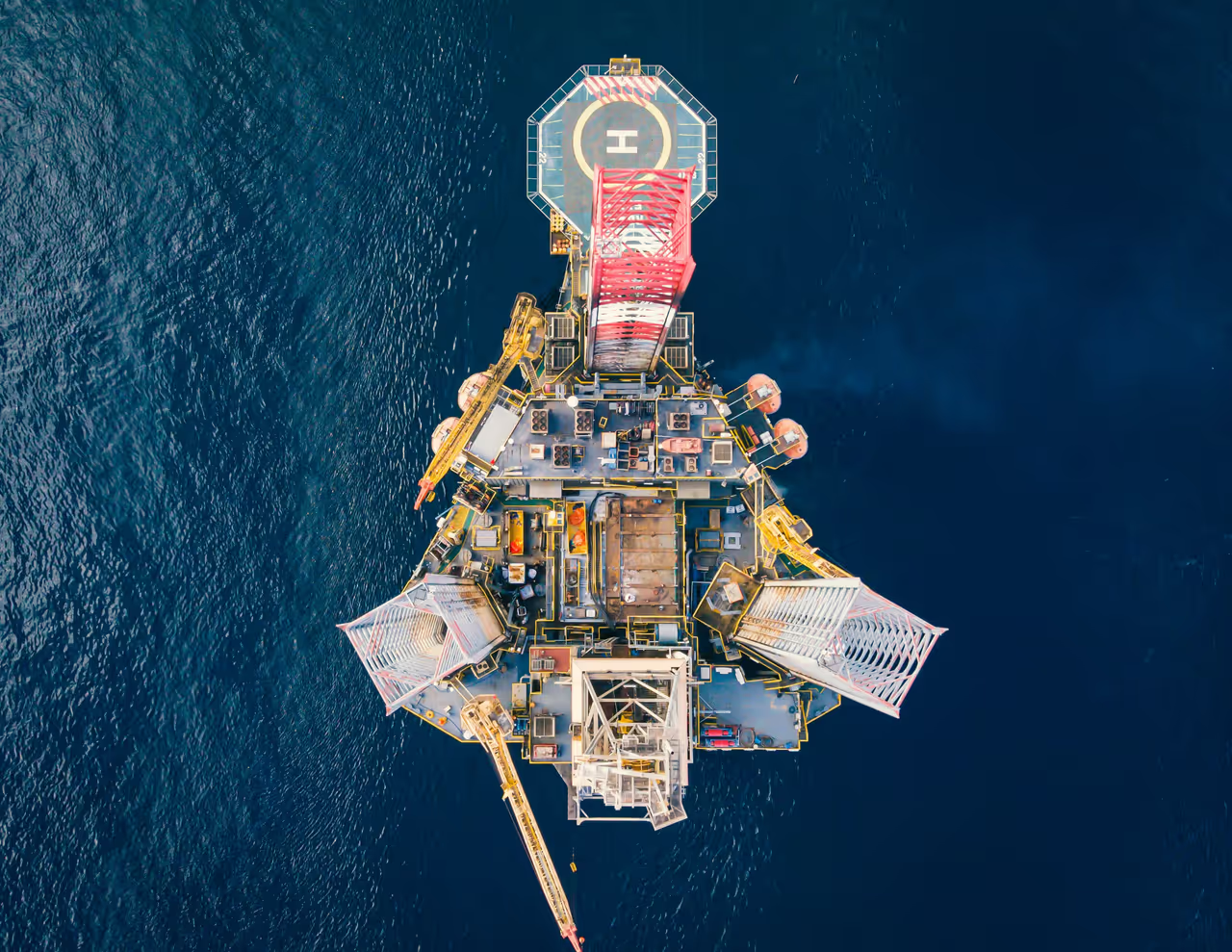
The key idea is flexibility. Instead of one fixed drilling rig built for only a narrow set of conditions, the Minnesota-led project plans to create a modular platform that can be adapted to different field sites, water depths, and logistical limits. That makes it especially useful for large inland lakes and nearshore coastal zones, where existing systems can be too large, too specialized, or simply unable to operate efficiently.
Funding from the $20 million award will support design, engineering, construction, and testing. The platform is expected to give scientists a way to recover samples from environments that are scientifically rich but technically awkward. In practical terms, that could mean easier deployment near shore, better access in shallow-to-intermediate waters, and more consistent sample collection for researchers studying geology, climate history, and environmental change.
Who is involved and what could come next
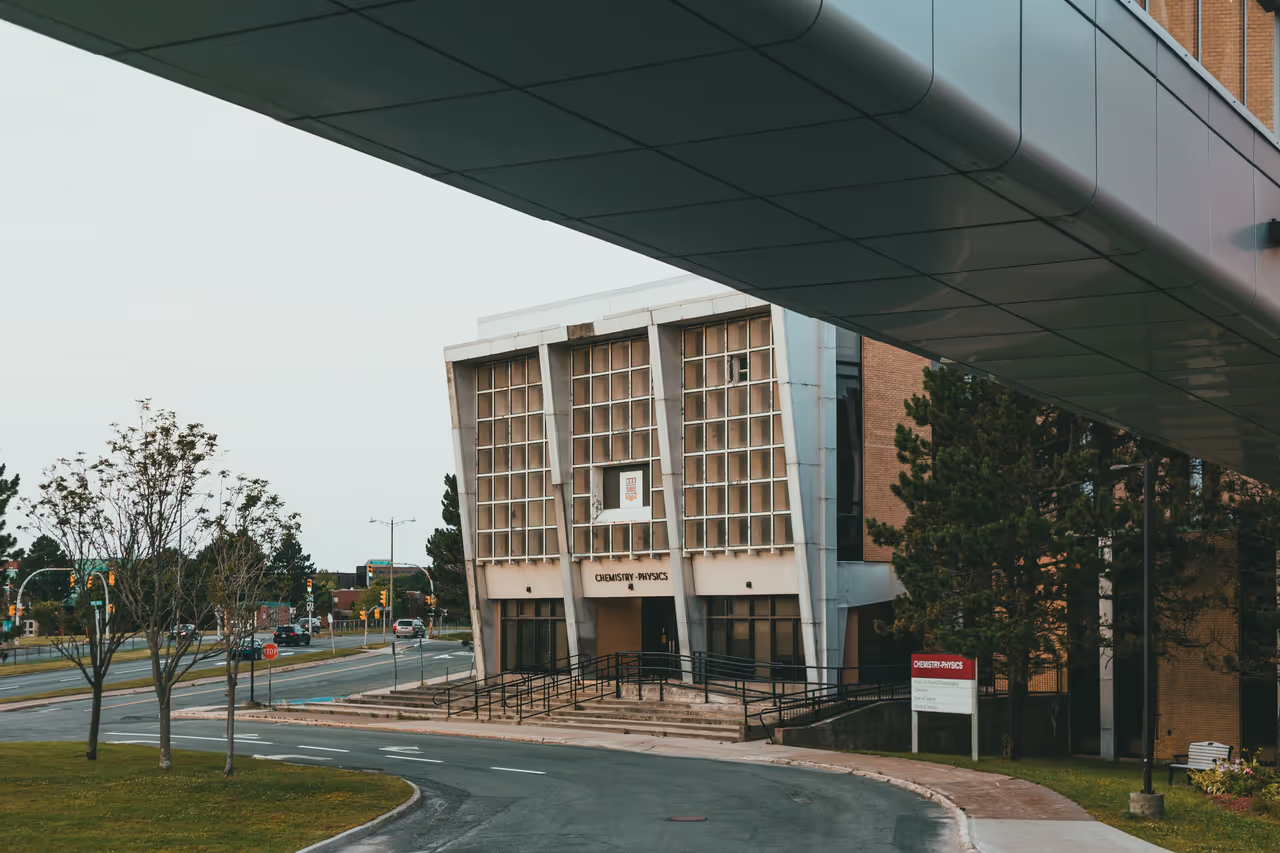
This is more than a campus equipment purchase. The award supports a University of Minnesota-led research effort involving multiple institutions, reflecting how national science infrastructure is often built through partnerships rather than by a single lab. The NSF backing also signals that the platform is meant to serve a broad research community, not just one department or one state.
If the system performs as planned, its impact could stretch far beyond Minnesota. Scientists could use the platform to study sediment records from major lakes, coastal margins, and other hard-to-access sites where past climate and environmental conditions are locked underground. For the public, that may sound highly technical, but the payoff is pretty direct: better evidence about water systems, climate risks, and how landscapes have changed over time.