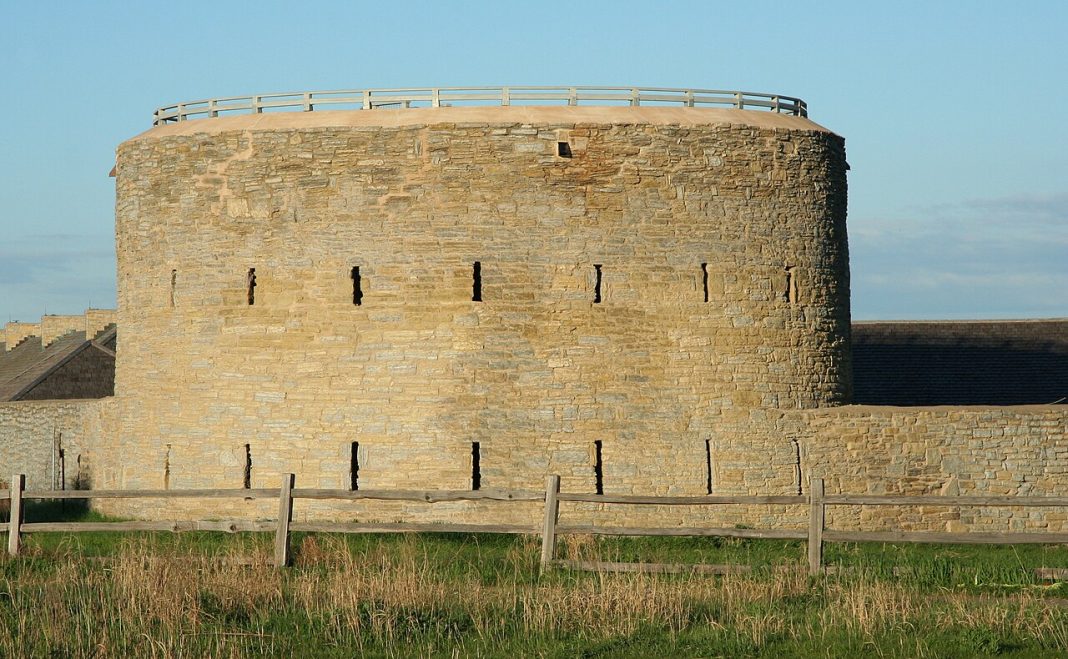

A surprising find inside Fort Snelling’s Round Tower has connected one restoration era to another. As crews rebuilt part of Minnesota’s oldest standing structure, they discovered a time capsule hidden deep in the wall, then decided to leave one of their own for the future. Here are five key facts that explain why the discovery matters.
The capsule was found during restoration work
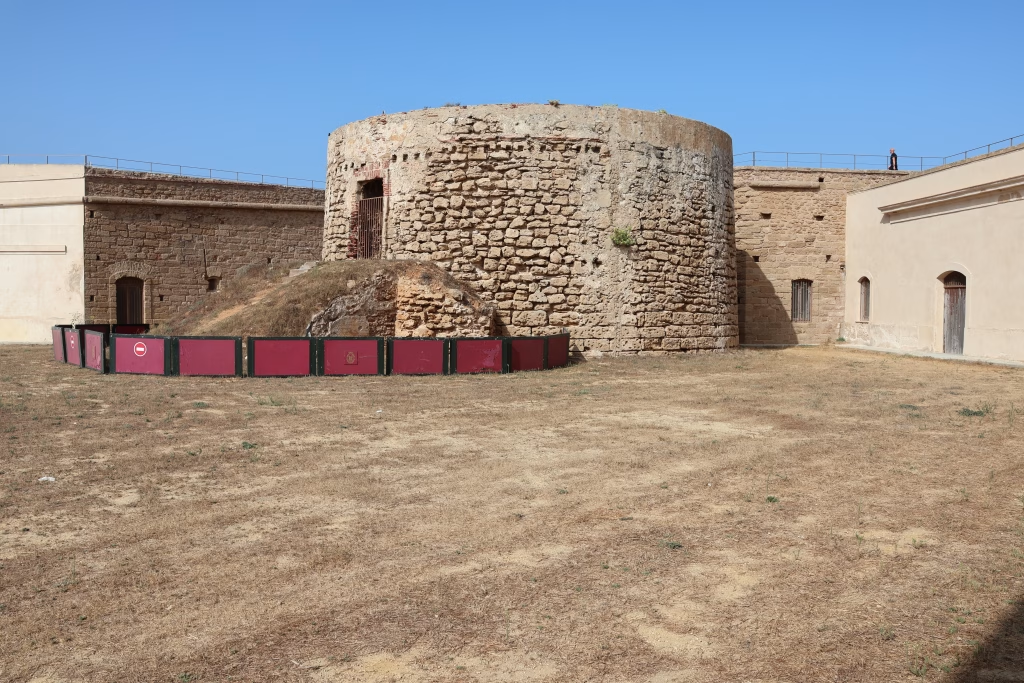
The discovery happened during restoration of the Round Tower, one of the most recognizable features at Historic Fort Snelling. Workers rebuilding the structure brick by brick uncovered a sealed time capsule hidden inside a wall that is about six feet thick. What made the find especially notable is that staff were not expecting it. According to Fort Snelling officials, there were no records showing a capsule had been placed there. That turned a routine preservation project into an unusual moment of historical detective work, with archaeologists and site staff suddenly trying to identify when the capsule had been sealed and why it had been left inside the tower.
It appears to date back to 1970
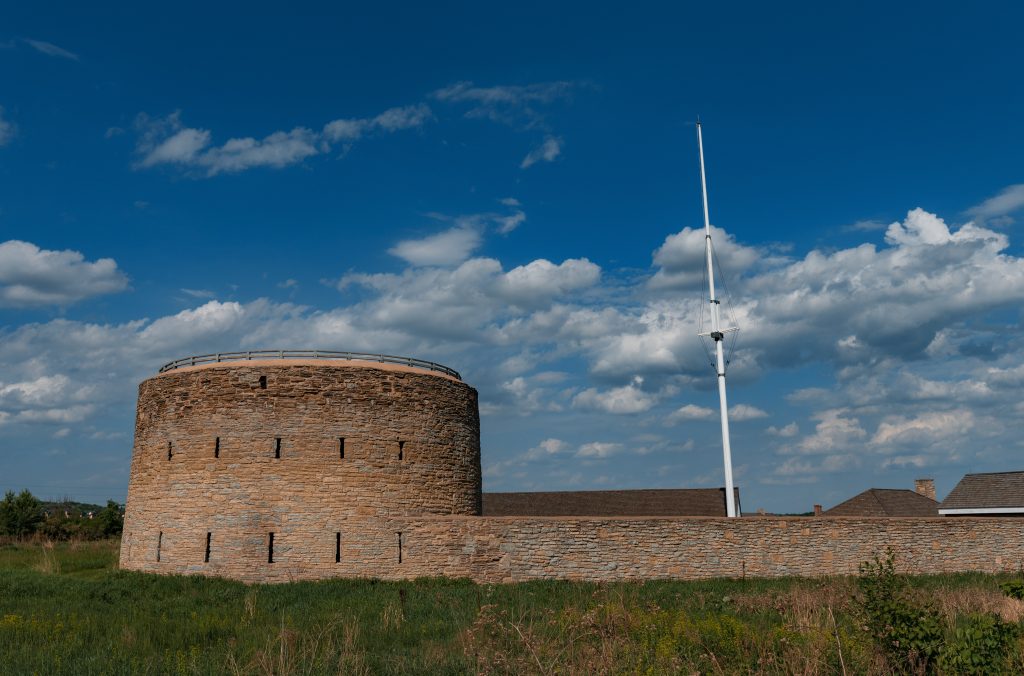
After the capsule was located, staff researched the find and traced it to 1970. That was the last time the Round Tower underwent a major renovation, making the discovery a direct link between the current project and an earlier preservation effort. The timing also matched a milestone year for the fort itself. Fort Snelling staff said 1970 marked the site’s 150th anniversary, a period that included commemorations and a ceremony to place the capsule in the cornerstone. In that sense, the object was not just hidden construction material. It was a deliberate message from one generation of caretakers to another, preserved inside the building for decades.
The Round Tower has a long and changing history
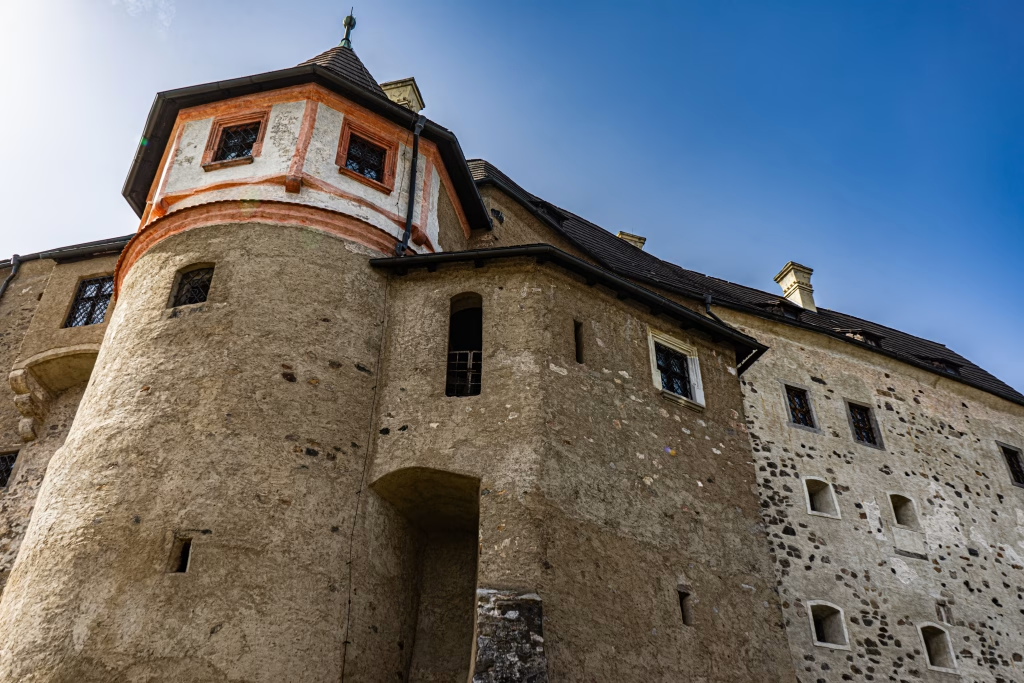
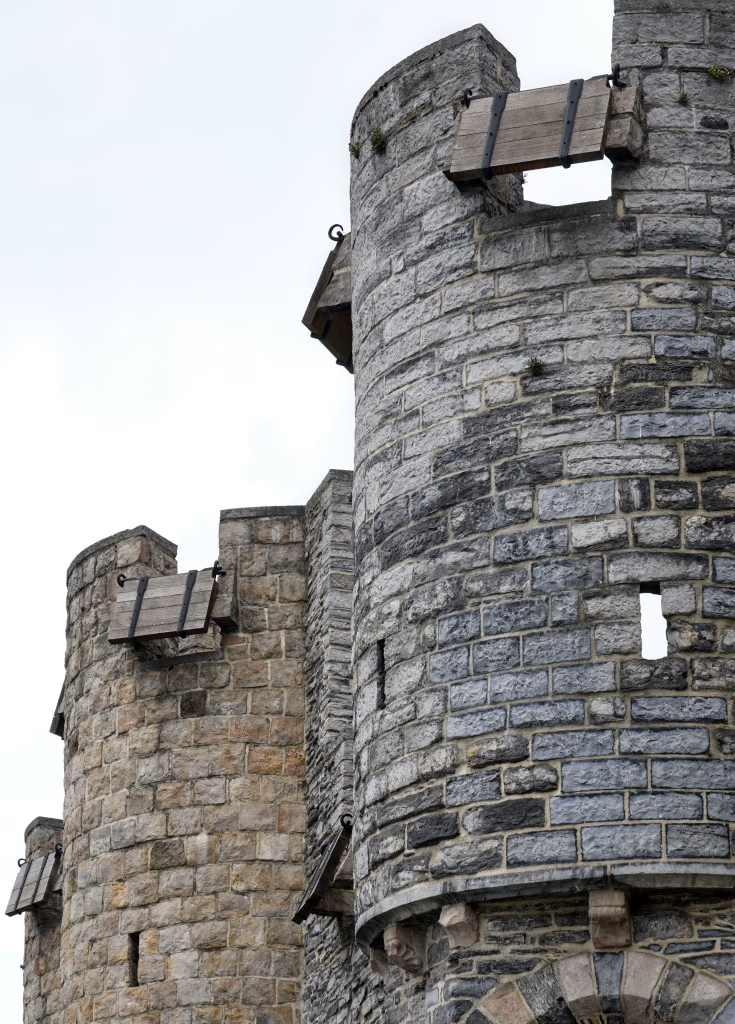
The time capsule matters in part because of where it was found. The Round Tower dates to 1820, when construction began at what was first known as Fort St. Anthony, and it is widely described as Minnesota’s oldest standing structure. Over time, the tower has done far more than serve as a fortification. MNopedia notes that it was originally designed as a defensive point with high limestone walls and musket slits, but later it was used for storage, offices, living quarters, and eventually a museum. Fires, redesigns, and restorations changed its appearance across the nineteenth and twentieth centuries, giving the tower an unusually layered history before this latest discovery added one more chapter.
Today’s staff created a new capsule for the future

Once the original capsule was opened and reviewed, current Fort Snelling staff decided to continue the tradition. They assembled a new 2026 time capsule to place back inside the Round Tower wall, turning the discovery into a chance to document the present day for whoever might find it next. Some of the contents have been disclosed. Staff included a photo of the Fort Snelling team and a pin marking America’s 250th year. One especially memorable item is hardtack, along with a recipe for making more. Because hardtack was a long-lasting ration used by the U.S. Army, it also ties the new capsule to the military history of the fort itself.
The tower is nearing reopening, but the new capsule may stay hidden
The new capsule has already been sealed back inside the Round Tower wall. Fort staff have said that part of the appeal is uncertainty: no one knows exactly when, or even whether, it will be opened again. That open-ended future fits the larger purpose of a time capsule. It is part record, part gesture of trust in the next generation of stewards. For visitors, the more immediate development is easier to pin down. FOX 9 reported that restoration work on the Round Tower is nearly complete, with the site expected to reopen to the public in early October. The result is both a preserved landmark and a renewed conversation between past and present.