
September in the United States has a rhythm all its own. As summer eases out and fall begins to take shape, communities across the country gather for familiar rituals that blend history, local pride, food, music, and shared time outdoors. These seven traditions show how Americans mark the month in ways that feel both seasonal and deeply rooted.
Labor Day Parades and Community Gatherings
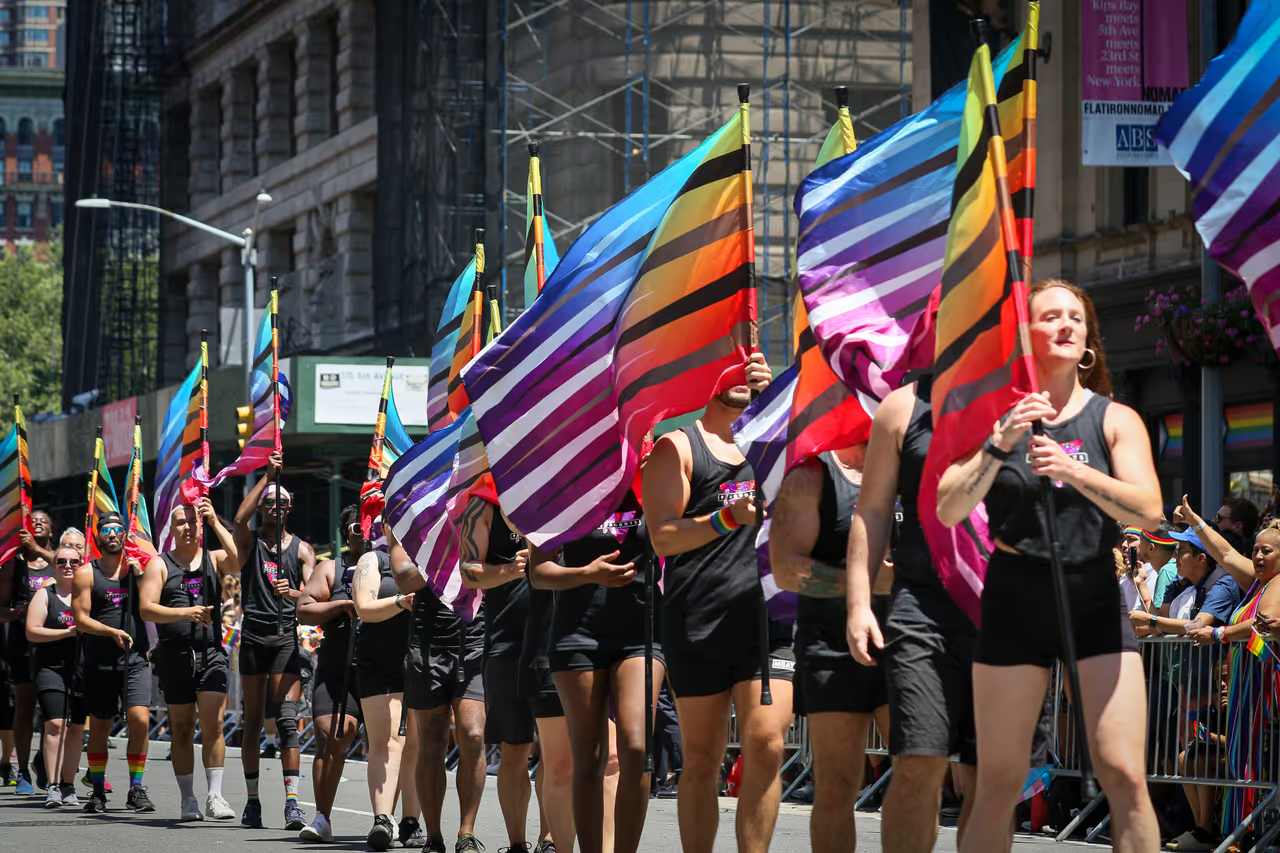
Labor Day helps set the tone for September, with parades, picnics, and neighborhood events unfolding in cities, suburbs, and small towns alike. The holiday is widely seen as a final summer gathering point, bringing families and friends outdoors for barbecues, local festivals, and community traditions that return year after year.
It also carries a deeper meaning tied to American workers and organized labor. In many places, that history is still visible in marchers, banners, and civic ceremonies. Even where the day feels more relaxed than formal, the custom of gathering locally gives the holiday a distinctly American mix of celebration, reflection, and shared public life.
County Fairs and Late-Summer Midways
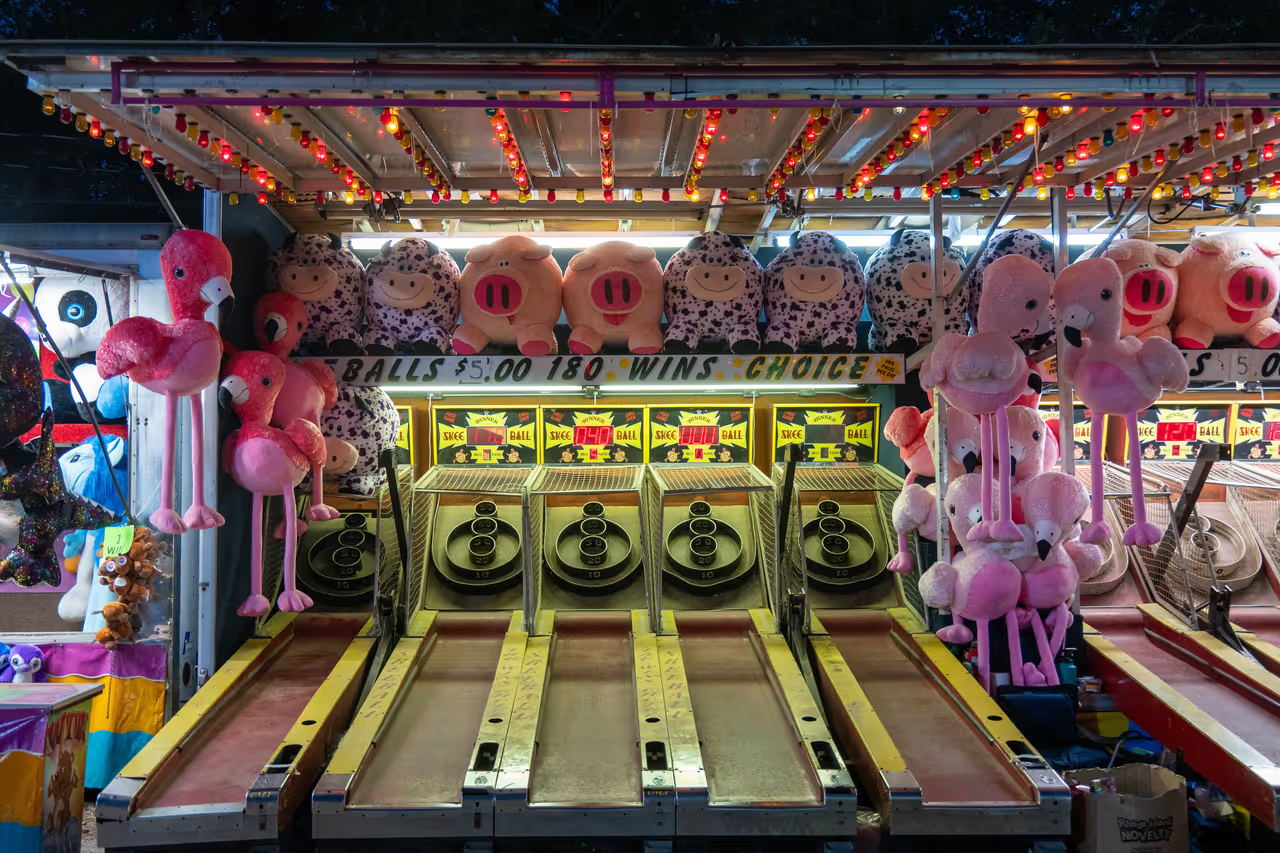
September is prime time for county and state fairs, especially in farming regions where the season naturally lines up with harvest and livestock showcases. These events blend entertainment and agriculture in a way that feels unmistakably American, with carnival rides, exhibition halls, blue-ribbon contests, and crowds moving from food stands to grandstands.
For many families, the fair is less about one attraction than the whole atmosphere. Children meet farm animals, teens head for the midway, and longtime locals check out produce, baking, and craft competitions. The tradition endures because it brings rural heritage into public view while still offering the easy fun of music, games, and favorite fair foods.
Friday Night High School Football
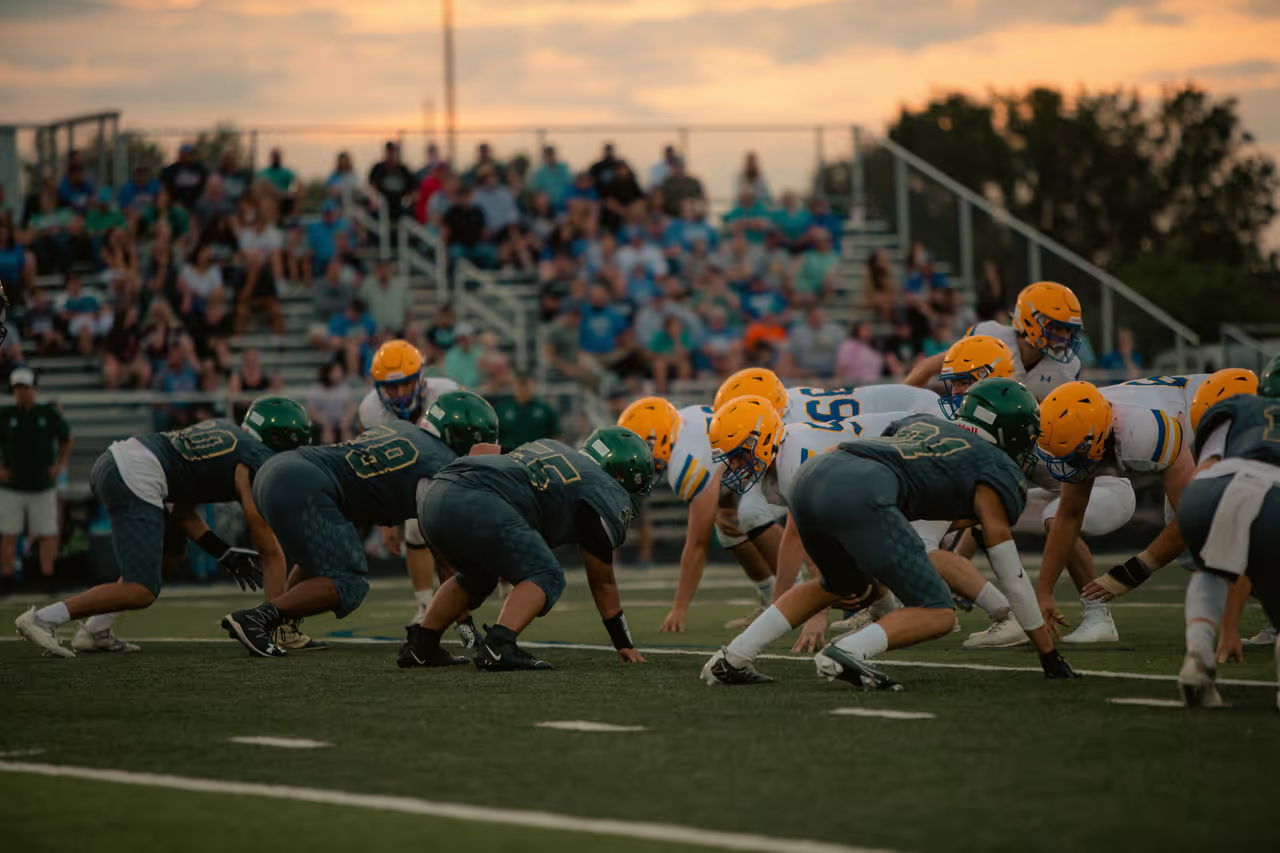
Few September rituals are as familiar in many parts of the country as high school football under the lights. As the school year gets underway, stadiums fill with students, parents, alumni, marching bands, and cheer squads, turning a game into a weekly social event that can define the rhythm of an entire town.
The tradition is about more than sports. It often serves as a gathering place where generations reconnect and local identity is put on display. Concession stands, homecoming preparations, school colors, and band performances all contribute to the experience. In communities where football holds a central place, September is when that energy returns in full force.
College Football Tailgates and Campus Weekends
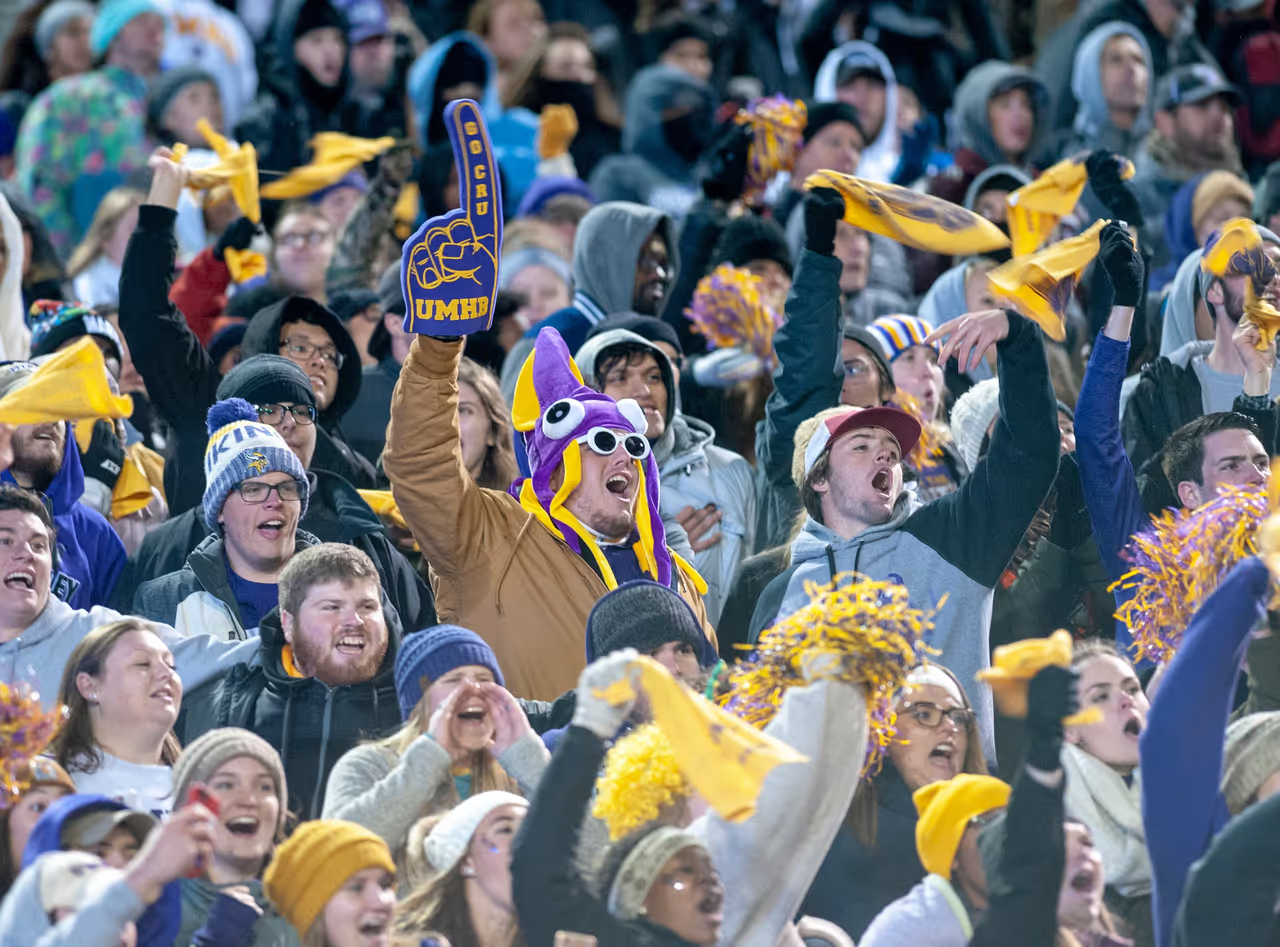
September also marks the return of college football, along with one of the country’s most recognizable social traditions: tailgating. Parking lots and campus greens become gathering spaces filled with team colors, grills, folding chairs, music, and alumni reconnecting before kickoff.
The custom varies by region, but the basic idea is shared nationwide. Fans treat game day as an all-day event, not just a few hours in the stadium. For students, graduates, and visiting families, these weekends often feel like part reunion, part festival, and part local showcase. Early-season matchups give September a celebratory feel on campuses from major college towns to smaller schools with devoted followings.
Harvest Festivals and Apple-Picking Trips
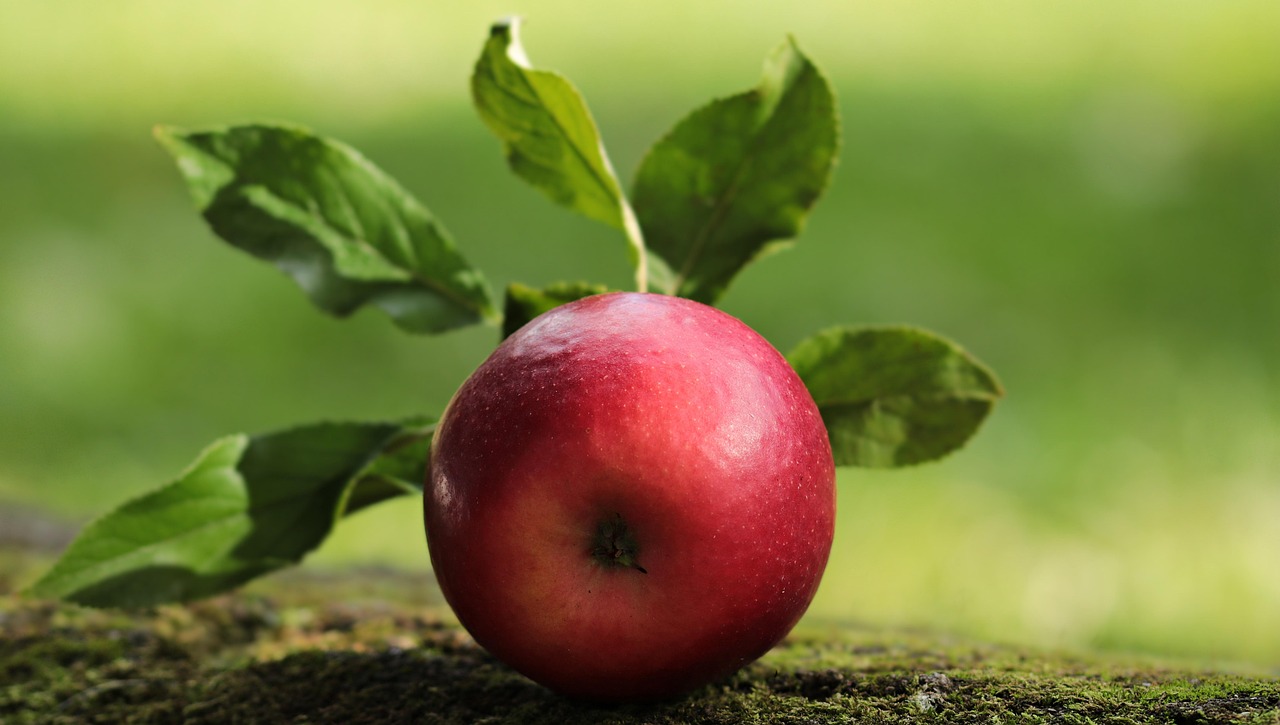
As September progresses, many Americans lean into early fall traditions built around orchards, farms, and harvest celebrations. Apple picking, hayrides, cider stands, and farm markets become weekend staples in regions where cooler weather starts to settle in and seasonal produce comes into focus.
These outings are especially popular because they offer a simple way to mark the shift from summer to autumn. Families can spend a day outdoors, support local growers, and bring home apples, baked goods, or fresh cider. Even in places without major orchard country, harvest festivals provide that same seasonal cue, giving communities a festive reason to celebrate the land and the changing calendar.
Back-to-School Traditions in Local Communities
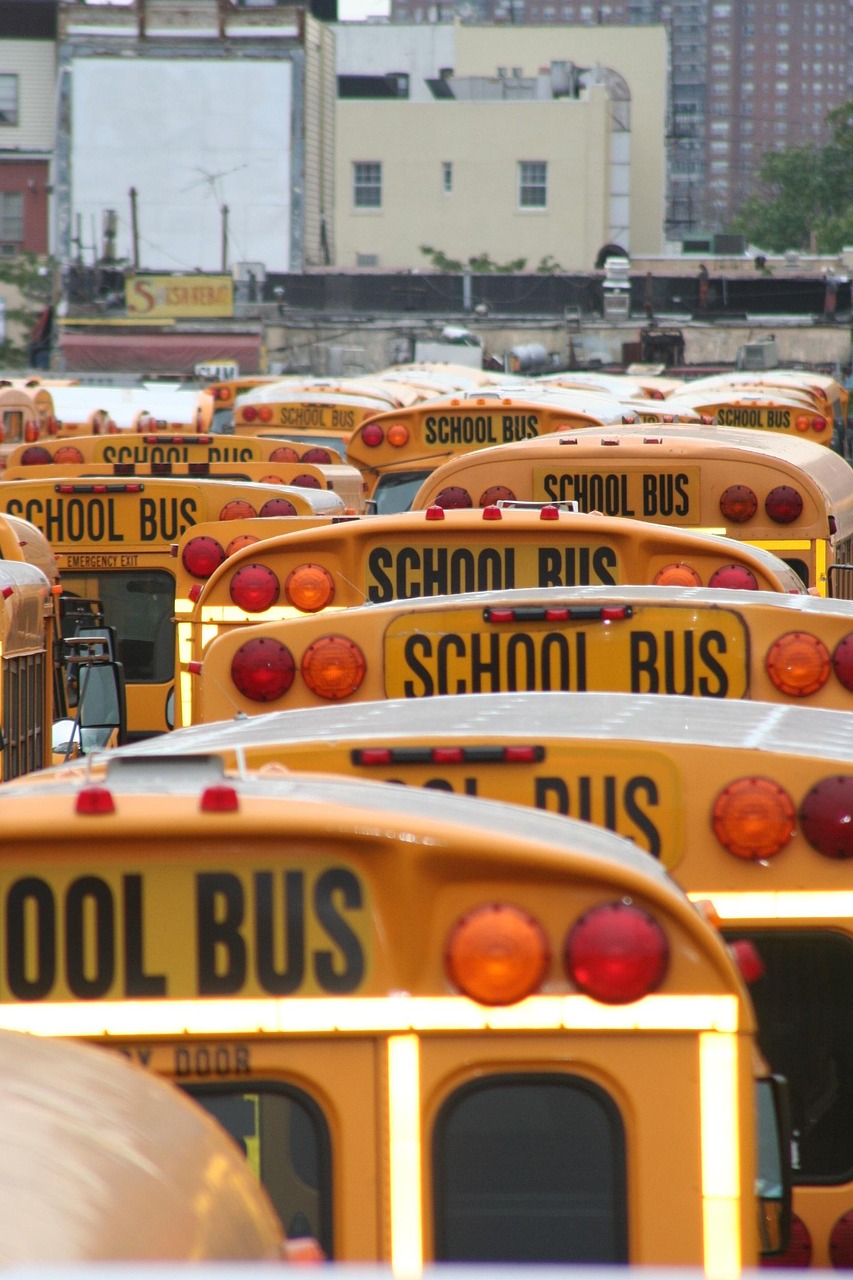
September is still deeply connected to the back-to-school season, and that comes with traditions that reach far beyond the classroom. School photos, first games, PTA events, pep rallies, and community fundraisers all help mark the reset after summer, especially for families with children.
What makes this tradition so widespread is how many local routines grow around it. Main streets see more foot traffic, youth activities restart, and weekend calendars quickly fill with school-related events. In many communities, September feels like a practical new year, with fresh schedules and familiar rituals returning at once. That sense of beginning again is one reason the month carries so much energy across the country.
Patriotic Remembrance on September 11
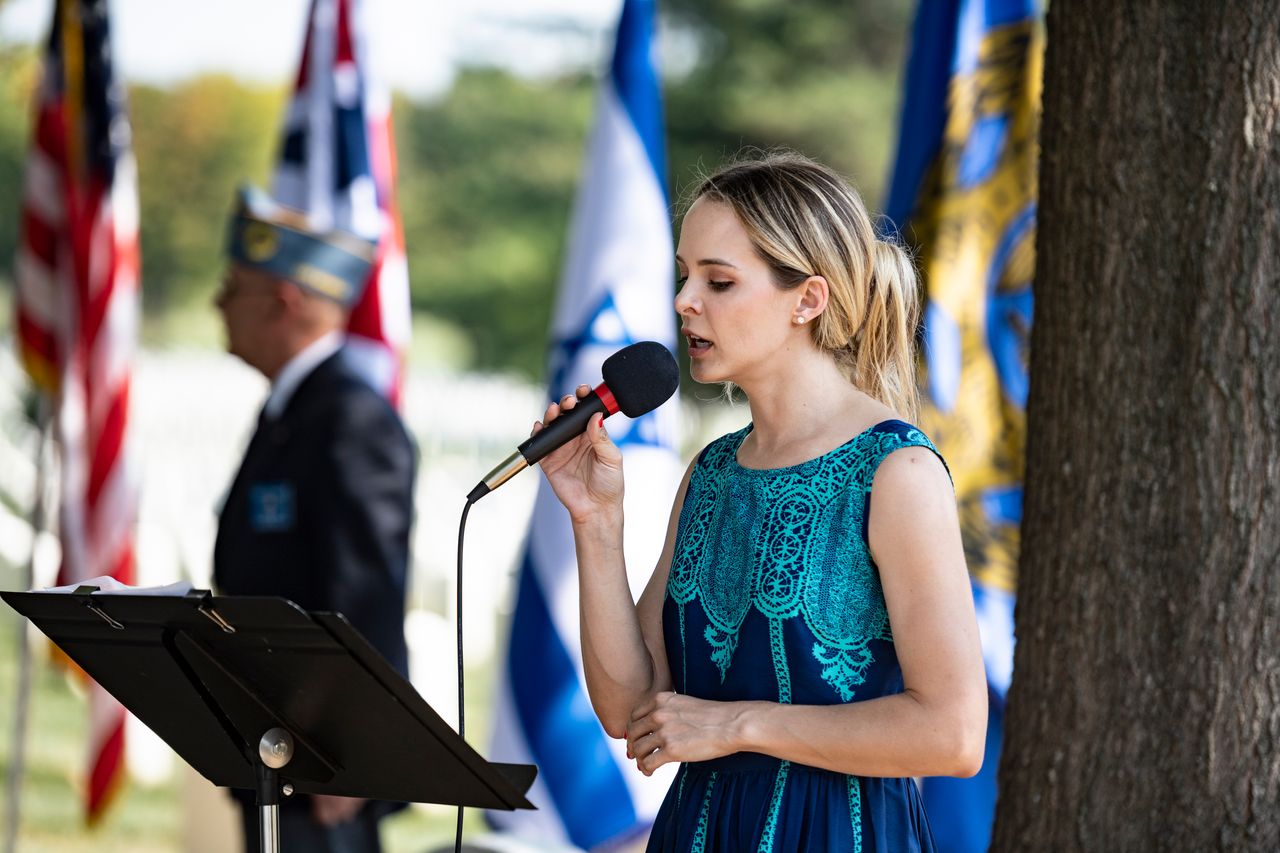
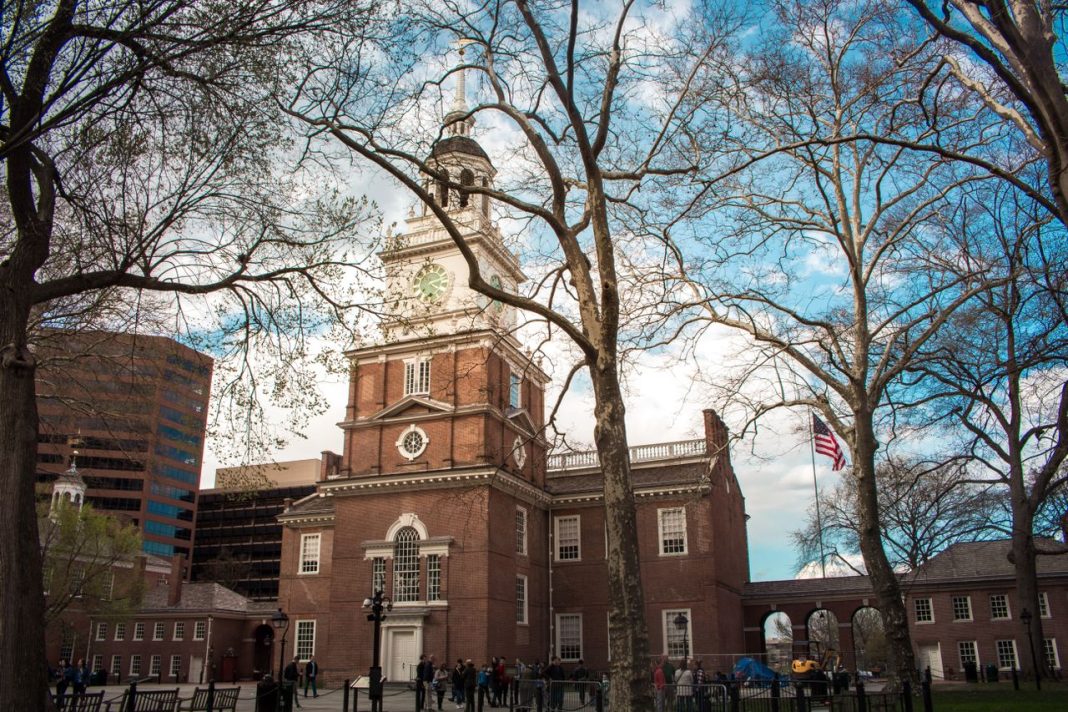
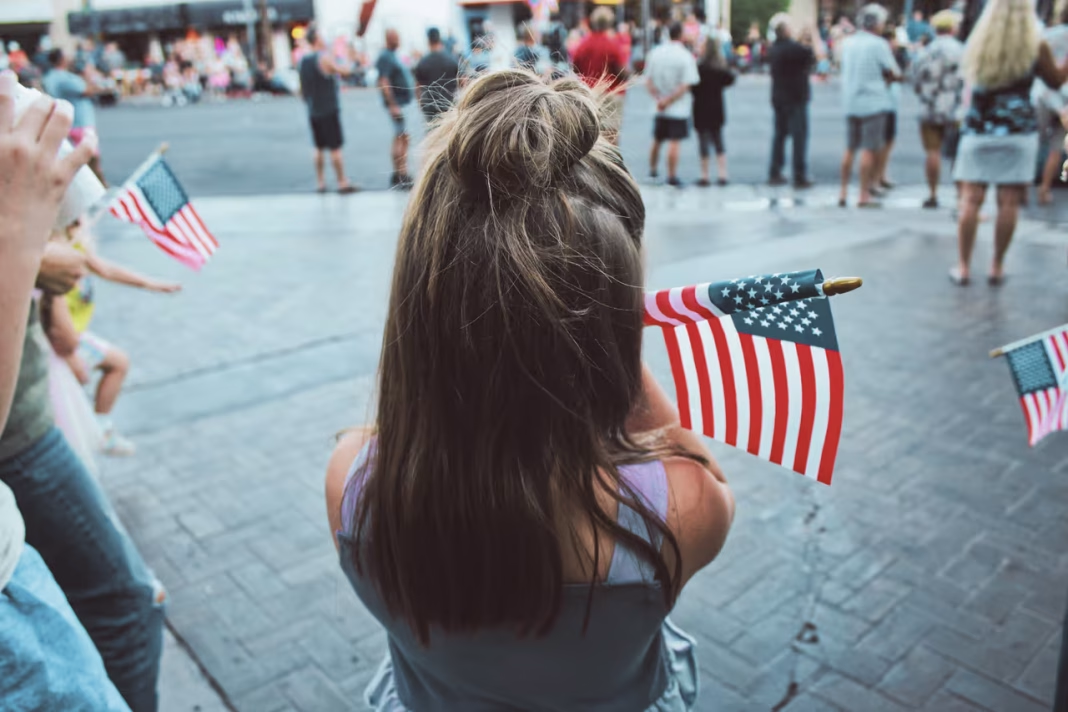
September also includes a more solemn national tradition: remembrance ceremonies held on September 11. Across the country, communities gather for moments of silence, memorial services, flag observances, and tributes honoring those who were lost, along with first responders and others affected.
These observances are often quiet and local, taking place at schools, firehouses, civic buildings, and memorial sites. While the form can differ from one place to another, the purpose is shared. The day remains a point of reflection woven into the month’s public life, reminding Americans that September is not only about celebration and seasonal change, but also about collective memory and national resilience.
A Month That Blends Summer Farewells With Fall Beginnings
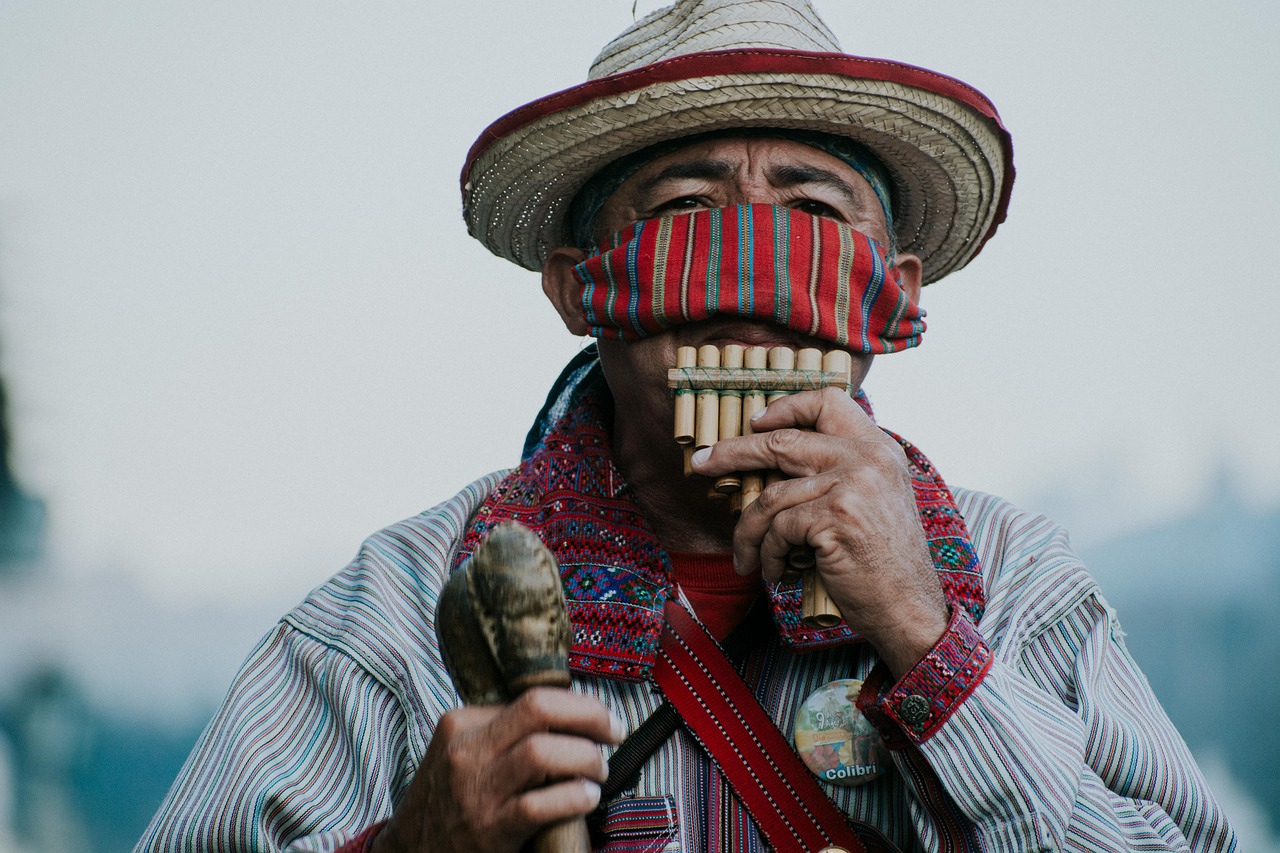
Taken together, these September traditions show why the month feels so distinctive in the American calendar. It balances celebration and reflection, with public holidays, sports rituals, school routines, agricultural events, and patriotic observances all unfolding within a few short weeks.
That mix is part of what keeps September so meaningful across regions and generations. Some traditions are loud and festive, others quiet and personal, but each helps people reconnect with place, season, and community. Whether the setting is a fairground, a football field, a school campus, or a small-town parade route, the month continues to bring Americans together in familiar and lasting ways.