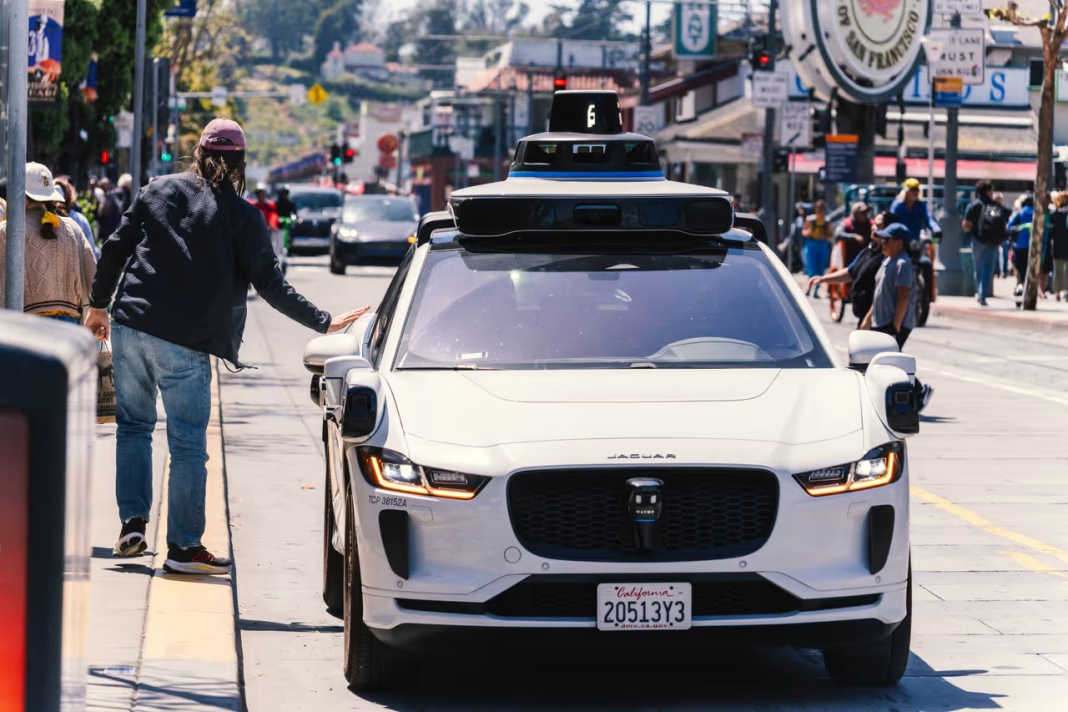

Minneapolis leaders are weighing a new set of rules for commercial driverless vehicles before robotaxi service expands locally. The proposal, called Workers Drive Minneapolis, would require a licensed human monitor in the driver’s seat and set up a city licensing system for companies that want to operate. The debate touches on public safety, traffic, labor, and how quickly automation should be allowed to reshape local transportation.
What the proposal would do
A Minneapolis ordinance under consideration would create local rules for commercial autonomous vehicles before they begin offering rides in the city. The measure is known as Workers Drive Minneapolis and is aimed at companies operating vehicles such as robotaxis.
Under the proposal, a company would need a city license to run a commercial autonomous vehicle service in Minneapolis. To qualify, each vehicle would have to include a human monitor seated in the driver’s seat with a valid driver’s license and other basic qualifications.
The ordinance would also bar remote operation by a person. Supporters say those requirements are meant to set clear ground rules before wider deployment begins.
Why this is coming up now

The issue is becoming more urgent because autonomous vehicle companies are moving into more U.S. cities. According to city materials, Waymo has begun mapping in Minneapolis and has said it intends to start commercial rides in the city in the near future.
That has pushed local officials to act before service launches rather than after problems emerge. The source materials say the Minnesota Legislature considered commercial AV regulations in 2026 but did not pass them.
Without state rules in place, Minneapolis officials backing the ordinance argue the city should establish its own protections for residents, workers, and streets.
The safety case behind the ordinance
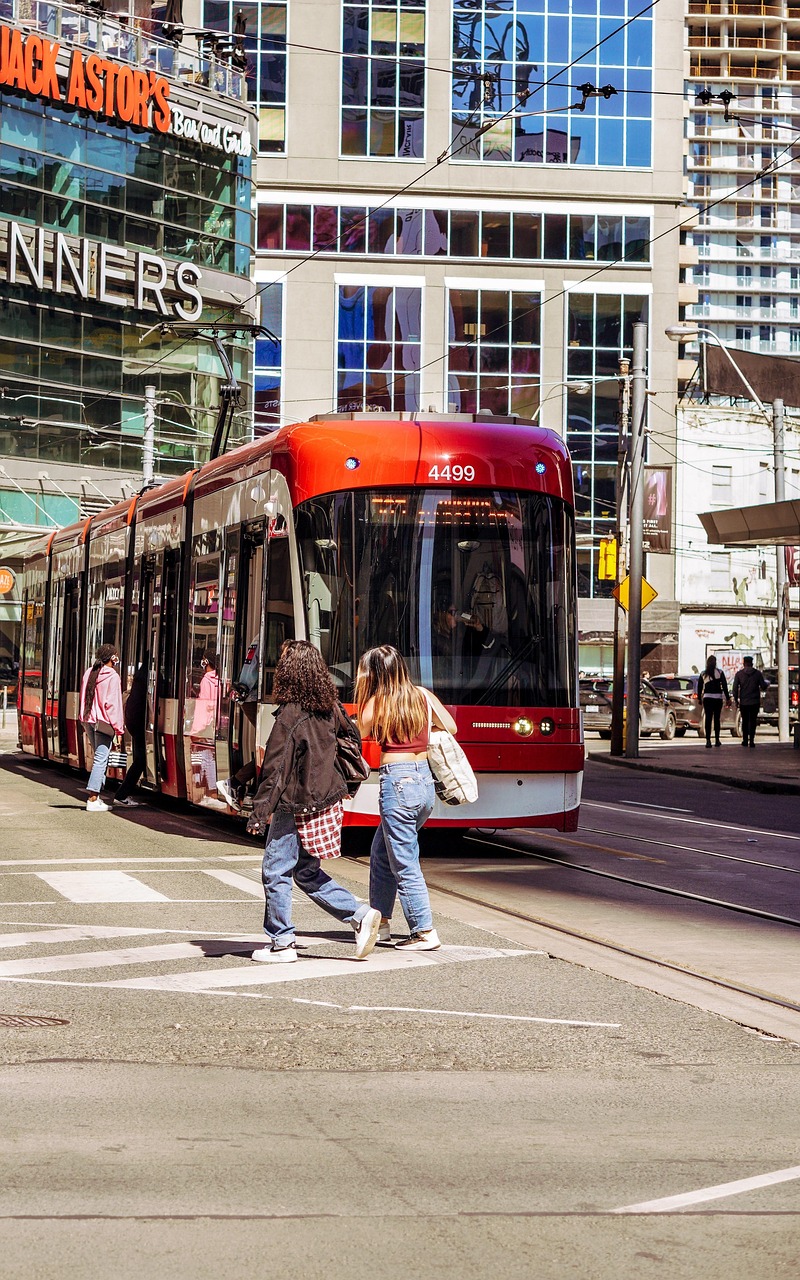
Backers of the proposal say the ordinance is fundamentally about public safety. City materials argue that, without regulations, commercial autonomous vehicles could create safety risks, disrupt traffic, and interfere with the city’s transportation and sustainability goals.
The human monitor requirement is a central part of that argument. Supporters believe having a licensed person physically in the driver’s seat provides an immediate layer of accountability if something goes wrong on crowded city streets.
The ordinance is focused on commercial service, not a broad ban on vehicle technology. Its purpose is to place conditions on how paid autonomous transportation would operate inside Minneapolis.
How labor concerns shape the debate
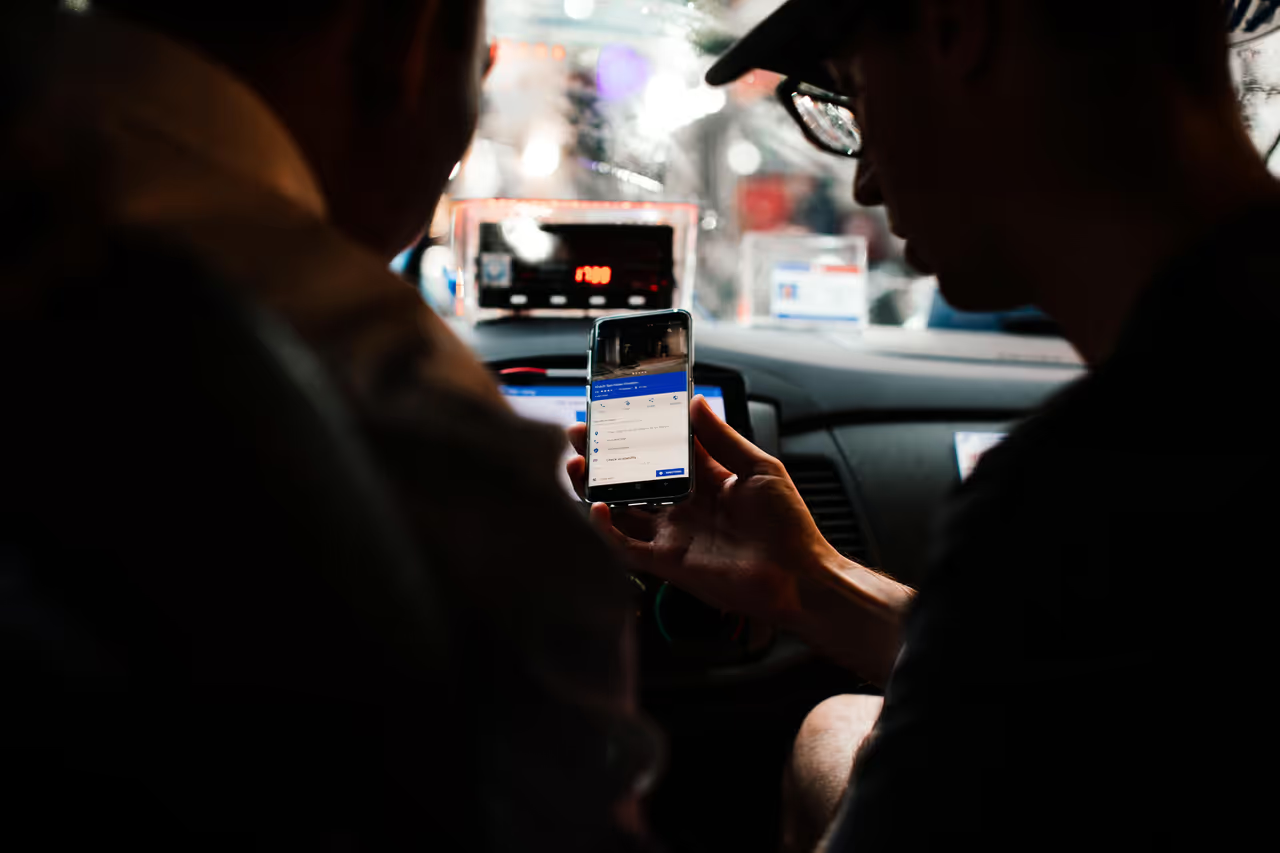
The proposal is also framed as a worker protection measure. City materials say more than 10,000 rideshare drivers could be affected, with particular concern for workers of color and immigrant workers who rely on driving income to support themselves and their families.
By requiring a human monitor who must be paid according to minimum rates established by law, the ordinance tries to slow a direct shift from paid drivers to fully unmanned commercial service. Supporters argue that automation should not move ahead without considering who bears the economic cost.
That makes this debate broader than technology alone. It is also about jobs, wages, and who benefits first from transportation automation.
Who is backing the measure
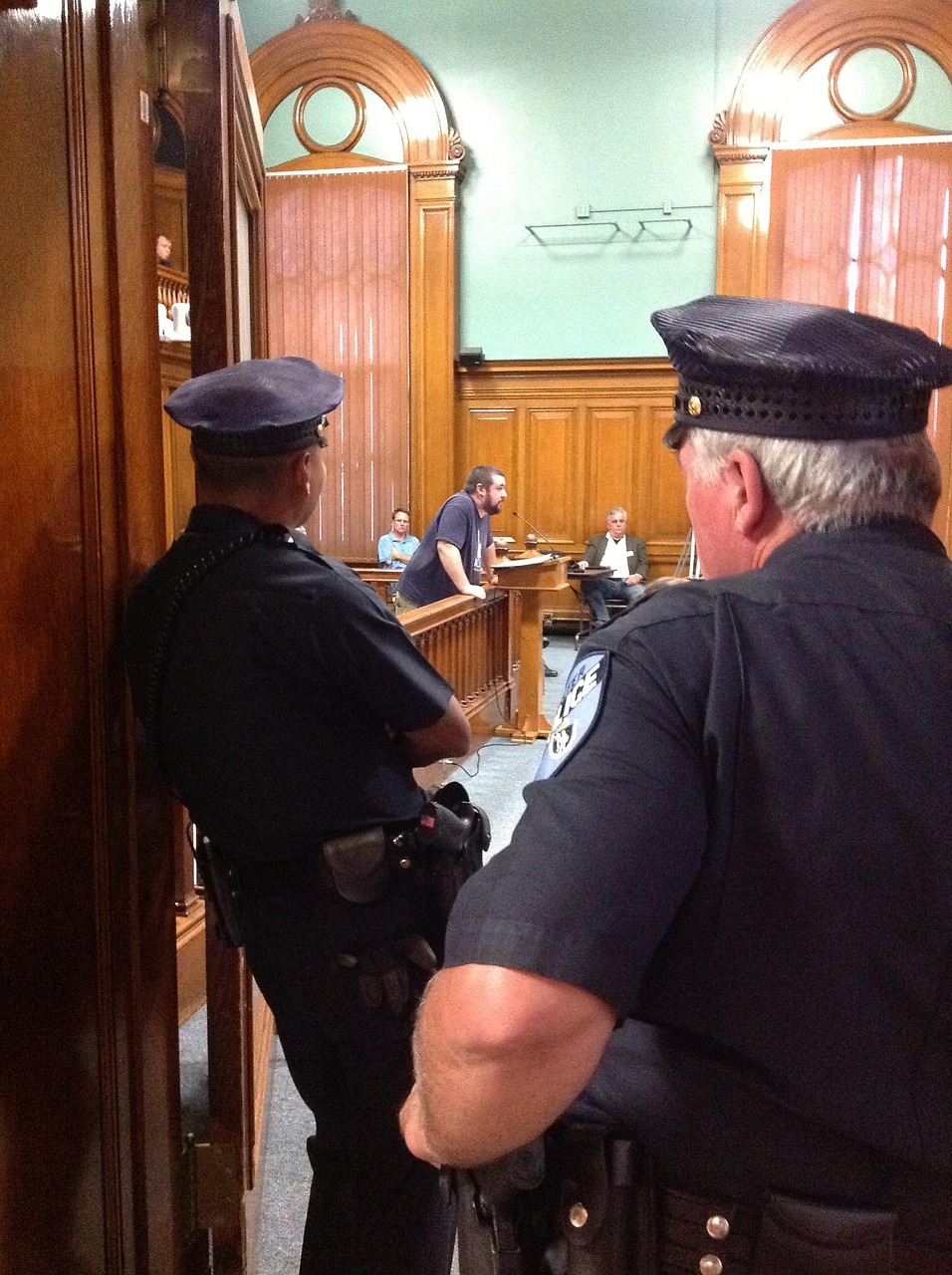
The ordinance is being authored by Council Member Robin Wonsley along with Council Vice President Aisha Chughtai Osman? Wait source says Osman; use neutral? Need avoid wrong full name. Let’s rewrite. The proposal is backed by multiple City Council members, according to the city update, including Council Vice President Osman and Council Members Chavez and Chowdhury.
Support is also coming from labor and community organizations. The source materials name the Amalgamated Transit Union Local 1005, Minnesota Uber Lyft Drivers Association, Our Streets, SEIU Local 26, and Teamsters Joint Council 32 among those supporting the ordinance.
That coalition shows how the issue reaches across several interests at once. Labor groups, street safety advocates, and local officials are aligning around a cautious approach to commercial AV deployment.
What companies would have to follow
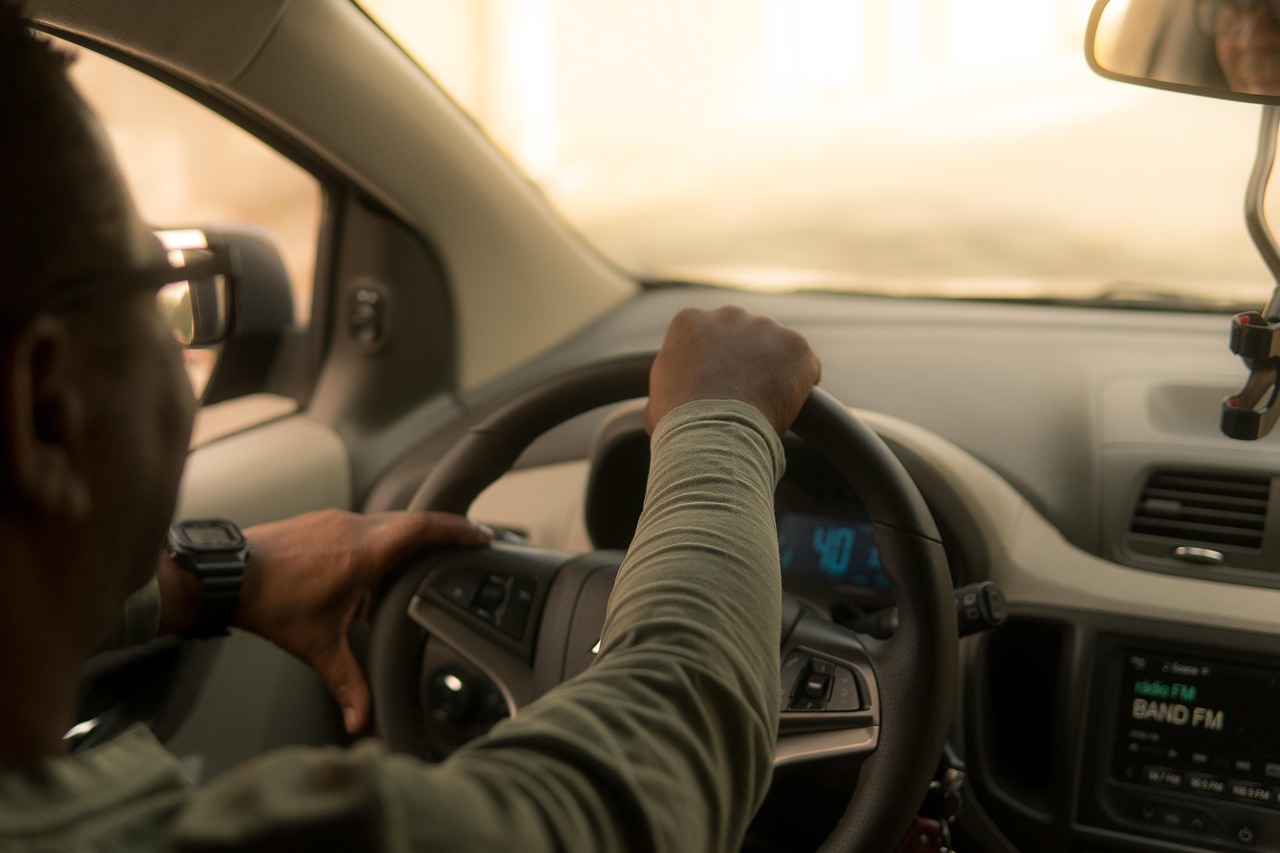
The proposed rules go beyond simply placing a person inside the vehicle. A commercial autonomous vehicle company would need to obtain a city license, and the human monitor would need to meet the qualifications spelled out in the ordinance.
One notable provision would prohibit remote operation by a person. In other words, the city would not allow a commercial AV service to rely on someone controlling the vehicle from somewhere else as a substitute for an in-car monitor.
If adopted as described in the city materials, the ordinance would take effect in October 2027. That delayed start would give companies and regulators time to prepare for the new framework.
When the public can weigh in

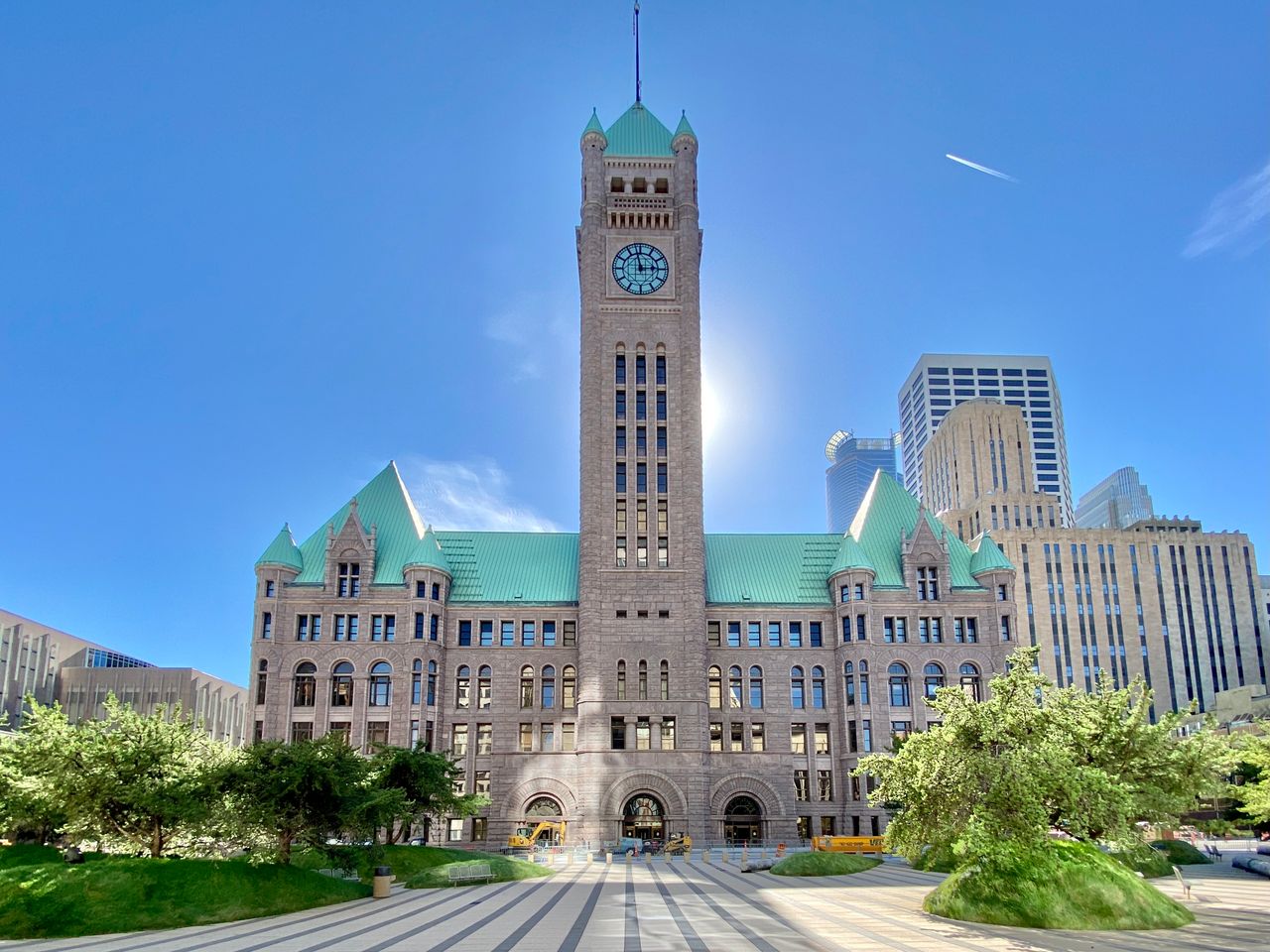
Residents will have multiple chances to comment before any final decision. The city scheduled a public hearing on September 22 at 1:30 p.m. before the Business, Housing and Zoning Committee at City Hall.
A second public hearing is set for September 29 at 1:30 p.m. before the Committee of the Whole, also at City Hall. According to the city notice, residents may testify on either day, but not both.
Written testimony can be submitted as well. That public process is likely to be important, since the ordinance deals with a fast-moving technology and the tradeoffs are likely to draw strong views from several sides.
What happens next for Minneapolis

After the hearings, the next key step could come quickly. The city update says a potential vote on the ordinance is expected on October 1, 2026, putting Minneapolis on a near-term timeline to decide how it wants commercial autonomous vehicles handled.
The bigger question is whether cities should wait for state or federal rules, or move first on their own. In Minneapolis, supporters of this measure are making the case for acting early rather than reacting after service begins.
Whatever the outcome, the discussion is likely to shape how residents think about automation in everyday life. The decision could become an early local test of how cities balance innovation, safety, and work.