Minnesota has been the starting point for artists whose work reached audiences around the world. From Bob Dylan’s early years in Hibbing to Wanda Gág’s childhood in New Ulm, these six writers, musicians, and artists carried their roots into music, books, and art that still draw people in.
Bob Dylan, Musician From Duluth

A Minnesota childhood helped shape the early story of Bob Dylan, born Robert Zimmerman in Duluth in 1941 and raised in Hibbing. As a teenager, he played in bands and grew interested in folk, blues, and rock music. He moved to New York in 1961, where he became part of the Greenwich Village folk scene and began building a career as a songwriter and performer. Albums such as Highway 61 Revisited and Blonde on Blonde helped reshape popular music, while songs including “Blowin’ in the Wind” became closely associated with the era’s social movements. Dylan received the 2016 Nobel Prize in Literature for creating new poetic expression within the American song tradition. His Minnesota roots are part of a story that reached far beyond the state.
Prince, Musician From Minneapolis

Prince’s sound grew out of Minneapolis, where he was born in 1958 and began making music as a child. He became known for a rare mix of musical independence and range: he wrote, produced, arranged, sang, and played many of the instruments on his recordings. His 1978 debut album, For You, introduced that self-directed approach, and later hits such as “When Doves Cry” and “Let’s Go Crazy” brought his music to a global audience. The 1984 album and film Purple Rain helped define his career and brought wider attention to the Minneapolis sound, which blended funk, rock, pop, and R&B. Prince also made Minnesota his creative home, building Paisley Park in Chanhassen as a studio and workspace.
F. Scott Fitzgerald, Writer From St. Paul
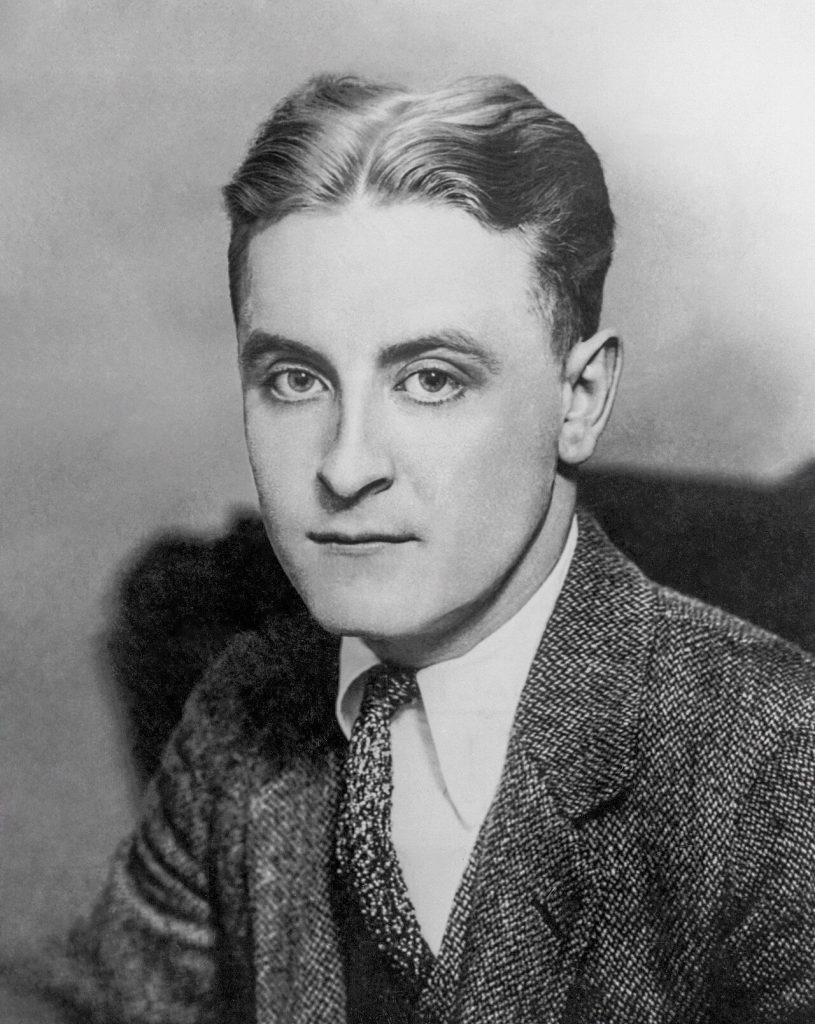
Before F. Scott Fitzgerald became one of the best-known American novelists of the 20th century, he was a St. Paul child born in 1896. His Minnesota beginnings stayed part of his biography even as his adult life took him to places such as New York, Paris, and Hollywood. Fitzgerald became closely associated with the Jazz Age, a name he helped popularize for the restless, fast-changing years after World War I. His novel The Great Gatsby, published in 1925, remains his best-known work, with its story of wealth, longing, and the promise of reinvention. He also drew on his own experiences in This Side of Paradise, his first novel. St. Paul’s connection to Fitzgerald gives the city a place in the early story of a writer whose books continue to be widely read.
Sinclair Lewis, Writer From Sauk Centre
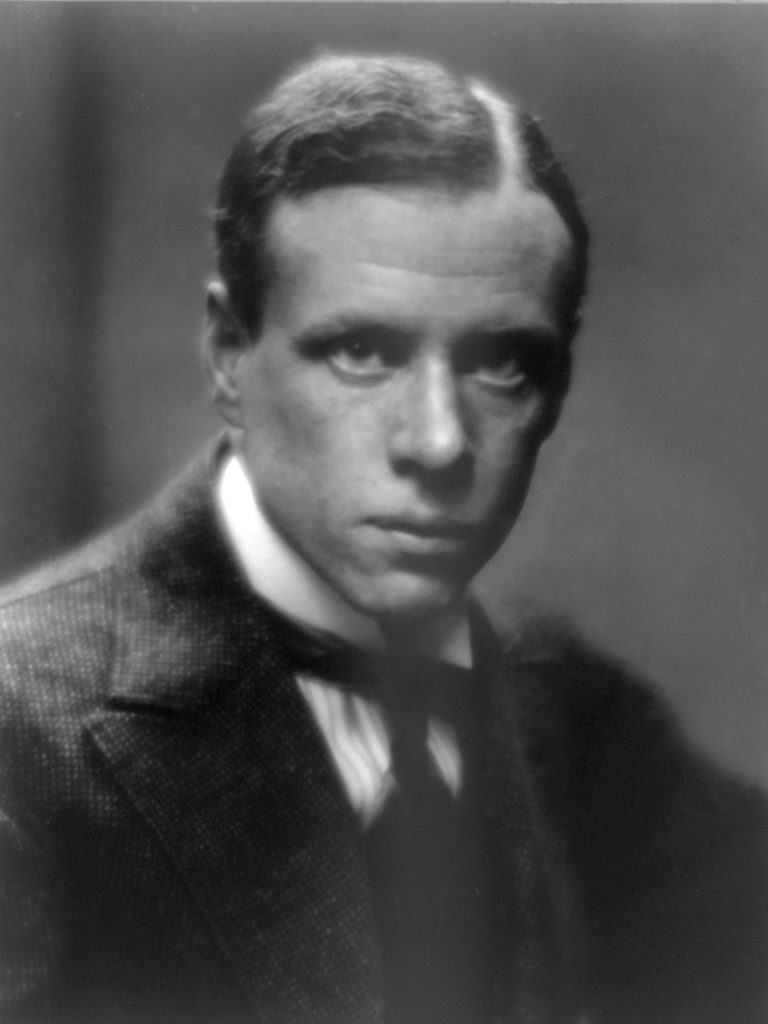
Sauk Centre was Sinclair Lewis’s hometown, and the small Minnesota community helped inform the Midwestern settings that appear in some of his best-known fiction. Born there in 1885, Lewis became known for novels that examined American social habits with wit and sharp observation. In Main Street, he turned a small town into a setting for questions about conformity and change; the fictional town of Gopher Prairie drew on Sauk Centre. Babbitt, another widely read novel, satirized the ambitions and routines of middle-class life. Lewis’s writing earned him the 1930 Nobel Prize in Literature, making him the first American to receive the award. His work remains associated with Minnesota because he made the region’s everyday life a subject for major national literature.
Charles Schulz, Cartoonist From Minneapolis
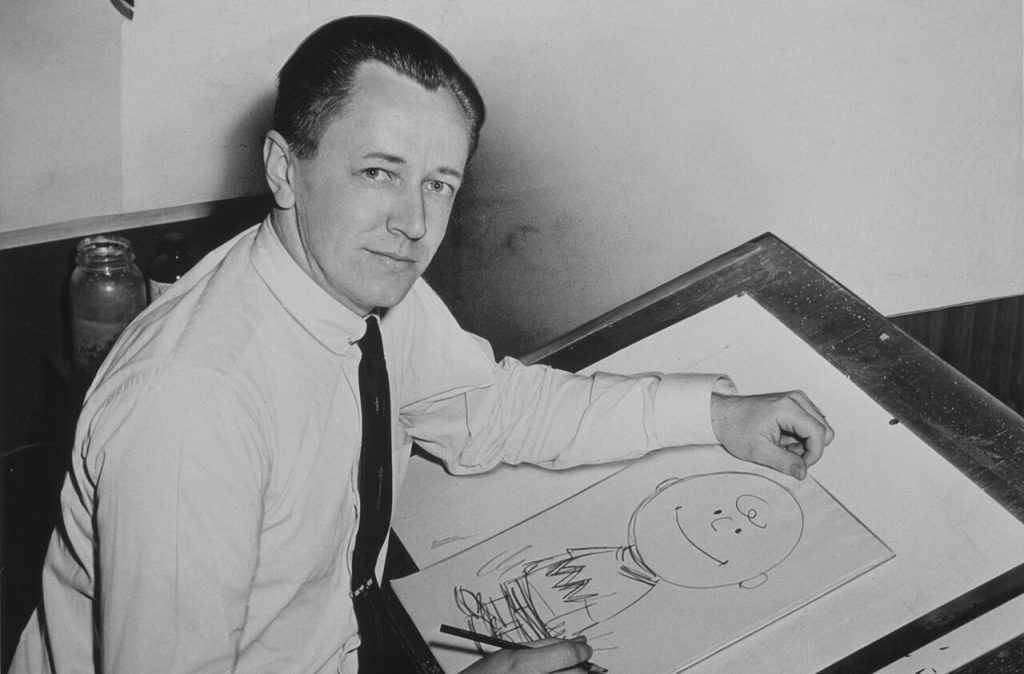
The creator of Peanuts began life in Minneapolis, where Charles Schulz was born in 1922. He grew up in St. Paul, reading the newspaper comics with his father and nurturing an early interest in drawing. After serving in World War II, he returned to Minnesota and worked as a cartoonist, including on a weekly feature for the St. Paul Pioneer Press. Peanuts debuted in seven newspapers in 1950 and introduced readers to Charlie Brown, Snoopy, and a cast of children whose small daily problems carried humor and feeling. Schulz continued drawing the strip for nearly 50 years, shaping its writing and artwork himself. His Minnesota years were an important beginning for a comic that became a familiar part of everyday life around the world.
Wanda Gág, Artist and Illustrator From New Ulm
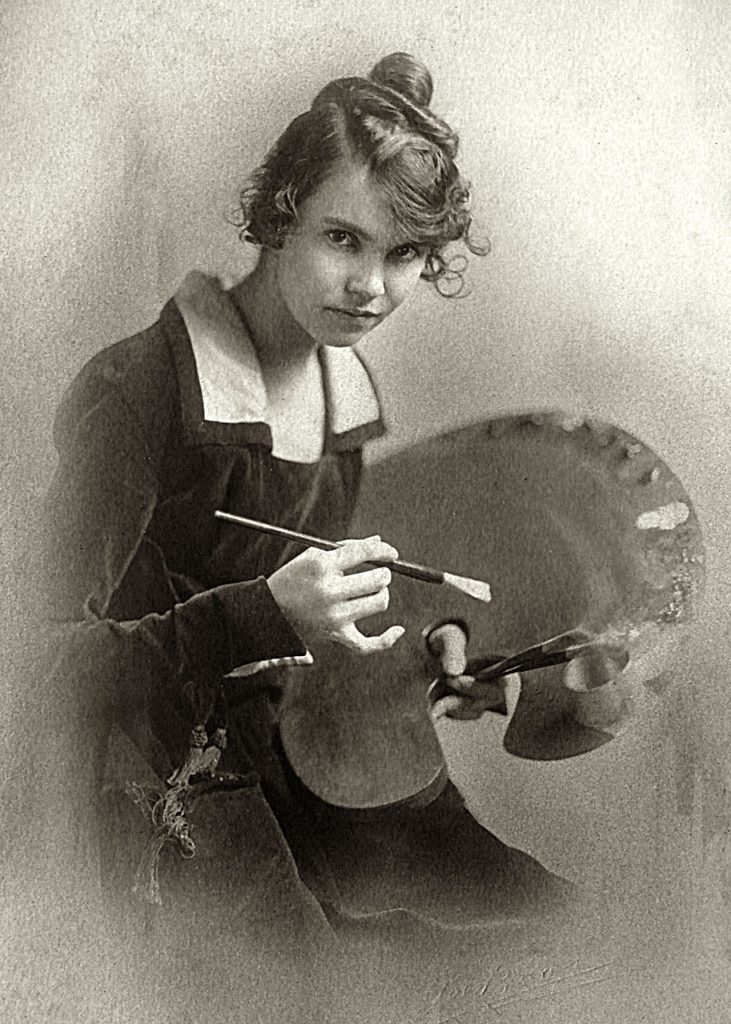
Wanda Gág grew up surrounded by art in New Ulm, where she was born in 1893. Her father was a painter and her mother a photographer, and Gág later studied at art schools in St. Paul and Minneapolis before continuing her training in New York. She became a printmaker, producing more than a hundred editions of lithographs, woodcuts, and other prints. Gág is also remembered for Millions of Cats, the picture book she wrote and illustrated in 1928. Its hand-drawn pictures and rhythmic storytelling helped make it a lasting children’s classic. Her work crossed several creative fields, from fine art to book illustration, and her Minnesota upbringing formed the starting point of a career that gained recognition well beyond the state.