

Minnesota is trying to get ahead of a problem that has already changed forests across the Midwest. This year, the state is planting nearly 60,000 seedlings so woodlands are not left bare when emerald ash borer kills more ash trees.
Why Minnesota is moving now
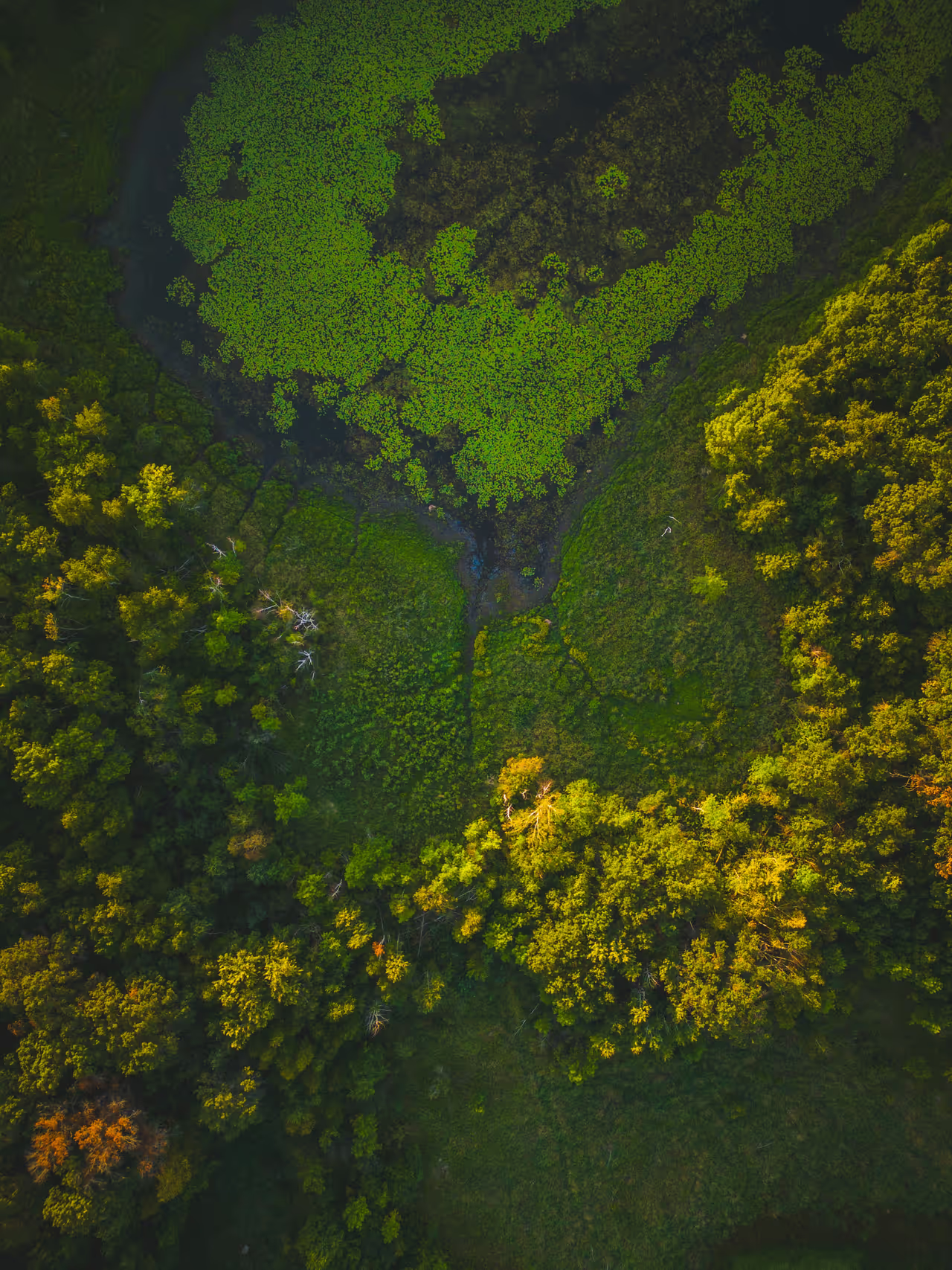
The scale of the threat is huge in Minnesota, where the Department of Natural Resources says ash makes up almost 1 billion trees across forests, wetlands, and community spaces. Emerald ash borer, an invasive beetle first found in Minnesota in 2009, has already spread to dozens of counties. Once an area is infested, most untreated ash trees die within just a few years, which is why state foresters are acting before losses pile up.
This planting push focuses on state lands where ash dominates low, wet ground, especially in northern Minnesota. According to the DNR, replacing some ash now with species like tamarack, spruce, and swamp white oak gives forests a better chance to stay shaded and stable. That matters because when ash disappears all at once, water levels, soil temperatures, and habitat conditions can shift fast.
The work is also practical for taxpayers and towns. Minneapolis and St. Paul have already spent millions dealing with ash decline in streets and parks, and statewide costs are expected to keep rising. By planting before widespread canopy loss, Minnesota hopes to avoid the sharper ecological and financial shock seen in other states after infestations took off.
What the seedling plan looks like
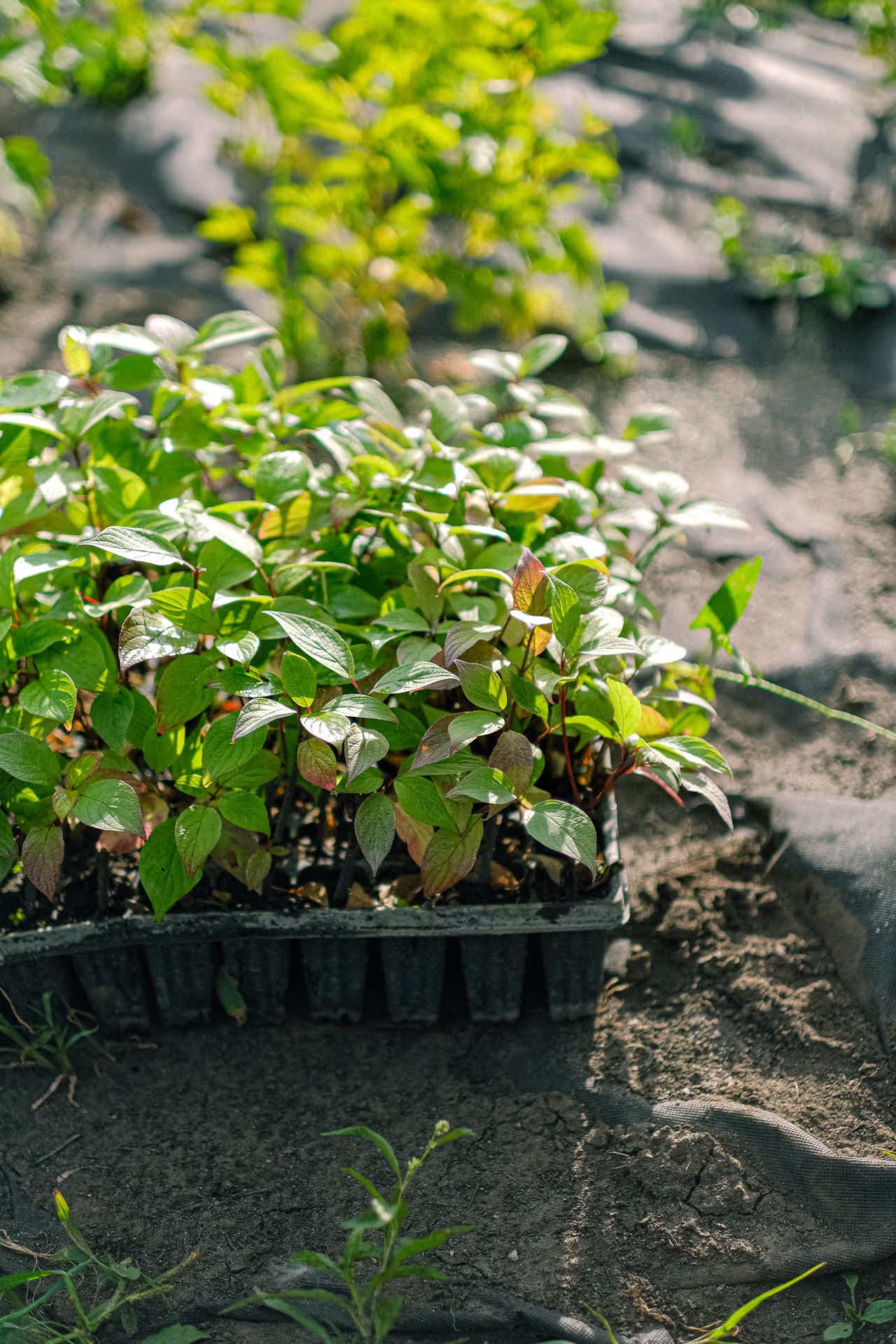
The nearly 60,000 seedlings are being planted through a DNR effort aimed at building what foresters call diversity before ash mortality peaks. Instead of replanting a single species, crews are mixing several trees suited to wet soils and colder conditions. That approach reflects lessons from Michigan and Wisconsin, where heavy reliance on one tree left entire stands vulnerable after emerald ash borer spread.
In many sites, the goal is not to remove every ash tree right away. Foresters often leave healthy ash standing while young replacements get established over several growing seasons. That staggered timing matters because a seedling planted in 2024 or 2025 may need years before it provides the same cover, cooling, and root structure as a mature ash.
The state is also targeting areas where natural regeneration is weak. In some black ash wetlands, studies from the U.S. Forest Service have shown that without active planting, invaded stands can convert to brushy or open conditions. For wildlife, that change can affect nesting cover, travel corridors, and the mix of plants growing on the forest floor.
What it means for communities and forests
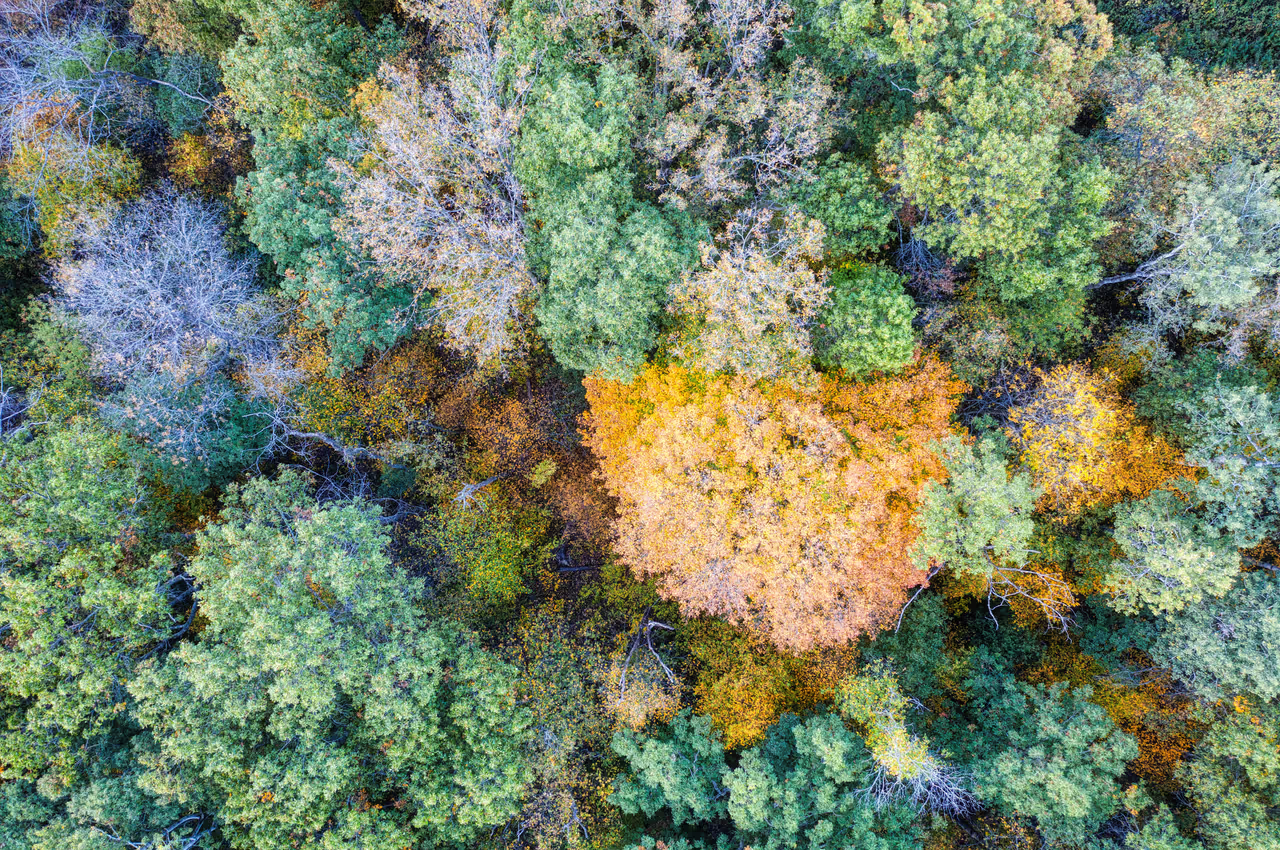
For residents, this is one of those quiet projects that pays off later. A planted stand in Itasca County or Carlton County will not look dramatic this season, but 5 to 10 years from now it could mean the difference between a living canopy and a patch of dead trunks. That long view is important in Minnesota, where black ash is a defining tree in many northern wetlands.
There is also a climate angle. Trees help store carbon, cool neighborhoods, and reduce erosion, and losing large numbers at once can worsen heat and runoff problems. The University of Minnesota and the DNR have both warned that forests with low species diversity are less resilient when hit by insects, disease, or extreme weather, which makes mixed planting a smart insurance policy.
Minnesota is not pretending seedlings alone will stop emerald ash borer, because they will not. But nearly 60,000 young trees is a serious start, and it shows the state has learned from 15 years of spread since 2009. In a place with close to 1 billion ash trees at risk, preparing early is far better than waiting for empty forests.