
The United States is investing up to $389 million in semiconductor research aimed at strengthening domestic technology and energy infrastructure. Announced by the Department of Commerce in October 2026, the initiative targets four companies developing technologies ranging from fusion power electronics and advanced AI chips to specialized quartz materials. The proposed awards reflect a broader push to improve U.S. manufacturing capabilities and reduce reliance on foreign suppliers.
The U.S. Commerce Department Announced Up to $389 Million in Research Funding
Semiconductors are essential to everything from advanced computing systems to power grids, yet developing specialized chips and materials can require years of research and substantial investment. On October 22, 2026, the U.S. Department of Commerce announced letters of intent with four companies for up to $389 million in research and development awards under the CHIPS and Science Act. Managed through the CHIPS Research and Development Office, the initiative focuses on power semiconductor devices, advanced power modules, and materials needed for critical energy infrastructure. The goal is to strengthen domestic capabilities in technologies that control, convert, and deliver electricity, particularly as demand grows from data centers, advanced computing, and emerging fusion energy projects. Better power electronics can improve energy efficiency, reduce heat losses, and support a more stable electrical grid. The funding is also intended to reduce dependence on overseas suppliers for specialized components and materials. However, the announcement concerns letters of intent rather than completed final awards, meaning the funding arrangements remain subject to definitive agreements and their terms.
Helion Could Receive Up to $175 Million for Fusion Power Technology
Fusion energy research depends on more than developing a reactor capable of producing energy. It also requires specialized electrical systems that can manage enormous amounts of power quickly and reliably. Helion, a Washington-based fusion energy company, is set to receive the largest proposed award in this initiative, with up to $175 million intended to advance high-voltage power semiconductors and advanced power modules. These components are designed for the high-peak-current pulsed-power applications used in Helion’s fusion generators. They would help power and control the magnets involved in the company’s system and support the recovery of energy from those magnets. Developing such components domestically could help Helion reduce its dependence on specialized overseas suppliers while improving performance, reliability, and manufacturing capabilities. The company’s plans include research into semiconductor devices, advanced packaging, manufacturing processes, and related production tools. Helion has also announced plans to contribute additional private investment alongside the expected federal support. The proposed award does not mean the company has solved the scientific and engineering challenges of commercial fusion, but it could help develop some of the critical hardware needed to pursue that goal.
Commonwealth Fusion Systems Could Receive $85 Million for Specialized Electronics
Inside a fusion experiment, controlling extremely hot plasma requires sophisticated heating, monitoring, and power-management equipment. Commonwealth Fusion Systems could receive up to $85 million to develop semiconductor technologies that support several of these demanding tasks. The proposed research includes electronics for radio-frequency plasma heating, power electronics, embedded systems for fusion diagnostics, and radiation-hardened components. Radio-frequency heating helps deliver energy to plasma, while diagnostic electronics allow researchers to monitor conditions inside a fusion device. Radiation-hardened electronics are designed to keep working in environments where radiation could damage ordinary components. These technologies are important because a fusion system must operate with precise control while its equipment faces substantial electrical and environmental demands. The proposed funding is intended to advance the specialized semiconductor hardware needed for that work and strengthen domestic development capabilities. Commonwealth Fusion Systems is pursuing commercial fusion energy, but developing a commercially viable plant remains a complex undertaking involving plasma physics, engineering, materials, and power systems. The proposed award targets a particular part of that challenge: creating reliable electronics that can help fusion equipment operate and be monitored effectively.
Vertical Semiconductor Could Receive $73 Million for Gallium Nitride Chips
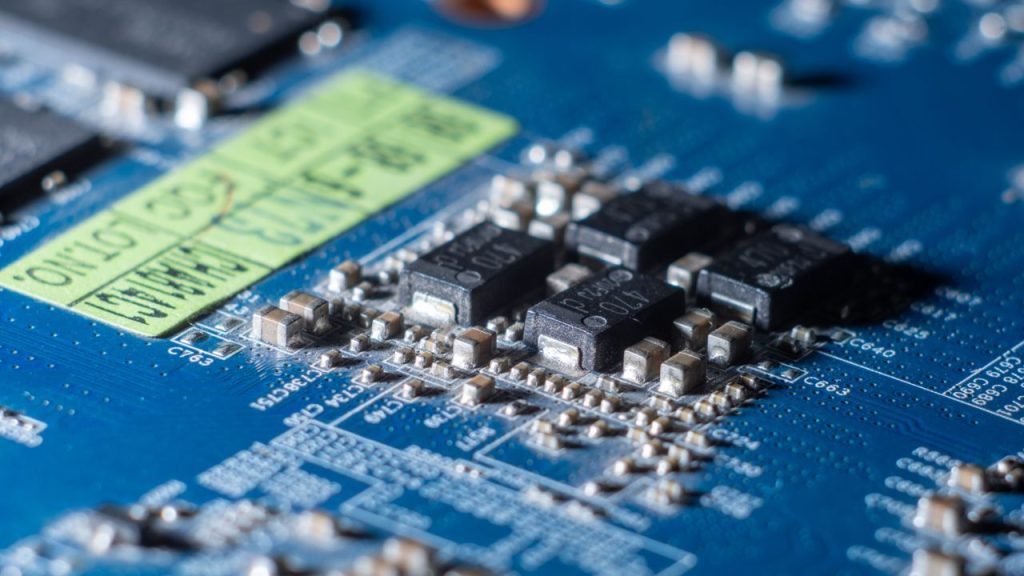
As artificial intelligence systems grow, the electricity required to power advanced computing equipment is becoming an increasingly important engineering challenge. Vertical Semiconductor could receive up to $73 million to advance vertical gallium nitride, or GaN, power semiconductors designed to deliver electricity more efficiently and in a smaller footprint. GaN is a semiconductor material that can offer advantages in power conversion, including the ability to switch electrical current rapidly and support compact power electronics. Such characteristics can be valuable in data centers, where electricity must be converted and distributed to servers and other equipment while managing heat and space constraints. The proposed research also includes a demonstration involving a 2.5-megawatt AI data center rack, an ambitious power-delivery application that highlights the scale of energy demand associated with advanced computing. Improving power delivery could help reduce conversion losses and make data center infrastructure more efficient, although actual performance will depend on the final design and operating conditions. The award is intended to support research and development rather than signal that the technology is already widely deployed. If successful, the work could help strengthen U.S. capabilities in specialized power semiconductors for high-performance computing.
Sibelco Could Receive $56 Million to Improve Semiconductor-Grade Quartz
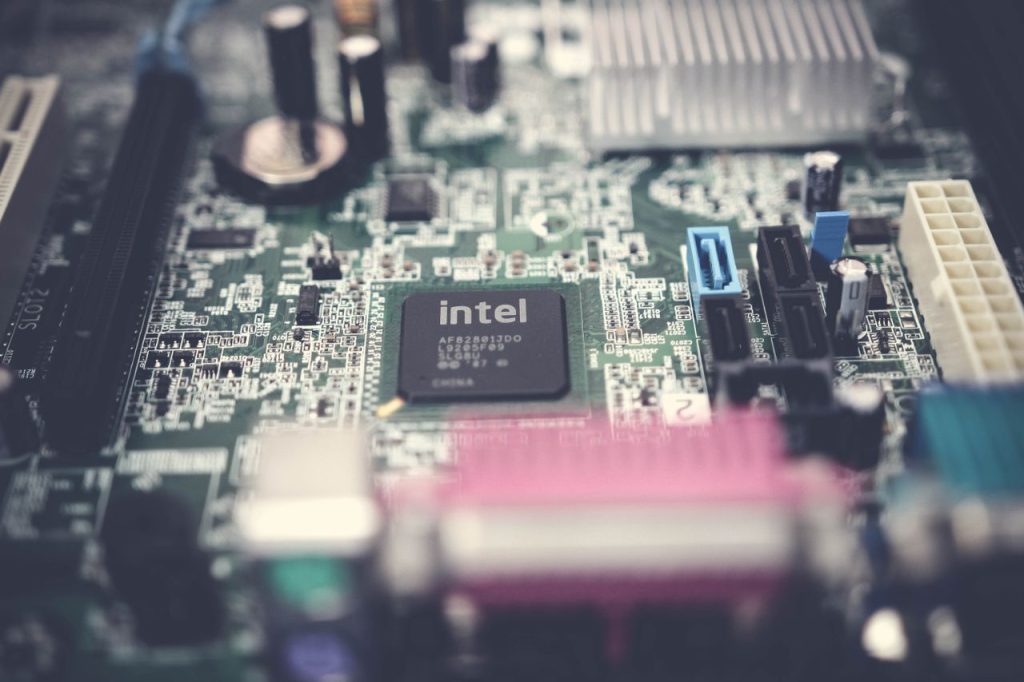
The semiconductor supply chain depends on materials that most consumers rarely see, including ultra-high-purity quartz used in critical manufacturing equipment. Sibelco could receive up to $56 million to develop improved purification and finishing technologies for this specialized material. Ultra-high-purity quartz is used in crystal-growth crucibles, processing glassware, and other hardware throughout semiconductor manufacturing. These components must withstand demanding conditions while avoiding contamination that could compromise sensitive production processes. Even small impurities can create problems when manufacturers are working with materials and structures that require extremely high levels of consistency. Better purification and finishing methods could help produce quartz that meets the stringent requirements of semiconductor manufacturing and support a more dependable domestic supply chain. The proposed award therefore addresses a different part of the semiconductor industry from the projects focused on power electronics and fusion systems. Rather than developing chips themselves, Sibelco’s research would target a material used in the equipment that helps make them. Strengthening this capability could reduce exposure to supply disruptions and improve access to a specialized industrial material that supports a wide range of semiconductor production activities.
The Government Will Receive Minority Equity Stakes in the Companies

The proposed funding arrangements include an unusual condition: the U.S. Department of Commerce will receive minority, non-controlling, and non-voting equity stakes in each participating company. In practical terms, the government would receive an ownership interest without gaining control of the companies or voting power through those stakes. The arrangement is intended to provide taxpayers with a potential financial return in addition to the wider economic benefits expected from federally supported research. It also distinguishes these awards from assistance that provides funding without an equity component. The initiative falls under the CHIPS and Science Act, enacted in 2022 to strengthen U.S. semiconductor research, manufacturing, and supply-chain capabilities. In this case, the proposed projects span fusion power electronics, advanced computing, and ultra-high-purity quartz, all of which support parts of the country’s broader energy and technology infrastructure. The precise terms of the government’s interests will depend on the final award agreements, so the announcement should not be interpreted as meaning that all funding has already been disbursed. The next steps involve finalizing the arrangements and carrying out the research. The projects’ ultimate value will depend on whether they deliver useful technical advances and build lasting domestic capabilities.