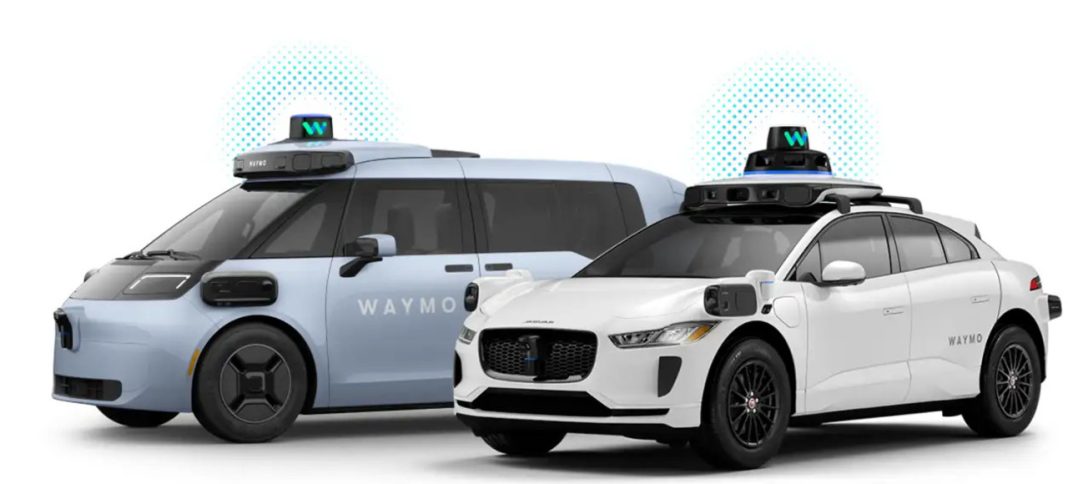

Minneapolis is taking a closer look at what happens when taxis can drive themselves. As Waymo prepares for a potential driverless taxi service in the city, officials and residents are debating how autonomous vehicles should be regulated. The proposed rules touch on safety, rideshare jobs, accessibility, and the role of human oversight. They could also shape how Minneapolis handles a technology that Minnesota has yet to regulate through a comprehensive statewide framework. Here are seven key things to know about the proposal and what it could mean for the city.
A Human Monitor Could Stay Behind the Wheel
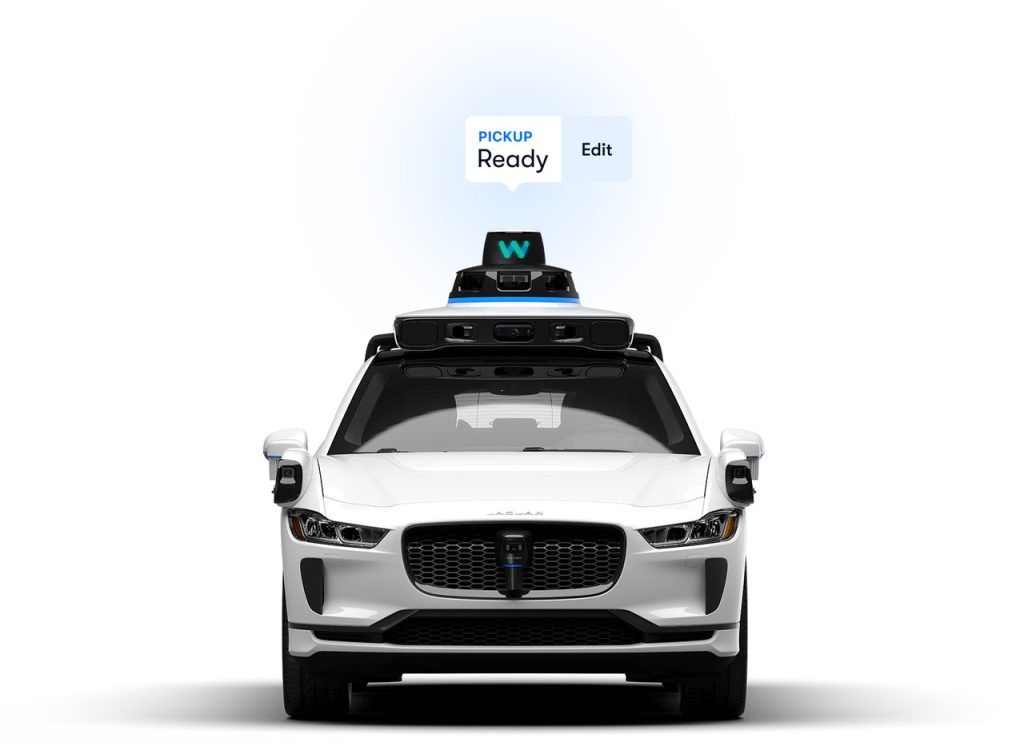
The biggest feature of Minneapolis’ proposal is that driverless would not necessarily mean completely unattended. Under the proposed ordinance, autonomous vehicle companies would have to place a paid, licensed human monitor in the driver’s seat. The monitor would be there even though the vehicle itself is responsible for navigating the roads. The proposal is being considered as Minneapolis works out how to handle autonomous vehicles before companies such as Waymo move from testing toward commercial taxi service. Supporters of the requirement have connected it to both safety and accountability, particularly because current Minnesota driving laws were written around the assumption that a human driver is present. The proposal would therefore create a layer of human oversight while the city continues to learn more about how autonomous vehicles perform in real-world Minneapolis conditions.
Waymo Would Need a City License

Getting a vehicle onto Minneapolis streets is only part of the issue. The proposed rules would also require autonomous vehicle companies to obtain a license from the city before operating commercially. That would apply to Waymo and other companies offering autonomous transportation services. Waymo is already testing vehicles in Minneapolis, with human drivers currently involved during those test drives, but the company has been preparing for a future in which its vehicles could provide rides without someone actively driving. The proposed licensing system would give Minneapolis a direct role in determining which autonomous vehicle companies can operate within city limits. It is part of a broader effort by council members to establish local rules while Minnesota continues debating how autonomous vehicles should be regulated statewide.
Rideshare Jobs Are Central to the Debate
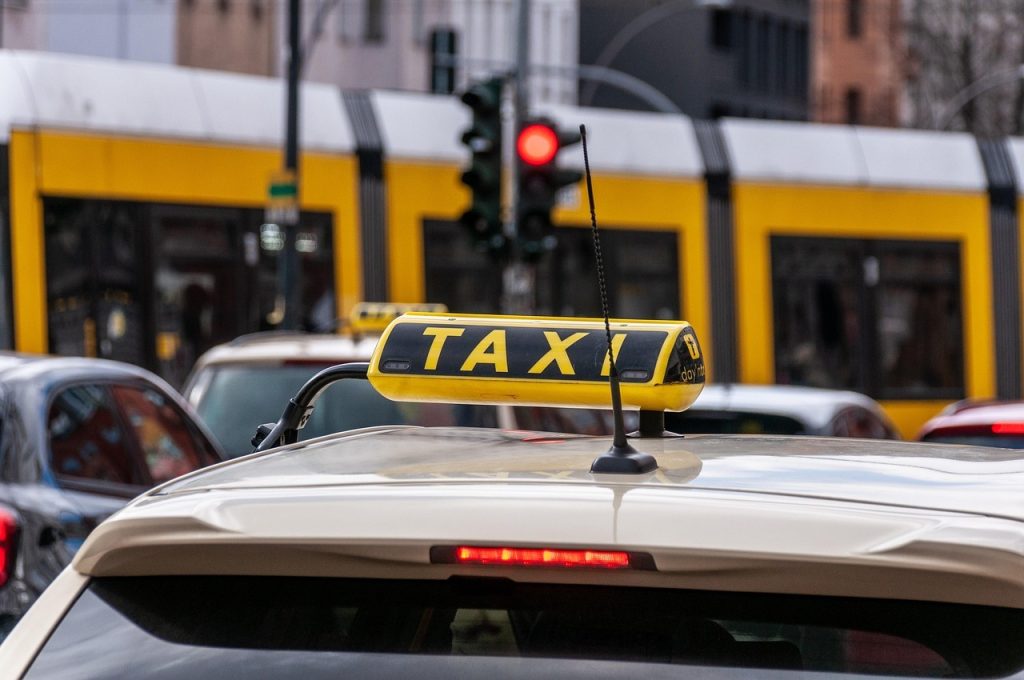
For Minneapolis’ existing rideshare drivers, the arrival of autonomous taxis raises a very practical concern: what happens to the work they depend on? Drivers for Uber and Lyft told the City Council that they are worried autonomous vehicles could eventually compete directly with them for passengers. Thousands of rideshare drivers work in the city, and supporters of the proposed ordinance argue that those workers contribute money to local businesses while using their earnings to cover expenses such as rent, groceries and fuel. The debate is therefore not limited to technology or transportation. It also involves the potential economic effect on people who currently make a living behind the wheel. Council members supporting the proposal have specifically cited the possibility of job losses as one reason to establish rules before autonomous taxi services expand.
Accessibility Could Be a Major Benefit
For some Minneapolis residents with disabilities, a driverless taxi could solve a transportation problem rather than create one. Blind residents who spoke during the public hearing described situations in which rideshare drivers have canceled trips or created difficulties related to disabilities and service animals. An autonomous vehicle could remove the need for a passenger to persuade an individual driver to accept a ride. That does not mean every autonomous vehicle would automatically be accessible to everyone. Accessibility advocates have also pushed for requirements involving wheelchair access and other accommodations. Still, supporters at the hearing described autonomous transportation as a possible way to give people who cannot drive themselves another option for getting to work, running errands and participating more independently in everyday life.
Safety Questions Still Have No Simple Answer
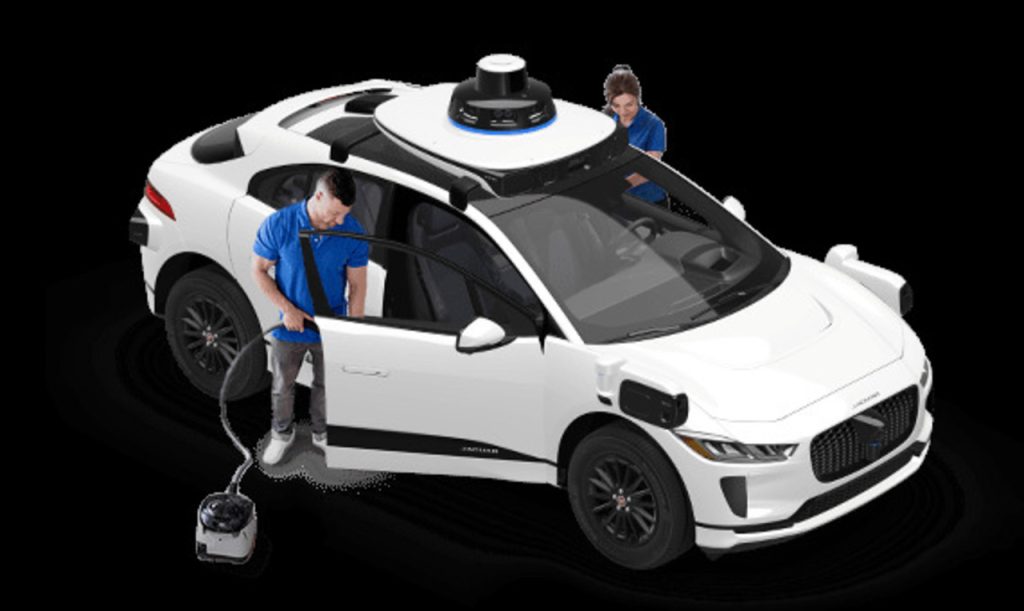
Safety sits at the heart of the disagreement because autonomous vehicles have produced both encouraging data and documented problems. Waymo has pointed to data from other cities showing fewer crashes and injuries compared with human-driven vehicles. Some Minneapolis residents also argued that human drivers can make dangerous decisions, including ignoring traffic rules. At the same time, critics raised concerns about situations in which autonomous vehicles have struggled, including incidents elsewhere involving traffic disruptions, emergency responders and stopped school buses. One Minneapolis speaker who uses autonomous features in a Tesla also described situations in which the technology behaved unpredictably around road construction. Minneapolis officials have said they want more information about these issues before the city settles on a long-term regulatory approach.
Minnesota Has a Regulatory Gap
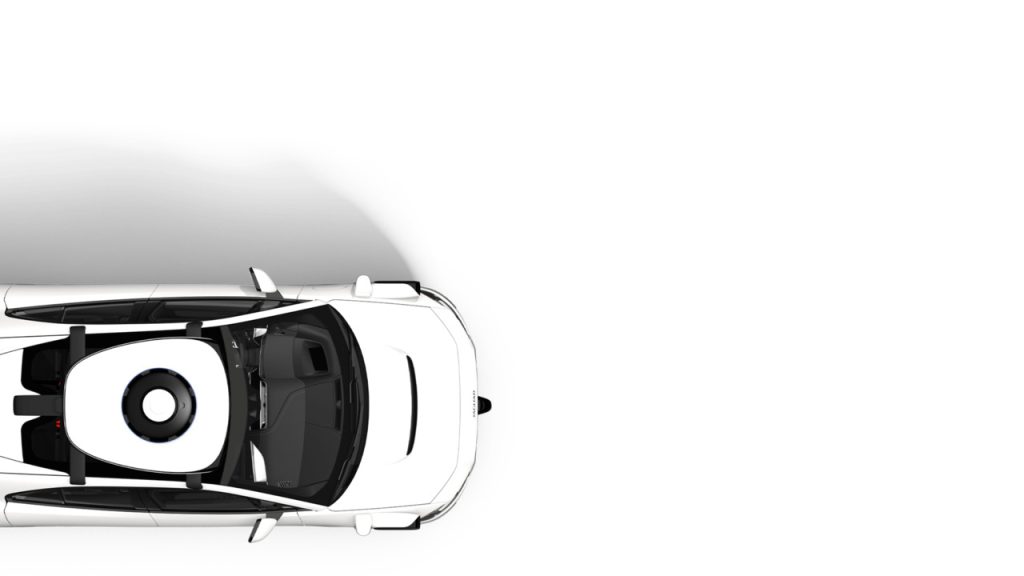
The proposal is also happening because Minnesota does not yet have a specific statewide regulatory framework for driverless vehicles. Existing traffic laws generally assume that a human being is operating the vehicle and can be held responsible during a traffic stop or after a crash. That creates questions about how those rules apply when there is no conventional driver behind the wheel. Minnesota lawmakers have previously considered autonomous vehicle legislation, but comprehensive rules have not been enacted. As a result, Waymo’s Minneapolis testing has taken place in what officials and policymakers describe as a legal gray area. Minneapolis council members backing the local proposal argue that the city needs basic rules in place while state lawmakers continue working on the larger question.
The Rules Would Not Begin Immediately
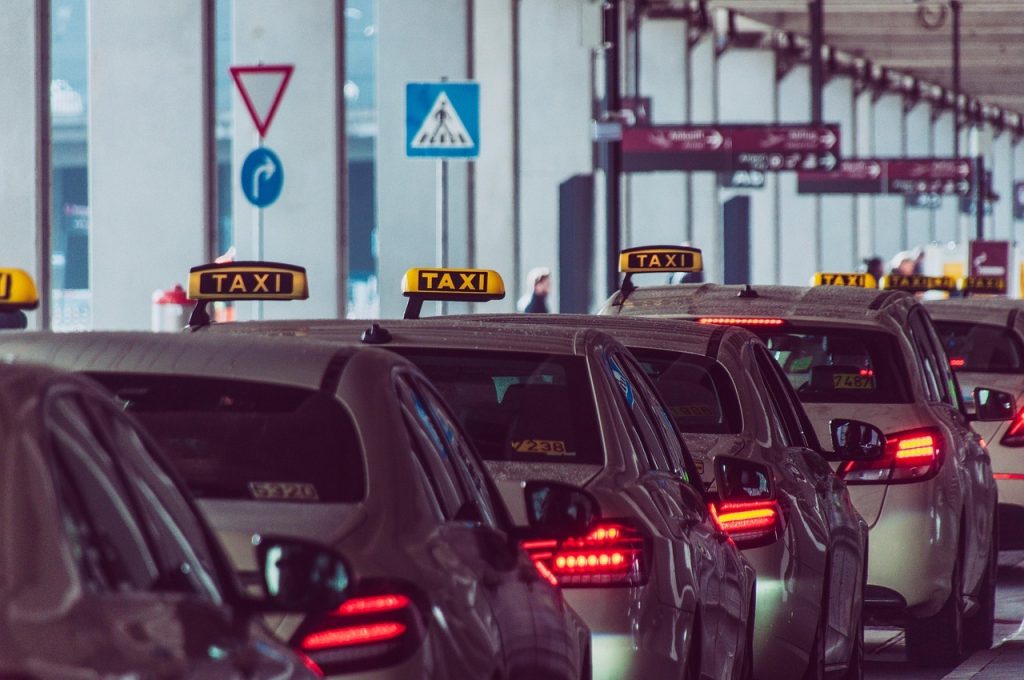
Even if Minneapolis approves the proposed ordinance, the changes would not take effect right away. The proposal is scheduled for another public hearing, followed by a possible City Council vote in early October. If approved, the ordinance would take effect in October 2027. That delayed start is significant because it gives city officials additional time to examine safety information, potential effects on rideshare employment, and other questions surrounding autonomous vehicles. Council members have also indicated that the period before implementation could allow them to amend the rules as more research becomes available. In other words, the proposal is being structured as an initial regulatory framework rather than a set of rules that would immediately govern a full commercial driverless taxi rollout.