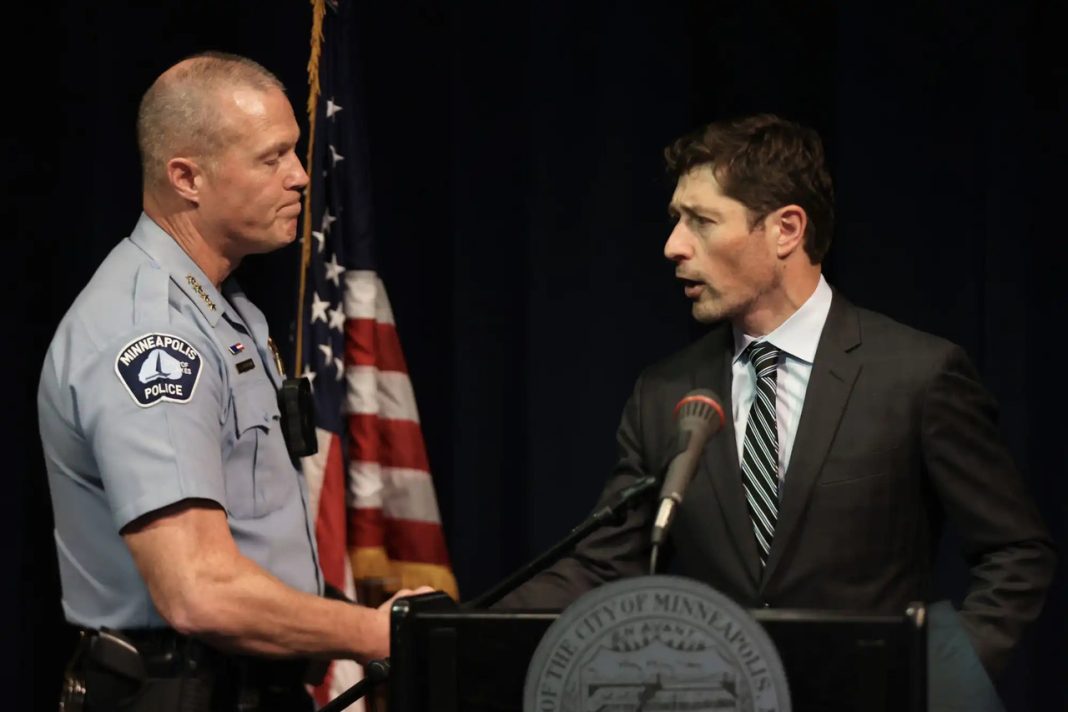

Minneapolis Mayor Jacob Frey has tapped longtime police department veteran Bill Peterson to lead the city’s police force permanently. With more than 30 years of experience, Peterson brings a deep understanding of the department’s operations, from precinct leadership to emergency response. However, his nomination comes amid ongoing debates about police accountability, reform and public trust. Here are six things to know about Peterson’s career, leadership experience and the challenges he could face as Minneapolis’ next police chief.
He Has More Than 30 Years of Experience With the Minneapolis Police Department
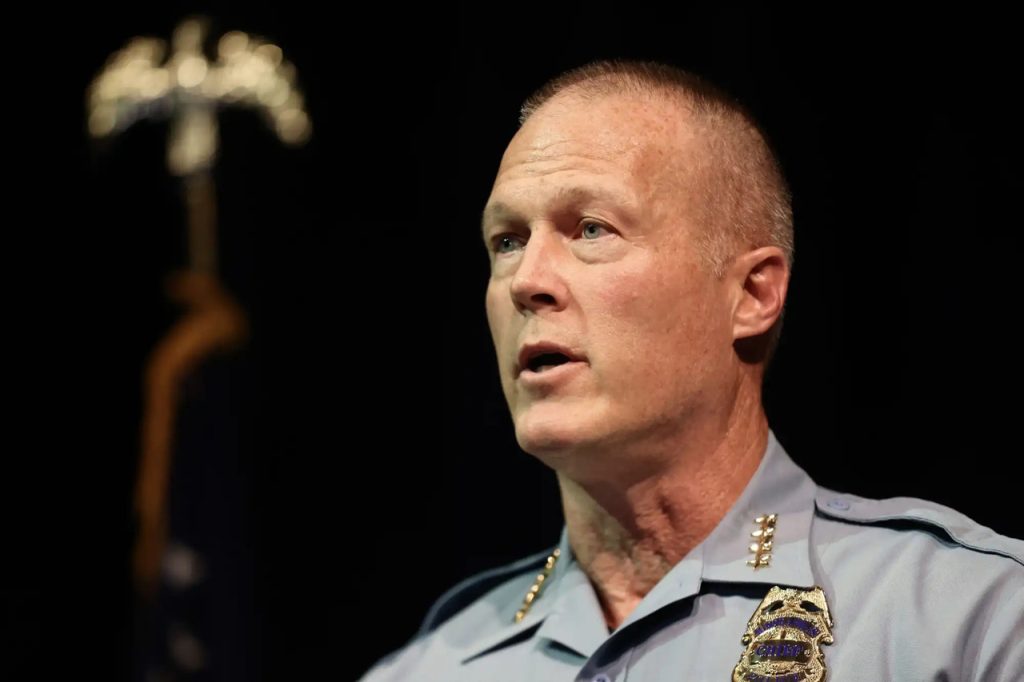
Bill Peterson has spent more than three decades working within the Minneapolis Police Department, building a career across patrol operations, investigations, officer training and precinct leadership. Mayor Jacob Frey selected him as interim chief in June 2026 following the resignation of former Chief Brian O’Hara, before naming him as his choice for the permanent position in October. Peterson’s long tenure gives him firsthand experience with the department’s operations and the challenges it has faced over the years. He has also worked closely with officers, city officials and community organizations in different roles. However, his extensive history with the department has become part of the public debate over his nomination, with some community advocates questioning whether an internal candidate can deliver the cultural changes Minneapolis needs. Peterson has acknowledged that the department’s past actions and failures have damaged public trust, saying that rebuilding that trust must remain a priority.
He Led Minneapolis’ First Precinct Before Becoming Interim Chief
Before stepping into the department’s top leadership role, Peterson served as inspector of Minneapolis’ First Precinct, a position he held from 2019. The precinct covers several important areas, including downtown Minneapolis, the North Loop, Loring Park, Elliot Park and Cedar Riverside, as well as part of the University of Minnesota’s West Bank campus. Its responsibilities include public safety in busy commercial districts, residential neighborhoods and areas that attract large crowds. During his time as inspector, Peterson worked to build relationships with residents, business owners, neighborhood organizations and violence prevention partners. He also helped oversee the development of a new First Precinct facility, working with city departments and architects over a three-year period. Peterson has said he was proud of the team and community relationships he had built in that role. When he was first appointed interim chief in June, he indicated that he had not intended to pursue the permanent position, but later agreed to be considered for it.
He Helped Lead Responses to Major Emergencies and Public Events
Peterson’s career has included responsibilities during some of the most significant emergencies and public events in Minneapolis and the surrounding region. His experience includes the response to the Interstate 35W bridge collapse in 2007, the North Minneapolis tornado in 2011 and large-scale public safety operations associated with the 2018 Super Bowl and the MLB All-Star Game. These events required coordination among police officers, emergency responders, city agencies and other public safety partners. Peterson has also held roles in the department’s Special Operations Division, Violent Crimes Investigations Division and Fourth Precinct patrol operations. While overseeing pre-service training, he managed the Police Academy and Field Training Officer Program and helped develop the department’s first department-wide Crisis Intervention Training program. That initiative focused on preparing officers to respond to situations involving people experiencing behavioral health crises. His background across emergency response, investigations and training is part of the experience Mayor Frey cited when selecting him to lead the department.
He Initially Had No Interest in Becoming the Permanent Police Chief
Peterson’s path to the chief’s office began with reluctance rather than a stated ambition to lead the entire department. When Mayor Frey appointed him interim chief in early June 2026, Peterson said he was not interested in applying for the permanent position. He explained that he enjoyed leading the First Precinct, where he had spent years developing a strong team and relationships with the surrounding community. He also acknowledged that the police chief’s position carries significant demands and constant public scrutiny. However, his position changed over the following months. When Frey announced Peterson as his nominee for the permanent job on October 9, Peterson said encouragement and support from colleagues and community members helped persuade him to accept the responsibility. He described leadership as a matter of serving people and accepting responsibility rather than pursuing a particular title. His nomination now places him at the center of decisions about staffing, police reform, department spending and efforts to strengthen relationships between officers and Minneapolis residents.
His Nomination Has Faced Calls for Leadership From Outside the Department
Peterson’s experience has not eliminated disagreement over whether Minneapolis should select its next police chief from within the department. Five progressive City Council members expressed a preference for an external candidate, arguing that someone from outside MPD could bring a different perspective to longstanding concerns about police culture, spending and compliance with reform requirements. Michelle Gross, president of Communities United Against Police Brutality, has also questioned whether a longtime department insider can deliver the cultural changes she believes are necessary. Critics have pointed to the department’s budget overruns and its ongoing obligations under an agreement with the Minnesota Department of Human Rights. Frey, meanwhile, said the selection process considered outside candidates, but the four finalists were all from within MPD. He explained that community feedback gathered during the process showed substantial support for an internal candidate who understood the department’s recent history. The disagreement reflects a broader debate over whether continuity or outside experience is more appropriate for an organization facing pressure to improve accountability and rebuild public confidence.
He Has Pledged to Improve Accountability, Transparency and Community Trust
Restoring public confidence is one of the central challenges Peterson has acknowledged as he seeks to become Minneapolis’ permanent police chief. In announcing his nomination, he spoke about the lasting harm caused by some of the department’s actions and failures and recognized that those experiences have broken trust with residents. He has pledged to hold officers accountable to the public and to be transparent about decisions made under his leadership. Peterson has also identified rising officer overtime costs as an issue he believes he is positioned to address because of his experience within the department. His responsibilities would include helping MPD meet its police reform obligations, improving staffing and retention, reducing violent crime and strengthening relationships with communities across Minneapolis. These goals come as the department continues to face scrutiny over its spending and progress on reforms. Peterson’s nomination does not, by itself, resolve those concerns. The Minneapolis City Council must approve his permanent appointment, with Frey indicating that a vote could take place in November 2026.