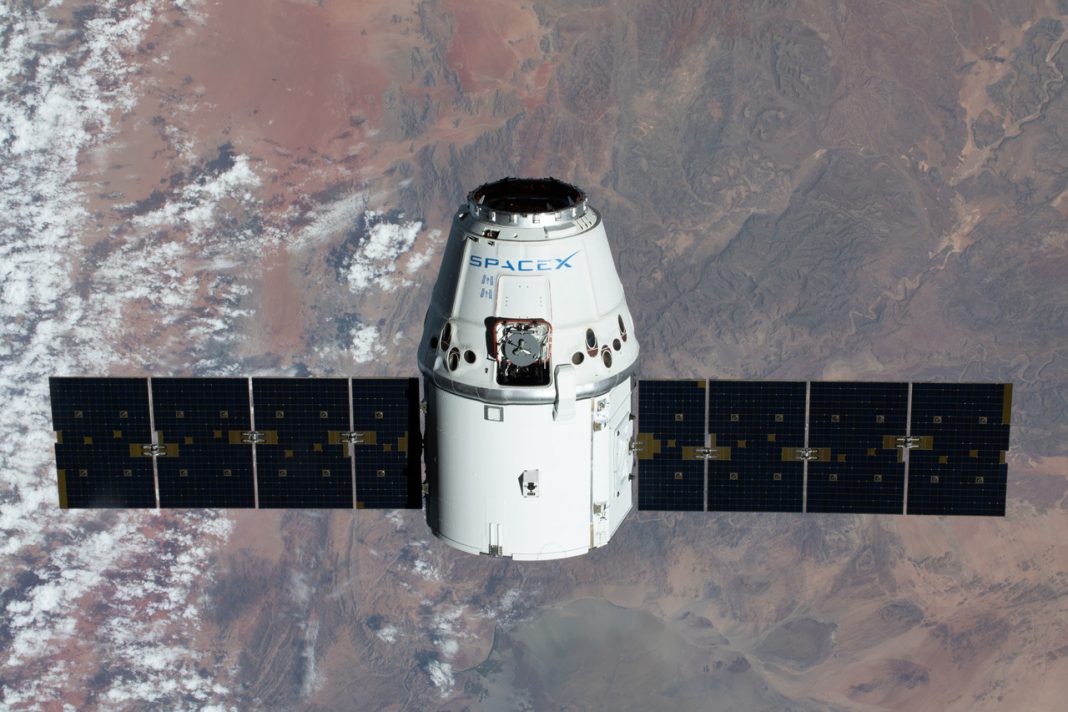

NASA is preparing for another crewed launch to the International Space Station as four astronauts get ready to lift off aboard a SpaceX Dragon spacecraft. The Crew-13 mission is targeted for Thursday, October 1, from Florida’s Cape Canaveral Space Force Station. The flight will carry a mix of returning and first-time space travelers into orbit, where they will take part in scientific research, station operations and the ongoing handover between crews. With the Falcon 9 and Dragon already at the launch pad, preparations are moving into their final stages.
The Launch Is Set for Thursday
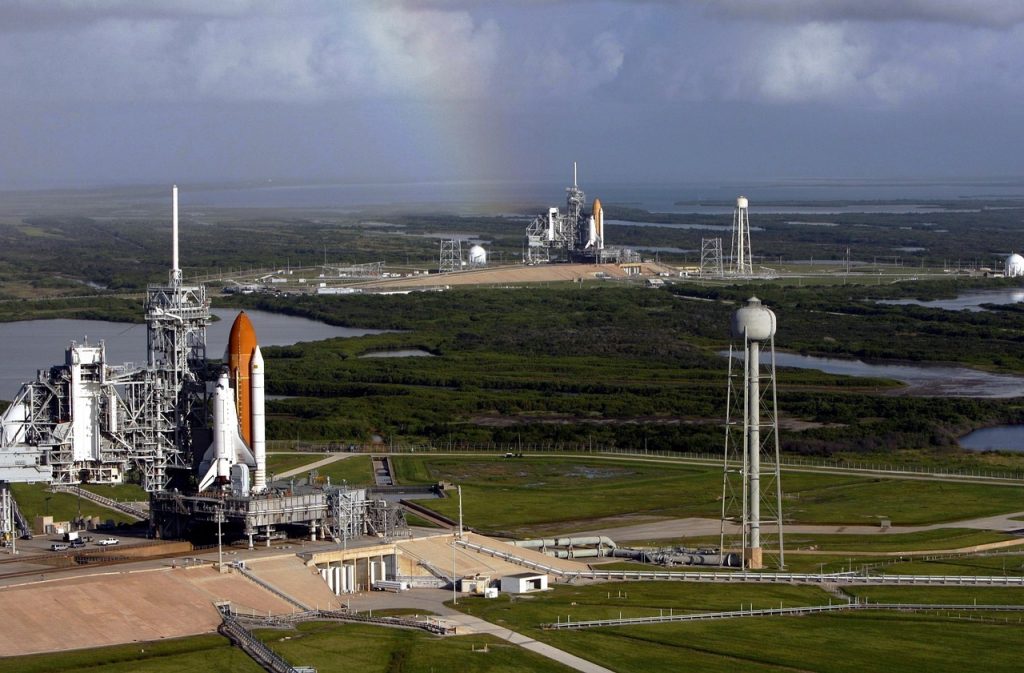
Crew-13 is scheduled to lift off no earlier than 11:10 a.m. EDT on Thursday, Oct. 1, 2026, from Space Launch Complex 40 at Cape Canaveral Space Force Station in Florida. The mission will send four astronauts to the International Space Station aboard a SpaceX Dragon spacecraft, marking the next crew rotation flight under NASA’s Commercial Crew Program. The launch date and time remain a target, meaning teams must complete the remaining technical and operational checks before the flight can proceed.
The timing is the latest step in a mission that has been moved forward to increase the frequency of U.S. crew rotation flights to the station. Once Falcon 9 lifts Dragon into orbit, the spacecraft will accelerate to roughly 17,500 mph before beginning the sequence of maneuvers needed to reach the station. Dragon is designed to dock autonomously with the International Space Station, although the crew can take manual control if necessary.
Four Astronauts Are Joining the Mission
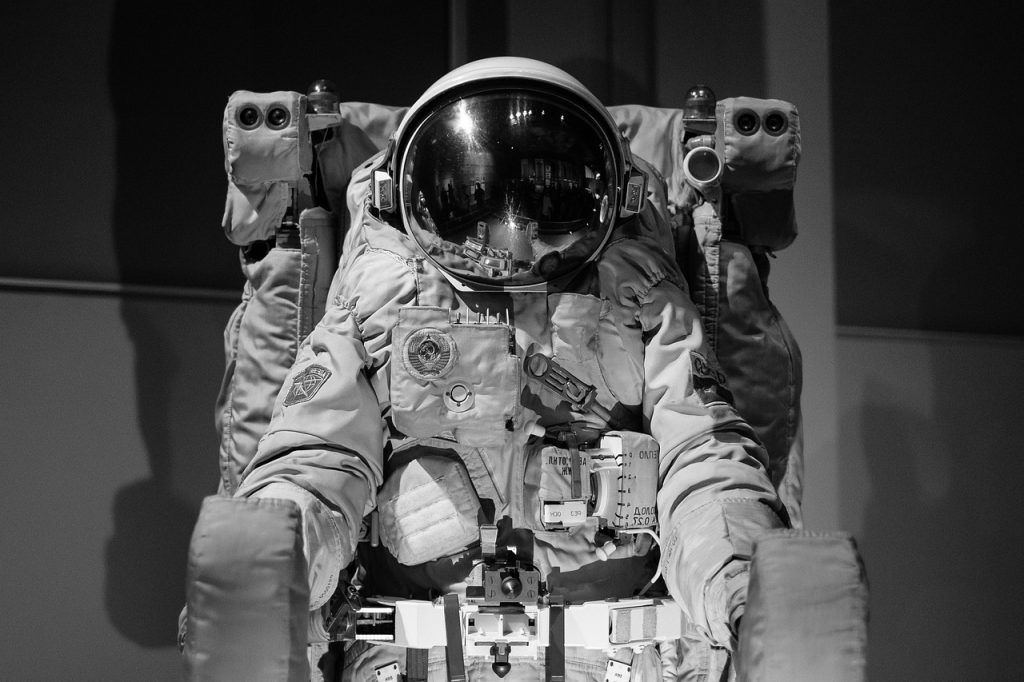
Crew-13 brings together astronauts from three space agencies. NASA astronauts Jessica Watkins and Luke Delaney will serve as commander and pilot, respectively. Canadian Space Agency astronaut Joshua Kutryk and Roscosmos cosmonaut Sergey Teteryatnikov will serve as mission specialists. After arriving at the station, the four will become members of Expedition 75 and will spend an extended period conducting research and supporting station operations.
The crew also represents a mix of experience levels. Watkins is returning to the station after spending 170 days in orbit during Expeditions 67 and 68 in 2022. Delaney, Kutryk and Teteryatnikov are each preparing for their first spaceflight. Their backgrounds include naval aviation, test piloting, engineering and cosmonaut training, giving the crew experience across several areas that are useful for operating a complex orbital laboratory.
The Rocket Is Ready at the Launch Pad
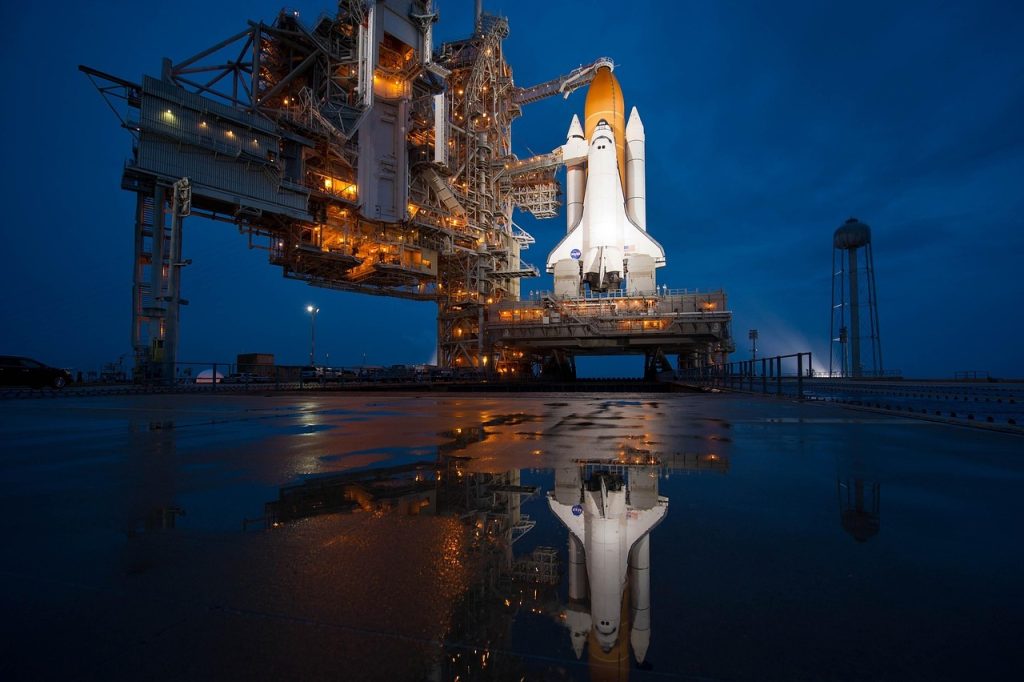
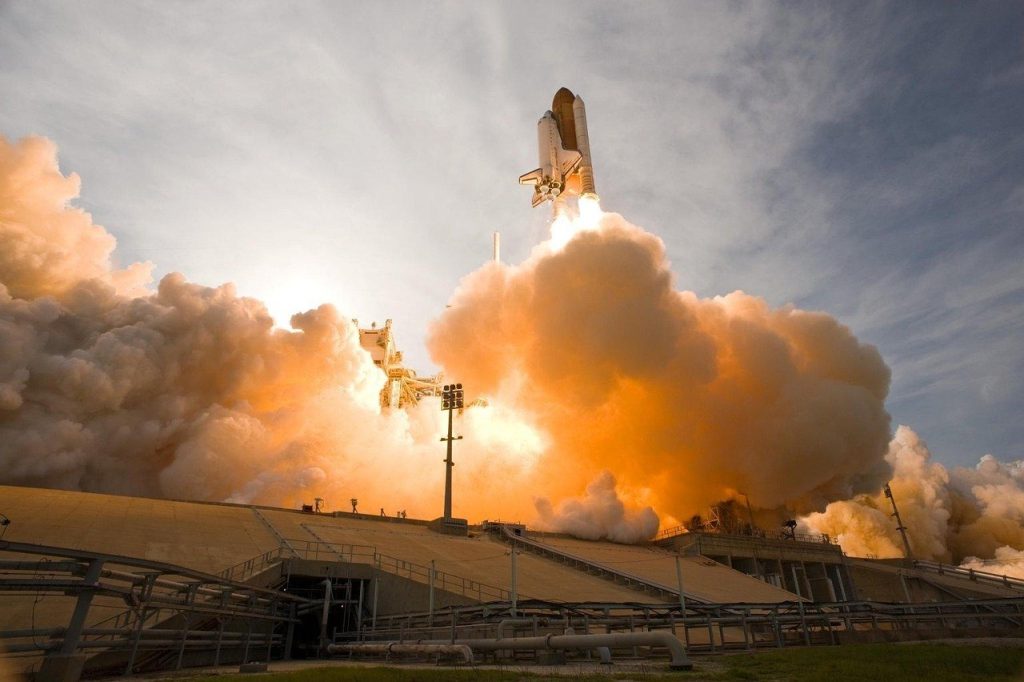
The hardware has already reached one of the most visible stages of the prelaunch process. On Sept. 27, the SpaceX Falcon 9 rocket and Dragon spacecraft rolled out to Space Launch Complex 40, where teams raised the vehicle to a vertical position. At the pad, engineering teams conducted an integrated static fire of the Falcon 9, followed by detailed reviews of the resulting data. Those checks are part of the work required before the vehicle can proceed toward launch.
NASA’s mission update shows that the rocket and spacecraft are now positioned for the targeted Oct. 1 liftoff. The Falcon 9 booster assigned to Crew-13 is preparing for its third flight, while Dragon has undergone its own preflight preparations. NASA and SpaceX still have to complete and certify the necessary rocket and spacecraft systems before launch, so arriving at the pad is a major milestone rather than the final step.
Crew-13 Will Head to the International Space Station
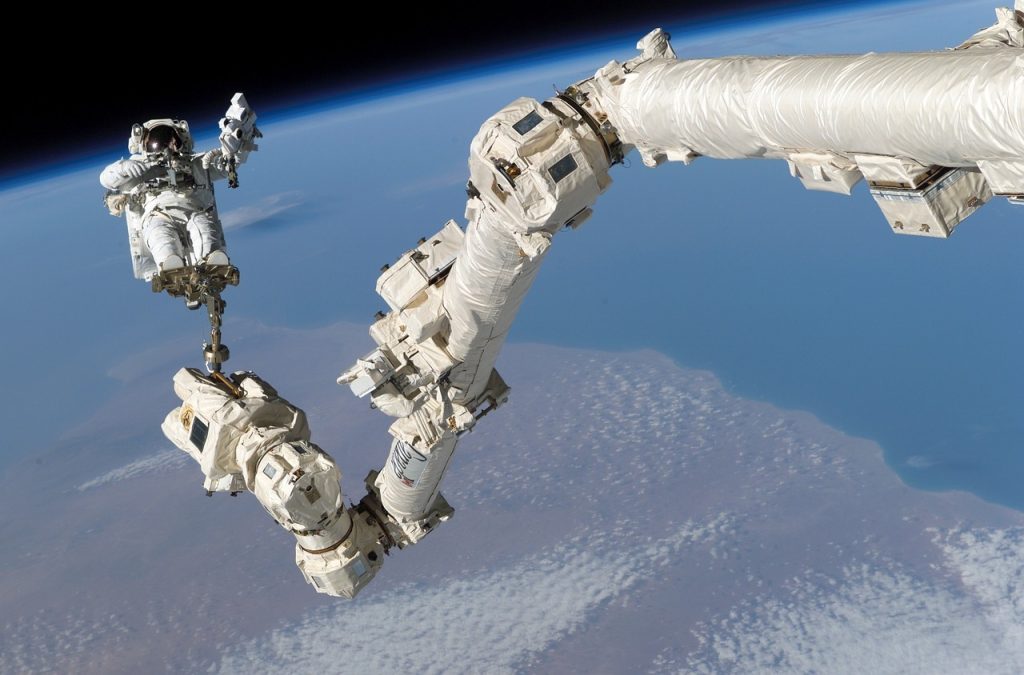
The destination is the International Space Station, where Crew-13 will join the existing Expedition 75 crew. After liftoff, Dragon will perform a series of orbital maneuvers while the crew and mission controllers monitor the spacecraft’s progress. The spacecraft is expected to approach the station’s forward-facing port on the Harmony module and complete its docking sequence after reaching the proper position.
The arrival will also begin a short handover period between the incoming and outgoing crews. Crew-13 will be welcomed aboard by the seven-member Expedition 75 team already living on the station. After the handover, NASA’s SpaceX Crew-12 astronauts will depart aboard their Dragon spacecraft and return to Earth. This routine exchange allows the station to maintain continuous human operations while one crew replaces another.
The Mission Will Focus on Science
The astronauts are heading to orbit with a substantial research agenda rather than simply carrying out a crew change. NASA says Crew-13 will conduct research, technology demonstrations and maintenance aboard the station. Some of the work is aimed at understanding human health in space, while other experiments are intended to develop capabilities that could become important during longer missions beyond low Earth orbit.
Among the research areas are human stem-cell-derived tissues that could help scientists study heart disease and Parkinson’s disease, along with work examining blood-flow abnormalities that occur in space. The crew also will investigate crop production and test new diagnostic medical equipment for monitoring astronaut health. NASA connects this research to future human exploration of the Moon and Mars, while some findings could also have applications on Earth.
Three Crew Members Are Making Their Debuts
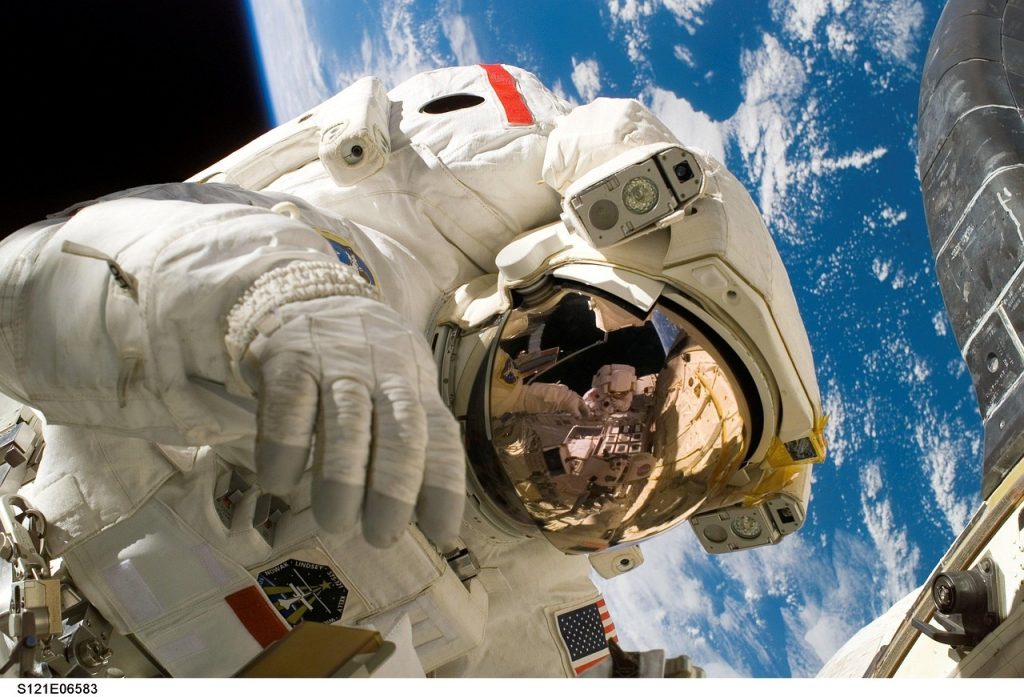
Luke Delaney, Joshua Kutryk and Sergey Teteryatnikov are all preparing for their first spaceflight. Delaney was selected as a NASA astronaut in 2021 and previously served as a naval aviator, test pilot and research pilot at NASA’s Langley Research Center. Kutryk, a Canadian Space Agency astronaut, previously flew CF-18 fighter aircraft and worked as an experimental and operational test pilot. Both bring extensive aviation and engineering experience to their first mission beyond Earth.
Teteryatnikov’s background comes through Russia’s naval engineering and cosmonaut training systems. He graduated from the Naval Academy in St. Petersburg as an engineer specializing in ship power plant operations and later served in several naval engineering roles. He joined the Gagarin Research and Test Cosmonaut Training Center Cosmonaut Corps in 2021 and has been a test cosmonaut since 2023. Crew-13 will be his first trip to the orbital laboratory.
NASA and SpaceX Are Completing the Final Checks
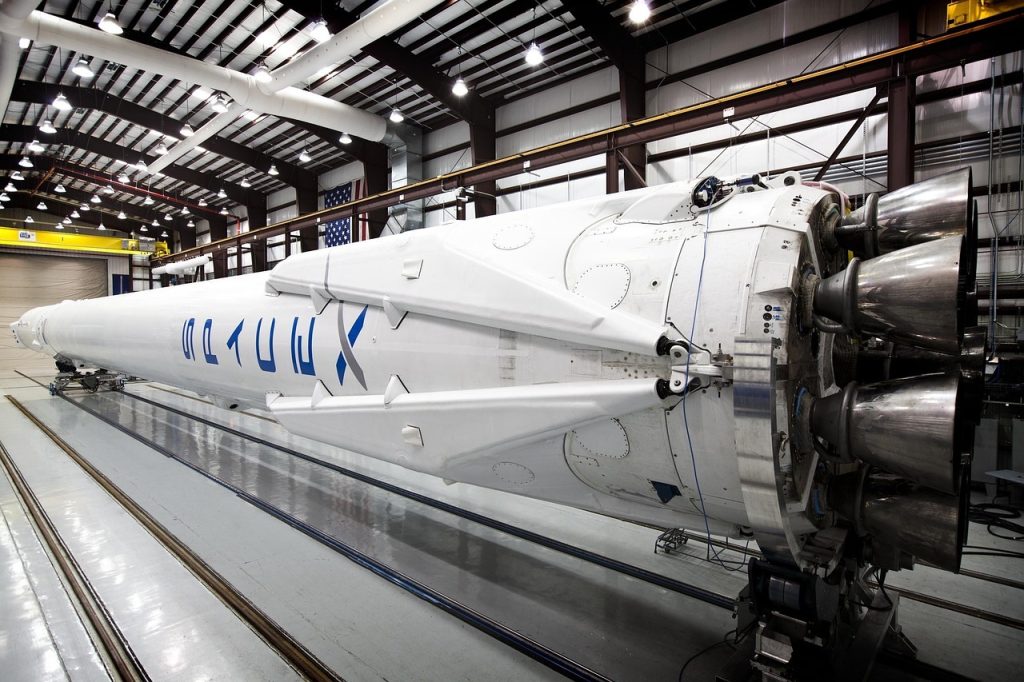
The arrival of the rocket at the launch pad has been followed by a series of detailed preparations designed to verify that the vehicle and ground systems are ready. NASA reported that teams carried out an integrated static fire of the Falcon 9 after the rocket reached the pad, then reviewed the resulting data. The broader prelaunch process also includes spacecraft and rocket system checkouts, certification of components and crew preparation activities.
The crew also completed a dry dress rehearsal as part of the final preparations. Once the necessary systems and components are certified, the mission can move toward the targeted Thursday launch. The final countdown will still depend on the results of those checks and the conditions facing the launch team. For now, NASA lists 11:10 a.m. EDT on Oct. 1 as the targeted launch time from Cape Canaveral.