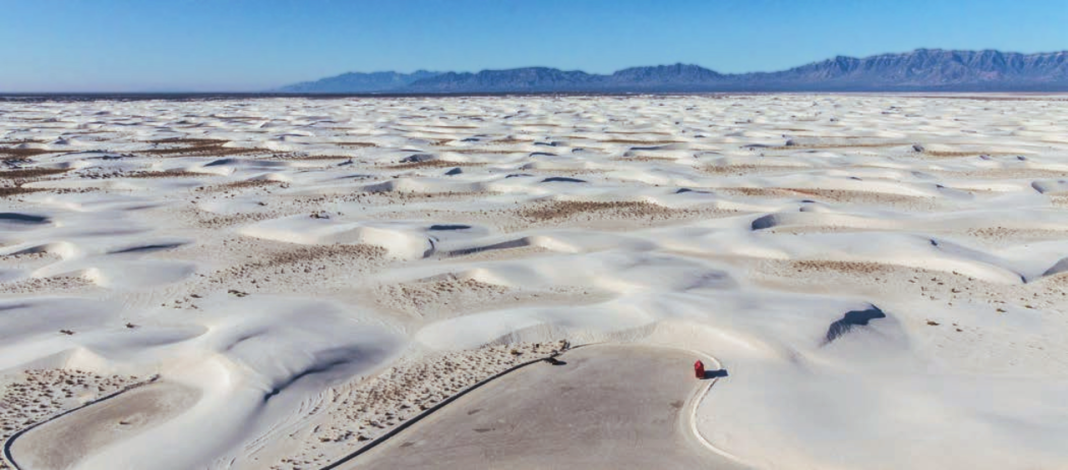

White Sands National Park is putting one of its most remarkable hidden treasures in the spotlight this October. Beneath the famous gypsum dunes lies a record of human and animal activity from the Ice Age, preserved in thousands of fossilized footprints. National Fossil Day programming will give visitors new ways to explore these ancient tracks, including guided walks, exhibits, hands-on displays and special presentations. The park’s fossil footprints offer an unusually detailed glimpse into a landscape that existed more than 20,000 years ago.
White Sands Is Putting Ice Age Footprints in the Spotlight
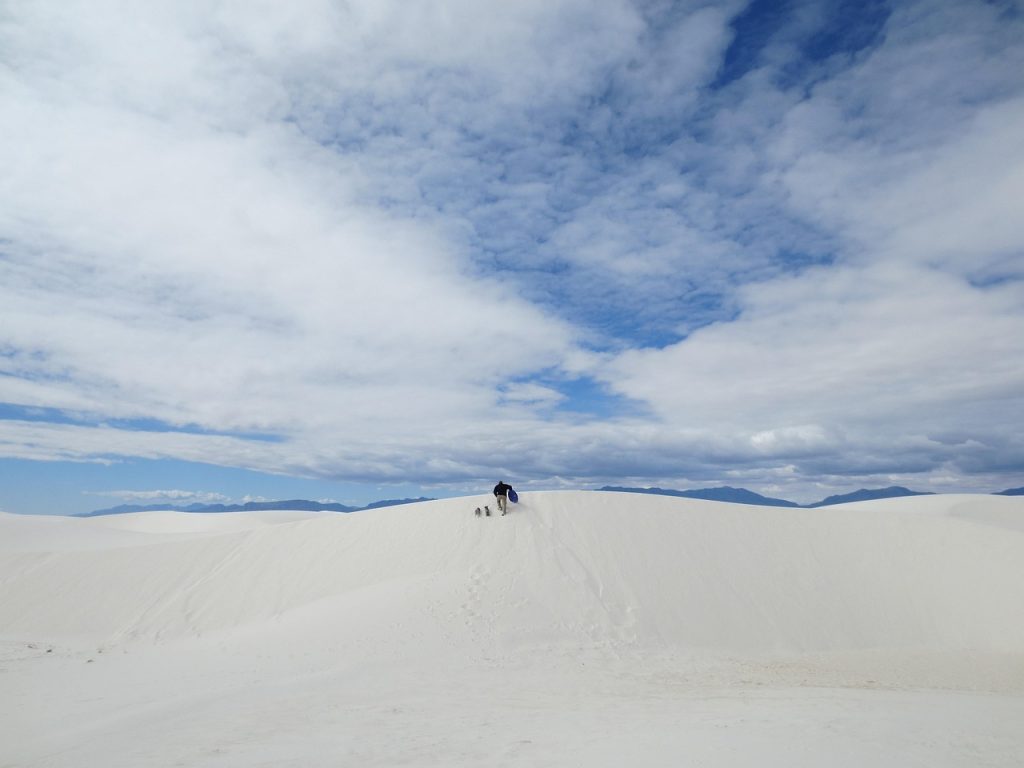
This October, White Sands National Park is turning attention from its famous white dunes to the much older stories preserved beneath them. The park will celebrate National Fossil Day on October 14 with programs focused on fossilized human and animal footprints from the Ice Age. Those trackways preserve evidence of life around ancient Lake Otero, when the Tularosa Basin was a much wetter landscape than it is today. The National Park Service describes White Sands as one of the world’s largest concentrations of Ice Age fossil footprints, with some tracks dating back roughly 21,000 to 23,000 years.
October Brings New Ways to Explore the Trackways
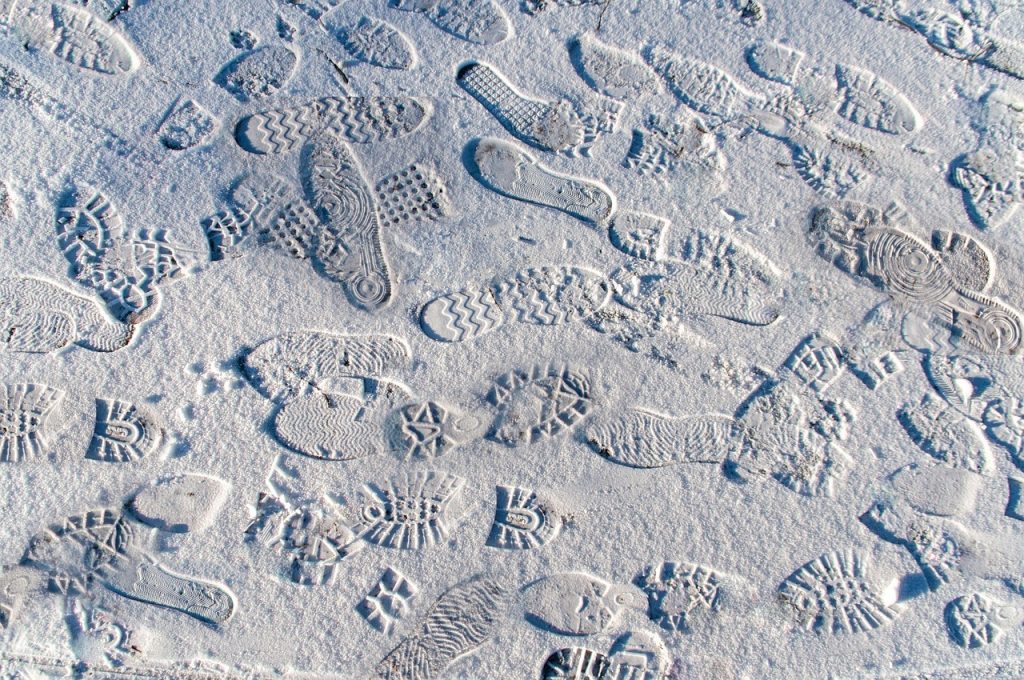
The month-long celebration gives visitors several ways to learn about the fossil record without relying on a single presentation. Programs run from October 2 through October 28 and include ranger talks, drop-in activities, guided walks and a special Full Moon Night presentation. On Fridays, Saturdays and Sundays, visitors can examine casts and molds of fossilized footprints and replicas of Ice Age mammal skulls at the visitor center courtyard. The October 14 National Fossil Day program will also feature rarely exhibited footprint casts, molds and museum collections, giving visitors a closer look at evidence that normally requires scientific study to examine.
The New Ice Age Trail Opens the Story Up
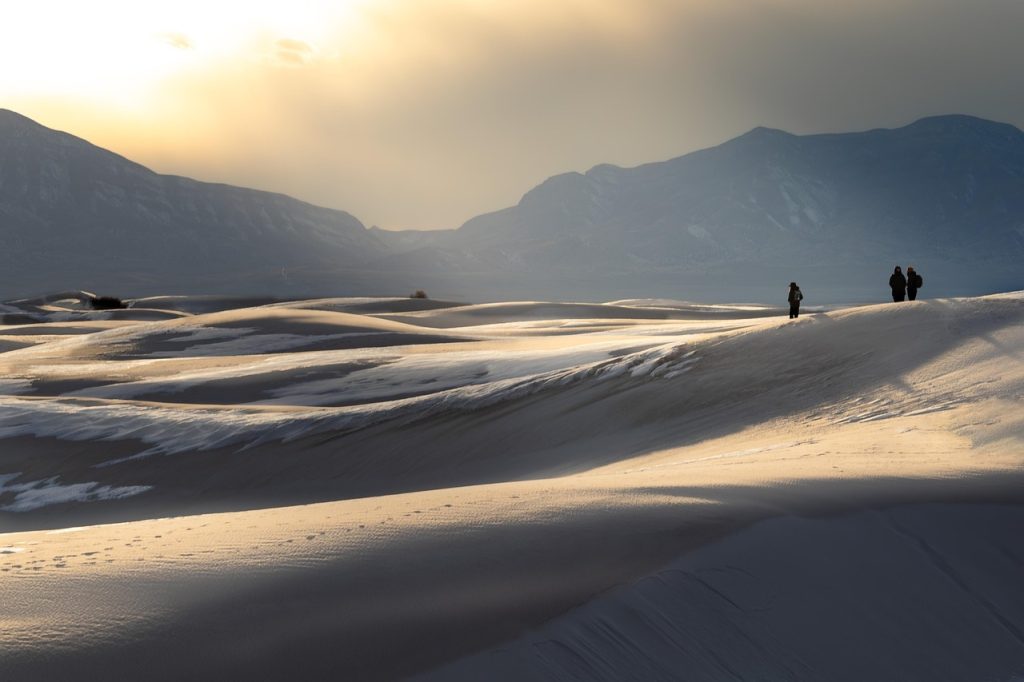
A new 0.8-mile loop gives visitors a dedicated way to explore the ancient landscape associated with the fossil record. Formerly known as the Playa Trail, the Ice Age Trail includes nine interpretive panels that explain the Tularosa Basin’s past and the people and animals that once moved across the shores of Lake Otero. Rangers will lead walks on October 7 and October 28, discussing the Pleistocene environment, its mammal and human inhabitants, and how fossilized footprints were discovered at White Sands. The trail itself helps connect what visitors see in the modern landscape with the very different wetland environment that existed thousands of years ago.
Visitors Can Get Closer to Ancient Footprints

The actual fossil tracks are delicate resources, so the October programs provide a practical way for visitors to study them without disturbing the original sites. Casts and molds allow people to see the shapes and details of footprints while learning how researchers interpret evidence left in ancient sediments. The park’s fossil record includes human tracks alongside those of large Ice Age animals, including mammoths, giant ground sloths, camels, horses and predators. Some trackways even preserve evidence of animals and humans using the same landscape at roughly the same time. Researchers use techniques such as photogrammetry and other non-destructive methods to document these fragile traces where they occur.
The Evidence Reaches Back More Than 20,000 Years
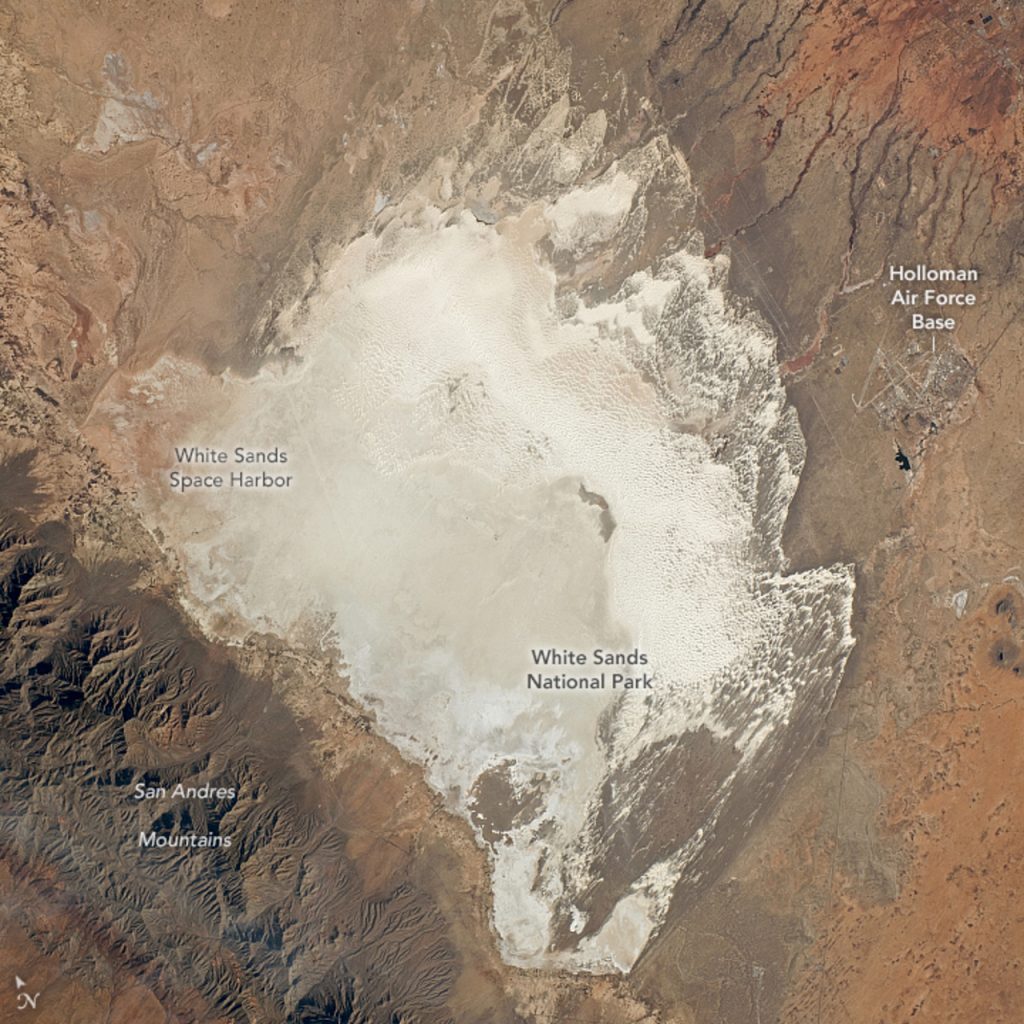
The age of the footprints is what makes the White Sands record particularly significant. Research has dated human footprints and associated materials to approximately 21,000 to 23,000 years ago, placing people in the Tularosa Basin thousands of years earlier than older estimates of human arrival in North America. The tracks were formed when people and animals crossed soft sediments around ancient Lake Otero, where conditions sometimes allowed impressions to survive and eventually become preserved. Radiocarbon dating of material associated with the track layers has helped establish their age. The result is a rare record of human and animal activity from a period when the landscape looked dramatically different from the desert and gypsum dunes visitors see today.
Scientists Are Still Uncovering What the Tracks Reveal
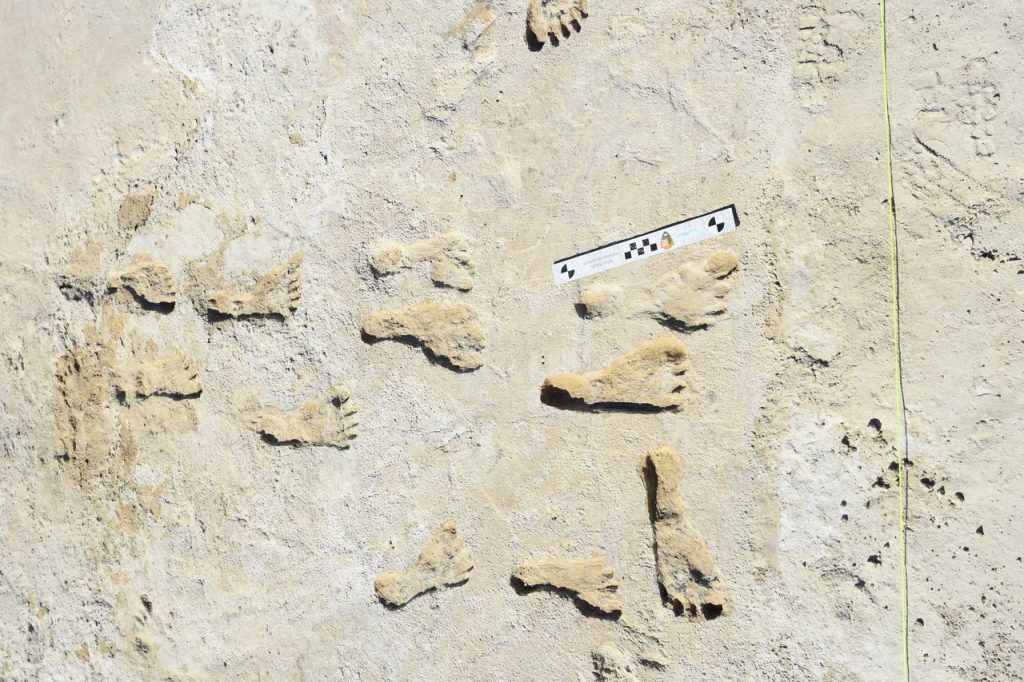
The footprints are more than impressions in old sediment because they can preserve clues about how people and animals actually moved through the ancient environment. Researchers have documented human tracks alongside those of Ice Age megafauna, including instances where different sets of footprints overlap. Some evidence suggests humans followed or interacted with large animals, while other trackways reveal everyday movement across the former lake margins. The tracks can also be surprisingly fragile and temporary, with moisture and surface conditions affecting how visible they are. Because of this, researchers increasingly rely on methods such as detailed photography, three-dimensional modeling and other non-destructive techniques to document them. Continued research is helping build a more detailed picture of the people, animals and environment that existed at White Sands thousands of years ago.