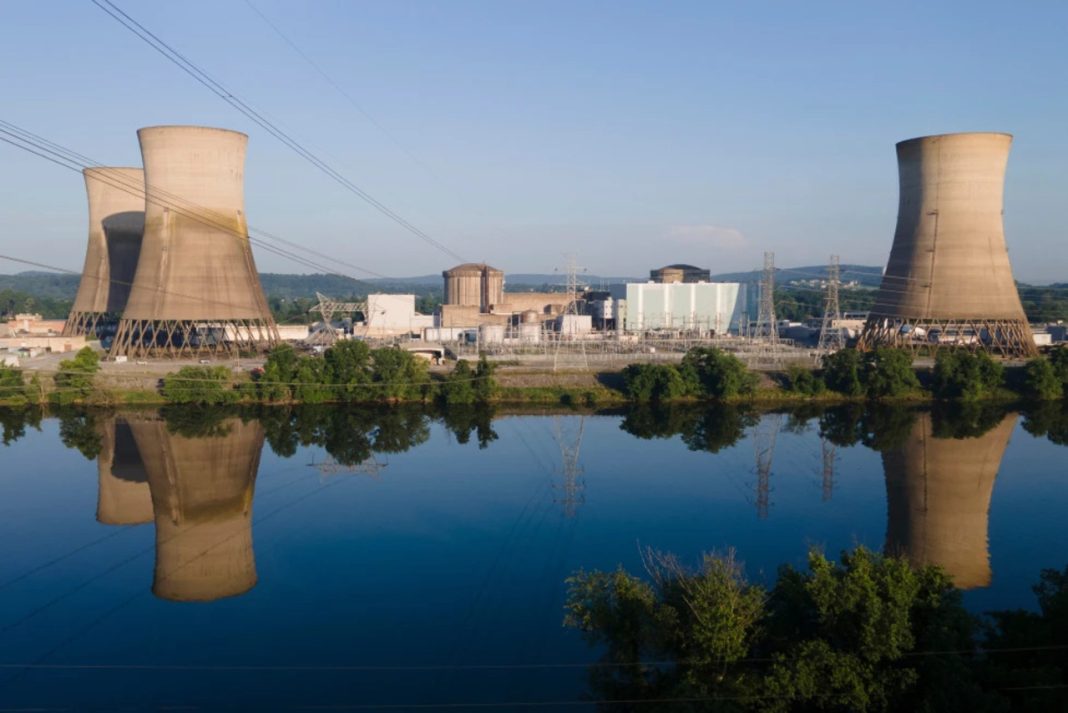

Nuclear power is making an unexpected comeback in the United States as energy companies look for ways to meet rising electricity demand. Three Mile Island in Pennsylvania, Palisades in Michigan, and Duane Arnold in Iowa are among the shuttered facilities being prepared for a potential return. Growing demand from artificial intelligence, data centers, and manufacturing is helping drive these efforts, while long-term corporate agreements and federal financing are making restarts more feasible. Here’s a closer look at the three nuclear plants being revived and the reasons behind America’s renewed interest in nuclear energy.
Palisades Nuclear Power Plant Is Set to Restore Michigan’s Nuclear Power Supply
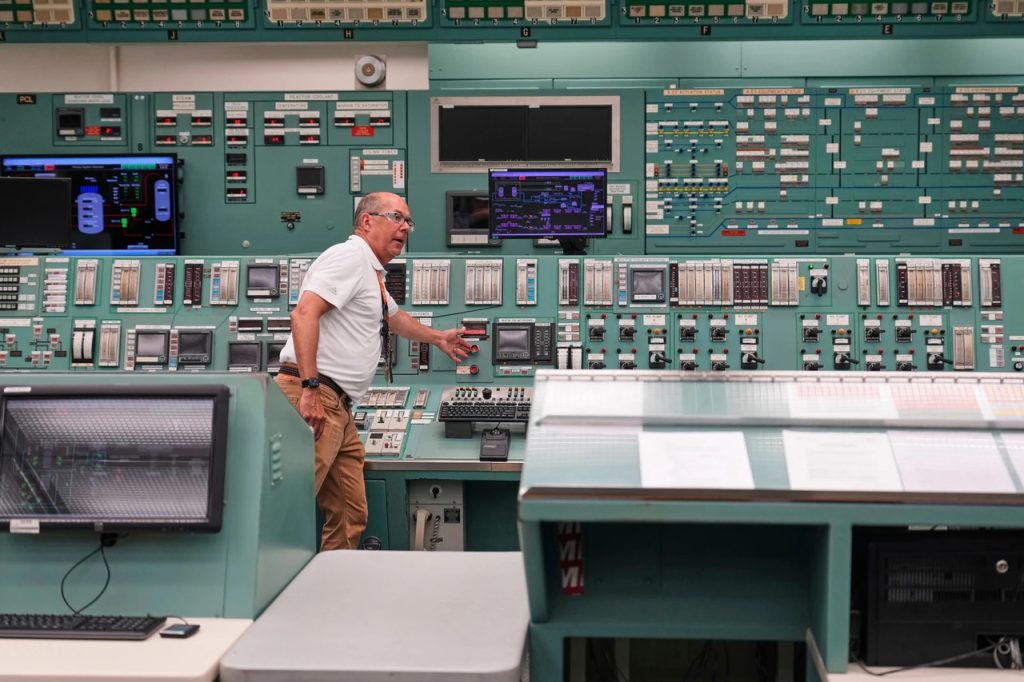
A closed nuclear plant may seem like a thing of the past, but Michigan’s Palisades facility is getting another chance. The plant operated from 1971 until 2022, when its owner, Entergy, exited the wholesale electricity market. Although its operating license was valid until 2031, the plant closed because of financial considerations. Holtec International subsequently purchased the facility and began decommissioning work, but the process had not progressed beyond the point of reversal. Michigan officials supported the reopening effort because they wanted to preserve nuclear energy production and jobs. Federal and state financial backing helped move the project forward. The restart is expected to restore a substantial source of reliable electricity without the need to construct an entirely new nuclear facility. However, the project still faces technical and regulatory hurdles before it can resume commercial operations.
Crane Clean Energy Center Is Returning to Meet Microsoft’s Electricity Needs

Pennsylvania’s Three Mile Island facility is getting a new lease on life, with the remaining operable reactor set to return to service under the name Crane Clean Energy Center. The plant’s history is complicated by the 1979 accident at Three Mile Island, which destroyed one reactor but left another operational. The remaining reactor eventually closed in 2019 after its owner determined that it was losing money. Now, the growing demand for electricity has changed the economic picture. Constellation Energy announced plans in 2024 to invest $1.6 billion in restarting the reactor, supported by a 20-year power purchase agreement with Microsoft. The technology company needs substantial quantities of electricity to support its data centers, including facilities used for cloud computing and artificial intelligence. The U.S. Department of Energy has also provided a $1 billion loan to support the restart. The plant is targeting a return to service in 2027, although completing the necessary work and meeting regulatory requirements remain essential.
Duane Arnold Energy Center Could Help Power Google’s Expanding Data Center Operations
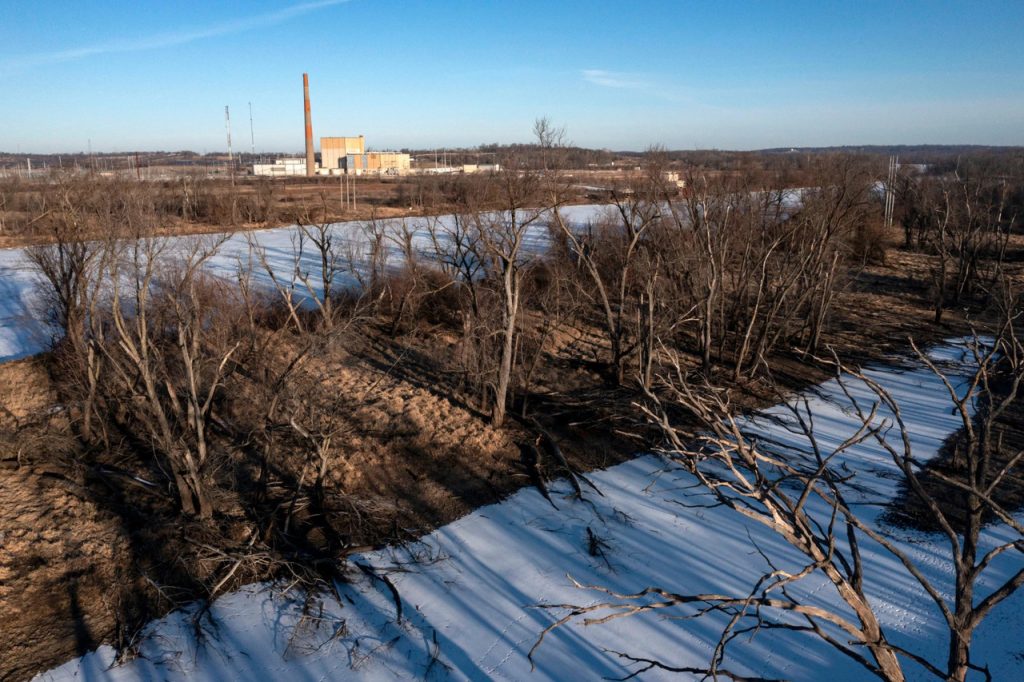
Iowa’s Duane Arnold Energy Center is another shuttered nuclear facility being considered for a return to commercial operation. The plant began operating in 1975 and was originally scheduled to close permanently in October 2020. However, it shut down earlier that year after a powerful derecho storm damaged the facility. At the time, replacing its electricity with less expensive sources, including wind power, was projected to save Iowa customers approximately $300 million in energy costs. The economics of nuclear power have since shifted as electricity demand has grown, particularly from energy-intensive data centers. NextEra Energy, which owns the plant, is working with Google on a proposed restart targeted for early 2029. A long-term agreement with Google is expected to provide a customer for the electricity generated by the revived facility. The arrangement could help finance the project without passing its costs on to residential electricity customers in Iowa, according to NextEra’s leadership. Still, the plant must undergo the necessary restoration work and satisfy applicable safety and regulatory requirements before it can generate electricity again.
Federal Financing Is Helping Make Nuclear Plant Restarts More Practical

Restarting an old nuclear plant requires far more than simply switching the machinery back on. Operators must inspect equipment, complete maintenance, recruit or retrain qualified workers, secure nuclear fuel and satisfy regulators before electricity generation can resume. These requirements can make the process expensive, even when a facility already has much of the infrastructure needed to produce power. Federal financing is helping address that challenge. The Department of Energy is providing loans of up to $4.4 billion to support the proposed restarts of Palisades, Crane and Duane Arnold. The combined projects could restore approximately 2.25 gigawatts of electricity generation capacity, enough to serve roughly two million homes and businesses. Restarting existing facilities can also be faster and less expensive than constructing entirely new nuclear reactors. However, public financing has attracted criticism from those who believe private companies should cover the costs themselves. Supporters argue that the loans can help bring much-needed electricity online, while critics question whether taxpayers should bear the financial risks associated with private energy projects.
America’s Growing Electricity Demand Is Reviving Interest in Nuclear Power
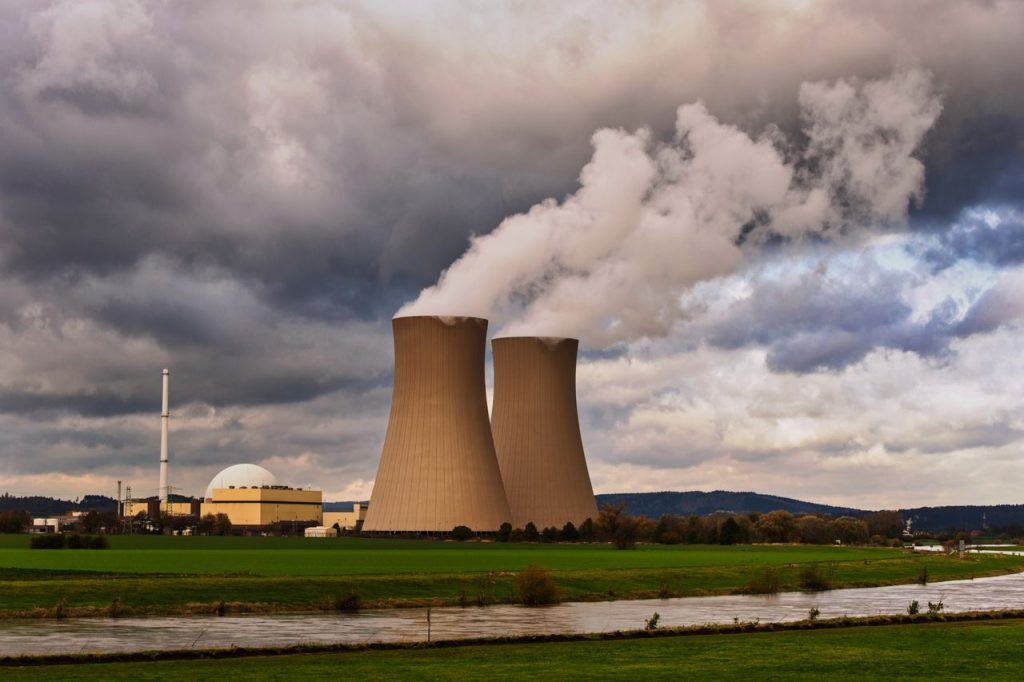
The push to reopen shuttered nuclear plants reflects a broader change in America’s electricity needs. Data centers supporting artificial intelligence, cloud computing and other digital services require large and reliable supplies of power. Manufacturing facilities also depend on electricity to operate equipment and maintain production. As these demands grow, energy companies and policymakers are looking for ways to expand generation without relying exclusively on new construction. Nuclear power is attractive because it can produce large amounts of electricity continuously, regardless of whether the wind is blowing or the sun is shining. It also generates electricity without direct carbon dioxide emissions during operation. The Palisades, Crane and Duane Arnold projects could therefore help address rising demand while adding to the country’s supply of carbon-free energy. Nevertheless, restarting old plants is not without risks. Safety experts have raised concerns about aging infrastructure and whether facilities originally designed for earlier climate conditions can adequately withstand increasingly severe weather. The success of these projects will depend on whether their economic benefits can be achieved alongside the maintenance, safety improvements and regulatory oversight needed for reliable operation.