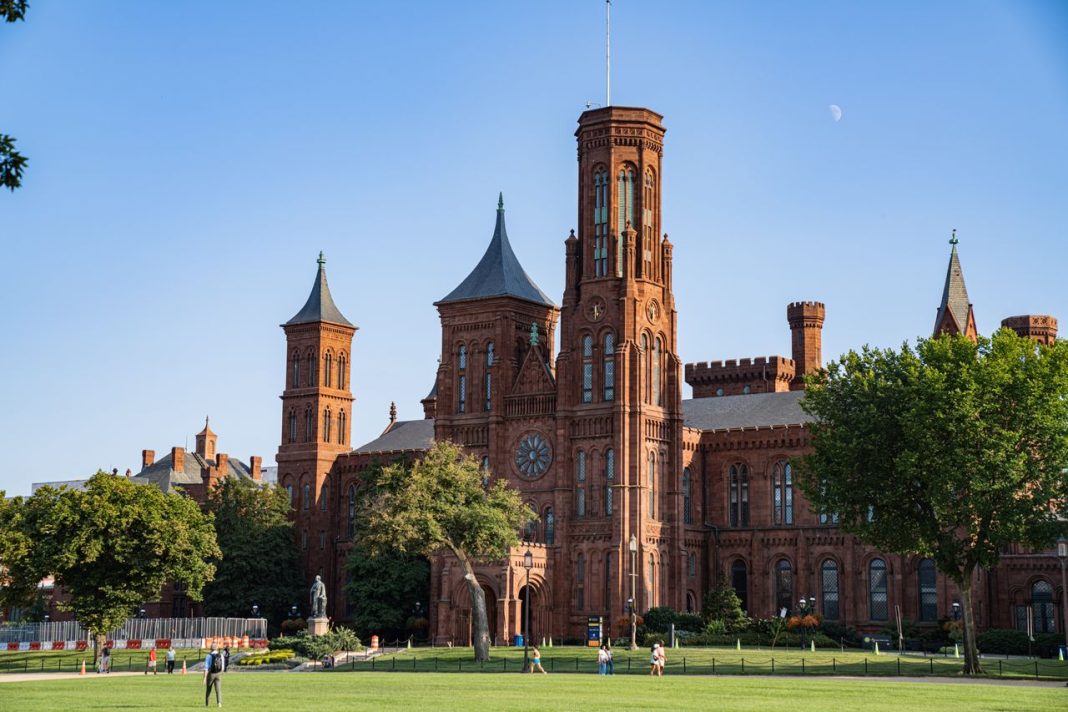

The Smithsonian is making room for a new chapter in American entertainment history, and this time, the spotlight is on YouTube. The National Museum of American History is adding props from Good Mythical Morning, the popular online show hosted by Rhett McLaughlin and Link Neal, to its collection. The items include two blindfolds and a microphone, objects connected to the show’s distinctive mix of food challenges, taste tests, and comedy. Set to go on display on October 22, 2026, outside the museum’s Entertainment Nation exhibition, the collection offers a glimpse into how internet personalities and digital programming have become part of America’s broader entertainment story.
The Smithsonian Is Recognizing YouTube Entertainment as Part of American History
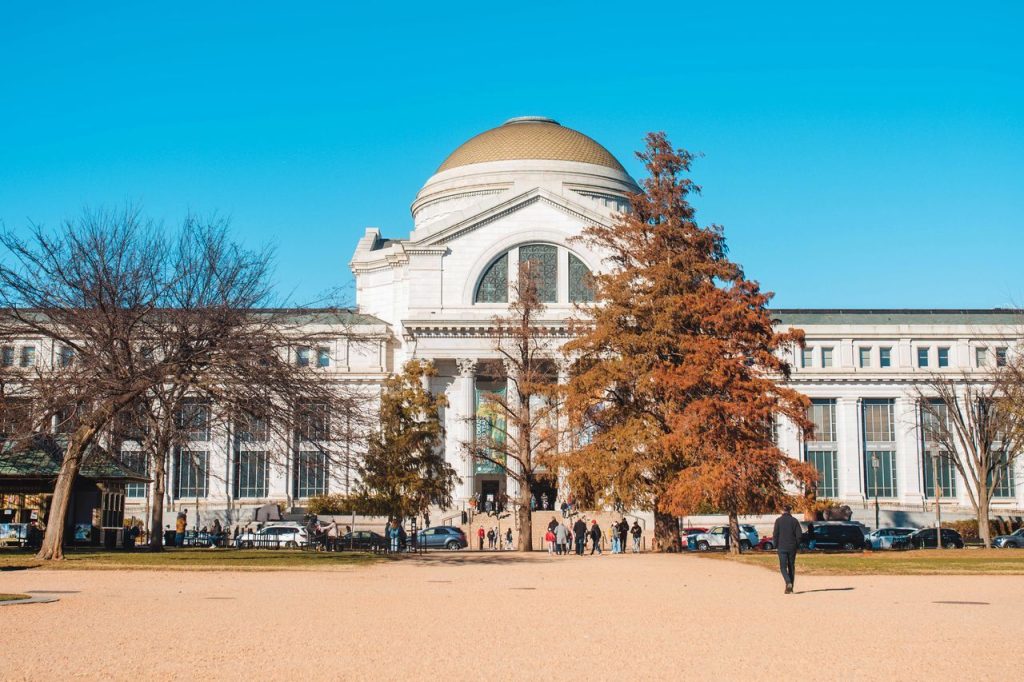
Entertainment history is no longer limited to movie stars, television personalities, and musicians. The Smithsonian’s National Museum of American History is making room for digital creators with a new display featuring objects from Good Mythical Morning, the YouTube show hosted by Rhett McLaughlin and Link Neal. Opening on October 22, 2026, the display highlights items connected to a program that has built a following through humor, food experiments, games, and unusual challenges. The museum’s decision reflects how entertainment has expanded beyond traditional television networks to include online platforms where creators develop their own shows and connect directly with audiences. By preserving objects from a popular YouTube series, the Smithsonian is documenting a form of entertainment that has become a familiar part of modern American culture.
Two Blindfolds and a Microphone Are Among the Featured Objects
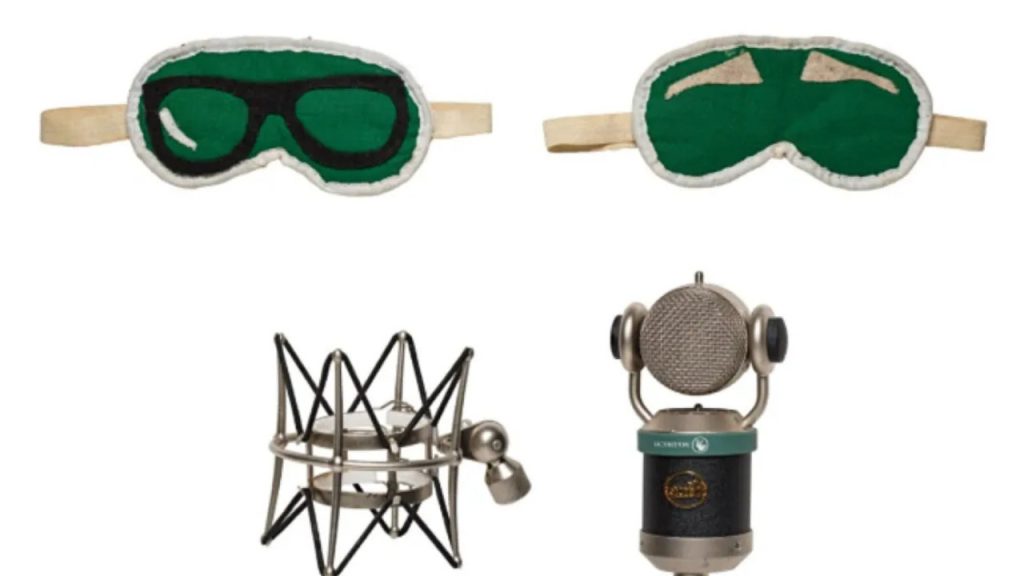
Sometimes, an ordinary-looking object can tell a surprisingly rich story about entertainment. The new Smithsonian display features two blindfolds and a microphone associated with Good Mythical Morning. The blindfolds have a particular connection to the show’s popular taste tests, in which Rhett and Link sample foods without seeing what they are eating or try to identify products based on taste alone. The blindfolds are especially distinctive because fans have come to recognize this format as part of the show’s identity. According to the museum’s collection records, the blindfolds were made and sent to the hosts by a fan named Megan Wolfe and were first used on September 11, 2014, during Season 6, Episode 43. Their inclusion demonstrates how props used in recurring online segments can become meaningful artifacts that help explain the creative choices behind a successful digital program.
Rhett McLaughlin and Link Neal Helped Build a Successful Digital Entertainment Brand
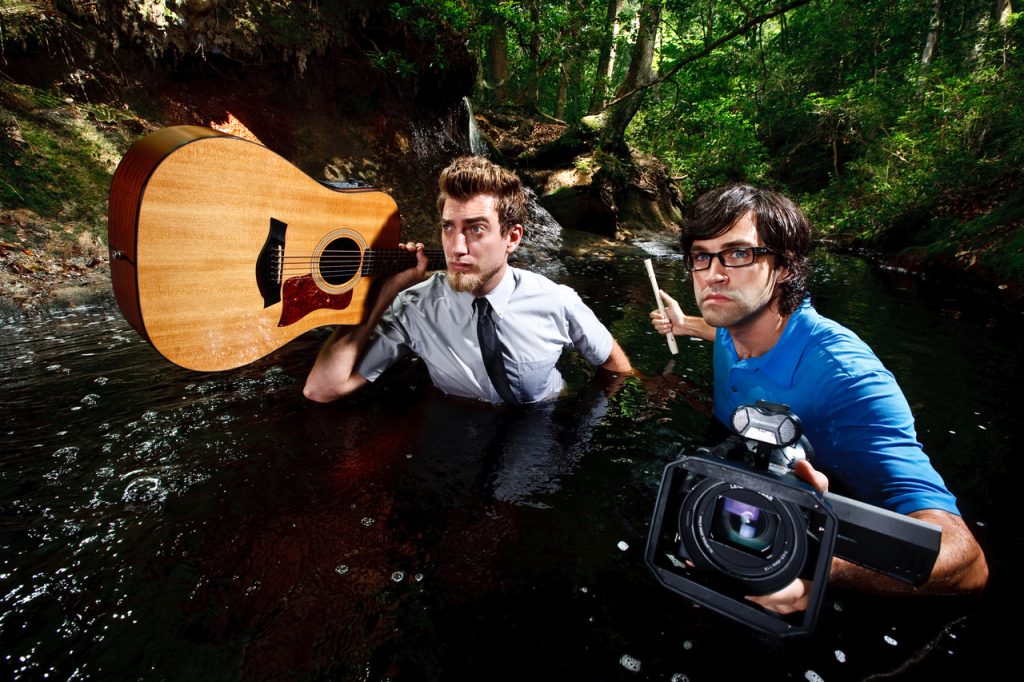
Behind the objects are two longtime friends whose partnership grew into a substantial entertainment business. Rhett James McLaughlin and Charles Lincoln Neal III, better known as Rhett and Link, are the hosts of Good Mythical Morning and founders of Mythical Entertainment. Their creative partnership began years before the show launched, with the pair producing comedy and music videos online. Good Mythical Morning debuted in 2012 and developed into a daily variety program featuring conversations, product reviews, food challenges, games, and experiments. The show’s recognizable format and the hosts’ easygoing chemistry helped it establish a dedicated audience. Their careers also illustrate how online creators can develop beyond individual videos, building recognizable brands and businesses around original programming. The Smithsonian’s decision to collect objects connected to the duo acknowledges their place in the changing history of American entertainment.
The Display Opens on October 22 Outside Entertainment Nation
Visitors planning a trip to the National Museum of American History have a specific date and location to keep in mind. The Good Mythical Morning display is scheduled to open on October 22, 2026, outside the museum’s Entertainment Nation exhibition on the third floor, west side. That placement connects the YouTube props to a broader presentation of American entertainment history. Entertainment Nation explores the country’s cultural life through objects associated with theater, music, sports, movies, and television, alongside interactive experiences. Placing digital-era artifacts near this exhibition creates an opportunity to consider how the entertainment industry has evolved as new technologies and platforms have changed the way people watch and share content. The objects from Rhett and Link offer a contemporary example of that shift, showing how a program created for an online audience can become part of a national museum’s collection.
The Collection Highlights How Digital Culture Shapes Modern Entertainment History
The Smithsonian’s new display offers more than a chance to see familiar props from a YouTube show. It also provides a glimpse into how museums decide which objects help explain the culture of their time. A blindfold used during a taste test or a microphone used in a recurring program may seem ordinary outside its original setting, but these items can represent the creative routines, visual identity, and audience participation that make a show memorable. In the case of Good Mythical Morning, the blindfolds are tied to a recognizable format that has helped define the program for years. Collecting such objects allows the museum to preserve evidence of entertainment that developed through online video rather than traditional broadcast television. As digital creators continue to influence how people discover comedy, food, and popular culture, objects from their productions can help future visitors understand how entertainment changed during the internet era.