
State lines usually mark the boundaries between places, but in some parts of the United States, they have become attractions in their own right. From a monument where four states meet to downtown streets that divide neighboring states, these unusual destinations turn geography into an experience worth exploring. Some offer photo opportunities that let visitors stand in two or even four states at once, while others reveal how state borders have shaped local history, culture, and community identity. Whether you’re planning a road trip or simply curious about America’s most unusual landmarks, these six places show that a state line can be much more than a mark on a map.
Four Corners Monument Lets Visitors Stand in Four States at Once
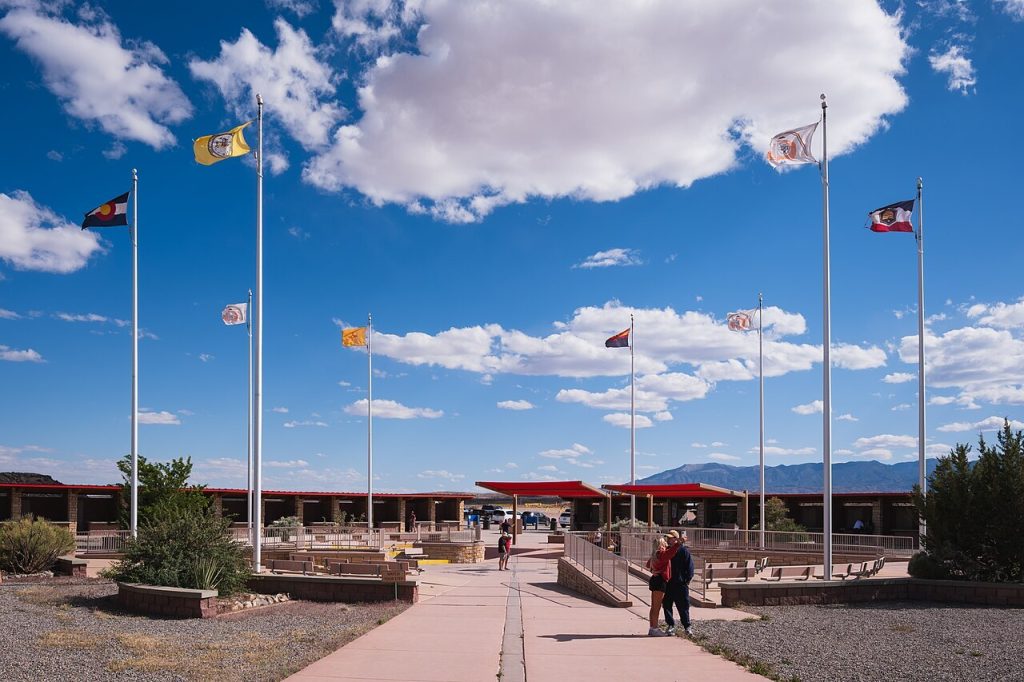
Few American landmarks offer a photo opportunity quite like Four Corners Monument, where visitors can place themselves in Arizona, Utah, Colorado, and New Mexico simultaneously. Located on the Colorado Plateau within the Navajo Nation, this distinctive attraction marks the only point in the United States where four state boundaries meet. A bronze disc embedded in the monument identifies the spot, while the seals and flags of the four states make the location easy to recognize. However, the experience extends beyond the novelty of standing in four states at once. The site also celebrates the cultural heritage of the region, with Navajo and Hopi artisans selling traditional crafts, including silver jewelry, woven rugs, and baskets. Visitors can learn about Indigenous cultures through demonstrations and displays at the visitor center and sample regional specialties such as Navajo tacos. Because the monument sits in a relatively remote area, travelers should plan ahead for limited services and respect the rules governing Navajo lands.
Texarkana Turns a State Border Into a Downtown Attraction
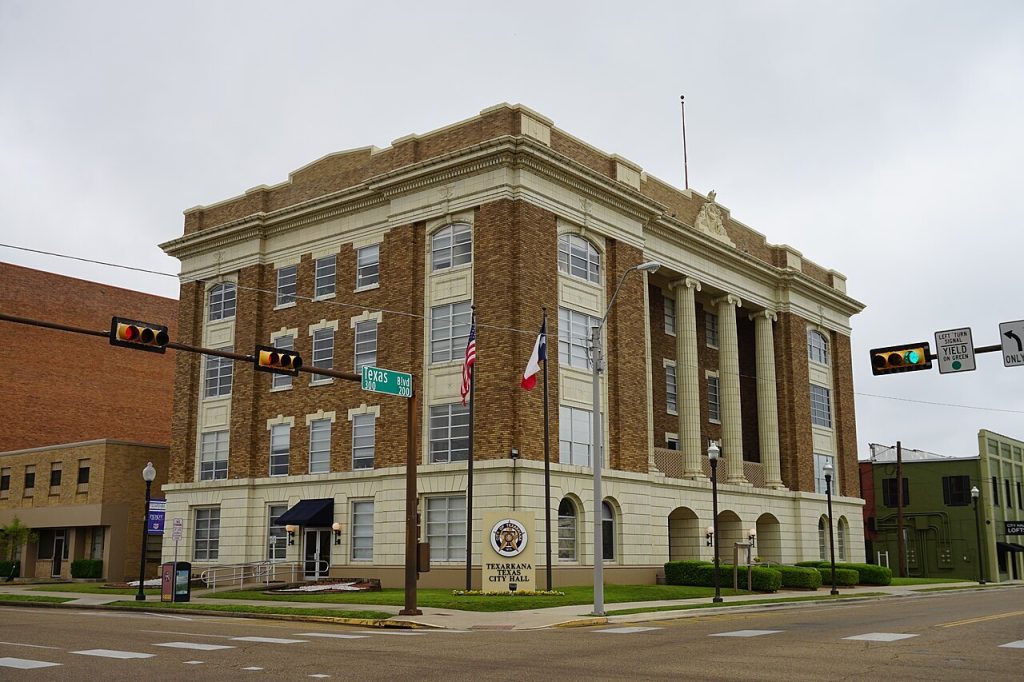
In most American cities, a state boundary is something people cross without thinking about it. In Texarkana, the dividing line is one of the area’s most recognizable features. The community spans the Texas-Arkansas border, with State Line Avenue running through downtown and separating the two states. One of the most remarkable sights is the historic U.S. Post Office and Courthouse, which physically straddles the boundary. Completed in 1931, the federal building occupies a distinctive position along State Line Avenue and has become a popular destination for visitors interested in unusual American landmarks. The surrounding downtown area offers opportunities to explore local restaurants, shops, and entertainment venues on both sides of the line. The city also makes it easy to capture the experience with designated photo spots where visitors can pose across the state boundary. Texarkana demonstrates how an ordinary geographical division can become a defining part of a community’s identity and a memorable stop on a road trip.
Bristol Makes the Virginia-Tennessee Border Part of Its Downtown Charm
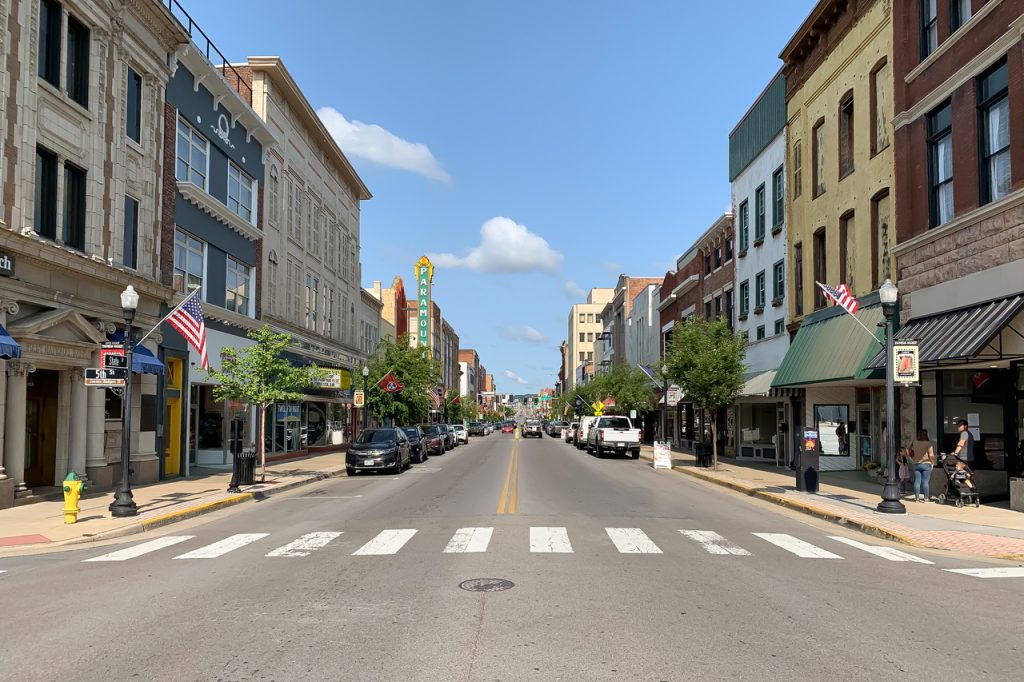
A walk along State Street in Bristol offers something that most downtown shopping districts cannot: the chance to cross between two states without leaving the sidewalk. The city sits directly on the Virginia-Tennessee boundary, and its historic main street follows that dividing line. Brass markers and painted lines help visitors identify the border, making it easy to take photographs with one foot in each state. Yet the attraction is more than a geographical curiosity. Bristol has a strong musical heritage and is widely recognized as the Birthplace of Country Music, reflecting the important role the region played in the development of the genre. The downtown district features independent shops, art galleries, restaurants, and live music venues, giving visitors plenty of reasons to stay after taking their border-crossing photographs. Historic buildings and local cultural attractions add to the experience, while nearby natural areas provide opportunities for outdoor recreation. Bristol shows how a state line can become part of a city’s character without overshadowing the history and community life that make it worth exploring.
Kansas City Makes Crossing Between Kansas and Missouri Surprisingly Easy
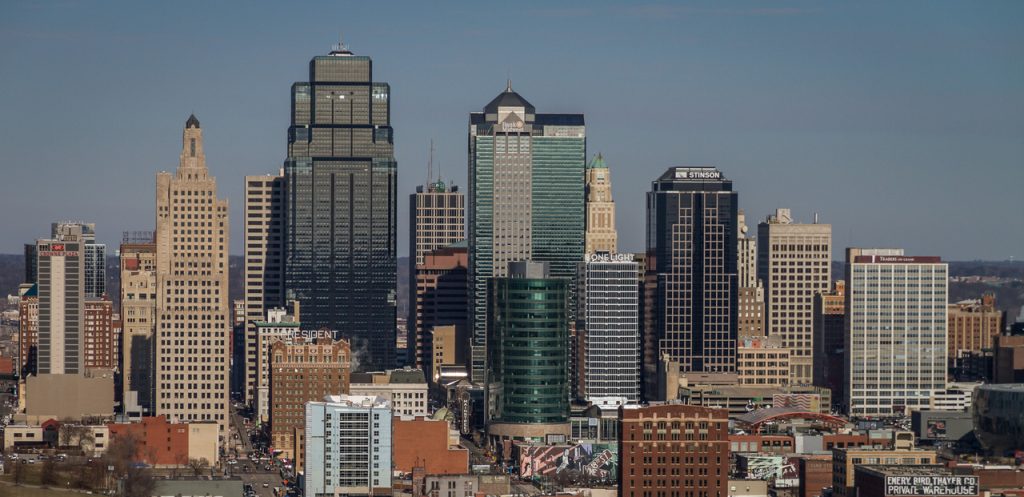
Kansas City offers a particularly interesting experience because its metropolitan area stretches across the Kansas-Missouri state line, creating a connected region with communities on both sides. Visitors sometimes discover that they have crossed into another state simply by driving along an ordinary road or turning onto a different street. State Line Road provides a useful reference point, with Kansas generally lying to the west and Missouri to the east. The region’s shared identity makes it possible to explore attractions, restaurants, shopping districts, and entertainment venues across both states during the same trip. Kansas City, Missouri, is known for its barbecue traditions, jazz history, and major cultural attractions, while Kansas communities such as Overland Park and Kansas City, Kansas, offer their own dining, shopping, and recreational experiences. The state boundary does not divide the metropolitan area into completely separate destinations. Instead, it adds an unusual geographical detail to a region whose residents regularly travel between the two states for work, education, and leisure. For visitors, that means exploring two states can become a natural part of one larger city adventure.
Delmar Gives Delaware and Maryland a Shared Small-Town Identity
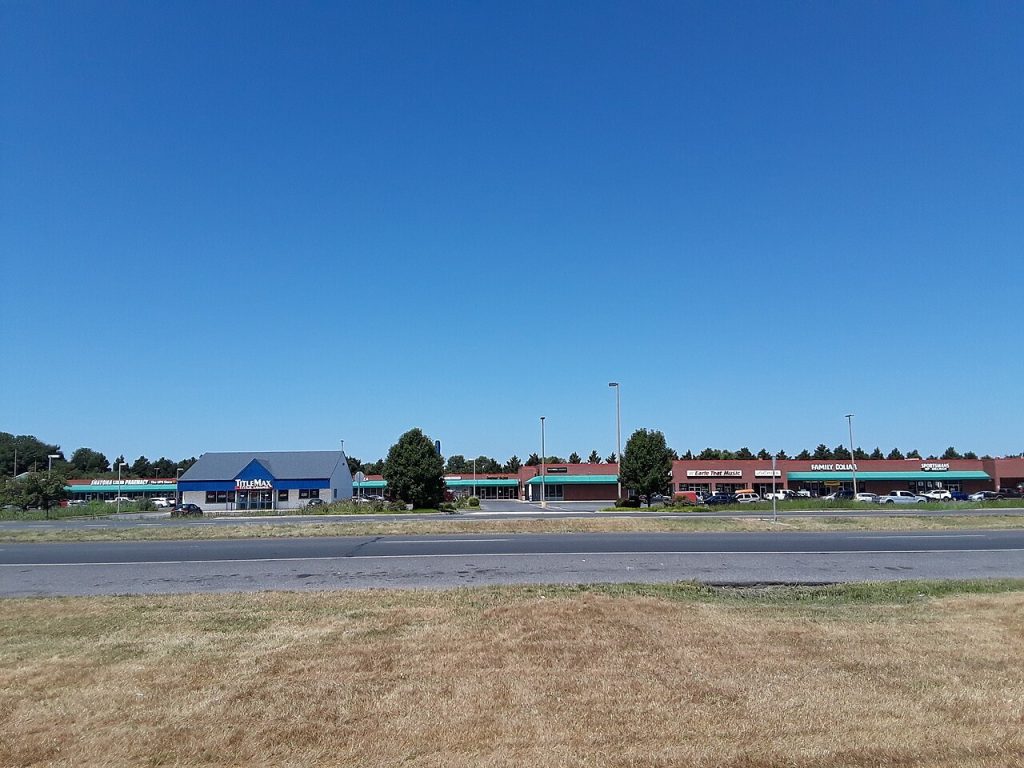
Delmar has a name that tells its story before visitors even arrive. Formed by combining the first three letters of Delaware and Maryland, this distinctive community straddles the state boundary along the Mason-Dixon Line. Although it is often described as one town that is too big for a single state, Delmar technically consists of two incorporated municipalities, one in Delaware and one in Maryland. The community developed in the 19th century around the arrival of the Delaware Railroad, which reached the southern boundary of Delaware in 1859. As railroad workers and businesses settled nearby, the town expanded on both sides of the line. Today, State Street follows the boundary through the community, giving visitors a clear sense of how the two states meet within an ordinary residential and commercial area. Despite having separate municipal governments, the two sides have worked together to coordinate services and support their shared community. Delmar also celebrates its unusual location through local traditions, including an annual Heritage Day event featuring a tug-of-war across the state line. It is an appealing example of how geography can shape a town’s history, name, and local pride.
The Tri-States Monument Marks a Meeting Point Between Three States
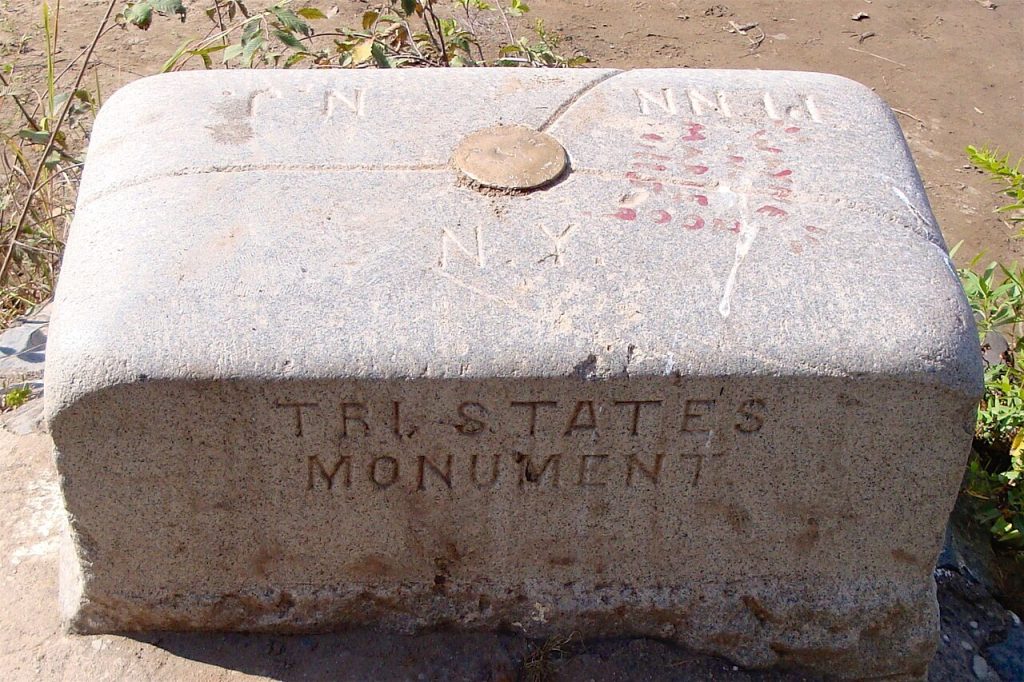
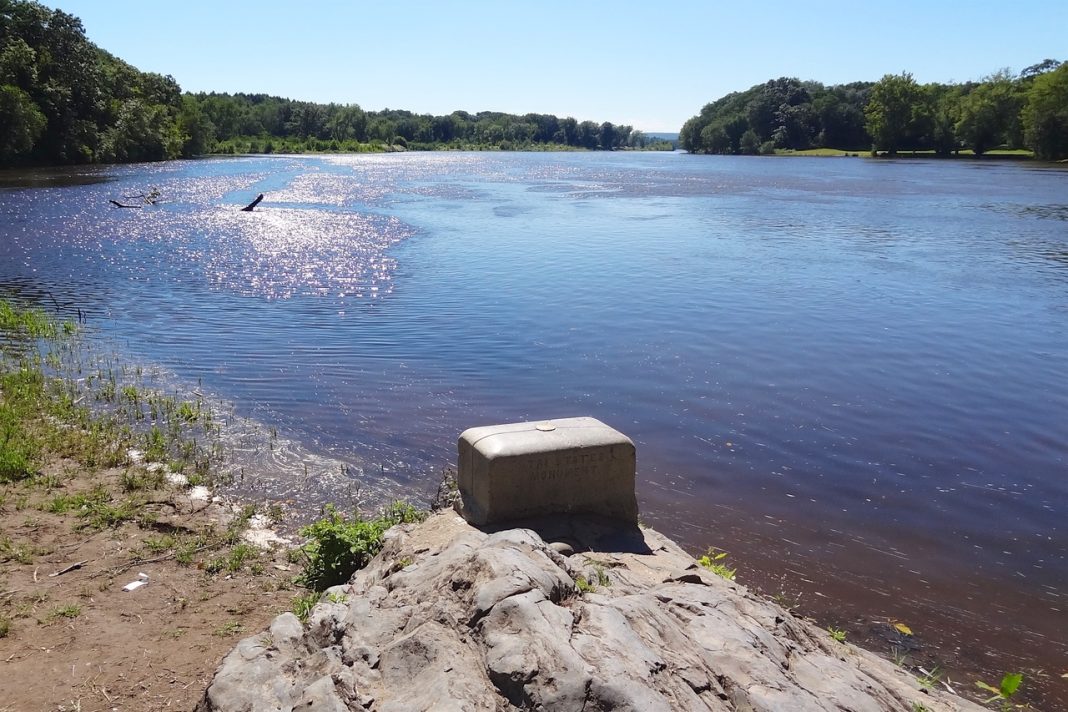
For travelers who enjoy discovering lesser-known geographical landmarks, the Tri-States Monument near Port Jervis, New York, offers an intriguing stop. The landmark identifies the junction where New York, New Jersey, and Pennsylvania meet near the Delaware River. Unlike Four Corners Monument, which is designed as a major visitor attraction, this three-state junction is a more understated destination whose appeal lies in its geographical significance and surrounding landscape. The region has a long history shaped by rivers, transportation routes, and the movement of people and goods between neighboring states. The Delaware River also provides opportunities for outdoor activities in the wider area, including paddling, fishing, and enjoying scenic views. Visitors interested in the monument should check local access information before planning a visit, as the precise meeting point may not be as straightforward to reach as a roadside attraction. For geography enthusiasts, however, the opportunity to explore a place where three state boundaries converge offers a rewarding reason to venture beyond the usual tourist stops.